
Toyota Hilux Tire Size History Across Every Generation
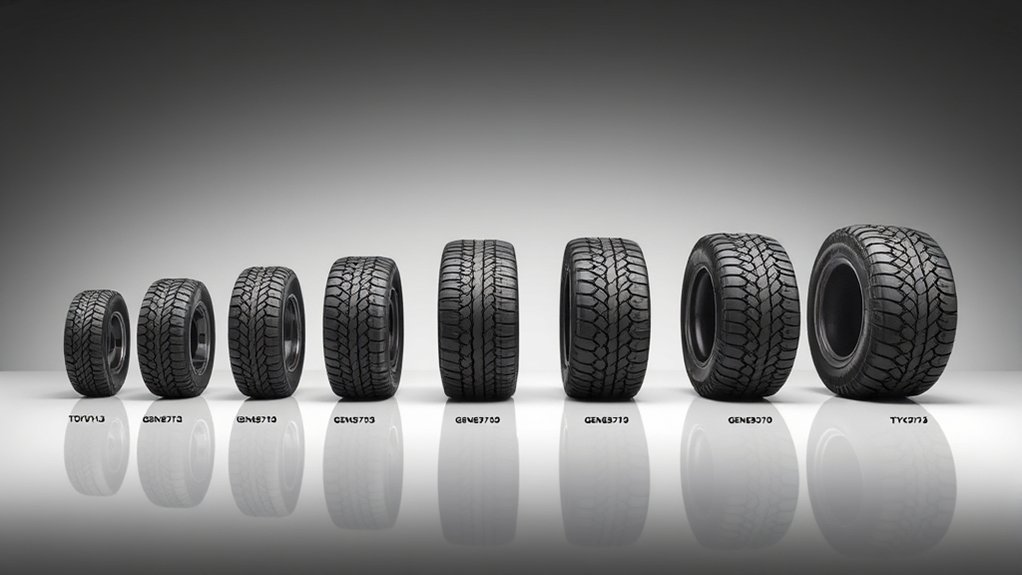
The Toyota Hilux has used many wheel and tire combinations since its 1968 debut, but no single tire size represents an entire generation. Fitment changes by market, body style, drivetrain, payload rating, trim, and optional package. The safest way to study the evolution is to separate verified generation history from market-specific tire examples and then confirm your own truck’s placard or owner’s manual.
Quick Answer
Hilux tires generally progressed from narrow commercial-truck fitments on early 4×2 models to wider radial tires and 15-, 16-, 17-, and 18-inch wheels on later 4×4 and premium trims. However, Toyota used different sizes across countries and configurations, so generation alone cannot identify the correct replacement tire.
Key Takeaways
- Toyota’s official history confirms nine Hilux generations from 1968 through the all-new ninth generation introduced in 2026.
- The first Hilux 4WD arrived in 1979 during the third generation, not during the first generation.
- Verified later-generation examples range from 205/70R15 on some seventh-generation 2WD models to 265/60R18 on selected eighth-generation trims.
- The tire placard, owner’s manual, load rating, wheel size, and local market specification matter more than a general generation chart.
Why Tire Sizes Matter in the Toyota Hilux Evolution
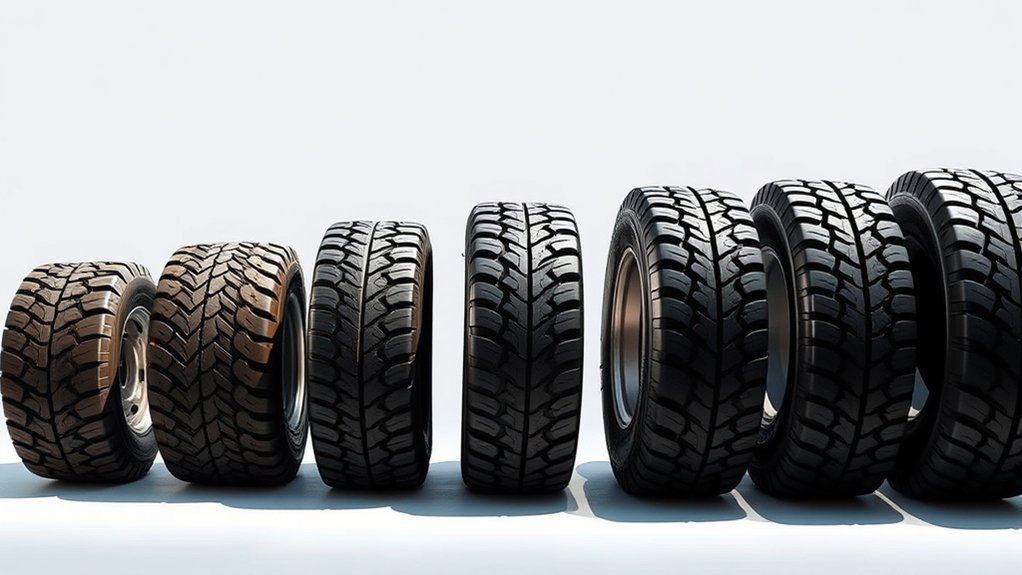
Tire dimensions influence steering response, ride comfort, braking behavior, gearing, ground clearance, fuel use, and the amount of load a tire can safely support. Wider or taller tires can improve traction in some conditions, but they can also add weight, reduce clearance, change speedometer readings, or place extra stress on steering and suspension parts.
The Hilux also evolved from a compact work truck into a global family of 4×2 and 4×4 pickups with single-cab, extra-cab, double-cab, commercial, and lifestyle variants. Toyota’s official Hilux history confirms the major generation dates and chassis changes, but it does not present one universal tire size for every generation.
Warning: Do not buy tires from a generation-only list. Check the vehicle’s tire placard, owner’s manual, wheel diameter, load requirement, and current modifications. A tire that fits one Hilux trim may be unsafe or physically incompatible with another.
[Products Worth Considering]

These aluminum alloy tire valve stem caps with an O-ring seal help protect valve stems from corrosion while adding a clean, stylish look to your vehicle. The universal fit works across cars, trucks, motorcycles, bicycles, and more, making them an easy upgrade for everyday driving and off-road use. Installation is quick, and the included four-pack keeps all your tires dressed and protected.

The Topeak SmartGauge D2 delivers precise digital tire pressure readings for bikes, motorcycles, and sports equipment up to 250 psi (17 bar). Its rotating SmartHead works with both Presta and Schrader valves, so you can check pressure quickly without adapters. The LCD display makes it easy to read results in psi, bar, or kg/cm² with an included CR2032 battery for immediate use.

This professional wheel and rim brush kit makes it easy to lift brake dust, grime, and dirt from wheels and tires without scratching finishes. The brushes feature soft, metal-free wool heads and a flexible 360-degree rim brush design for reaching hard-to-clean areas. Includes multiple brush types plus accessories for thorough car, motorcycle, and general vehicle detailing.
Tire Specifications and Changes in the First Generation (1968-1972)
Toyota launched the first Hilux in March 1968. The representative RN10 used a separate frame, double-wishbone front suspension with coil springs, a rigid rear axle with leaf springs, and a rated payload of 1,000 kg. Those details explain why the original tire package focused on commercial load support and durability rather than the wider off-road stance associated with later Hilux models.
Tire Dimensions Overview
Period tire specifications varied by export market and model code, and Toyota’s current digital heritage page does not publish a complete global tire chart for the first generation. Claims that every first-generation Hilux used one exact size should therefore be treated cautiously. For a restored truck, use the original owner’s manual, surviving tire placard, period-market brochure, or Toyota parts information tied to the chassis code.
| Verified point | What it means for tire selection |
|---|---|
| 1968-1972 first generation | Match the exact year, market, chassis, wheel, and payload specification. |
| 4×2 only in this generation | A supposed first-generation factory 4WD tire specification is not valid. |
| 1,000 kg representative payload | Replacement tires must provide adequate load capacity, not merely the correct diameter. |
Performance Characteristics
Early Hilux models were built around work-truck priorities. Tire construction, load capacity, and inflation pressure were central to stability under cargo. Modern radial replacements may improve ride and availability, but the overall diameter, rim compatibility, load rating, and clearance still need to match the original vehicle requirements.
Impact on Handling
A taller tire can raise the effective gearing and slightly increase ground clearance, while a wider tire can change steering effort and scrub radius. On an older Hilux without modern steering and stability systems, unsuitable wheel offset or excessive tire width may make the truck wander, rub, or steer heavily. Preserve the intended geometry unless a qualified specialist checks the complete setup.
Tire Specifications and Changes in the Second Generation (1972-1978)
The second-generation Hilux arrived in May 1972. Toyota retained the basic mechanical layout while lengthening the wheelbase and offering both standard and long-body versions. A 1.6-liter model continued, and a 2.0-liter Highway version was added for smoother higher-speed driving.
Tire fitments remained market- and grade-specific. Wider options may appear in period brochures or replacement catalogs, but they should not be presented as universal factory sizes without a matching market and model code. This generation also remained 4×2. Toyota did not add a production Hilux 4WD until 1979.
Tire Size Enhancements in the Third Generation (1978-1983)
The third-generation Hilux went on sale in September 1978. Toyota changed the front suspension from coil springs to torsion bars and expanded the body lineup. Most importantly for tire history, the first Hilux 4WD joined the range in 1979, creating a clearer split between road-focused 4×2 fitments and taller, more rugged 4×4 applications.
Tire Size Specifications
Exact sizes differed across countries, model codes, and body styles. The important verified change is not one universal number but the arrival of a factory 4WD platform that required wheels and tires suited to additional ground clearance, front-axle drive components, and rough-road use.
- 4×2 models continued to prioritize payload, economy, and road use.
- 4×4 models opened the door to taller, more aggressive tire packages.
- Wheel width, offset, and body clearance became more important when fitting alternatives.
- Load capacity remained essential because the Hilux was still a working pickup.
Performance Enhancements
Moving to a larger tire can improve obstacle clearance and increase the tire’s contact area, but the benefit depends on tread design, pressure, suspension travel, and vehicle load. A heavy all-terrain tire may also slow acceleration and increase braking distance compared with a lighter factory-equivalent tire.
Off-Road Capabilities
The first 4WD Hilux changed what owners expected from the model. Off-road tires could provide stronger sidewalls and more open tread patterns, while the chassis and suspension provided the foundation for rough-terrain driving. Tire size alone did not create capability, and oversizing could still cause rubbing or drivetrain strain.
Pro Tip: When researching a vintage Hilux, search by chassis code and destination market, not only by generation. A same-year truck sold in Japan, Australia, Europe, or another region may have different wheels, tires, brakes, and axle ratings.
Tire Dimensions: Fourth to Sixth Generations (1983-2004)
The fourth generation began in November 1983, the fifth in September 1988, and the sixth in September 1997. Across these years, the Hilux lineup became broader and more specialized. Toyota separated commercial 4×2 trucks from wider 4×4 and lifestyle-oriented models, so tire specifications became increasingly dependent on trim and intended use.
The fourth generation introduced a new body for all 4WD models. The fifth generation emphasized power, sturdiness, and comfort, with wider flared bodywork on many 4WD variants. The sixth generation further separated business-use trucks from personal-use sport pickups. These body and chassis differences allowed more variation in wheel diameter, tire width, and sidewall height.
Note: Older numeric and partial tire markings do not always translate cleanly into a modern metric size. Use a professional conversion that preserves load capacity, wheel compatibility, and overall diameter.
Toyota Hilux Tire Sizes in the Seventh, Eighth, and Ninth Generations
The seventh-generation Hilux launched in 2004, the eighth in 2015, and the all-new ninth generation reached the UK market in 2026. Later official specifications provide clearer examples of how much tire choice can vary within one generation.
| Generation | Years | Verified official examples | Fitment lesson |
|---|---|---|---|
| Seventh | 2004-2015 | UK launch specifications listed 205/70R15, 205/70R16, 255/70R15, and 255/70R16 across selected 2WD and 4WD grades. | One generation used several wheel diameters and widths at the same time. |
| Eighth | 2015-2025/26, depending on market | Toyota Australia’s 2020 specifications included 215/65R16C, 225/70R17C, 265/65R17, and 265/60R18. | Cab style, ride height, trim, and commercial load rating changed the tire package. |
| Ninth | 2026-present | The all-new UK Hilux range uses 17-inch steel or alloy wheels and 18-inch alloy wheels, depending on grade and powertrain. | Use the exact grade specification because wheel design alone does not confirm tire dimensions. |
The clearest pattern in Hilux tire evolution is not a single steady increase in size. It is the growth of model choice, from basic 4×2 work trucks to commercial, lifestyle, 4×4, premium, hybrid, and electric variants.
[Products Worth Considering]
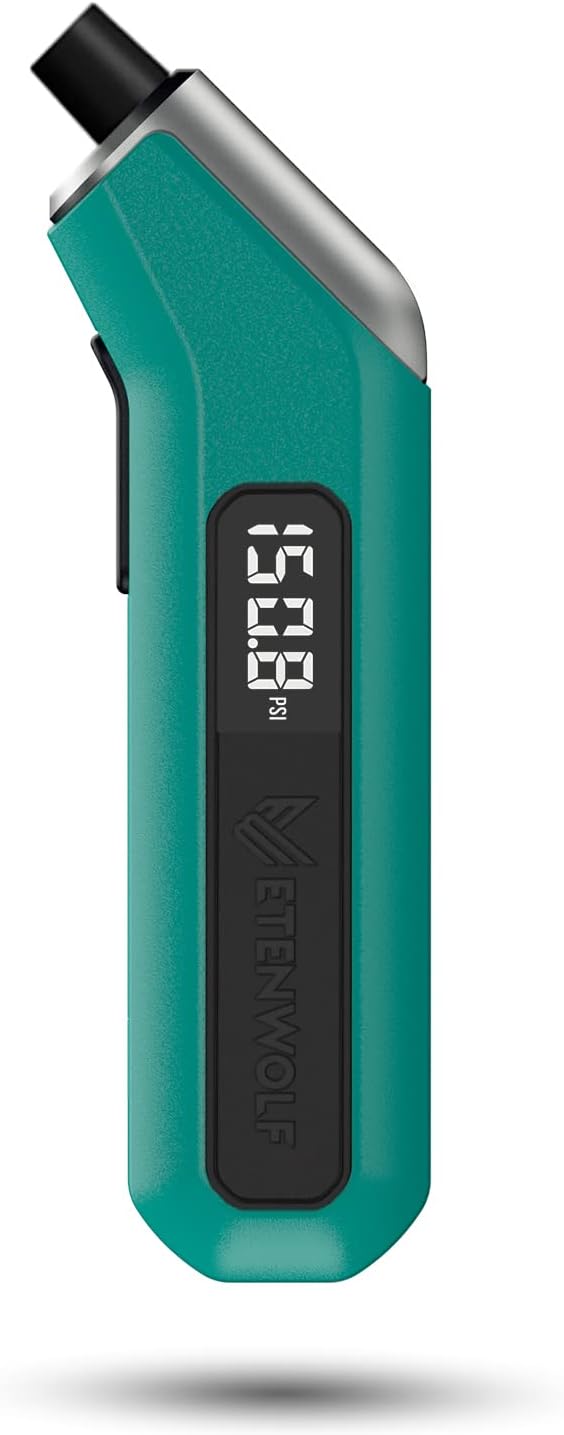
ETENWOLF T300 is a calibrated digital tire pressure gauge designed for reliable readings across low and high pressure ranges. It includes thermal compensation for stable performance in extreme cold or heat, an LED light for visibility, and an auto shut-off to help preserve battery life. Ideal for pickups, RVs, and heavy-duty vehicles, it delivers accurate PSI measurements with sturdy durability.

Vigorder rubber cement glue delivers superior adhesion and cures quickly within about 30 seconds for seamless rubber bonding. Once cured, it helps provide a strong, durable, waterproof seal that holds up to vehicle weight, pressure, and heat. Suitable for cars, motorcycles, trucks, bicycles, and off-road tires, it’s designed for emergency patch and maintenance repairs.

Upgrade your 2024-2026 Tesla Model 3 Highland with REEVAA all-weather mud flaps designed for seamless fit along the original body lines. The set of four delivers strong splash protection against mud, gravel, and road debris while using OEM-grade durable materials. Installation is non-destructive with original hole positions and snap-in clips, and the aerodynamic design helps minimize impact on efficiency.
How to Find the Correct Tire Size for Your Hilux
- Read the tire placard. Check the driver’s door opening, door edge, or nearby body pillar for the original tire size and cold inflation pressure.
- Check the owner’s manual. Confirm whether front and rear pressures change with cargo, towing, or sustained high-speed use.
- Match the wheel diameter. A 17-inch tire cannot be installed on a 16-inch wheel, even when the overall tire diameter appears similar.
- Match or exceed the required load capacity. This is especially important on cab-chassis, commercial, towing, and high-payload models.
- Confirm drivetrain and body style. A 4×2 low-rider, 4×2 Hi-Rider, and 4×4 may use different sizes in the same model year.
- Account for modifications. Aftermarket wheels, suspension lifts, spacers, body lifts, flares, or brake upgrades can change what fits.
The NHTSA TireWise guidance recommends using the vehicle manufacturer’s cold inflation pressure shown on the tire information label or in the owner’s manual. The pressure molded on a tire sidewall is not the normal vehicle recommendation.
How to Read a Hilux Tire Size
Using 265/65R17 as an example:
- 265 is the nominal tire width in millimeters.
- 65 is the sidewall height expressed as a percentage of the width.
- R means radial construction.
- 17 is the wheel diameter in inches.
Also check the service description after the size. The load index must support the vehicle’s axle and payload requirements, while the speed rating must be suitable for the vehicle and local rules. Commercial markings such as C or light-truck specifications may indicate a construction and load range intended for heavier service.
What Changes When You Fit Larger Tires?
A larger overall diameter travels farther per wheel revolution. That can make the speedometer read lower than the actual road speed, reduce effective gearing, soften acceleration, and alter automatic-transmission behavior. Extra width or a different wheel offset can also cause contact with the body, suspension, brakes, or mud flaps.
Before fitting an upsized tire, check:
- clearance at full steering lock in both directions;
- clearance through full suspension compression and articulation;
- wheel width, offset, center bore, stud pattern, and brake clearance;
- load index, speed rating, and legal tire coverage;
- spare-wheel fitment and whether the spare matches the rolling diameter;
- speedometer, odometer, stability-control, and gearing effects.
Frequently Asked Questions
Why is the Toyota Hilux not sold new in the United States?
The Hilux is not simply banned. Toyota does not generally offer the current Hilux through its US dealer network, and most newer overseas-market examples were not certified to US safety and emissions requirements. NHTSA explains that a nonconforming vehicle under 25 years old normally needs an eligibility determination and a registered importer. Vehicles at least 25 years old may qualify for an age-based federal safety exemption, but EPA, customs, state registration, and duty rules can still apply.
What years do the Toyota Hilux generations cover?
Toyota’s official history lists the first generation as 1968-1972, second 1972-1978, third 1978-1983, fourth 1983-1988, fifth 1988-1997, sixth 1997-2004, seventh 2004-2015, and eighth from 2015. The ninth generation launched in 2026. Exact changeover timing can differ by market and model year.
Can you fit 33-inch tires on a Toyota Hilux?
Some 4×4 Hilux builds can accommodate tires close to 33 inches, but fitment is not universal. It depends on generation, trim, wheel width and offset, suspension height, alignment, body-mount clearance, and local law. A lift kit alone does not guarantee clearance. Test full steering lock and suspension compression, and confirm load rating, gearing, braking, and speedometer effects.
What tire size does my Toyota Hilux take?
Use the tire placard and owner’s manual for your exact year, market, body style, drivetrain, and trim. Do not rely only on the size currently installed because a previous owner may have changed the wheels or tires.
What tire pressure should I use on a Hilux?
Use Toyota’s recommended cold pressure on the vehicle placard or in the owner’s manual. The correct pressure may differ between front and rear tires or change with load. Do not use the maximum sidewall pressure as the normal setting unless the vehicle manufacturer specifically requires it.
Conclusion
Toyota Hilux tire sizes evolved as the truck gained more body styles, 4WD systems, payload classes, comfort features, and premium trims. The major historical shift was from narrow work-focused fitments to a broad range that now includes 17- and 18-inch wheels on the ninth-generation model. For replacement tires, your exact placard and model specification always take priority over a generation-wide chart.
Sources
- Toyota Motor Corporation: Hilux evolution from the first through eighth generations – generation dates, chassis history, and first-generation payload.
- Toyota Motor Corporation: 1983 Hilux full-model-change release – confirms that the Hilux 4WD was added in 1979.
- Toyota UK Media: seventh-generation Hilux technical specifications – official wheel and tire examples for selected UK grades.
- Toyota Australia: 2020 Hilux specifications – official eighth-generation wheel and tire examples.
- Toyota UK: all-new ninth-generation Hilux range – current 2026 generation, powertrains, and wheel options.
- NHTSA TireWise and NHTSA importation FAQs – tire-pressure guidance and US import rules.
[Products Worth Considering]
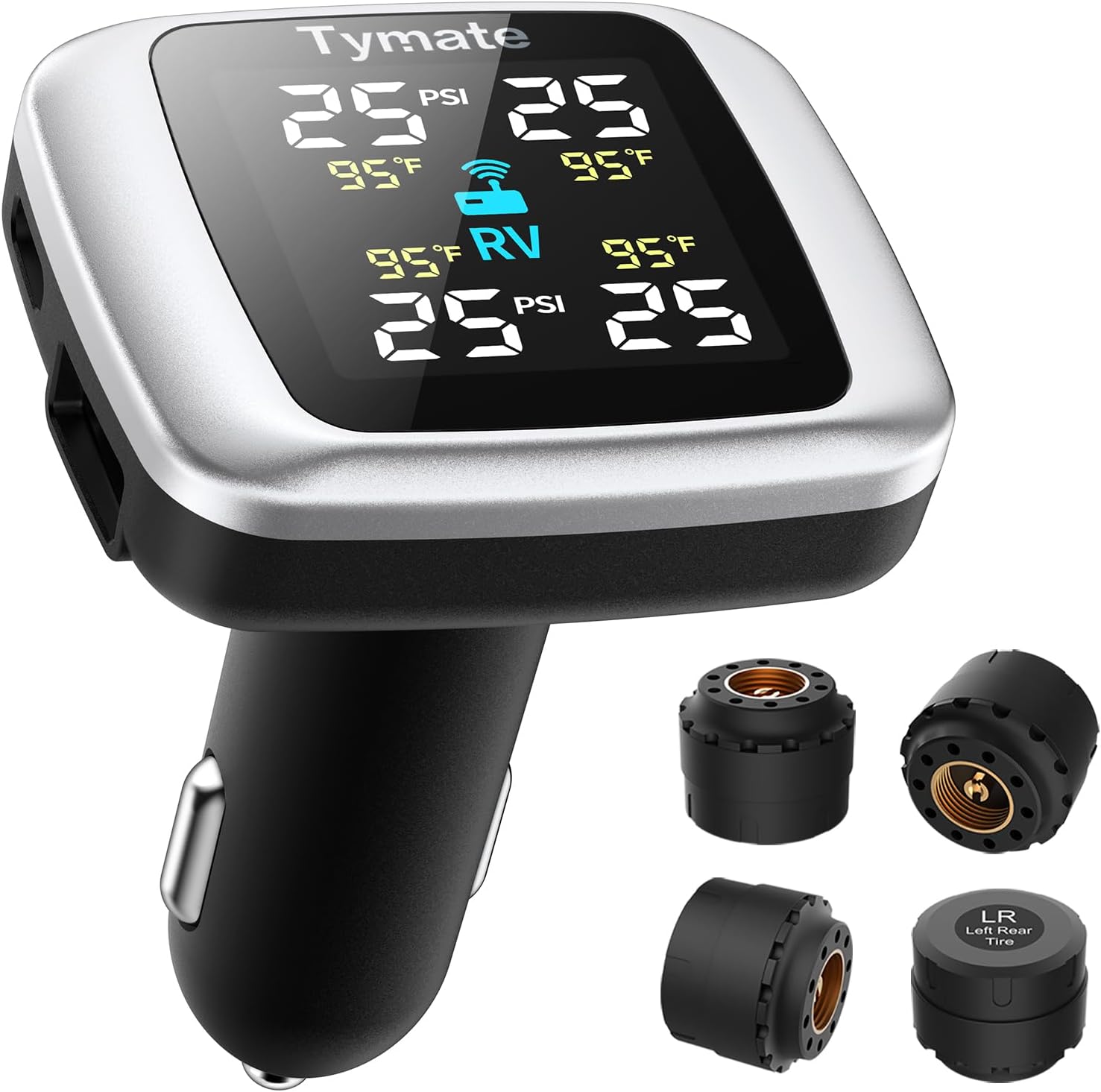
Tymate TM7 is a wireless tire pressure monitoring system that delivers real-time pressure and temperature readings for safer driving. It includes four external sensors, a bright color LCD display with adjustable backlight, and six alarm modes for high/low pressure, fast leakage, high temperature, and sensor signal or battery issues. The system covers a wide 0–144 PSI range and plugs into your vehicle’s cigarette lighter socket for quick DIY setup.

Upgrade your Toyota tire setup with these corrosion-resistant, leak-proof valve stem caps designed to help protect the valve core from water, snow, and road grime. The caps feature a snug rubber seal and durable copper alloy construction to resist rust and oxidation while maintaining stable tire pressure. Ideal for replacing worn original caps and keeping your wheels looking clean and stylish.

This 3-piece wheel brush set makes it easy to clean wheels and tires with soft, scratch-free brushes designed for lifting brake dust and grime. The flexible rim brush bends up to 360 degrees to reach hard-to-access areas for a thorough clean, while the comfortable grip helps control during detailing. A dedicated detailing brush supports gentle cleaning for sensitive surfaces, including interior use.

Related Articles
Toyota Hilux Run-Flat Tires: What You Need to Know
Take control of your safety with Toyota Hilux run-flat tires; discover their benefits and hidden costs that could change your driving experience forever.
Read More
Effects of Underinflated Tires on the Toyota Hilux
Inadequate tire pressure in your Toyota Hilux can lead to serious safety issues and costly repairs; discover how to avoid these pitfalls.
Read More
The Risks of Overinflating Toyota Hilux Tires
Overinflating your Toyota Hilux tires can lead to dangerous blowouts and uneven wear, but understanding the risks is crucial for your safety.
Read More