
Toyota Hilux Tire Keeps Going Flat: Common Causes
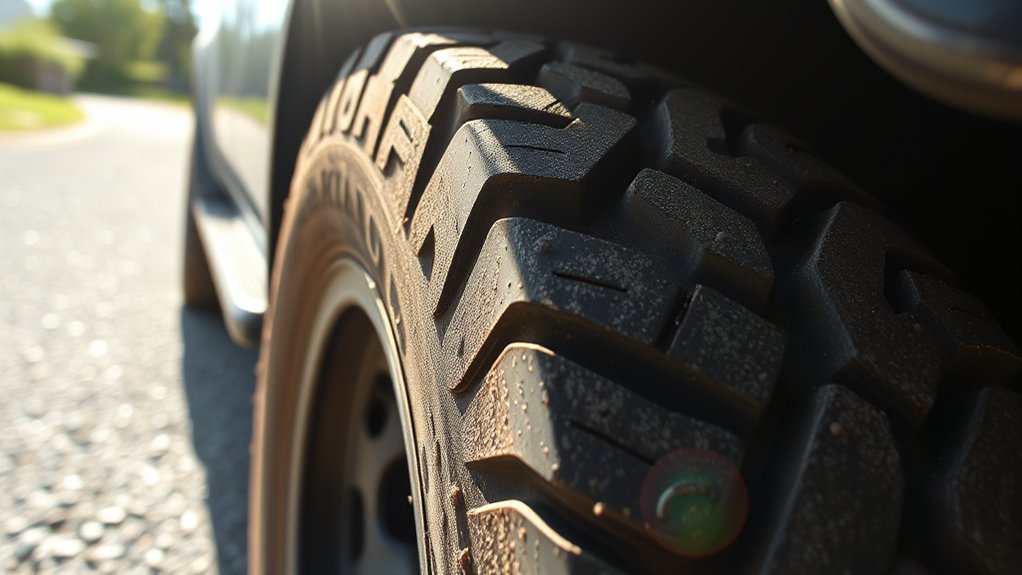
If your Toyota Hilux tire keeps going flat, several common causes could be at play. Punctures from sharp objects, damaged valve stems, or improper tire pressure might be to blame. Temperature changes can also drop tire pressure, leading to flats. Keep an eye on the tire bead area for leaks, as this can contribute to air loss too. Regular maintenance is key to preventing these issues. Discover more tips to keep your tires in top shape!
Understanding Common Causes of Flat Tires
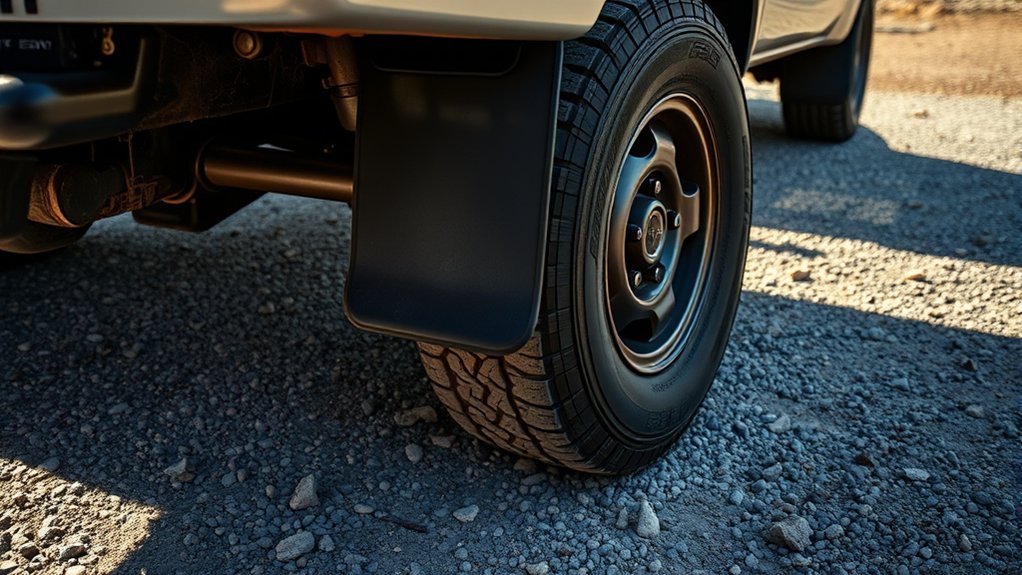
Flat tires can be a real hassle, but understanding their common causes can help you avoid the frustration. One major culprit is tire punctures from sharp objects like nails or glass, which compromise your tire’s integrity and lead to air loss. It’s crucial to keep an eye out for these hazards, especially when driving in urban areas.
Temperature effects also play a significant role. For every 10°F drop, your tire pressure can decrease by about 1 PSI, potentially triggering low tire pressure alerts. This drop can leave you vulnerable to flats if not monitored. Additionally, valve stem damage—often from corrosion or dirt buildup—can create air leaks. Tire bead leaks, where the tire meets the rim, may result in slow air loss and can be detected with a simple soapy water test. Regular maintenance helps combat these issues, ensuring your tires stay in top shape.
How to Maintain Proper Tire Pressure to Prevent Flats
To prevent unexpected tire flats, maintaining proper tire pressure is crucial for your vehicle’s performance and safety. Here are three simple tire inflation techniques you can follow:
- Check Monthly: Regularly monitor your tire pressure at least once a month. Remember, it can change by 1 PSI for every 10°F temperature fluctuation.
- Use a Good Gauge: Invest in a reliable pressure monitoring system. Accurate readings help guarantee your tires are inflated to the recommended levels, preventing uneven wear and increasing resistance to punctures.
- Rotate Tires: Every 5,000 miles, rotate your tires. This promotes even wear and helps maintain ideal pressure across all tires, further reducing the risk of flats.
How to Spot Valve Stem Problems?
To spot valve stem problems, start by checking for signs of air loss like a slow tire deflation. Regularly inspect the valve stems for dirt, cracks, or wear, and verify they’re clean and secure. Using a tire pressure gauge and applying soapy water can help you identify any leaks needing attention.
Signs of Air Loss
When you notice a hissing sound while inflating your tire or see a steady drop in tire pressure, it’s time to contemplate potential valve stem problems. Here are some signs of air loss to watch for:
- Consistent Pressure Drops: If your tire pressure drops regularly without visible damage, the valve stem might be leaking.
- Bubbles in Soapy Water: A simple soapy water test can reveal valve damage; bubbles forming around the valve indicate air escaping.
- Dirt and Debris Buildup: Regularly check for dirt around the valve stem, as buildup can prevent a proper seal and lead to air loss.
Addressing these signs promptly can help keep your Toyota Hilux running smoothly and free from frustrating flats.
Visual Inspection Techniques
Identifying valve stem problems early can save you from unexpected flat tires. Start with a thorough valve stem inspection. Look for visible cracks or corrosion, as these can lead to air leaks. Check for dirt or debris that could prevent a proper seal, causing air loss. Be on the lookout for cuts or bends, which signal that the valve stem might need replacement. To detect leaks, apply a simple soapy water solution; if you see bubbles forming, air is escaping. Also, verify the valve cap is secure and undamaged. A missing or broken cap exposes the valve stem to contaminants, further risking your tire pressure monitoring efforts. Keep your tires healthy by being proactive!
Routine Maintenance Checks
Regular maintenance checks are essential for confirming your valve stems remain in top condition, preventing unexpected tire issues. Here are three key steps to spot valve stem problems:
- Inspect for Damage: Regularly check for visible signs like cracks or corrosion that can cause air leaks.
- Check the Valve Cap: Verify it’s securely in place to protect the valve stem from dirt and debris that may lead to blockages.
- Monitor Tire Pressure: Use a tire pressure gauge frequently; significant drops might indicate valve stem issues needing immediate attention.
Detecting Tire Bead Leaks Easily
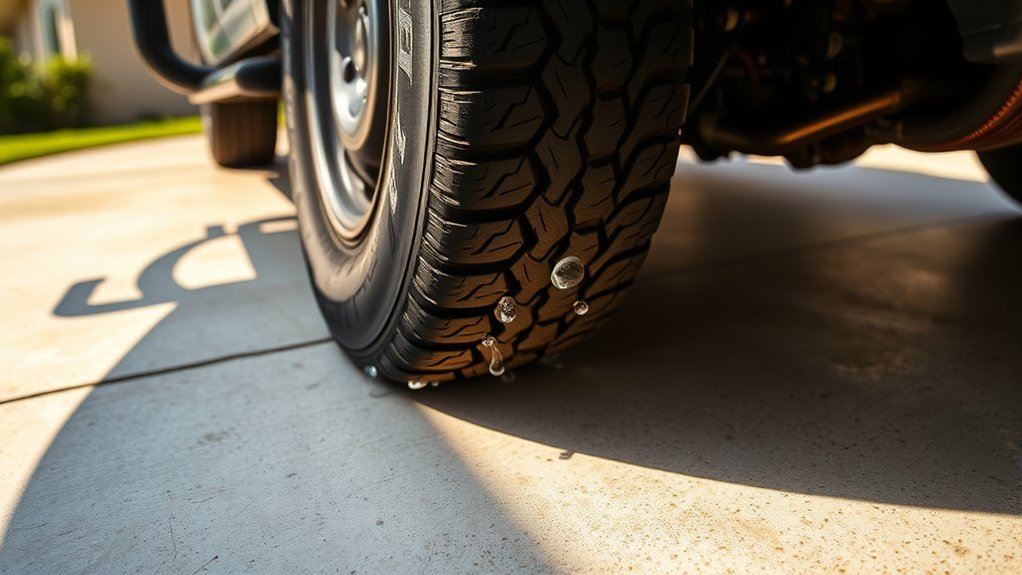
How can you easily spot a tire bead leak before it leads to a flat? Start by inspecting the tire’s bead area, where it meets the rim. A simple method is to apply soapy water to this region. If there’s a leak, you’ll see bubbles forming, signaling a compromised bead seal. Regularly checking this area can help you catch issues early, preventing unexpected air loss and costly repairs.
Maintaining proper tire pressure is essential, too. When your tires are inflated correctly, they fit snugly against the rim, reducing the risk of bead leaks. If you do find a leak, don’t worry—repairing it is often straightforward and can be handled by a professional at a tire shop. By staying vigilant and proactive, you can keep your Toyota Hilux rolling smoothly and avoid frustrating flat tires.
Flat Tire Risks From Common Road Hazards
Even with careful checks for tire bead leaks, road hazards can pose a significant threat to your tires. Common road debris—like nails, glass, and potholes—can quickly turn a smooth ride into a frustrating experience. You need to stay vigilant while driving to avoid these dangers. Here are three key tips to enhance your situational awareness:
- Scan the Road: Keep an eye on the surface ahead and avoid any visible debris or potholes.
- Maintain Tire Pressure: Properly inflated tires are less prone to damage from sharp objects and rough roads.
- Regular Vehicle Checks: Routine inspections can help catch potential issues before they escalate.
Ignoring these risks can lead to flat tires and costly repairs. By being proactive, you can protect your tires and enjoy a safer, smoother driving experience.
Why Regular Tire Maintenance Matters
Regular tire maintenance isn’t just a good idea; it’s essential for keeping your Hilux running smoothly. By checking tire pressure monthly, rotating tires every 5,000 miles, and visually inspecting them for wear, you can prevent flats and enhance performance. These simple steps can save you time, money, and guarantee your safety on the road.
Regular Pressure Checks
While you might think tire maintenance isn’t a priority, regular pressure checks are essential for keeping your Toyota Hilux safe and efficient on the road. Monthly checks can prevent underinflation, leading to uneven wear and an increased risk of flats. Here are three key reasons to stay on top of tire pressure:
- Fuel Efficiency: Maintaining the correct tire pressure can greatly improve your fuel economy, saving you money at the pump.
- Tire Longevity: Properly inflated tires last longer, reducing the need for costly replacements.
- Safety: Regular inspections can catch unusual wear or damage early, ensuring you drive with confidence.
Don’t forget to include valve stem checks in your maintenance reminders for a tight seal and peak performance!
Routine Tire Rotations
Keeping your tires in top shape goes beyond just monitoring pressure; routine tire rotations play a vital role in maintaining your Toyota Hilux’s performance and safety. By rotating your tires every 5,000 miles, you guarantee even wear, which enhances tire longevity and improves handling. Uneven tire wear can compromise traction, making regular rotations essential for safe driving. Plus, frequent rotations help catch potential issues early, like alignment problems or tire damage, saving you from costly repairs later. Sticking to a rotation frequency also optimizes fuel efficiency since well-aligned, evenly worn tires reduce rolling resistance. Many tire maintenance packages include rotations, offering a cost-effective way to extend tire life and boost your vehicle’s safety on the road.
Visual Inspections Benefits
Visual inspections of your tires offer essential insights that can prevent unexpected flat tires and enhance your safety on the road. Regular checks not only help you spot issues early but also extend the life of your tires. Here are three key benefits:
- Tire Tread Monitoring: Uneven wear can indicate alignment problems, helping you address issues before they worsen.
- Damage Detection: Look for cracks, punctures, or curb rash. Catching these early avoids serious integrity issues and potential blowouts.
- Valve Stem Checks: Inspect for dirt or corrosion to guarantee proper tire pressure and prevent air leaks.
When to Seek Professional Help for Persistent Flats
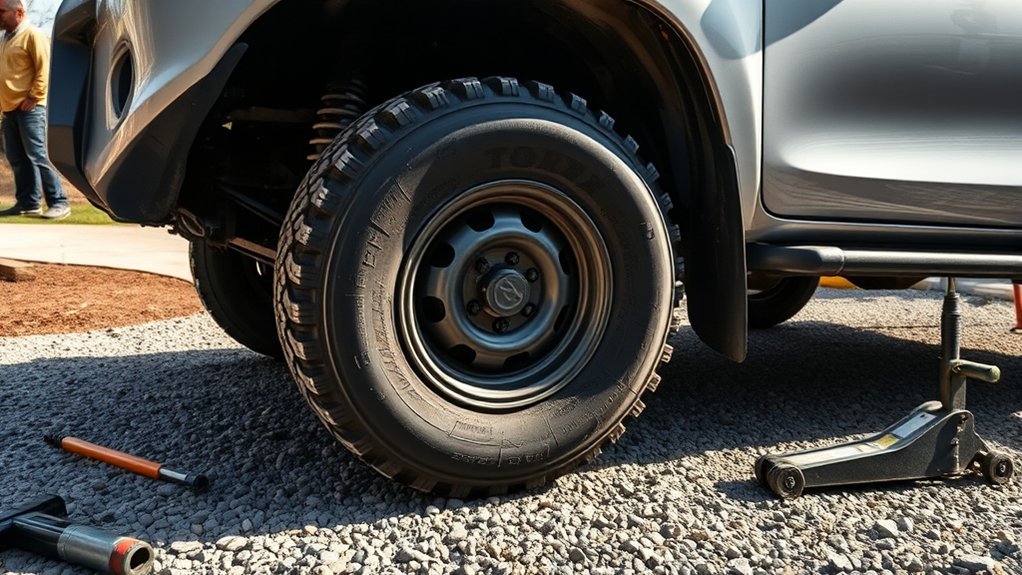
If you’re dealing with repeated flat tires on your Toyota Hilux, it’s important to seek professional help sooner rather than later. Persistent issues may signal underlying problems that aren’t immediately visible, such as valve stem defects or rim integrity issues. Professional technicians possess the expertise and diagnostic techniques to conduct thorough inspections, identifying slow leaks from cracked rims, porous materials, or corrosion—issues you might overlook without specialized tools.
If your tires aren’t seating properly on the rims, this could indicate problems with the tire bead seal. An experienced technician can assess this and recommend necessary repairs. If past garages haven’t performed exhaustive diagnostics, now’s the time to consult a qualified expert to verify all potential causes, including valve and seal integrity, are examined. Regular maintenance checks will also help prevent future flats, making professional evaluations crucial for your tire health.
Frequently Asked Questions
What Can Cause Your Tire to Keep Going Flat?
Your tire keeps going flat due to poor tire maintenance, punctures from road debris, or valve stem damage. Regular checks and prompt puncture repair can help you maintain peak performance and prevent frustrating flat tires.
Why Does My Tire Keep Losing Air if There Is No Leak?
Your tire might lose air due to temperature changes, with pressure dropping about 1 PSI for every 10°F change. Check for damaged valve stems or rim issues affecting air retention, even without visible leaks.
Why Did My Tire Go Flat All of a Sudden When Parked a Few Weeks?
Your tire likely went flat suddenly due to low tire pressure, caused by a leak, temperature changes, or road damage. Regularly check your tires’ condition to avoid sudden deflation and guarantee safer travels.
Conclusion
In the grand adventure of driving your Toyota Hilux, a flat tire can feel like a plot twist straight out of a bad movie! But fear not—by keeping an eye on tire pressure, checking valve stems, and watching out for pesky road hazards, you can avoid this drama. Regular maintenance isn’t just a chore; it’s your superhero cape against flat tires. So gear up, stay proactive, and let those tires roll smoothly into the sunset!

Related Articles
Why Toyota Hilux Tires Blow Out and How to Prevent It
Noticing tire blowouts on your Toyota Hilux? Discover the surprising causes and essential tips to keep your tires safe and secure on the road.
Read More
Toyota Hilux Tire Bulge: Causes and What to Do Next
Discover the causes of tire bulges on your Toyota Hilux and learn what crucial steps to take next before it's too late.
Read More
Why Do Toyota Hilux Tires Make Noise on the Highway
Curious about the noise your Toyota Hilux tires make on the highway? Discover the surprising reasons that could be affecting your ride.
Read More