
Airless Tire Technology Explained: How It Works & Limits
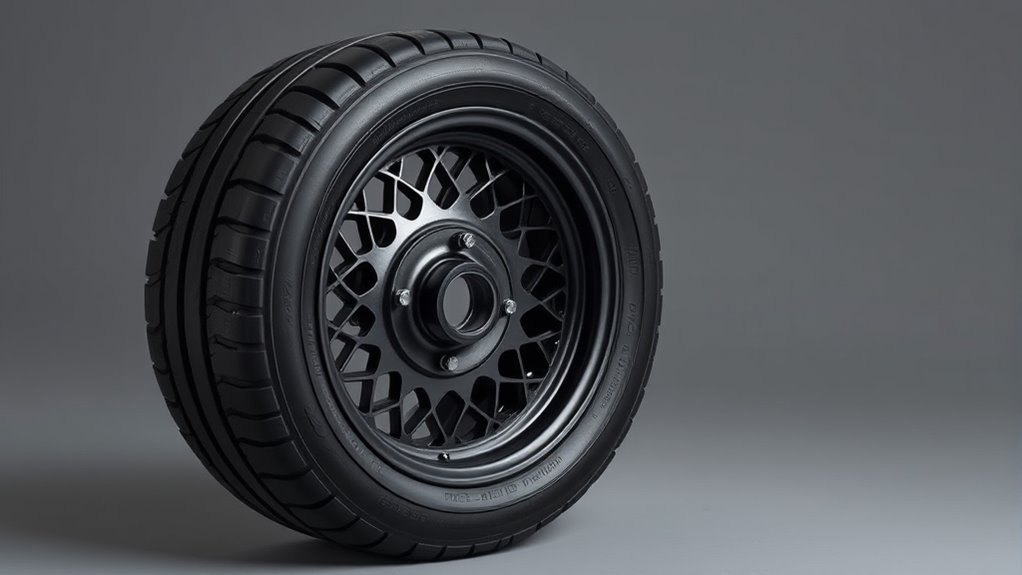
You get load support from engineered tire structures instead of pressurized air. Airless tires—also called non-pneumatic tires—use spokes, honeycomb cells, solid rubber, foam, or other load-bearing materials to carry weight, absorb impacts, and keep the tread in contact with the ground. Their biggest advantage is simple: they cannot go flat from air loss. Their biggest trade-offs are also real: added weight, heat buildup, ride stiffness, limited high-speed use, and higher upfront cost.
Quick Answer
Airless tires work by replacing compressed air with a structural support system, such as flexible spokes, honeycomb cells, or solid elastomer. They are best for low-speed, high-puncture, maintenance-sensitive jobs—like mowing, construction, utility fleets, golf carts, and some off-road uses—not yet for most everyday passenger cars.
Key Takeaways
- Airless tires eliminate flats caused by punctures, bead leaks, valve-stem leaks, and pressure loss.
- Spoke and honeycomb designs can tune stiffness and shock absorption better than solid tires, but they still ride differently from pneumatic tires.
- The main drawbacks are higher upfront cost, extra weight, heat management, vibration, limited fitment, and limited high-speed availability.
- They make the most sense where downtime is expensive and punctures are common.
- For passenger cars, airless technology is still mostly in prototype, pilot, or limited fleet use rather than broad retail availability.
How Airless Tires Work: Core Designs and Materials
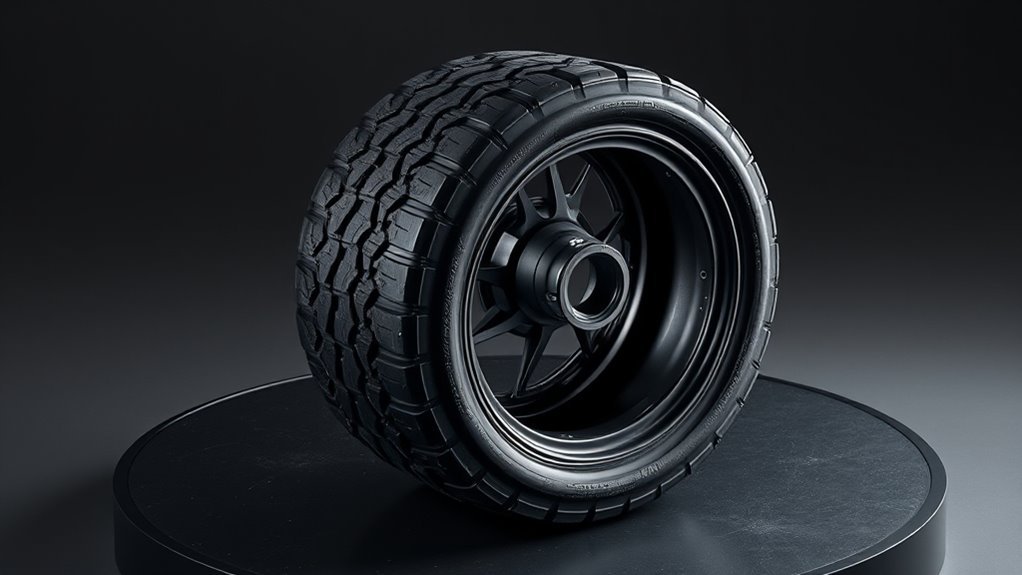
Traditional pneumatic tires use compressed air as the spring that supports the vehicle. Airless tires replace that air chamber with a physical structure. Depending on the design, that structure may be a rigid hub, flexible polymer spokes, a honeycomb web, a foam fill, or a solid rubber body. The tread still grips the road or ground surface, but the tire’s internal structure carries the load.
In a spoke-style design, the hub connects to the tread band through flexible spokes. Those spokes bend under load, spring back after impact, and help distribute weight around the tire. Michelin’s Tweel, for example, is a single tire-and-wheel assembly with poly-resin spokes and no air pressure to maintain.
In a honeycomb design, a network of cells spreads load across many small walls. The cell shape, wall thickness, and material determine how soft, stiff, durable, or heat-resistant the tire feels. Bridgestone’s Air Free concept uses resin spokes to support vehicle weight without inflation.
Materials vary by application, but most modern airless tires use combinations of rubber tread compounds, polyurethane or other elastomers, reinforced polymers, composite materials, and integrated wheel structures. The design goal is to balance puncture resistance, ride comfort, traction, heat control, wear life, and manufacturability.
Note: “Airless” does not mean “maintenance-free.” You no longer check air pressure, but you still need to inspect tread wear, cuts, damaged spokes, embedded debris, loose hardware, alignment issues, and load limits.
[Products Worth Considering]

Upgrade your garden cart, wagon, trolley, or hand truck with solid puncture-guarded tires that help prevent flats for worry-free pushing. Textured tread improves stability, grip, and shock absorption for smoother, safer travel over outdoor surfaces. Built with strong polyurethane and durable bearing components for long-lasting performance and confident handling.

Monitor tire tread wear with a smart, color-coded depth gauge that shows clear condition ranges at a glance. The bar is range marked for fast, easy readings, helping you maintain safer traction and performance. Each gauge is portable with a pocket clip, and the set includes 20 units for daily use and sharing.

LiQuiTube Premium Heavy Duty Tire Sealant provides permanent flat tire protection to help maintain proper air pressure while sealing punctures and leaks. It seals bead, rim, and porosity weathering leaks and helps prevent flats in heavy ply industrial tires. Designed for versatile use on trailers and off-road equipment, it can be installed in tubeless tires and also inside tubes.
Non-Pneumatic Tire Types: Spokes, Honeycomb, Solid, and Foam
Not all airless tires work the same way. A soft foam-filled wheel for a small cart is very different from a structural spoke tire used on a mower or skid steer. The best design depends on speed, load, terrain, comfort needs, and how expensive downtime is.
Spoke-Design Airless Tires
Spoke-design airless tires use a pattern of flexible spokes between the hub and tread. These spokes carry load while allowing controlled deflection, which helps the tire absorb bumps better than a fully solid tire. The geometry can be tuned for vertical stiffness, cornering stiffness, load capacity, and tread contact.
The advantages are clear: no air pressure checks, no puncture flats, no bead leaks, and fewer emergency service interruptions. That makes spoke-style tires especially useful for commercial mowing, skid steers, utility vehicles, and jobs where sharp debris is common.
The trade-off is that the exposed structure can collect mud, stones, or debris in some environments, and the tire may feel firmer or transmit different vibration than a pneumatic tire. It also requires the correct wheel/hub fitment, load rating, and approved application.
Honeycomb and Cellular Airless Tires
Honeycomb and cellular airless tires use a web of repeated cells to distribute weight. The cell pattern spreads forces through the structure, while the open spaces allow controlled flex. Compared with solid tires, honeycomb designs can reduce weight and improve shock absorption.
The main benefit is tunable compliance. Engineers can change the cell shape, wall thickness, material, and density to make one zone stiffer and another more flexible. That helps balance durability with ride quality.
The downsides are complexity, cost, and debris exposure. Open-cell structures may be harder to clean in mud, gravel, snow, or demolition waste. They also need careful testing for fatigue because repeated flexing can eventually damage polymer walls or spoke junctions.
Solid Tires
Solid tires are the simplest airless option. They are usually made from solid rubber or dense elastomer and are common on forklifts, industrial carts, compact equipment, and slow-moving work vehicles. Their strength is maximum puncture resistance and long service life under harsh conditions.
Their weakness is comfort. Solid tires have limited cushioning, so they can transmit more shock into the machine, operator, cargo, and suspension. They also add unsprung weight, which can affect handling and component wear.
Foam-Filled and Semi-Solid Tires
Foam-filled tires are pneumatic tire casings filled with resilient foam instead of air. They resist flats better than air-filled tires while keeping the familiar tire shape. Semi-solid tires use rubber or polymer structures with voids or chambers to reduce weight and improve compliance.
These designs are common on wheelbarrows, small carts, lawn equipment, mobility equipment, and some industrial uses. They are usually lower-speed solutions, not replacements for highway passenger-car tires.
Performance Trade-Offs of Airless Tires: Durability, Rolling Resistance, Heat, and Comfort
Airless tires solve the flat-tire problem, but they do not remove every engineering problem. The structure that replaces air must flex thousands or millions of times, carry load, resist impact, shed heat, and keep the tread stable. That is why airless tires work well in some jobs and remain challenging in others.
Durability Versus Weight
The biggest advantage is durability against punctures. Nails, thorns, scrap metal, and sharp stones cannot release air because there is no air chamber to lose. That can reduce downtime, especially for equipment operating in construction zones, waste sites, landscaping routes, farms, and industrial yards.
However, added structure can increase weight. More unsprung mass can make a vehicle feel less responsive, increase stress on suspension parts, and affect braking or steering feel. On low-speed equipment, that may be acceptable. On a highway vehicle, small changes in weight, stiffness, heat, and vibration matter much more.
Rolling Resistance and Efficiency
Rolling resistance is the energy lost as a tire deforms and recovers while rolling. With airless tires, the spoke or cellular structure repeatedly flexes, which can create heat and energy loss. Research on non-pneumatic tire design focuses heavily on reducing rolling resistance and managing temperature because those factors affect range, fuel economy, and durability.
This is especially important for electric vehicles. A tire that uses more energy per mile can reduce driving range. For fleets, the best way to judge the trade-off is not by marketing claims; it is by testing energy use, tire life, downtime, and operator comfort in the exact duty cycle.
Heat and Comfort
Heat is one of the toughest problems for airless tire engineers. Pneumatic tires also heat up during use, but airless tires rely on material choice and geometry rather than an air chamber to manage repeated flexing. At higher speeds or heavy loads, heat can accelerate fatigue, reduce material life, and change stiffness.
Ride comfort is the other major trade-off. Air acts like a cushion in a traditional tire. Without that cushion, an airless tire must create comfort through spokes, cells, rubber compounds, and suspension tuning. Some modern airless products ride well for their intended use, but they may still feel firmer, louder, or more vibration-prone than a comparable pneumatic tire.
Warning: Do not install an airless tire just because the size looks close. Use only fitments approved for your machine, axle load, speed, terrain, and wheel/hub pattern. A tire designed for a mower or compact utility vehicle is not automatically safe for road use.
Which Vehicles and Jobs Benefit Most From Airless Tires?
Airless tires are most useful when flats are frequent, downtime is expensive, speeds are modest, and ride comfort is less important than uptime. They are not a universal upgrade; they are a targeted tool.
Best Applications
- Commercial mowing: Airless turf tires can reduce downtime from thorns, nails, valve leaks, and unseated beads while keeping mowing height more consistent.
- Construction and demolition sites: Skid steers, loaders, carts, and utility equipment often operate around sharp debris that can destroy pneumatic tires.
- Industrial and warehouse equipment: Forklifts and material-handling vehicles often prioritize durability and load capacity over soft ride quality.
- Golf carts and campus fleets: Low-speed vehicles benefit from fewer pressure checks and fewer service calls.
- Utility and municipal fleets: Parks, maintenance, landscaping, and facilities teams can gain uptime when vehicles run fixed routes in debris-prone areas.
- Bike-share and scooter-share systems: Solid or semi-solid tires can reduce fleet maintenance, although they may reduce comfort and traction on rough surfaces.
Applications Where You Should Be Cautious
- Highway passenger cars: Most consumer passenger-car airless tires are not broadly available at retail, and high-speed ride, noise, heat, and regulatory requirements remain difficult.
- Performance driving: Sports cars need precise grip, heat behavior, sidewall response, and ride tuning that airless designs have not widely matched in consumer form.
- Long-distance EV use: Any added rolling resistance or weight can affect range, so real-world energy testing matters.
- Very muddy or rocky work: Open spoke or honeycomb designs may trap debris unless the tire is designed and tested for that environment.
Airless tires are not “better” in every category. They are best when the cost of a flat tire is higher than the cost of a firmer, heavier, more specialized tire.
Costs, Maintenance, and Fleet ROI: Calculating Payback
Airless tires usually cost more upfront than standard pneumatic tires. The payback comes from fewer flats, less pressure maintenance, fewer service calls, less spare-tire inventory, and more predictable uptime. For a fleet, the right question is not “Are airless tires expensive?” The right question is “Do they lower total operating cost for this job?”
[Products Worth Considering]

The Big Rig Defense Tire Thumper is a truck tire pressure checker that lets you quickly check multiple tires by giving them a firm whack. Listen for a reassuring thump and feel the stick bounce when a tire is fully inflated, helping you get back on the road safely. It features a comfortable, glove-friendly handle and a secure wrist strap for confident use on busy routes.
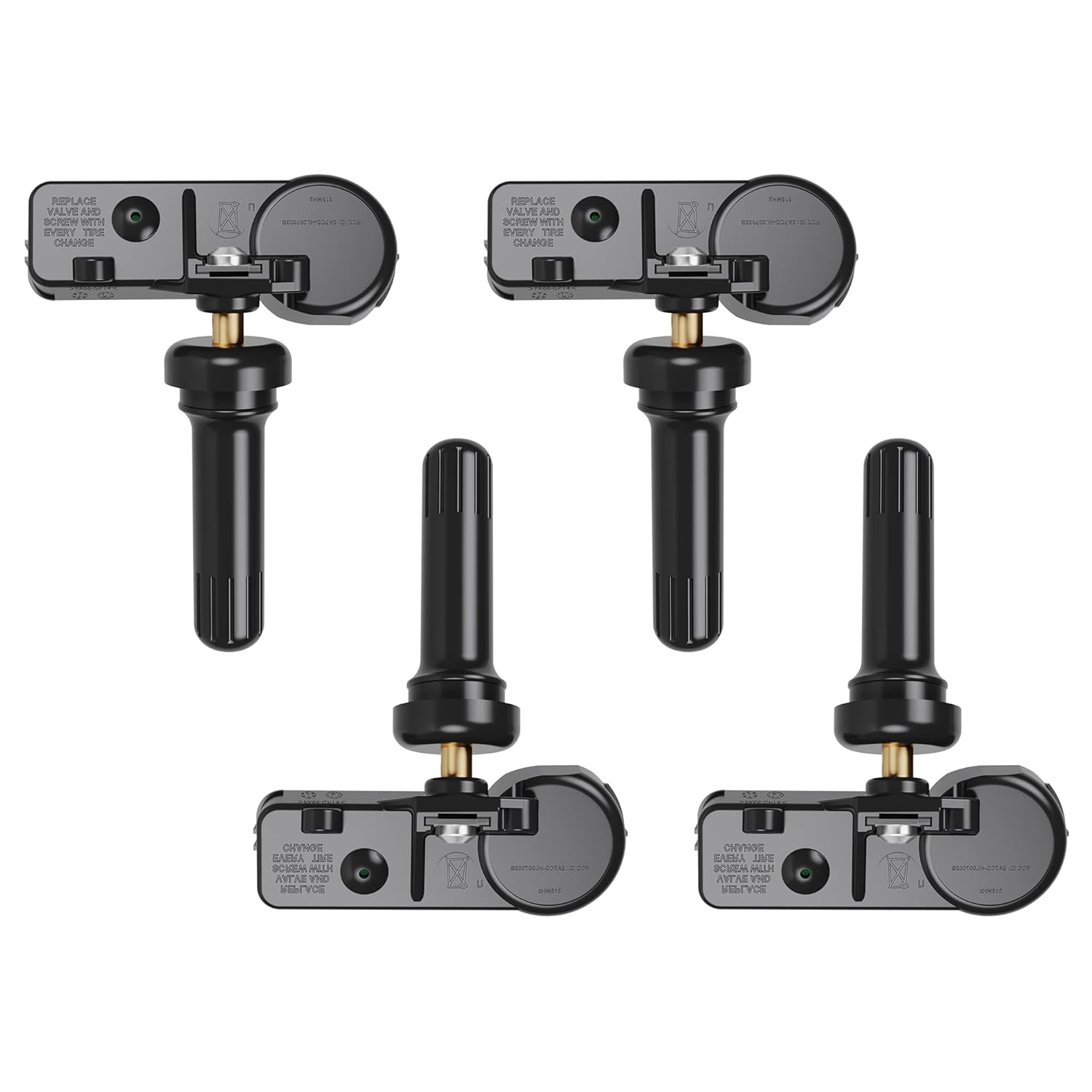
Replace worn or faulty TPMS sensors with this brand new 315MHz GM-compatible replacement set for select Chevy, GMC, Buick, Cadillac, and similar vehicles. These sensors are pre-programmed for your make/model/year and typically only require activation with a scan tool. Built for long service life with a high-temperature battery, they help maintain reliable tire pressure monitoring for safer driving.
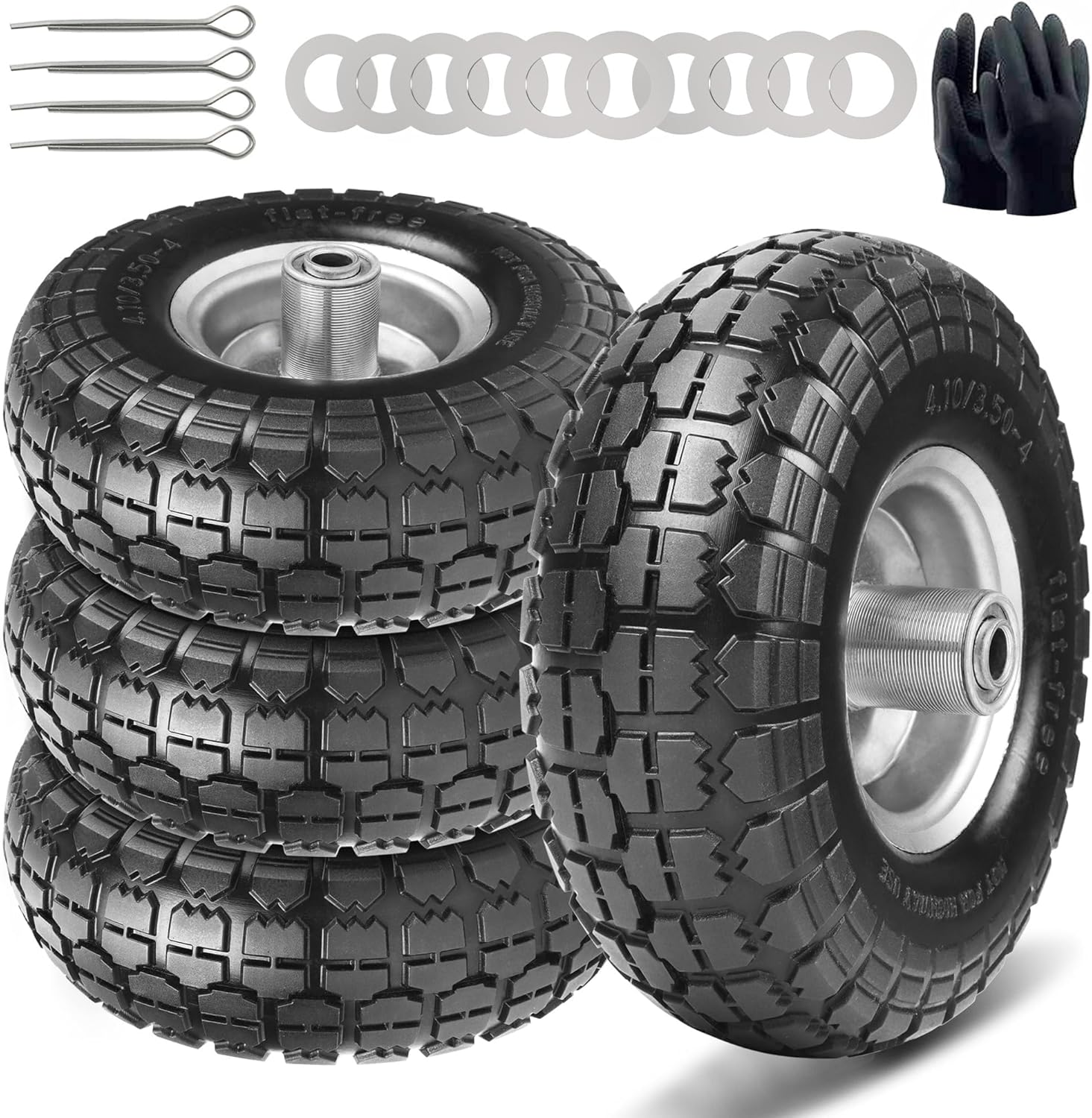
Upgrade your hand truck, garden cart, or yard wagon with flat-free solid rubber tires that eliminate blowouts and maintenance. The serrated tread delivers excellent traction and stable rolling, while double sealed bearings help keep movement smooth on many terrains. Heavy-duty steel rims and 200kg max load support durable performance for demanding outdoor use.
What to Include in Your ROI Model
- Initial purchase price: Compare the full installed cost, including wheel assemblies or hub-specific hardware.
- Expected service life: Track tread wear, structural damage, and replacement intervals under your real operating conditions.
- Flat-tire history: Count punctures, bead leaks, valve failures, sidewall cuts, and emergency repairs per vehicle per year.
- Downtime cost: Estimate lost labor, lost revenue, missed route time, rental replacements, and towing or mobile service fees.
- Maintenance labor: Include pressure checks, tire swaps, repairs, mounting, disposal, and inventory management.
- Energy or fuel effect: Measure whether rolling resistance changes fuel use, battery range, or operating hours.
- Operator feedback: Record comfort, vibration, traction, steering feel, and fatigue.
Pro Tip: Pilot airless tires on your highest-puncture vehicles first. If they do not pay back there, they are unlikely to pay back on easier routes.
Simple Payback Formula
Use this simple starting point:
Payback period = Extra upfront cost ÷ Annual savings from avoided repairs, downtime, labor, and spare inventory
For example, if airless tires cost $900 more per machine but save $450 per year in service calls, repairs, and downtime, the simple payback is about two years. That does not include fuel or battery effects, operator comfort, resale value, or productivity gains, so treat it as a first-pass estimate rather than a full financial model.
Limits, Availability, and Checklist: When to Adopt Airless Tires and When to Wait
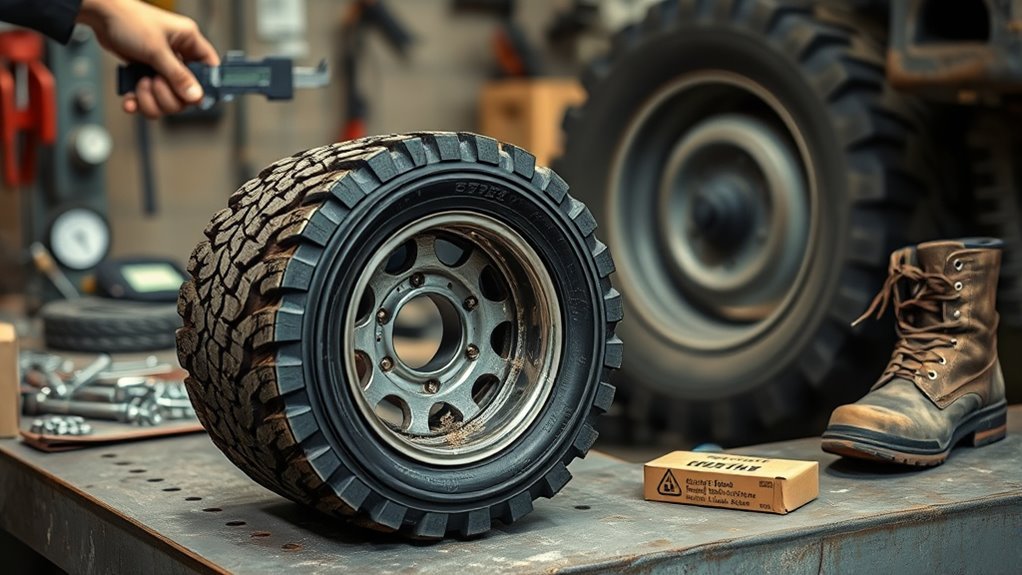
Current availability is strongest in commercial, industrial, turf, utility, and low-speed equipment categories. Michelin X Tweel products are available for select equipment applications, while Michelin Uptis is a passenger-vehicle airless prototype and fleet-focused technology rather than a widely available retail tire for most drivers.
That difference matters. A tire that works well on a zero-turn mower or skid steer does not automatically meet the speed, noise, comfort, handling, heat, and regulatory needs of a family car. Passenger-car tires also interact with safety systems, suspension tuning, tire pressure monitoring rules, and original-equipment specifications.
Adopt Airless Tires When
- Your vehicles operate at low or moderate speeds.
- Punctures, bead leaks, or pressure loss are common.
- Downtime is expensive or disruptive.
- Ride comfort is less important than uptime.
- The tire is approved for your exact machine and load rating.
- You can test a small group before buying fleetwide.
Wait Before Adopting When
- You need highway passenger-car use and no approved retail fitment exists.
- Comfort, road noise, and handling are top priorities.
- Your work involves sustained high speed or heavy heat buildup.
- Your terrain may pack debris into open spokes or cells.
- You cannot confirm load rating, hub compatibility, or manufacturer support.
- The payback depends on optimistic savings rather than actual downtime data.
Pre-Purchase Checklist
- Confirm the tire is approved for your vehicle, wheel/hub, axle load, and speed.
- Compare total installed cost, not just tire price.
- Ask about warranty coverage for spoke damage, tread wear, and structural fatigue.
- Check whether the tire can be repaired, retreaded, or must be replaced as a full assembly.
- Test traction on your real surface: turf, concrete, gravel, mud, debris, or pavement.
- Record operator feedback after a full workday, not just a short demo.
- Measure fuel use, battery draw, or route completion time before and after the pilot.
- Inspect cleaning needs if the tire has open spokes or cells.
Frequently Asked Questions
What are the downsides of airless tires?
The main downsides are higher upfront cost, added weight, firmer ride, different vibration behavior, possible debris buildup in open structures, limited fitment, and heat management at higher speeds or heavy loads. They also still need inspection for tread wear and structural damage.
Why haven’t airless tires taken off for normal cars?
Passenger cars require a difficult mix of comfort, quietness, high-speed durability, heat control, braking, handling, cost, regulatory compliance, and broad fitment. Airless tires are already useful in lower-speed equipment, but everyday highway use is harder to perfect and scale.
Are airless tires completely maintenance-free?
No. They remove air-pressure maintenance, but they still need regular inspection. Check tread depth, uneven wear, cuts, damaged spokes or cells, trapped debris, loose mounting hardware, alignment problems, and signs of overheating or cracking.
Can airless tires be used on electric vehicles?
They can be designed for EV use, and passenger-vehicle prototypes such as Michelin Uptis have targeted EV and fleet applications. The challenge is that EV range is sensitive to rolling resistance, weight, noise, and heat, so real-world testing matters before adoption.
Do airless tires ride like regular pneumatic tires?
Not exactly. Some advanced spoke designs are engineered to mimic pneumatic ride behavior, but compressed air is still an efficient cushion. Many airless tires feel firmer or transmit different vibration, especially on rough surfaces.
Are airless tires safer than regular tires?
They can be safer in one important way: they eliminate flats and blowouts caused by air loss. However, overall safety still depends on correct fitment, load rating, speed rating, tread condition, traction, heat control, and manufacturer-approved use.
Conclusion
Airless tires are most valuable when uptime matters more than plush ride quality. They can eliminate puncture flats, reduce pressure-related maintenance, and keep equipment moving in harsh environments. That makes them a strong fit for commercial mowing, construction, industrial equipment, utility fleets, golf carts, and some low-speed off-road jobs.
They are not magic, though. Added weight, heat buildup, rolling resistance, vibration, cost, and limited fitment still matter. For personal highway vehicles, airless tires remain more of an emerging technology than a mainstream replacement. For fleets, the smart move is to pilot them on the worst puncture routes, track real downtime savings, measure operator comfort, and expand only when the numbers prove the case.
Sources
- Michelin — Tweel Airless Tires — supports airless tire structure, pressure-free maintenance, and commercial-use context.
- Michelin X Tweel product family — supports single tire-and-wheel assembly details and current equipment-focused availability.
- Michelin Uptis — supports passenger-vehicle prototype and puncture-proof airless wheel/tire assembly claims.
- Bridgestone Air Free Concept — supports resin-spoke non-pneumatic tire technology and air-free design explanation.
- NHTSA TireWise — supports conventional tire pressure, inspection, load, and tire-safety context.
- Materials review of non-pneumatic tire properties — supports discussion of mechanical properties, applications, stiffness, and design trade-offs.
[Products Worth Considering]

Replace worn wheelchair rear tires with a universal 24x1 no-flat polyurethane foam option designed to mount tightly on 24-inch rims without the tire falling off. Installation is made easier with included tools and multiple methods, including using a pry bar or softening the tire in hot water to reduce resistance. The package includes two tires plus tie ropes for convenient fitting and handling.
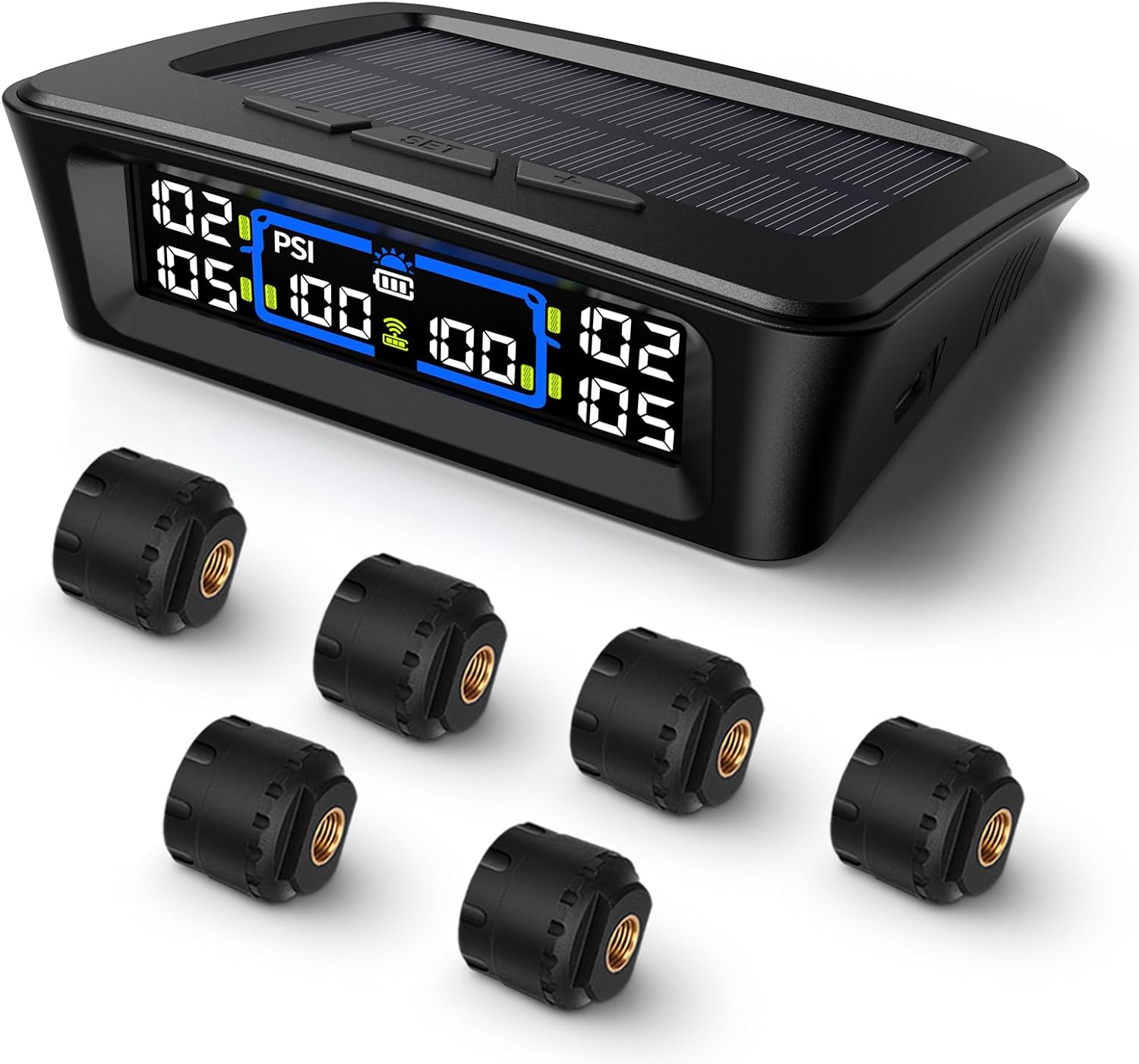
The Tymate TM12 RV TPMS delivers real-time tire pressure and temperature monitoring with a stable 433Hz display for safer long-distance driving. It supports simultaneous monitoring across vehicle and trailer zones, includes six alarm modes for pressure, temperature, leakage, battery, and signal loss, and features easy DIY installation with auto calibration. Power is supplied via USB-C charging or solar recharging, with a wide 0–144 PSI range and up to 50 ft signal coverage for RVs and towable trailers.

Upgrade your outdoor equipment with TICONN 10-inch solid replacement tires designed for smooth, reliable rolling. Each wheel uses double-sealed bearings for reduced friction and improved maneuverability, while the solid construction helps handle rough surfaces like gravel, grass, and pavements. Built for a secure fit with a 5/8 in axle bore, these wheels provide stable traction and strong load support for carts and lawn equipment.

Related Articles

Are Expensive Tires Worth It? Cost vs Performance
More than just price, expensive tires can change safety, grip, and long-term value in surprising ways.
Read More
Why Do EV Tires Wear Out Faster?
I reveal why EV tires wear out faster, from instant torque to extra weight, and show what’s secretly chewing through your tread.
Read More
What Are Run-Flat Tires and How Do They Work?
Need a tire that keeps you moving after a puncture? Discover how run-flat tires work and why their hidden limits matter.
Read More