
Quick Change Tire Valve Tool Kit Review: Valve Stem Core Replacement Set with TR413 Valves

Disclosure: As an Amazon Associate, we earn from qualifying purchases. If you click a link on this page and make a purchase, we may receive a small commission at no extra cost to you.
A leaking valve stem can leave you topping up the same tire every few days, even when the tread and sidewall look fine. The Richcat Quick Change Tire Valve Tool Kit is made for replacing common rubber snap-in stems without removing the tire from the wheel. Its main appeal is the combination of a removal hook, tapered guide, metal push rod, 4-way valve tool, and replacement TR413 valves in one set. The tradeoff is limited compatibility, since it is not intended for TPMS stems, metal clamp-in valves, or every rim-hole size.
Quick Verdict
Rating: 8/10, recommended with caveats
Best For: DIY owners servicing standard 0.453-inch rubber snap-in valve stems on non-TPMS wheels
Bottom Line: This is a practical, compact kit for a narrow but common repair. It can save a tire-shop visit when the wheel and stem match, but checking fit before purchase is essential.
Key Specifications
| Specification | Detail |
|---|---|
| Brand | Richcat |
| Model | B024-1 set |
| Amazon ASIN | B0D7MMCY6J |
| Product type | Quick-change tire valve stem removal and installation kit |
| Valve format | TR413 rubber snap-in valves |
| Rim-hole fit | Standard 0.453-inch, about 11.3 to 11.5 mm, holes |
| Listed package dimensions | 9.06 × 7.32 × 2.01 inches |
| Listed package weight | 1.08 pounds |
| Core components | T-shaped removal hook, tapered positioning tube, metal push rod, 4-way valve tool, and five TR413 valves |
| Typical applications | Compatible non-TPMS wheels on cars, light trucks, small trailers, lawn equipment, wheelbarrows, ATVs, and some motorcycles |
| Key limitation | Not intended for TPMS stems, 5/8-inch valve holes, metal clamp-in valves, or damaged tire beads and rims |
[Products Worth Considering]

This multi-function tire valve stem removal tool set makes it fast to remove, install, bleed, and clean valve cores for easier tire maintenance. It includes valve core removers, a 4-way spool tool, replacement valve caps, and spare cores to handle replacements and repairs with confidence. Universal compatibility suits cars, trucks, motorcycles, bicycles, and more for roadside convenience.

This 4-in-1 tire valve core removal tool helps you deflate, unblock, and remove or install valve cores quickly for easier tire repair. The multifunction design also supports re-taping damaged threads and reaming inside the valve stem for smoother service. Included as a 2-pack, it’s compact for convenient carry and works for cars, bicycles, and motorcycles.

This spare tire tool kit is designed for the 2004 to 2018 Ford F-150 to help you loosen and tighten wheel lug nuts and manage the spare tire and provided jack functions from underneath the vehicle. It includes the lug nut wrench and extension pieces plus a convenient storage carrying case for organized transport. The jack itself is not included.
What Is the Richcat Quick Change Tire Valve Tool Kit?
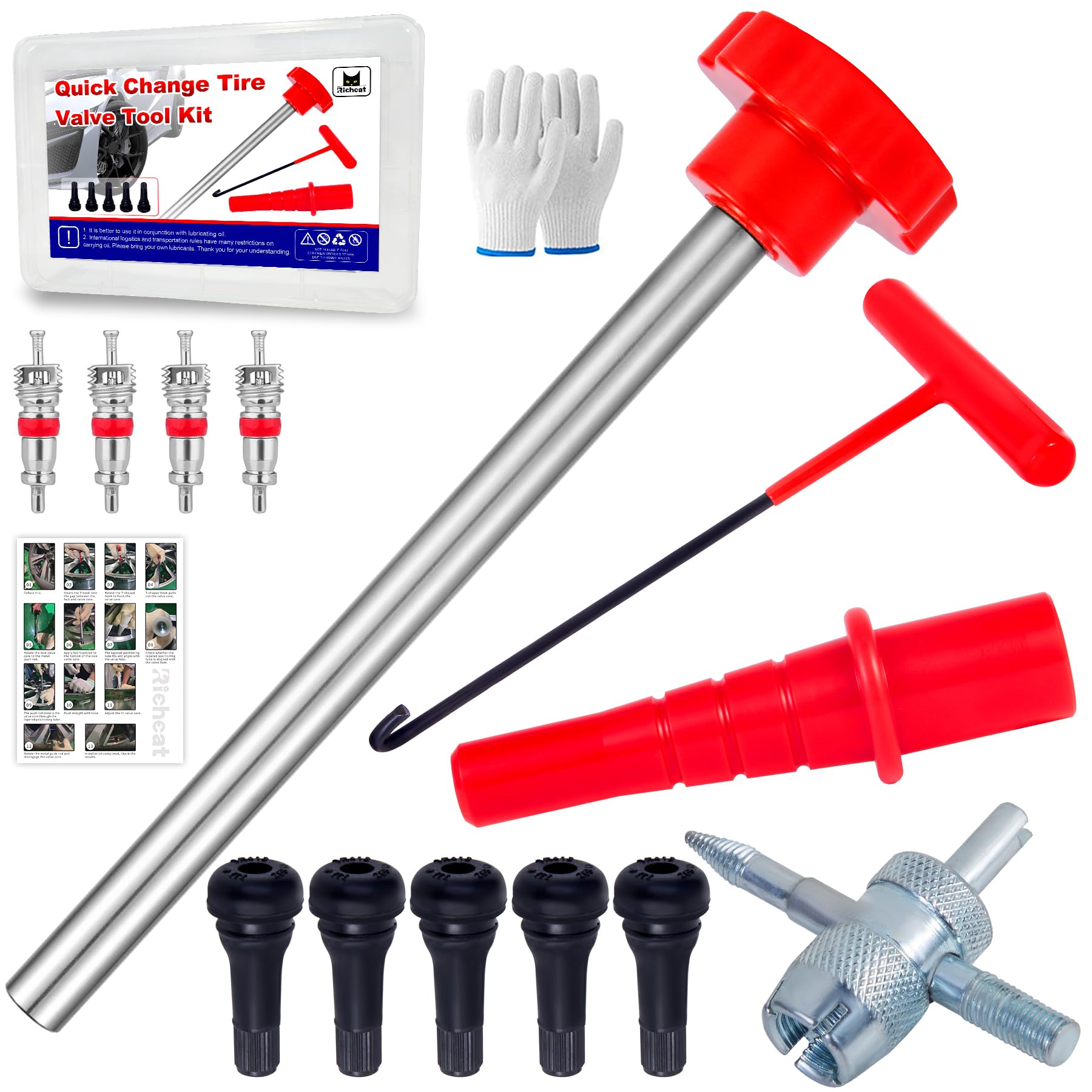
The Richcat B024-1 set is designed to remove and install a common rubber snap-in valve stem through the wheel’s valve opening. The tapered tube guides the replacement stem while the metal push rod presses it into position. A separate 4-way tool helps with standard valve-core removal and servicing.
The package is aimed at owners who maintain several small vehicles or want a dedicated tool for an occasional leaking stem. The five included TR413 valves give you replacement parts for more than one wheel, although current package contents should still be checked on the Amazon listing before ordering.
Before You Buy: Confirm that your wheel uses a standard 0.453-inch rubber snap-in stem and does not have a TPMS sensor attached to the valve. This kit is not a universal solution for every wheel, pressure rating, or valve design.
Who Should Buy It?
Best For
- DIY owners with a confirmed TR413-style rubber stem and 0.453-inch rim hole
- People maintaining small trailers, lawn equipment, ATVs, or multiple non-TPMS wheels
- Buyers who want a compact kit for occasional stem and valve-core service
Skip If
- Your valve is part of a TPMS sensor or uses a metal clamp-in design
- Your wheel uses a 5/8-inch hole, a high-pressure stem, or another non-TR413 size
- The tire, bead, or rim is damaged and needs professional inspection
Fit and Compatibility
The kit’s most important specification is the valve-hole size. Its listed fit is a standard 0.453-inch opening, which is the common hole used by many TR413 snap-in stems. That does not mean every car, truck, motorcycle, or trailer automatically qualifies, so identify the installed stem before you start.
TPMS is the main compatibility trap. Many modern vehicles use a pressure sensor attached to the valve assembly, and the retailer listing states that this Richcat kit is not suitable for those tires. A metal stem with an external retaining nut is also a different design and should not be forced through the tapered guide.
Materials and Build Quality
The working parts include a metal push rod, a T-shaped removal hook, and a tapered positioning tube. The metal rod gives you a firm surface for controlled pressure, while the guide helps keep the replacement stem aligned with the rim hole. This arrangement feels more substantial than using pliers or an improvised screwdriver, which can damage the stem or wheel finish.
The kit is still a light-duty DIY set rather than a full tire-shop system. The guide and handles can be stressed if you twist hard, work at a sharp angle, or try to install a stem that does not match the hole. Straight alignment and proper lubrication matter more than brute force.
Installation and Setup
How to Use It Correctly
First, secure the vehicle or loose wheel so it cannot move. Remove the valve core with the 4-way tool and let all air escape before applying force to the stem. Use the T-shaped hook as directed to remove the failed rubber stem, then inspect the rim opening for rust, sharp edges, debris, or damage.
Apply a small amount of approved tire-mounting lubricant or mild soapy water to the new rubber stem and guide. Do not use petroleum grease or oil, since those products can weaken rubber over time. Place the TR413 stem on the push rod, align the tapered tube squarely with the hole, and press with steady, straight force until the stem seats.
Reinstall the valve core until it is snug, inflate the tire to the vehicle or equipment maker’s specified cold pressure, and check the core and stem base with soapy water. Growing bubbles show that air is still escaping. Recheck pressure before driving and again after the first trip.
Pro Tip: Practice the tool sequence on a loose wheel or low-risk equipment tire before relying on it during a roadside problem. A straight push and correct lubricant usually work better than extra force.
Installation Safety and Limits
This kit addresses a leaking snap-in valve stem, not every cause of pressure loss. A puncture, cracked wheel, damaged bead, corroded rim opening, or failed TPMS assembly needs a different repair. Stop if the stem will not seat with controlled pressure or if the rubber tears during installation.
Do not strike the tool with a hammer while it is against a mounted wheel. Excess impact can damage the guide, mark the rim, or seat the stem incorrectly. After any valve repair, confirm that the tire bead remains evenly seated and that the wheel holds the specified pressure before normal road use.
How It Performs in Real Use
[Products Worth Considering]

This tire valve adapter kit lets you connect a 3/4-inch garden hose to tire valves to fill tires with air or liquid. It includes two adapters for standard bore and large bore valves plus a convenient bleeder valve to release trapped air. Designed for tractor tire tubes and compatible air/water valves and extensions, it’s a practical repair tool for getting back on the road or field quickly.

Upgrade your tires with authentic 40mm caliber bullet-shaped stem caps designed to help keep inflation consistent and secure. The patented insert helps protect TPMS and the lacquer coating resists tarnishing for a stylish look. Easy to install on standard Schrader valve stems, these caps fit cars, trucks, SUVs, motorcycles, BMX and bicycles.
For a Slow Leak at Home
The Richcat kit makes the most sense when soapy water clearly identifies bubbling at a conventional rubber stem and the rest of the tire appears sound. You can complete the job in a driveway or garage without paying for a basic stem replacement, provided you have confirmed fit and can work safely.
For Seasonal Tire and Equipment Maintenance
Owners with spare wheels, utility trailers, lawn mowers, or ATVs may get more value because one kit can service several compatible stems. The five included TR413 valves also reduce the need to buy a separate replacement for each small job.
For Older or Stiff Rubber Stems
Aged stems can be harder to extract, and pieces of rubber may remain inside the wheel. The guide and push rod help with installation, but they do not guarantee that every deteriorated stem will come out cleanly. If debris blocks the hole or the rim surface is corroded, breaking the bead and inspecting the inside is the safer choice.
For Roadside Backup
The compact set can be useful when a standard rubber stem breaks away from home, but it should not replace a spare tire, inflator, jack, or roadside assistance plan. It cannot repair tread punctures, sidewall damage, bead leaks, or a failed TPMS sensor. Treat it as a specialized backup tool rather than a complete flat-tire kit.
What People Say
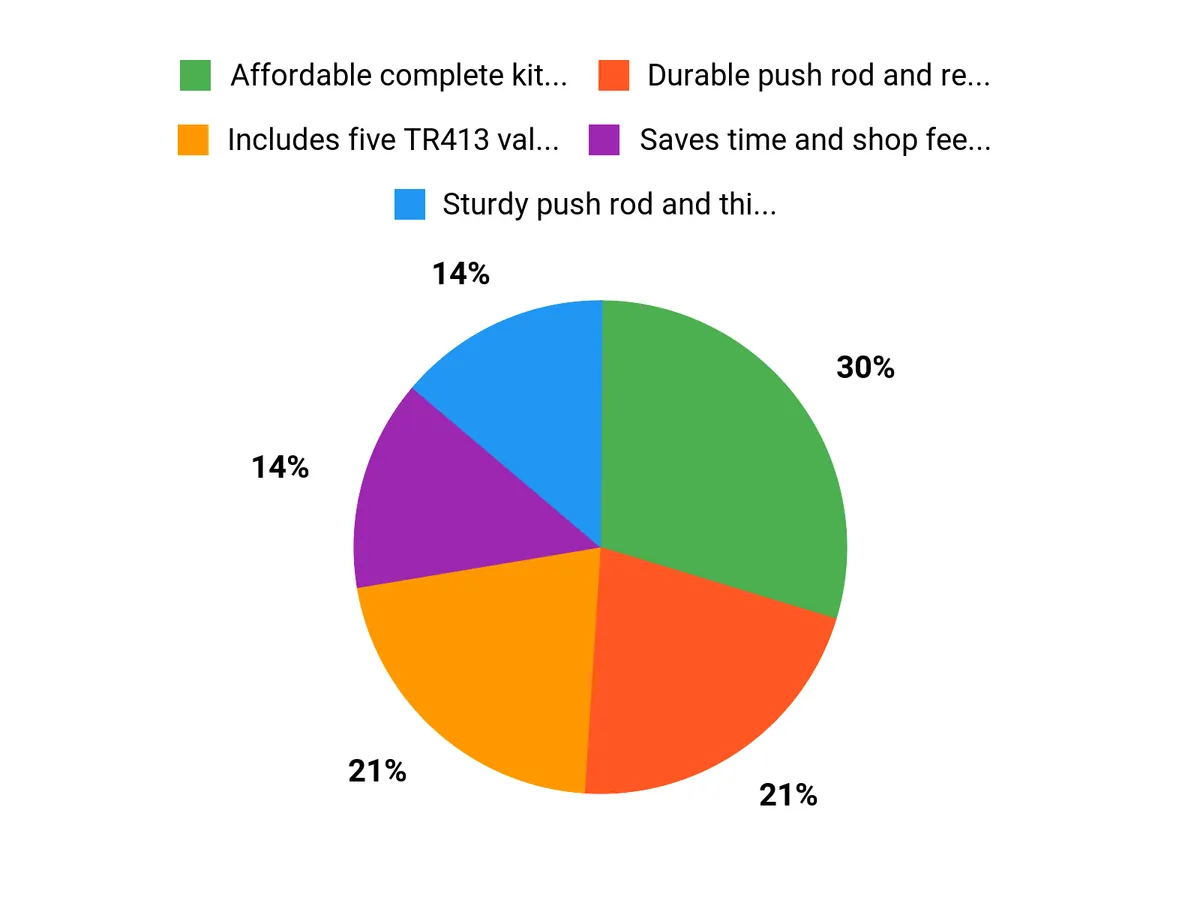
Reported feedback is broadly positive around convenience, included parts, and the ability to avoid a simple shop visit. Buyers also mention that the technique can take practice, especially with old stems or awkward wheel shapes. The most useful pattern in the feedback is that correct alignment and lubrication matter more than pushing harder.
Overall Sentiment: Positive, with a moderate first-use learning curve

Pros and Cons
Pros
- Combines removal, installation, and valve-core tools in one package
- Includes five TR413 replacement stems for multiple compatible wheels
- Designed to replace a rubber stem without removing the tire from the wheel
- Metal push rod provides controlled installation pressure
- Useful across several types of small vehicles and equipment when fit is confirmed
Cons
- Not compatible with TPMS stems, metal clamp-in valves, or 5/8-inch holes
- Old stems and corroded rim holes may still require bead removal and shop tools
- Correct alignment can take trial and error on the first repair
Is It Worth the Price?
This Richcat kit sits in the budget DIY tier. Its value comes from supplying both the specialized guide-and-push system and several replacement stems, rather than making you assemble the parts separately. It is most worthwhile for someone with more than one compatible wheel or a history of aging rubber stems.
The limitation is that a low purchase price does not help if the wheel uses TPMS, a high-pressure stem, or a different hole size. Check the current Amazon price, set contents, and variant before ordering because marketplace listings can change.
How It Compares to Alternatives
A conventional tool such as the Milton S-449W uses a long lever and threaded head to pull a valve stem through the rim, which is useful for standard shop-style installation. QuikStem takes a different approach by selling a replacement stem system that tightens into place with ordinary hand tools and is offered for several hole sizes.
The Richcat kit makes the most sense when you want a complete, low-cost set for standard 0.453-inch rubber stems and prefer the tapered-guide installation method. Milton is better for traditional lever-based work, while QuikStem may suit field repairs where you want a purpose-built replacement stem instead of installing a standard TR413.
Why Customers Choose
The strongest reason to choose the Richcat kit is convenience. You receive the removal hook, guide, push rod, valve-core tool, and replacement stems together, so there is less chance of discovering that one small part is missing halfway through the job. Buyers who confirm compatibility first are the most likely to find it useful.
Frequently Asked Questions
Will this kit fit every car tire?
No. It is listed for standard 0.453-inch rim holes and TR413-style rubber snap-in stems. Check the installed valve and wheel specification before ordering.
Can I use it on a TPMS valve stem?
The product listing says it is not suitable for tires with TPMS valve assemblies. TPMS stems use sensor-specific parts and service procedures, so use the correct kit or have a tire professional handle the repair.
Does the tire need to come off the wheel?
The kit is designed to replace a compatible rubber stem from outside the wheel without removing the tire. You may still need to break the bead if old rubber remains inside, the rim hole is corroded, or the new stem will not seat correctly.
What lubricant should I use?
Use approved tire-mounting lubricant or mild soapy water on the rubber stem and guide. Avoid petroleum grease and oil because they can degrade rubber and contribute to future leaks.
How do I check the repair for leaks?
Inflate to the specified cold pressure, then brush soapy water around the valve core and stem base. Persistent bubbles indicate a leak, and the tire should not be used normally until the cause is corrected.
Can this repair a punctured tire?
No. The kit services valve stems and valve cores only. Tread punctures, sidewall damage, bead leaks, cracked wheels, and internal tire damage require separate inspection and repair.
What is the most common installation mistake?
The main mistake is forcing the stem at an angle or using the wrong size. Confirm the hole and stem type, lubricate the rubber, keep the guide square, and stop if controlled pressure does not seat it.
The Bottom Line
The Richcat Quick Change Tire Valve Tool Kit is a solid buy for DIY owners who have confirmed a standard 0.453-inch, non-TPMS snap-in valve setup. Its complete tool-and-stem package is the main strength, while limited compatibility and a modest learning curve are the main drawbacks. Skip it when the wheel uses TPMS, a metal or high-pressure valve, or shows damage that calls for professional tire service.
Ready to Buy?
Check the current set contents, fit details, and price before you decide.

Related Articles

Best All-Terrain Tires for SUVs 2026: Rugged Tires for Trails and Daily Driving
You need tires that bridge the gap between weekend trails and weekday commutes, so choosing the right all-terrain set matters more than ever. The…
Read More
Best Westlake Tires 2026: Affordable Tires for Daily Driving and All-Season Use
You spend a lot of time on the road, and the tires you choose affect safety, comfort, fuel economy, and long-term costs. Westlake offers…
Read More
Best Sailun Tires 2026: Affordable Tire Picks for Everyday Driving
You rely on tires for safety, fuel economy and ride comfort, so choosing the right Sailun model matters more than just price. This guide…
Read More