
Tire Feathering on the Toyota Hilux: Causes and Solutions
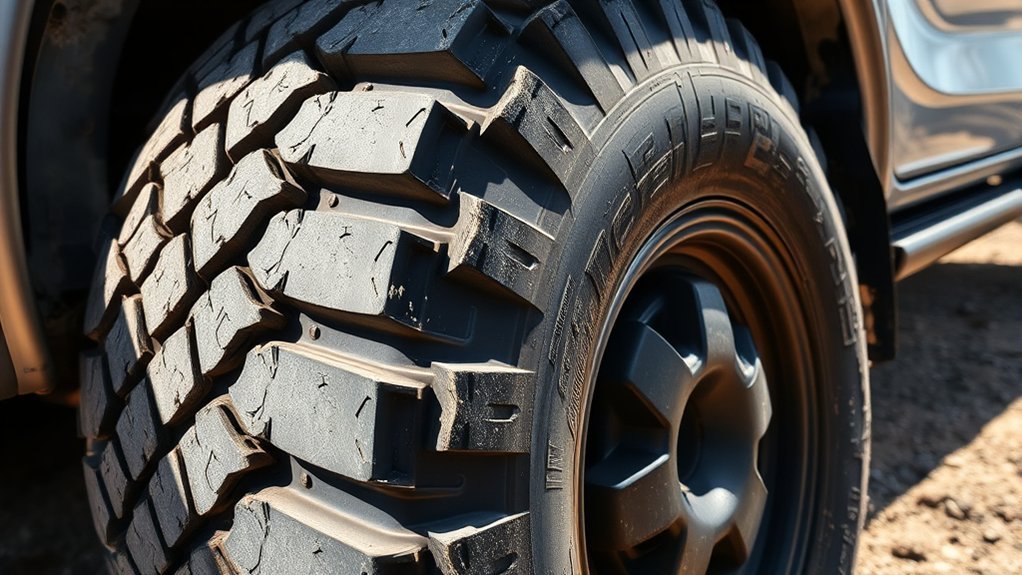
Tire feathering on your Toyota Hilux occurs when misalignment, often from incorrect toe settings, leads to uneven tread wear. You may notice vibrations, pulling to one side, or reduced traction, which can compromise safety. To prevent this, regularly check wheel alignment, monitor tire pressure, and rotate your tires. Inspections after hitting rough surfaces are essential. Addressing wear in suspension components promptly guarantees better performance. Explore effective solutions to maintain your vehicle’s health and extend tire life.
Understanding Tire Feathering: What It Means for Your Hilux?
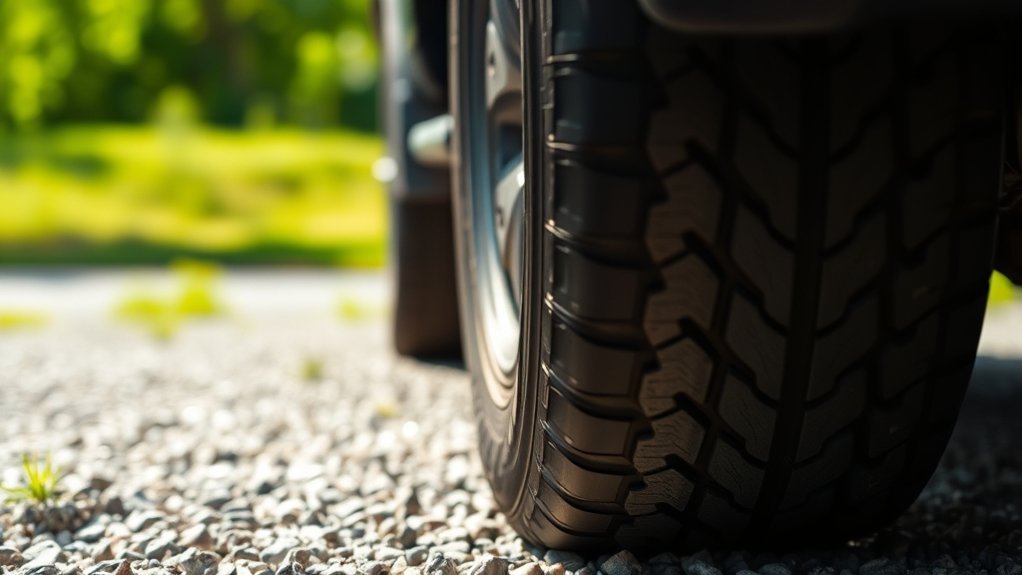
Understanding tire feathering is vital for maintaining your Toyota Hilux, as it directly impacts both performance and safety. Tire feathering indicates uneven tread wear, where one side of the tread rib is smooth while the opposite edge is sharp. This condition often stems from misalignment or incorrect toe settings, leading to instability in steering and braking. As you drive, this instability can compromise vehicle responsiveness and heighten accident risks.
To combat tire feathering, you must prioritize tire maintenance and alignment basics. Regular inspections of your wheel alignment and suspension components are essential. Faulty bushings or control arms can alter alignment over time, exacerbating tread wear. By addressing these issues proactively, you not only extend tire life but also enhance overall vehicle safety. Ignoring tire feathering can result in increased replacement costs and potential hazards, making timely care imperative for your Hilux’s performance.
Common Causes of Tire Feathering in Toyota Hilux
Tire feathering in your Toyota Hilux often stems from several interrelated factors that compromise tire performance. Improper wheel alignment, particularly incorrect toe settings, is a primary cause, resulting in uneven tread wear. If your suspension components, like bushings or ball joints, are worn, they can exacerbate alignment issues, leading to further tread degradation.
Your driving habits also play a significant role; aggressive cornering and rapid acceleration increase lateral forces on the tires, contributing to feathering. Additionally, routinely hitting potholes or traversing uneven surfaces can disrupt your Hilux’s alignment, causing the edges of your tires to wear unevenly.
To mitigate these issues, maintain proper tire pressure and schedule regular wheel alignments. By addressing these common causes, you can extend the lifespan of your tires while ensuring peak performance from your Toyota Hilux.
Diagnosing Tire Feathering: Signs and Performance Effects
When diagnosing tire feathering on your Toyota Hilux, look for specific signs that indicate misalignment issues affecting tire performance. Uneven tread wear is a primary indicator, where one side of the tread ribs becomes smooth while the opposite edge remains sharp. You might also notice vibrations in the steering wheel or your vehicle pulling to one side. These symptoms are vital during tire diagnostics and should prompt a thorough tread analysis.
Performance effects of tire feathering include reduced traction and increased braking distances, which can greatly compromise your safety. Additionally, compromised tire integrity raises the risk of blowouts. Regular inspections are essential to catch these issues early, allowing for timely alignment checks and suspension maintenance. Addressing tire feathering promptly enhances the longevity and performance of your Hilux’s tires, ultimately ensuring a safer driving experience.
Preventive Measures to Avoid Tire Feathering
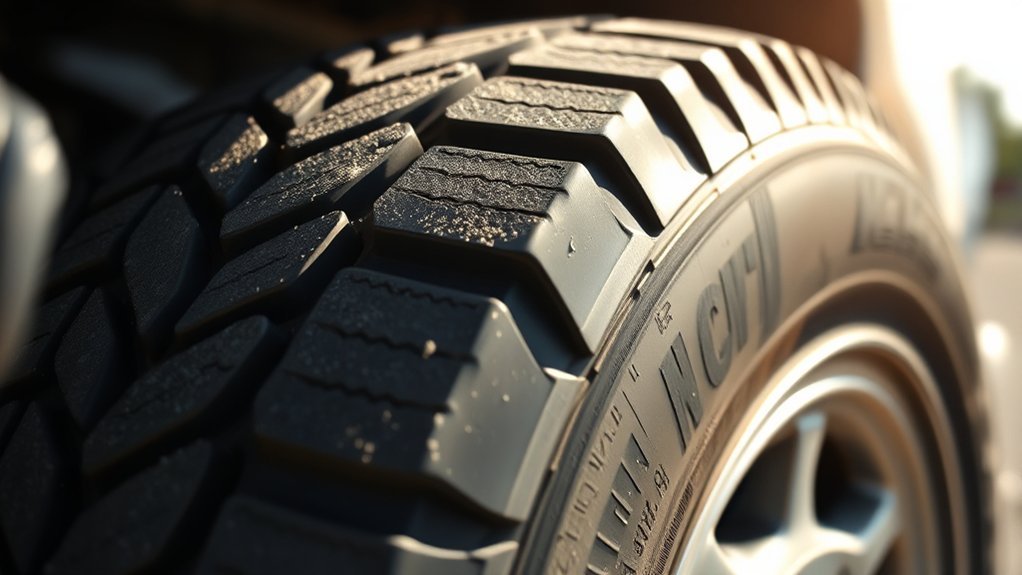
To prevent tire feathering on your Toyota Hilux, regularly scheduling wheel alignment checks is essential. Keeping all angles within manufacturer specifications helps guarantee even tire wear. Additionally, you should:
- Maintain proper tire pressure through bi-weekly monitoring; both overinflation and underinflation lead to uneven tread wear.
- Rotate your tires every 5,000 to 7,500 miles as specified in the owner’s manual to promote uniform tread life.
- Inspect suspension components for wear, as damaged parts can affect alignment and increase feathering risk.
Adjust your driving habits, too. Avoid aggressive maneuvers like hard cornering and rapid acceleration, as they exacerbate uneven wear. By implementing these preventive measures, you can greatly extend the life of your tires and enhance your driving experience, freeing you from the hassle of frequent replacements and maintenance.
When to Get Expert Help for Your Tire Problems
If you notice signs like feathering or vibrations in your steering wheel, it’s time to seek expert help. Regular inspections of your tire alignment and suspension components are crucial to prevent safety issues. Addressing these problems early can save you from costly repairs and guarantee peak performance of your Toyota Hilux.
Signs of Tire Issues
Tire issues can manifest in various ways, often signaling the need for expert intervention. You should pay attention to the following signs:
- Uneven tread patterns—like one side being smooth while the other is sharp—indicate potential feathering or misalignment.
- Vibrations in the steering wheel or pulling to one side may reveal underlying tire or suspension problems.
- Regularly check tire pressure; both over-inflation and under-inflation can worsen uneven tread wear.
If you observe any of these symptoms, schedule a professional inspection. Feathering can severely compromise traction and overall vehicle safety, making it essential to address these warning signs promptly. Prioritize your vehicle’s health and guarantee a smooth, safe driving experience.
Importance of Regular Inspections
Regular inspections of your Toyota Hilux’s tires are essential, especially since they can prevent serious issues like feathering and uneven wear. Schedule these checks every 5,000 to 7,500 miles to spot early signs of trouble. Monitoring tire pressure bi-weekly guarantees even road contact, minimizing wear. Address symptoms like vibrations or odd tread patterns immediately to avoid costly repairs and enhance safety.
| Inspection Type | Frequency |
|---|---|
| Tire Pressure Check | Bi-weekly |
| Tread Wear Inspection | Every 5,000 – 7,500 miles |
| Alignment Check | At least annually |
| Full Tire/Suspension Check | After hitting potholes |
| Symptoms Assessment | Immediately when noticed |
Taking these proactive steps liberates you from future tire woes.
When to Seek Professionals
Wondering when to seek professional help for your tire problems? It’s crucial to act promptly if you notice signs that could indicate alignment issues or tire pressure problems. Here are key indicators to watch for:
- Uneven tire wear, like feathering, that points to misalignment or suspension issues.
- Vibrations in the steering wheel or pulling to one side, which often signal underlying problems.
- Abnormal tread patterns or persistent uneven tire pressure, suggesting hidden issues needing expert evaluation.
Ignoring these symptoms can lead to further tire damage and safety risks. A professional inspection guarantees that any alignment or suspension concerns are addressed, helping you maintain peak performance and prolong the life of your tires. Don’t wait—your safety depends on it.
Maintaining Your Hilux to Prevent Tire Feathering
To prevent tire feathering on your Toyota Hilux, you should schedule regular alignment checks to maintain proper toe settings. Additionally, frequently inspect your suspension components for wear, as damaged ball joints or bushings can lead to misalignment. These proactive measures will help guarantee even tire wear and enhance overall vehicle performance.
Regular Alignment Checks
Maintaining proper wheel alignment is essential for your Toyota Hilux, as it directly impacts tire longevity and performance. Regular alignment checks can greatly reduce the risk of tire feathering by ensuring your wheels are correctly angled, adhering to manufacturer specifications.
- Schedule checks every 5,000 to 7,500 miles.
- Assess suspension components during alignment for hidden issues.
- Utilize alignment tools for precise adjustments.
Suspension Component Inspections
Proper inspection of suspension components is vital for preventing tire feathering on your Toyota Hilux. Regularly check control arms, ball joints, and tie rod ends for wear, as these greatly impact wheel alignment. Inspect bushings and mounts for cracks; deterioration here can cause misalignment and uneven tire wear. Accurate measurement of suspension alignment angles—camber, caster, and toe—is essential, as misalignment leads to excessive friction and feathering. Monitor shocks and struts; worn components can result in bouncing tires, contributing to uneven tread wear. After hitting potholes or uneven surfaces, perform routine inspections to guarantee alignment remains within spec. Consider suspension upgrades if you’re looking for improved stability and longevity in your Hilux’s performance.
Frequently Asked Questions
How to Get Rid of Tire Feathering?
To get rid of tire feathering, regularly rotate your tires and maintain proper tire pressure. Monitor tread wear closely, ensuring alignment is correct, and replace worn suspension components to prevent future issues. Drive gently, avoiding aggressive maneuvers.
What Alignment Angle Causes Feathering?
Misaligned angles, particularly toe settings outside ideal alignment specifications, trigger tire wear and feathering. Keeping toe angles between 0.0° and +0.5° is vital to guarantee peak performance and prolong tire lifespan on your vehicle.
Conclusion
In the intricate dance of your Toyota Hilux’s performance, tire feathering can throw off your rhythm. By understanding its causes and symptoms, you can steer clear of costly repairs and guarantee smooth travels ahead. Regular maintenance acts as your shield against this wear, while timely interventions keep your tires in top shape. Don’t let feathering derail your adventures; stay proactive, and your Hilux will glide effortlessly down every road less traveled.

Related Articles
Toyota Hilux Tire Cupping: What It Is and How to Fix It
Get insights on tire cupping in your Toyota Hilux and discover the surprising ways to prevent costly damage and enhance your ride.
Read More
Why Toyota Hilux Tires Wear Out on the Outer Edge
Understanding why Toyota Hilux tires wear out on the outer edge can unveil crucial maintenance insights that every owner should know.
Read More
What Causes Inner Tire Wear on the Toyota Hilux
Prevent inner tire wear on your Toyota Hilux by understanding key factors; discover how alignment and maintenance play crucial roles.
Read More