
Latex vs Fiber Tubeless Tire Sealants: Which to Choose for Your Ride
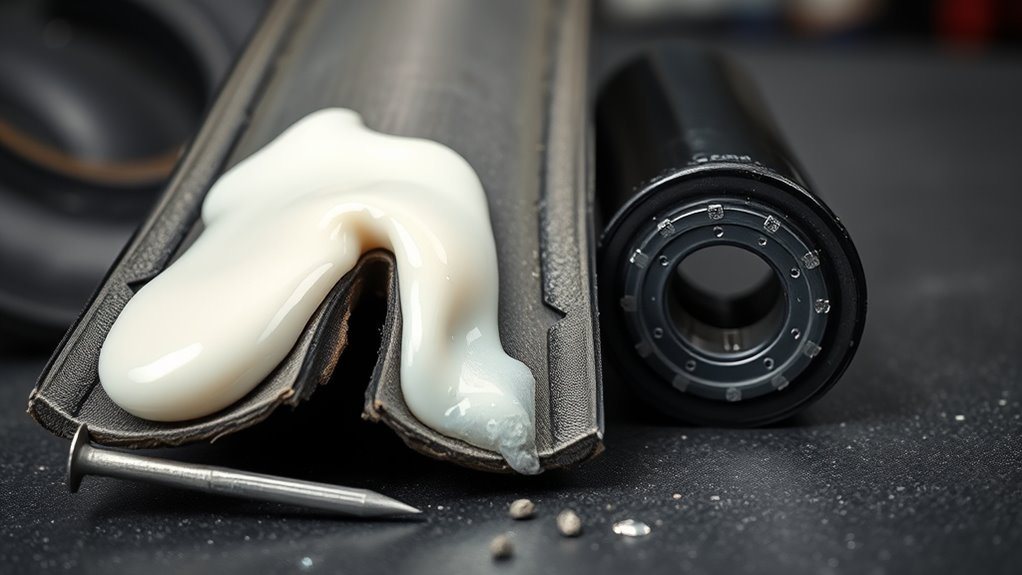
You want fast, reliable sealing and real longevity. Pick based on your ride. Latex seals small-to-medium punctures almost instantly. It stays lighter and suits racers or technical trail riders best. Yet you still need to top it up every 2 to 7 months. Fiber blends handle larger tears and last longer under heat. They add a bit of weight and mess, but they cut down on maintenance for long gravel or endurance rides. Carry plugs for holes bigger than 4 to 6 mm. Check sealant condition regularly so you learn which one suits you best.
Quick Verdict: When to Pick Latex vs Fiber Sealants
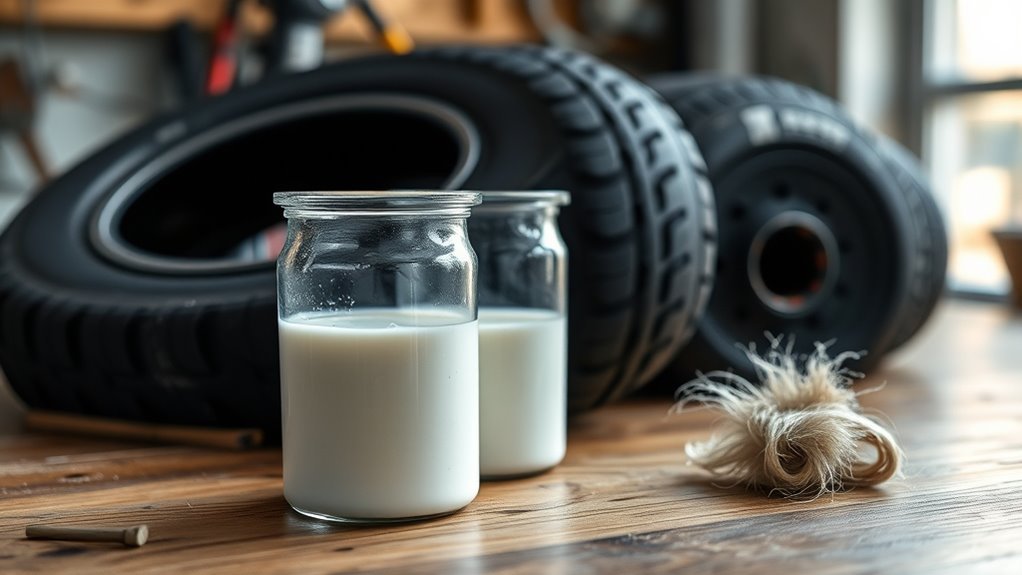
When you need a fast fix for small punctures, choose a latex-based sealant. It clots as soon as pressure drops and seals fine holes well. Pick latex when you want quick patching, low weight, and reliable short-term performance. For longer rides where you want fewer top-ups, fiber sealants fit better. Their thicker mix resists drying and handles larger tears that plain latex may miss. Daily commuters and race-minded riders often prefer latex for rapid sealing and light weight gains. Adventure riders and bikepackers lean toward fiber for durability and broader hole tolerance. Factor in viscosity and environmental impact too. Latex can feel more viscous and may contain ammonia. Fiber formulas often use biodegradable parts. Match product life to your habits. Refresh latex more often. Expect longer service from fiber. Let your riding style decide: speed and quick action, or longevity and strong coverage.
[Products Worth Considering]

High-Capacity: It's nice that you get a full 500ml bike tire sealant and a 120cc tire sealant injector kit
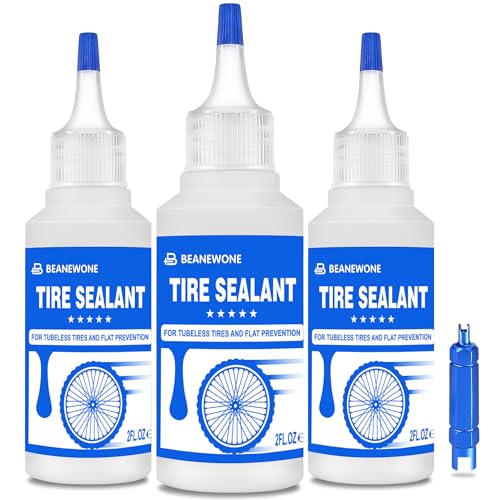
Outdoor Cycling Set - Includes 3x60ml long-lasting tubeless tire sealant and a stainless steel valve core removal tool. Compact design perfect for camping trips and outdoor cycling adventures

Long-lasting latex formula provides superior durability, staying effective for 2-3 times longer than standard sealants to minimize maintenance and downtime. 60-120 days between top-offs.
How Sealants Stop a Puncture (Latex vs Fiber Explained)
You will see two clear sealing strategies. Latex sealants clot when pressure drops. They form a flexible film that closes small holes quickly. Fiber sealants use tiny particles that lodge into the breach and build a mechanical patch. This works especially well on larger tears. Understanding these differences shows why latex gives fast short-term seals while fibers provide robust, longer-lasting plugs.
Latex Coagulation Mechanism
Both types stop air loss, but latex does it through quick chemical and physical clotting at the puncture. Latex particles solidify as air and moisture escape. They form a flexible plug that seals small-to-moderate holes with high efficiency. Lab data show minimal pressure loss, about 2.3 PSI on a 3 mm hole. Small particles such as fibers or glitter raise viscosity and give a scaffold. This improves the initial plug strength.
- Coagulation-driven seal forms quickly under pressure changes.
- Particulate additives boost viscosity and plug strength.
- Latex leaves a residual film as water evaporates and keeps the seal intact.
- Rapid sealing means fewer roadside stops.
Fiber Mechanical Patch
Fiber-based sealants deliver a microscopic plug. As air pushes sealant toward the breach, suspended fibers (Kevlar, cellulose, or synthetic threads) line up and interlock. They create a dense, mechanically stable matrix that stops airflow without fast chemical clotting. Use fiber patching for larger cuts and sidewall pinholes that latex may struggle with. Fibers bridge gaps and trap thicker fluid to build a durable barrier. This approach gives longer in-tire life and solid protection in varied conditions. Large embedded debris can still beat it. Check tires regularly, pick fiber content for your terrain, and carry a compact plug kit for any roadside failures when sealant alone cannot finish the job.
Speed: Which Seals Faster on a Ride?
How fast a sealant stops air loss can save or ruin a ride. Latex formulas almost always act quicker than fiber ones. You will notice latex options such as Stan’s or Orange Seal clot rapidly. They deliver superior sealing efficiency in common punctures. Examples include 0.3 PSI loss at 20 PSI for a 3 mm hole or about 0.8 PSI average loss for Orange Seal. Fiber products rely on particles to plug openings and often take longer. They can fail on bigger perforations.
- Latex gives near-instant seals on small-to-medium punctures.
- Fibers may need hours or extra plugs for the same results.
- High-pressure conditions favor latex quick clotting over fiber slowdown.
- For large holes over 6 mm, fiber-only solutions usually underperform.
You want freedom from roadside repairs. Choose by speed. If you want to minimize pressure loss and get back on the trail fast, latex gives the quicker, more reliable response.
[Products Worth Considering]

The world’s first tubeless sealant and the first choice of riders today
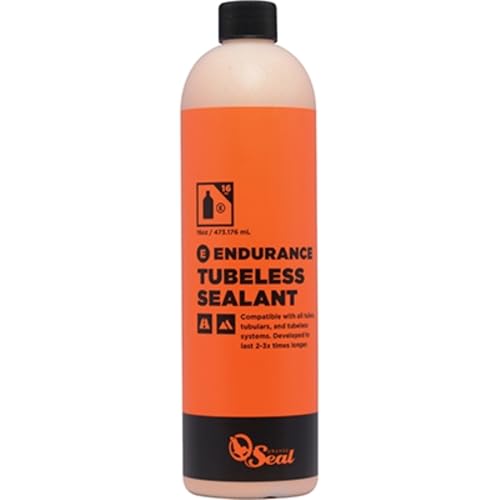
Long-lasting latex formula provides superior durability, staying effective for 2-3 times longer than standard sealants to minimize maintenance and downtime. 60-120 days between top-offs.

FAST FIX: Quickly seals punctures up to 6.5mm (1/4")
Durability and Lifespan: How Long Latex and Fiber Stay Effective
Speed matters in the moment, but longevity decides how often you service your wheels. In this sealant comparison you will see clear metrics. Latex-based sealants typically last 2 to 7 months. Heat, UV exposure, and frequent punctures drive them down. They dry out and lose efficiency faster, so you top them up more often to stay reliable.
Fiber (latex-free) sealants give longer service life because their thicker consistency resists evaporation and keeps sealing power under stress. You get extended intervals between maintenance and fewer mid-ride fixes. Fiber options also stay more stable in high temperatures and often come with biodegradable parts for lower environmental cost.
Practically, if you want freedom from frequent servicing, choose fiber for durability. If you value initial flexibility and lighter weight, latex works but needs regular checks. Use these metrics to set your maintenance schedule and keep rides free from avoidable downtime.
What Puncture Sizes Each Sealant Handles Best
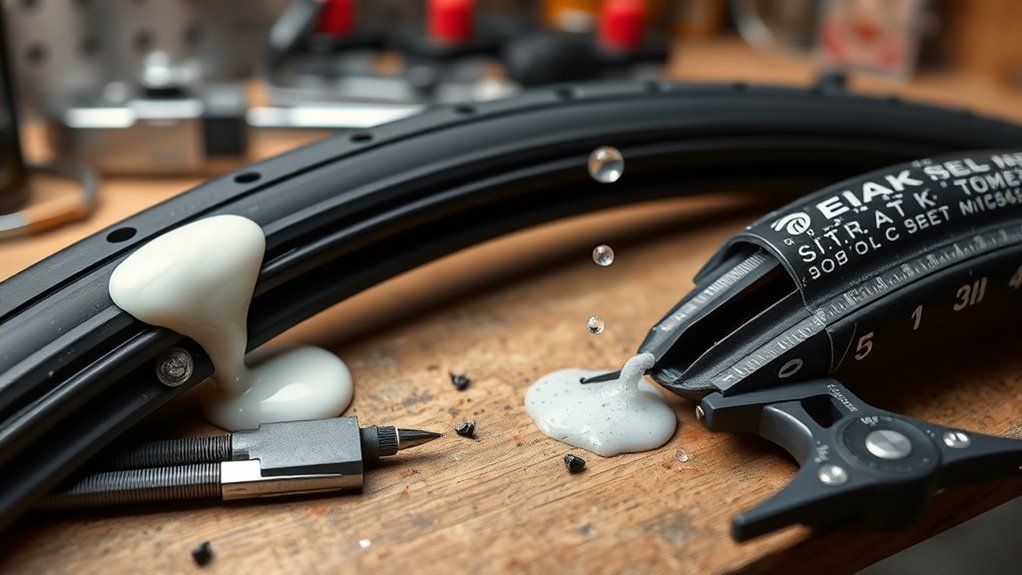
You want to match sealant to the punctures you expect. Latex formulas close pinholes and cuts up to about 3 to 4 mm with minimal pressure loss. Fiber-based products work best on very small punctures and temporary plugs but tend to fail beyond about 4 mm. For larger breaches, heavy-duty latex blends such as Orange Seal or Peaty’s have documented performance up to 5 to 6 mm.
Small Puncture Performance
Latex and fiber sealants both stop punctures, but they do it differently. Match the sealant to expected hole size for a reliable fix. Latex formulas (Stan’s, Squirt, Orange Seal) clot quickly and handle up to about 6 mm with low pressure loss. Examples include 1.2 to 3.2 PSI at 3 mm. Fiber-based products (Finish Line FiberLink) excel at pinholes and tiny cuts. They keep longer service life but leak more as hole diameter grows.
- For micro pinholes: fiber sealants often win due to matrix entrapment.
- For 1 to 3 mm cuts: low-viscosity latex seals faster with minimal PSI loss.
- For about 3 to 6 mm: latex alternatives still perform well.
- Match sealant viscosity to expected puncture size.
Large Hole Limits
Hole size sets your repair plan, so pick sealants by their real limits rather than treating them as equal. Latex formulas (Stan’s, Orange Seal) routinely handle up to about 6 mm with minimal pressure loss. Peaty’s Holeshot Biofibre performs well to about 5 mm. Fiber-heavy products (Finish Line FiberLink) focus on pinholes and tiny cuts but struggle beyond about 4 mm. Match sealant to puncture severity. For holes bigger than 5 to 6 mm you will need plugs or particulate-rich race formulas that combine fibers and latex to hold pressure. In practice, carry a plug for gravel or enduro rides. Use latex for broad protection, Biofibre for medium cuts, and fiber sealant as a lightweight backup for micro-leaks. Choose by expected terrain and repair needs.
Weight, Mess, and Maintenance: Real‑World Trade‑Offs
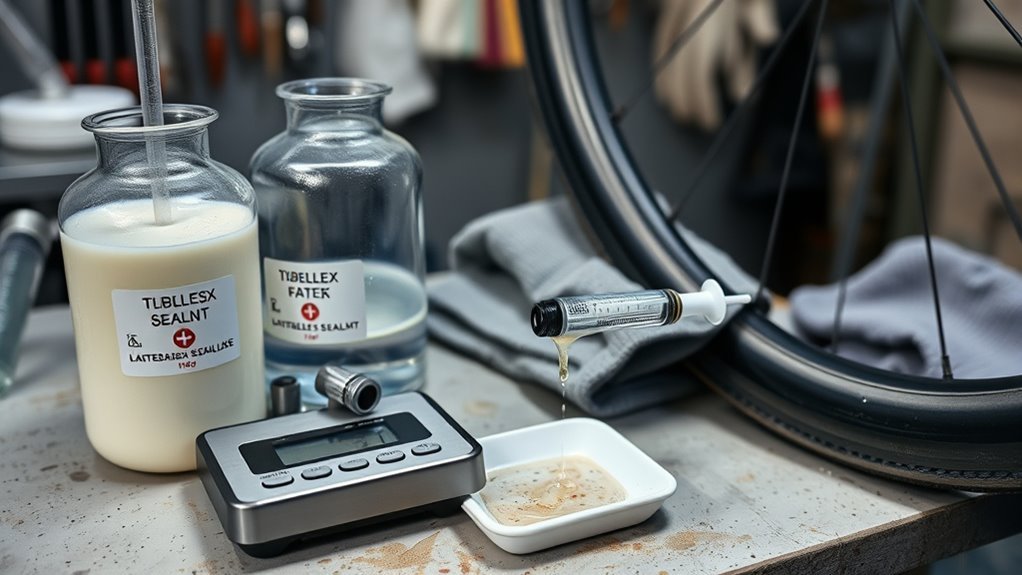
Lighter latex formulas reduce rotational weight and make acceleration feel quicker. You trade that for more frequent maintenance and easier cleanup compared with fiber blends. In a quick weight comparison, latex wins on grams saved. Fiber adds particulate mass that can slightly dull responsiveness but improves durability. You will appreciate cleanup ease with latex—the liquid wipes and rinses fast. Fiber’s viscous residue needs more aggressive cleaning and can stick to rim tape and hands.
Maintenance tips focus on schedule and containment. Measure top-ups, carry minimal cleanup tools, and keep repairs isolated to protect clothing and bike finishes. For riders who value low fuss and longevity, balance your priorities. Choose latex for sprint feel and quick cleanup. Choose fiber for longer service intervals and structural support. Factor eco considerations too. Fiber blends often biodegrade better and reduce repeated waste from frequent latex refreshes.
- Track weight versus longevity trade-offs
- Pack a small cleanup kit
- Inspect sealant monthly
- Prefer biodegradable options when possible
Dosage, Refresh Intervals, and How to Test Sealant Performance at Home
Once you pick between latex and fiber, get dosage and refresh timing right to keep everything reliable. Aim for 4 to 8 oz per tire. Stan’s guidance (118 to 148 ml for MTB, 59 ml for road) gives a solid baseline. Use proper application techniques to measure fluid. A syringe works well, and note storage conditions to avoid early degradation. Check latex every 2 to 7 months. Fiber blends last longer but still need periodic inspection.
| Test | Procedure |
|---|---|
| Initial PSI | Inflate, record with gauge |
| Puncture | Create controlled hole |
| Seal period | Wait 10 minutes |
| Re-check PSI | Measure loss |
| Inspect | Check clumps/drying |
For home testing, record PSI right after the puncture and again after the seal period to measure loss. Monitor sealant condition every few months. Replenish when clumping or drying shows up. These steps give you control over reliability and cut unexpected trail failures.
Best Pick by Rider Type and Riding Conditions
Which sealant fits you depends on where and how you ride. If you race or want low rotating weight and rapid sealing of small cuts, go with a latex formula like Stan’s Race Day. If you ride long gravel or rough mountain routes and need durability plus resistance to drying, choose a fiber blend such as Peaty’s Holeshot or Orange Seal. Pick based on rider profile and conditions. Mountain bikers chasing technical singletrack favor latex for sealing speed and minimal weight. Gravel riders covering remote miles need fiber for longevity and less topping up. Consider durability factors, environmental impact, and hole size expectations. Use latex when quick, frequent seals matter. Use fiber when larger breaches or long outings are likely.
Choose latex for fast, lightweight sealing. Choose fiber for long rides, bigger holes, and lasting protection.
- Competitive racers: prioritize low weight and sealing speed.
- Endurance gravel: prioritize longevity and resistance to drying.
- Mixed terrain: balance weight and durability.
- Eco-focused riders: favor biodegradable fiber formulas.
[Products Worth Considering]
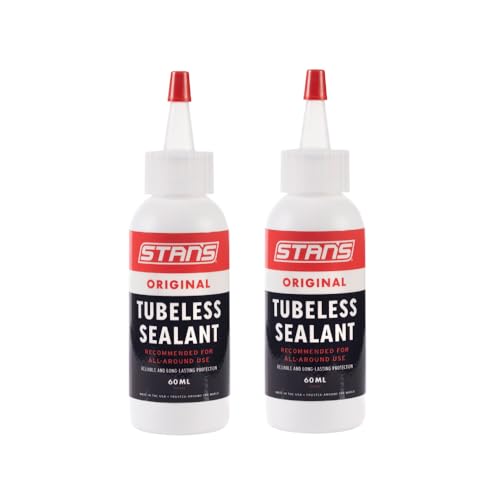
FAST FIX: Quickly seals punctures up to 6.5mm (1/4")

Long-lasting latex formula provides superior durability, staying effective for 2-3 times longer than standard sealants to minimize maintenance and downtime. 60-120 days between top-offs.
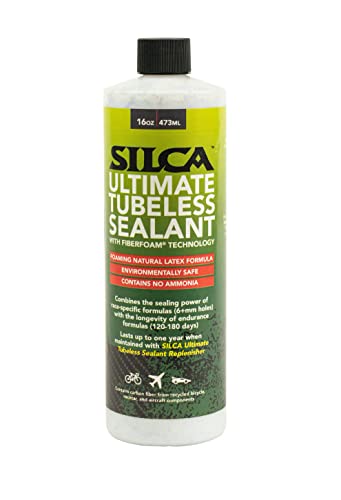
Material: SILCA Ultimate Tubeless Sealant uses the power of a foaming latex formula combined with chopped carbon fibers to boost sealing power even at higher pressures.
Frequently Asked Questions
How Long Does Stans Sealant Last?
Stans sealant lasts about 2 to 7 months, according to Stan’s guidelines. You will want to refresh every 2 to 7 months to keep performance strong. For performance comparison, its sealing works well for small punctures but can dry faster under high-pressure or extreme use.
Is Latex Rolling Resistance Better Than Butyl?
Yes. You get better latex rolling resistance than butyl. This improves tire performance and acceleration. However you trade some air retention and sealant durability, so you need frequent checks and a practical mindset to stay at peak efficiency.
Conclusion
Pick the sealant that matches your mission. Latex acts like quicksilver and rushes to clot small wounds fast. Fiber behaves more like a net and arrests larger breaches while lasting longer. You will favor latex for lightweight, fast rides and fiber if durability and bigger-puncture resilience matter. Test, refresh, and dose by mileage and conditions. Like choosing the right tool from a mechanic’s drawer, match sealant to terrain, tire volume, and how often you want to stop and work.

Related Articles
What Does THE P Stand For on a Tire? Full Meaning Explained
I’ll explain what the “P” on a tire really means and why it could change how you choose your next set.
Read More
How to Use a Tubeless Tire Repair Kit: Complete Field Guide
Learn how to fix tubeless tire punctures fast with the right kit, because one small mistake can leave you stranded on the trail.
Read More
How to Tell a Tire’s Diameter: Easy Guide to Reading Tire Size
Want to decode tire sidewall numbers and find the right diameter, but wonder what those hidden digits really mean?
Read More