
How to Keep Toyota Hilux Tire Sidewalls From Cracking
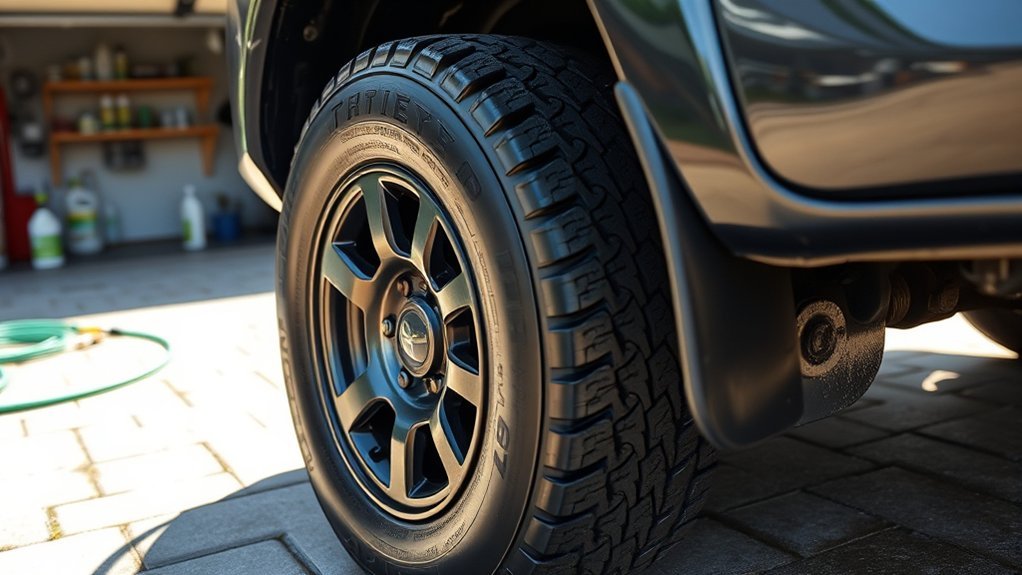
Sidewall cracks on a Toyota Hilux tire can start as tiny surface lines, but they should never be ignored. Your Hilux may carry heavy loads, tow, sit outdoors, or drive on gravel and rough roads, so the sidewalls deal with heat, flexing, sunlight, and impacts every day.
The best prevention plan is simple: check pressure cold, inspect the sidewalls often, keep loads within the Hilux rating, rotate the tires on schedule, protect them from long sun exposure, and replace any tire with deep cracks, bulges, exposed cords, air loss, or vibration.
Quick Answer
To keep Toyota Hilux tire sidewalls from cracking, check cold tire pressure monthly, inspect for cuts and cracks, avoid overloading, rotate tires as Toyota recommends, wash with mild soap, park out of harsh sun when possible, and replace tires with deep cracks, bulges, exposed cords, or air loss.
Key Takeaways
- Use the Hilux tire placard or Toyota owner’s manual for the correct cold pressure. Do not use the maximum PSI printed on the tire sidewall as your normal setting.
- Sunlight, heat, poor storage, underinflation, overloading, road impacts, and age can all speed up sidewall cracking.
- Fine surface checking may need monitoring, but deep cracks, bulges, vibration, air loss, or exposed material mean the tire needs professional inspection or replacement.
- A rubber-safe UV protectant can help slow fading and surface drying, but it cannot repair cracked rubber.
At a Glance
| Time Required | 10 to 20 minutes for a basic inspection; longer if you check the spare and clean all four tires. |
| Difficulty | Easy for visual checks and pressure checks; professional inspection is best for deep cracks, bulges, or vibration. |
| Tools Needed | Accurate tire pressure gauge, flashlight, mild car-wash soap, soft brush or microfiber towel, and optional rubber-safe UV protectant. |
| Cost | Usually $0 to $25 for basic checks if you already have a gauge; more if a shop inspection, rotation, alignment, or replacement tire is needed. |
Warning: Do not keep driving on a Hilux tire with a bulge, exposed cords, air loss, vibration, a crack that reaches deeper layers, or cracks that spread quickly. Fit the spare if it is safe to do so and have the tire checked by a qualified tire technician.
Why Do Tire Sidewalls Crack?
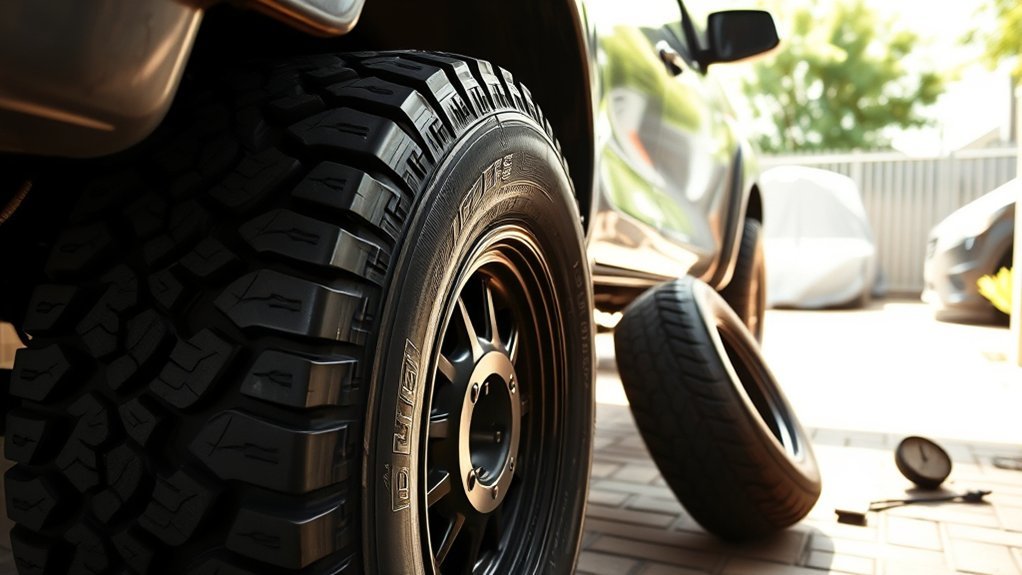
Tire sidewalls crack when the rubber loses flexibility or gets damaged. On a Toyota Hilux, that can happen faster if the truck carries heavy loads, tows, drives on rough roads, or spends long periods parked in direct sunlight.
Common causes include:
- Age: Rubber and internal tire materials change over time. The National Highway Traffic Safety Administration says tire aging is affected by service, storage, and environmental conditions.
- Sun and heat: Long UV exposure and warmer climates can speed up rubber aging, especially on trucks parked outside.
- Underinflation: Low pressure lets the sidewall flex too much. That creates heat and strain.
- Overinflation: Too much pressure can reduce the contact patch and make the tire more vulnerable to impact damage.
- Overloading: Carrying more than the Hilux load rating puts extra stress on the sidewalls.
- Road impacts: Potholes, sharp rocks, kerbs, and off-road hits can bruise or cut the sidewall.
- Harsh chemicals: Strong degreasers, petroleum-heavy dressings, and solvents can dry or stain rubber if they are not safe for tires.
Small surface lines may be early weathering. Deep cracks, splits, bulges, or exposed material are different because they can point to structural damage.
[Products Worth Considering]

EVOULTES heavy duty tire inflator with an integrated gauge delivers accurate pressure readings from 10–120 PSI, helping you inflate, deflate, and check tires in one tool. The 16.5-inch extended dual-head air chuck with swivel base reaches hard-to-access dual wheel valves on trucks and RVs. A brass trigger core and side-mounted air release valve make operation smooth, with standard 1/4" NPT threading and quick-connect compatibility for easy setup.

This portable cordless tire inflator delivers fast, efficient inflation for cars, motorcycles, bikes, and sports balls with a digital pressure gauge. Use the one-click PSI preset with auto shut-off for accurate, hands-free topping to your target pressure up to 150 PSI. It’s compact and rechargeable with a built-in emergency LED light plus valve adapters and accessories for quick, ready-to-go use.

Blackline Blackout is a water-based trim and tire dressing that restores rubber, vinyl, and plastic with a rich satin, blackout look. Its no-sling formula dries quickly and helps prevent messy transfer onto paint. The coating repels water and offers UV protection to help prevent fading, cracking, and discoloration for a clean, long-lasting finish.
Signs Your Toyota Hilux Tires Are Cracking
Walk around your Hilux and look at each outer sidewall first. Then check as much of the inner sidewall as you can see with a flashlight. The inside sidewall often gets missed, even though it can be damaged by rocks, road debris, and kerb strikes.
Watch for these warning signs:
- Hairline cracks: Thin, shallow lines on the sidewall surface.
- Spiderweb checking: Many small cracks grouped together, often caused by age, sun, or storage conditions.
- Deep grooves or splits: Cracks that look open, dark, or deep enough to catch a fingernail.
- Bulges or bubbles: A swollen spot can mean internal tire damage.
- Grey, dry, or chalky rubber: This may show that the tire is drying out.
- Exposed cords or fabric: This is a serious safety concern and the tire should not be driven on.
- Repeated pressure loss: A tire that will not hold pressure needs inspection, even if the crack looks small.
- Vibration, pulling, or thumping: These symptoms can point to tire damage, belt issues, imbalance, or alignment problems.
Note: Tire aging is not always visible. A tire can look acceptable from a distance but still be old, heat-damaged, underinflated, or weakened by an impact.
How to Inspect Hilux Tire Sidewalls Step by Step
A monthly inspection is enough for most drivers, but check sooner after off-road driving, towing, a kerb strike, a pothole hit, or a long trip in hot weather.
- Park safely and let the tires cool. For the most accurate pressure reading, check tires cold, before driving or after the truck has been parked for at least three hours.
- Clean heavy dirt first. Mud can hide sidewall cracks. Use mild car-wash soap, water, and a soft brush or microfiber towel.
- Check the outer sidewall. Look around the full tire for cracks, cuts, bubbles, scrapes, and dry patches.
- Check the inner sidewall. Use a flashlight. Turn the front wheels left and right to improve access, and have a shop check the rear inner sidewalls if you cannot see them well.
- Inspect the bead area. Look where the tire meets the wheel. Cracks, leaks, corrosion, or damage here can cause pressure loss.
- Read the tire date code. Look for the DOT Tire Identification Number. The last four digits show the week and year the tire was made, such as 2422 for the 24th week of 2022.
- Check tread and wear pattern. Uneven shoulder wear can point to low pressure, alignment problems, hard cornering, or worn suspension parts.
- Check pressure with a gauge. Use the Hilux door placard or Toyota owner’s manual for the correct cold tire pressure for your model, tire size, and load.
- Check the spare. A spare can age and crack even if it has never been used.
- Book a professional inspection if unsure. A tire technician can remove the wheel, inspect the inner sidewall, check for hidden impact damage, and confirm whether the tire is safe.
Essential Tire Maintenance for Longevity
Maintaining the health of your Toyota Hilux tires is one of the simplest ways to reduce sidewall stress. Start with pressure, because pressure affects tire shape, heat, handling, fuel use, and sidewall flex.
- Check tire pressure monthly: Include all four tires and the spare. Use a quality gauge, not just a visual check.
- Follow the Hilux pressure label: The correct pressure can vary by tire size, load, market, and model year.
- Rotate tires on schedule: Follow Toyota’s guidance for your Hilux. A common range is every 5,000 to 8,000 miles if rotation is recommended, or sooner if uneven wear appears.
- Balance and align when needed: Vibration, pulling, cupped tread, or uneven shoulder wear should be checked.
- Stay within load limits: Heavy tools, payload, trailer tongue weight, and roof loads all add stress.
- Drive carefully off-road: Rocks, ruts, sticks, and sharp edges can cut sidewalls quickly.
- Clean tires gently: Avoid harsh solvents and aggressive degreasers unless the label says they are safe for tires.
Pro Tip: Keep a small tire log in your glove box or phone. Record pressure, rotation date, tire age, and any cracks you notice. Photos make it easier to see whether a crack is spreading.
Why Keeping Your Tires Properly Inflated Matters
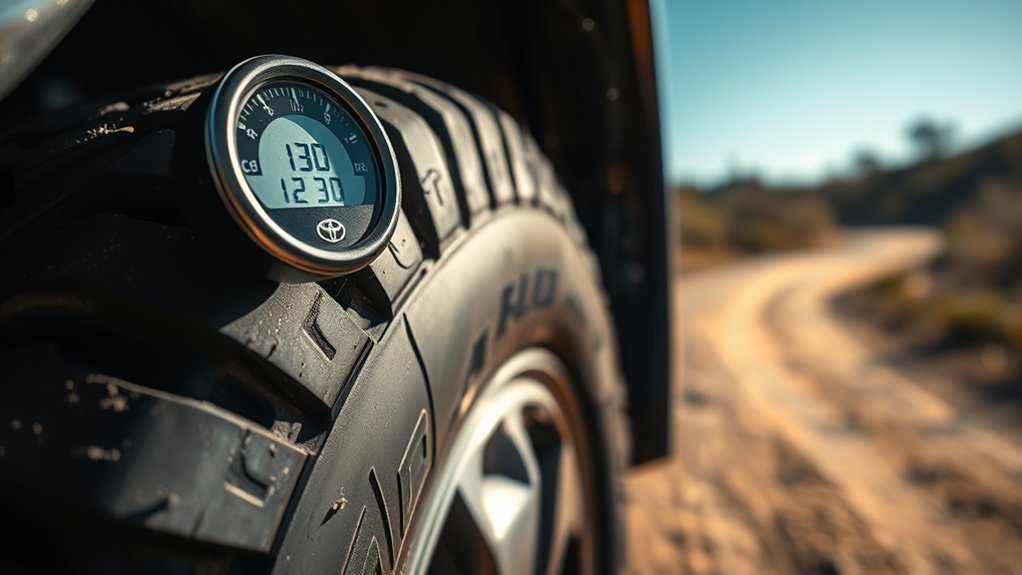
Proper inflation helps the tire keep its designed shape. When a Hilux tire is underinflated, the sidewall bends more than it should. That extra flex creates heat, weakens the tire over time, and can make cracks worse.
Overinflation is also a problem. It can reduce road contact, increase center tread wear, and make the tire less forgiving over sharp bumps. The correct pressure is not the maximum number molded on the tire sidewall. It is the cold tire pressure listed by Toyota for your Hilux.
According to FuelEconomy.gov, proper tire inflation can improve gas mileage by 0.6% on average and up to 3% in some cases. The safety benefit matters even more: properly inflated tires last longer and are less likely to overheat.
If your Hilux has a tire pressure monitoring system, still use a gauge. TPMS warnings usually appear only after a tire is already significantly underinflated, so they do not replace monthly checks.
How to Maintain Tire Longevity and Protect Against UV Damage
Sunlight and heat can dry rubber and speed up tire aging. This matters if your Hilux is parked outside, stored for long periods, or used in hot climates.
Use these habits to reduce UV and storage damage:
- Park in shade when practical: A garage, carport, or shaded area reduces direct sun exposure.
- Use tire covers for long parking: Covers help when the truck sits outdoors for weeks at a time.
- Move the truck during long storage: If safe, roll the vehicle slightly from time to time to reduce flat-spotting and repeated stress on the same area.
- Store loose tires correctly: Keep them cool, dry, clean, and away from direct sunlight, electric motors, solvents, and ozone sources.
- Wash off salt and chemicals: Road salt, mud, and harsh cleaners can make rubber age faster.
- Use a rubber-safe protectant: Choose a product that clearly says it is safe for tires or rubber, and follow the label.
A protectant can help slow surface fading and drying, but it cannot reverse sidewall cracking. If the rubber is already split, bulging, or leaking, replace the tire instead of dressing it.
[Products Worth Considering]

The JACO FlowPro Tire Inflator measures, inflates, and airs down tires up to 100 PSI with battery-free operation and ±2% accuracy after calibration. It features a glowing pressure dial for night visibility, a heavy-duty steel build with a hybrid hose, and a precision push-to-inflate thumb trigger. The patented Lightning Air Chuck locks on for a secure seal, and the kit includes quick-connect hardware for easy inline use with your air compressor.

This portable cordless tire inflator delivers up to 160 PSI with fast 17 L/min airflow to help you quickly top up tires and get back on the road. It features dual power mode, running on a 21V rechargeable battery or a 12V DC adapter for convenient roadside use. An automatic shut-off with digital pressure gauge helps prevent overinflation, and a built-in LED light improves visibility in low-light conditions.
When Should You Get Your Tires Professionally Inspected?
Get a professional tire inspection at least twice a year if your Hilux is older, carries heavy loads, tows, sits outdoors, or sees regular off-road use. Also book an inspection right away if you notice any of these signs:
- Deep sidewall cracks, cuts, or splits
- A bulge, bubble, or soft spot on the sidewall
- Exposed cords, fabric, or inner tire material
- Pressure loss that returns after reinflation
- Vibration, thumping, pulling, or steering shake
- Uneven tread wear, especially on the shoulders
- Cracks on tires that are six years old or older
- Damage after hitting a pothole, kerb, rock, or road debris
NHTSA reports that 511 people died in tire-related crashes in 2024. Tire checks are not cosmetic maintenance. They are part of safe driving.
When to Replace a Cracked Hilux Tire
Not every tiny surface line means instant replacement, but some signs are not worth gambling with. Replace the tire or stop driving until a tire technician checks it if you see:
- Cracks deep enough to expose cords, fabric, or inner layers
- Any bulge or bubble on the sidewall
- Cracks spreading around the sidewall or between the tread and sidewall
- Repeated pressure loss
- Sidewall damage after impact
- Vibration or thumping that starts suddenly
- Cracking on an old tire that is near or past the tire maker’s age limit
Many vehicle and tire manufacturers recommend replacing tires somewhere in the six-to-10-year range, even when tread remains. Check your tire maker’s guidance, Toyota’s manual, and the DOT date code on each tire.
Best Tire Protectants for Toyota Hilux Owners

When it comes to protecting your Toyota Hilux tires, the safest choice is a rubber-safe, non-greasy protectant used exactly as directed. A protectant should support tire care, not hide damage.
Top Tire Protectants Available
- 303 Automotive Protectant: The manufacturer says it provides UV protection for rubber, vinyl, and plastic surfaces, dries to a matte finish, and should be reapplied every 3 to 5 weeks or 30 to 45 days for continued protection.
- Tire balm or tire-specific protectant: Choose one that clearly says it is safe for automotive tires. Avoid greasy products that sling onto paint or brakes.
- Water-based protectants: These are often easier to apply evenly and less likely to leave a heavy shine.
- Products to avoid: Skip harsh solvents, unlabelled cleaners, and anything that warns against use on rubber or tires.
Benefits of Regular Application
Regular use of a rubber-safe tire protectant can help reduce UV-related fading and surface drying. It can also make tires easier to clean because less dust and grime sticks to the sidewall.
Apply protectant only to clean, dry sidewalls. Do not spray it on the tread, brake parts, pedals, floor mats, or any surface where slipperiness would be dangerous. Buff off excess product so it does not sling while driving.
Frequently Asked Questions
How do I keep Toyota Hilux tire sidewalls from cracking?
Check cold tire pressure monthly, keep the truck within its load rating, rotate tires as Toyota recommends, wash the sidewalls with mild soap, avoid harsh chemicals, park out of direct sun when possible, and inspect for cracks, bulges, or air loss.
What causes tires to crack on the sidewalls?
Sidewall cracking is usually caused by age, sunlight, heat, poor storage, low pressure, overloading, impact damage, or chemical exposure. On a Hilux, towing, payload, gravel roads, and long outdoor parking can add extra stress.
Is it safe to drive on a tire with a cracked sidewall?
Do not drive on a tire with deep cracks, bulges, exposed cords, vibration, or air loss. Fine surface checking may not mean immediate failure, but it should be monitored and checked by a tire professional if the tire is old or the cracks are spreading.
Can tire dressing stop sidewall cracks?
No. Tire dressing or protectant can help slow UV-related surface drying when used correctly, but it cannot repair cracked rubber or make a damaged tire safe. Replace the tire if cracks are deep or structural.
How old is too old for Hilux tires?
Check the DOT date code on each tire. Many vehicle and tire manufacturers recommend replacement in the six-to-10-year range, regardless of tread depth. Heat, sun, low mileage, and poor storage can make aging a concern sooner.
Conclusion
To keep your Toyota Hilux tire sidewalls from cracking, focus on the basics that reduce rubber stress: correct cold pressure, regular inspections, clean sidewalls, sensible loading, scheduled rotation, careful off-road driving, and protection from long sun exposure. Small surface cracks should be watched closely, but deep cracks, bulges, air loss, exposed cords, or vibration call for professional inspection or replacement. A few minutes of tire care each month can prevent bigger repair costs and help keep your Hilux safer on the road.
Sources
- NHTSA TireWise Tire Safety — tire pressure checks, tire aging, tire damage, TPMS limits, tread replacement, and rotation guidance.
- FuelEconomy.gov: Keeping Your Vehicle in Shape — proper tire inflation and fuel-economy impact.
- Toyota Owner’s Manuals — model-specific Toyota owner guidance for tire pressure, loading, and maintenance schedules.
- 303 Automotive Protectant by Gold Eagle — rubber-safe UV protectant uses and reapplication guidance.

Related Articles
Toyota Hilux Run-Flat Tires: What You Need to Know
Take control of your safety with Toyota Hilux run-flat tires; discover their benefits and hidden costs that could change your driving experience forever.
Read More
Effects of Underinflated Tires on the Toyota Hilux
Inadequate tire pressure in your Toyota Hilux can lead to serious safety issues and costly repairs; discover how to avoid these pitfalls.
Read More
The Risks of Overinflating Toyota Hilux Tires
Overinflating your Toyota Hilux tires can lead to dangerous blowouts and uneven wear, but understanding the risks is crucial for your safety.
Read More