
Why Toyota Hilux Tire Noise Varies by Tread Type
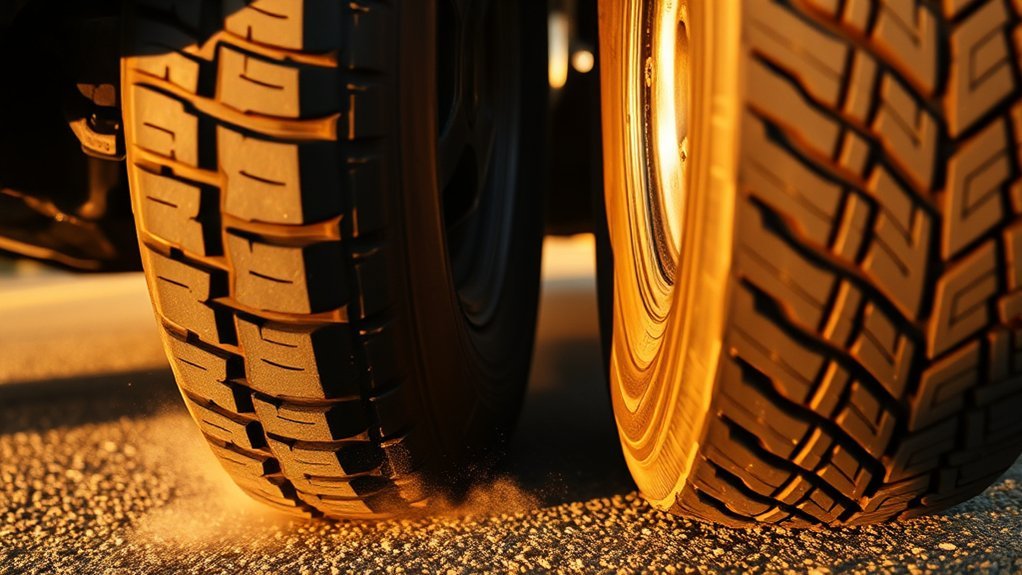
Tire noise in your Toyota Hilux varies mainly due to tread patterns. Aggressive treads with larger blocks generate more sound, while smoother, continuous designs keep noise levels down, especially on highways. Softer rubber compounds also absorb vibrations, resulting in quieter rides. Additionally, tire pressure plays an important role; overinflated tires can increase noise. If you’re curious about how other factors like road conditions and vehicle features affect your experience, there’s more to explore on this topic.
Understanding Tire Noise: What Affects Sound Levels?
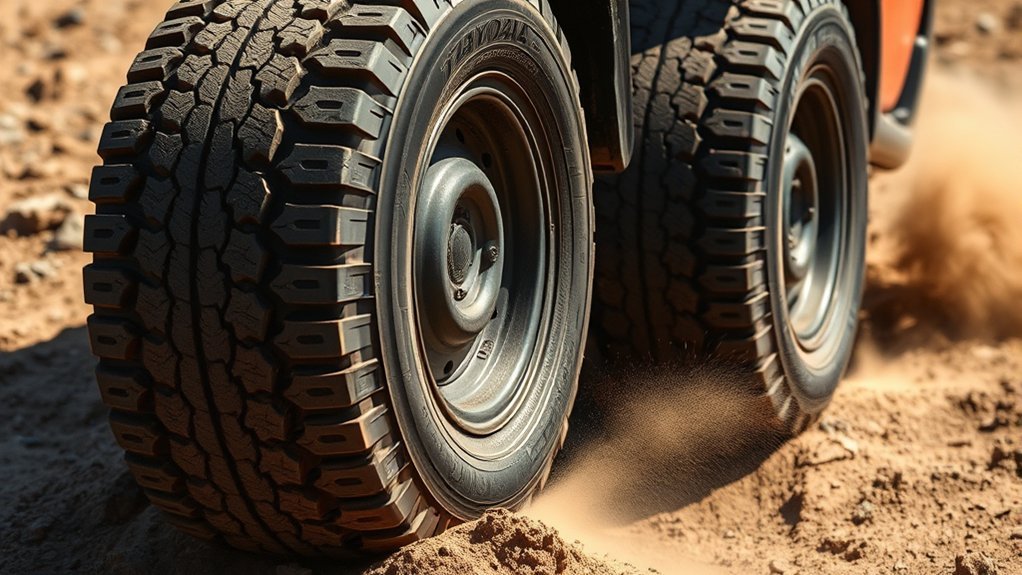
When you drive, the noise your tires make can be more than just background sound; it’s influenced by several factors. Tire tread patterns play an essential role in this equation. Aggressive, chunky designs generate more noise due to larger, uneven tread blocks, while continuous patterns are quieter. The material matters too; softer rubber compounds absorb tire vibration and reduce sound frequency, whereas harder compounds transmit more noise into your cabin.
Road surfaces also impact your experience. Smooth asphalt tends to dampen noise, while rough concrete amplifies it. Proper tire maintenance—like keeping correct pressure and rotating tires—can minimize noise from uneven wear and alignment issues. Finally, your vehicle’s design matters; luxury models often have better insulation, leading to a quieter ride. Understanding these factors empowers you to choose tires that enhance your driving experience.
The Impact of Tire Tread Patterns on Noise Production
When you choose a tire, the tread pattern plays a vital role in how much noise it produces. Aggressive tread designs, often found on off-road tires, can create more sound due to their larger blocks, while highway tires with continuous patterns are engineered to keep things quiet. Understanding these differences helps you make a more informed decision based on your driving needs and preferences.
Types of Tread Patterns
Tire tread patterns play an essential role in determining the noise levels you experience while driving. Your choice of tread design can greatly affect noise frequency at various speeds. Here are four common types:
- Aggressive Tread Patterns: Larger, uneven blocks create turbulence, generating more noise, especially off-road.
- Continuous Tread Patterns: Smaller, closely spaced blocks minimize noise, ideal for smooth highway driving.
- Summer Tire Designs: These prioritize quiet operation on paved surfaces, reducing cabin noise effectively.
- Directional Treads: Their unique shape creates distinct noise profiles as air moves around them.
Understanding these tread types helps you choose tires that align with your driving preferences, balancing performance and tranquility on the road.
Noise Level Comparison
Selecting the right tire tread pattern can considerably affect your driving experience, particularly regarding noise levels. Aggressive tread designs, common in off-road tires, disrupt airflow with larger, uneven blocks, leading to increased cabin noise. In contrast, continuous tread patterns with smaller, closely spaced blocks excel in minimizing sound, making them ideal for highway driving. Summer and touring tires, engineered for quieter performance, utilize smoother designs to further reduce noise measurement. Additionally, softer rubber compounds absorb vibrations, offering a more serene ride compared to harder alternatives. If you’ve been considering tire rotation, switching from off-road to touring tires can considerably decrease noise levels, enhancing your overall driving experience and liberating you from unwanted distractions.
Off-Road vs. Highway Tires
While off-road tires excel in rugged terrains, their aggressive tread patterns come at a cost: increased noise levels. When you’re choosing between off-road and highway tires, consider how tread design impacts noise perception. Here’s what to keep in mind:
- Off-road tires: Chunky, aggressive patterns create traction but amplify noise.
- Highway tires: Continuous, closely spaced blocks minimize sound during your daily commute.
- Summer tires: Engineered for quiet operation, perfect for smooth asphalt.
- All-terrain options: Offer a balance but still generate more sound than highway-specific tires.
Prioritizing tire maintenance based on your driving conditions can help manage noise levels, ensuring a more enjoyable ride, whether you’re conquering trails or cruising highways.
How Tire Compound Affects Noise Levels
The hardness of the rubber compound in your tires plays an essential role in how much noise you hear on the road. Softer compounds absorb vibrations better, leading to a quieter ride, while harder compounds transmit more noise into the cabin. Additionally, advanced noise-dampening technologies can enhance this effect, making your driving experience even more comfortable.
Rubber Hardness Impact
How does the hardness of a tire’s rubber compound influence your driving experience? The impact is significant, shaping both tire performance and driving comfort. Here’s how:
- Softer Compounds: Absorb road vibrations, providing a quieter ride.
- Harder Compounds: Transmit more noise, leading to a louder cabin experience.
- Durability Trade-off: While harder tires last longer, they may compromise comfort with increased noise.
- Application Suitability: Softer tires excel on highways, while harder ones shine off-road.
In essence, choosing the right rubber hardness can transform your journey. Softer tires enhance comfort but might sacrifice longevity, while harder options offer durability at the cost of increased noise. Your choice defines the balance between a serene ride and lasting performance.
Noise-Dampening Technologies
When you choose tires, the impact of noise-dampening technologies can’t be overlooked, as they play an essential role in shaping your driving experience. Softer rubber compounds enhance tire insulation by absorbing road vibrations, creating a quieter ride compared to harder compounds that transmit noise into the cabin. Advanced designs often feature sound-dampening foam, greatly reducing overall tire noise. Additionally, continuous tread patterns with closely spaced blocks minimize noise levels, making them perfect for highway driving. Sophisticated belt and ply arrangements also boost sound absorption, further decreasing vibrations and enhancing stability. While softer compounds offer a tranquil experience, remember they may wear down faster than harder options, impacting durability. Choosing wisely can liberate you from unwanted noise.
Effects of Tire Pressure on Noise Levels
While many drivers focus on tread type and brand, tire pressure plays a crucial role in determining noise levels on the road. Proper tire maintenance and regular pressure monitoring can make a significant difference in your driving experience. Here’s how tire pressure affects noise:
- Overinflated Tires: They create a harsher ride, amplifying noise due to increased center wear.
- Underinflated Tires: These lead to irregular road contact, resulting in louder operation.
- Optimal Pressure: Tires inflated to the recommended levels can operate up to 20% quieter.
- Temperature Fluctuations: Changes can affect pressure, increasing noise if not adjusted promptly.
Common Tire Noises in the Toyota Hilux?
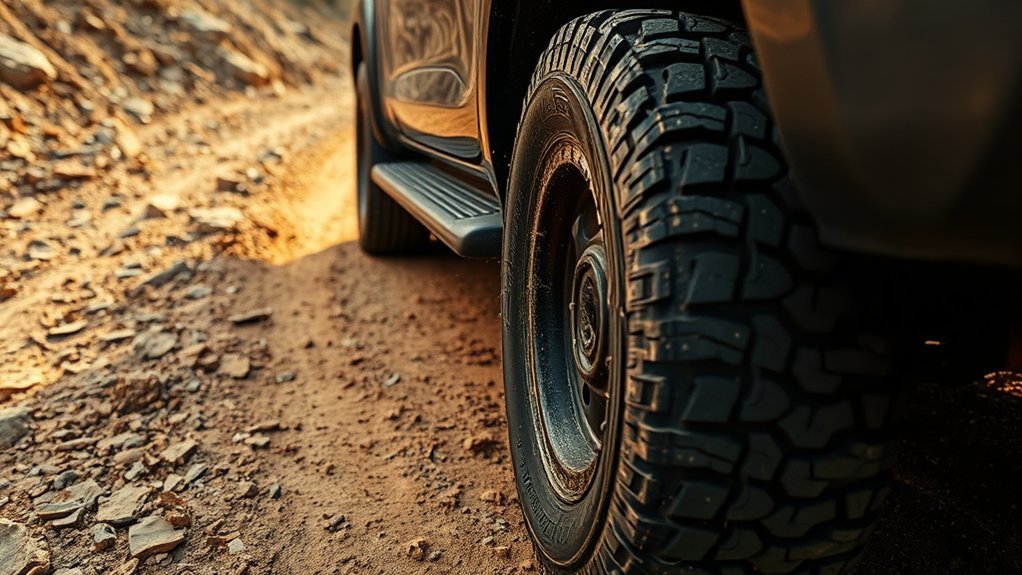
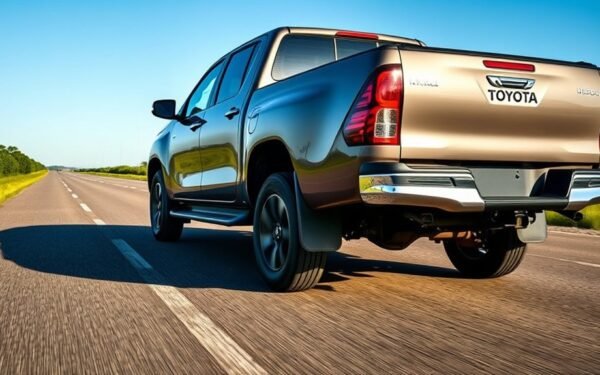
Tire noise in the Toyota Hilux can vary widely based on the tread type you choose, and understanding these differences is crucial for a quieter ride. Aggressive, chunky tire patterns often generate more noise due to their larger, uneven tread blocks, making them ideal for off-road adventures but not for tranquility. In contrast, touring tires with continuous tread designs feature smaller, closely spaced blocks, considerably reducing sound frequency and road noise.
Keep in mind that road surface conditions play an important role; rough concrete can amplify noise compared to smooth asphalt. Regular tire maintenance, such as proper inflation and rotation, can help mitigate these sounds, ensuring a more pleasant driving experience. By choosing the right tread type and maintaining your tires, you can enjoy the freedom of your Hilux without the disruptive clamor of excessive tire noise.
What to Do When You Hear Tire Noise?
Hearing unusual noises from your tires can be concerning, but it’s essential to take action quickly. Ignoring these sounds could lead to bigger problems down the road. Here’s what you should do:
- Conduct a tire inspection: Check for uneven wear or visible damage, which can increase noise levels and signal underlying issues.
- Ensure proper tire pressure: Maintain the manufacturer’s recommended pressure to prevent noise from over-inflation or under-inflation.
- Rotate your tires: Do this every 5,000-8,000 miles to promote even wear and reduce noise.
- Schedule a wheel alignment: Have this checked annually or after hitting a curb to minimize noise caused by misalignment.
If you notice persistent or unusual tire noises, consult a qualified mechanic for a thorough noise diagnosis. Taking these steps can help you maintain a quieter, safer driving experience.
Tips for Reducing Tire Noise in Your Hilux
To enjoy a quieter ride in your Toyota Hilux, you can implement several effective strategies that target tire noise reduction. Start by opting for touring or highway tires with continuous tread patterns, as these tend to produce less noise compared to aggressive, off-road designs. Regular tire maintenance is essential; verify proper inflation levels to avoid uneven wear that amplifies noise. Rotate your tires every 5,000 to 8,000 miles for even tread wear, further minimizing sound.
Consider investing in high-quality tires that utilize sound-dampening technologies; these can greatly enhance cabin tranquility. Additionally, keep an eye on your tires for signs of uneven wear or damage, as these issues can contribute to increased noise and might indicate alignment or suspension problems. By focusing on these strategies, you’ll not only reduce tire noise but also enhance your overall driving experience.
How Road Conditions Affect Tire Noise
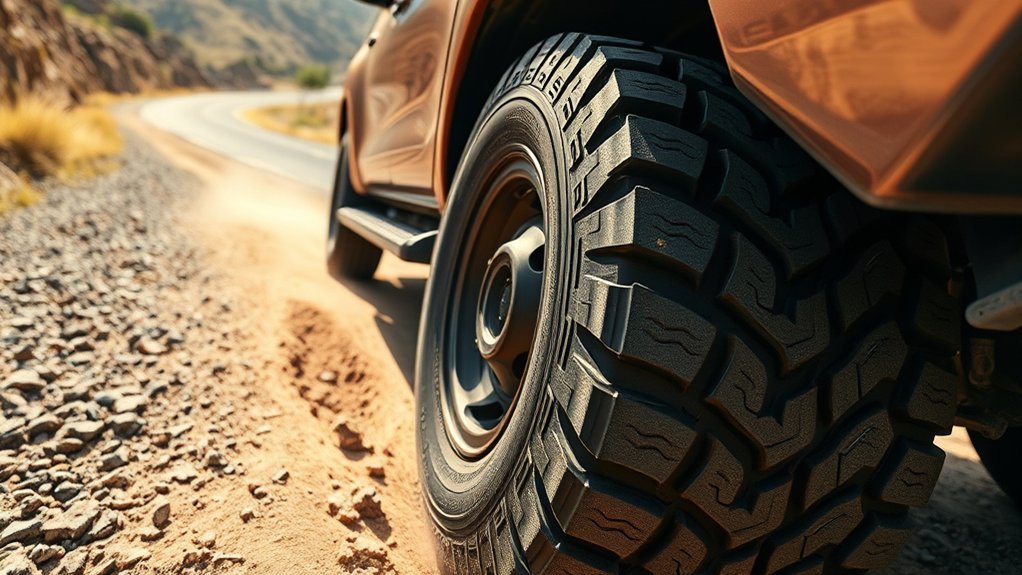
While driving, you might not realize how much road conditions impact tire noise. Different surfaces and weather can dramatically alter the sounds you hear, affecting your overall driving experience. Consider these factors:
- Road Surface: Smooth asphalt generates less noise, while rough concrete increases tire friction, amplifying sound levels.
- Weather Conditions: Wet roads can lead to sloshing and squealing, adding to noise management challenges.
- Tread Wear: Worn tires interact differently with surfaces, impacting sound insulation and tire friction.
- Vehicle Speed: Higher speeds can enhance tire noise, particularly on coarse surfaces or during adverse weather.
Your driving habits also play a role; aggressive acceleration or sudden stops can worsen the situation. Being aware of these factors allows you to make informed choices, liberating you from unnecessary noise distractions during your journeys.
Vehicle Features That Impact Tire Noise
Vehicle features play an essential role in shaping tire noise levels, influencing both your comfort and driving experience. The Toyota Hilux’s cabin insulation markedly reduces sound, especially in luxury trims compared to basic models. A well-designed cabin creates a quieter environment, allowing you to enjoy your ride more fully.
Additionally, the suspension design, including shock absorbers and springs, dampens road vibrations, further impacting noise levels. Larger tires with aggressive tread patterns may produce more sound due to increased air movement and road contact, so choosing the right tire is vital.
Don’t overlook tire maintenance, either. Regular rotation and balancing guarantee consistent performance and minimize noise from irregular wear. Finally, proper alignment is key; misalignment can lead to uneven tread wear, resulting in heightened noise levels. By focusing on these features, you can greatly enhance your driving experience in the Hilux.
Frequently Asked Questions
Why Do My Tires Sound Different on Different Roads?
Your tires sound different on various road surfaces due to how they interact with the terrain. Tire wear also affects noise; smoother surfaces reduce sound, while rougher ones amplify it, creating that distinct auditory experience.
What Tire Tread Pattern Is the Quietest?
If you think aggressive tires are the secret to blissful silence, think again! For noise reduction, continuous tread designs reign supreme, offering a smooth, quiet ride ideal for cruising in your Toyota Hilux.
Conclusion
In summary, understanding how tire tread type impacts noise can enhance your driving experience in a Toyota Hilux. Did you know that up to 30% of road noise in vehicles comes from tires? By choosing the right tread pattern and maintaining proper tire pressure, you can greatly reduce this noise. Staying aware of these factors not only improves comfort but also guarantees a quieter ride, allowing you to enjoy the journey more fully.

Related Articles
How Tire Choice Affects Toyota Hilux Fuel Efficiency
Keep your Toyota Hilux running efficiently by choosing the right tires—discover the surprising impact on fuel economy that awaits you!
Read More
Mud Terrain Highway Performance on the Toyota Hilux
Keen to enhance your Toyota Hilux’s highway performance with mud terrain tyres? Discover the key factors that will transform your driving experience.
Read More
How All-Terrain Tires Perform Off-Road on the Hilux
Know how all-terrain tires enhance your Hilux's off-road prowess while ensuring comfort on the highway—discover the secrets to maximizing their performance!
Read More