
Tire Wear Indicators on Toyota Hilux: Safety Guide
Worn tires can make your Toyota Hilux harder to stop, steer, and control in rain. Tire wear indicators give you a simple way to see when the tread has reached its safety limit. This guide explains where to find those indicators, how to read them, and when to replace your tires.
Quick Answer
To read the tire wear indicators on your Toyota Hilux, look inside the main tread grooves for small raised bars. When the surrounding tread wears down until it sits level with those bars, your tires have reached about 2/32 inch of tread and need replacement. Check all four tires because uneven wear can point to low pressure, poor alignment, or suspension issues.
Key Takeaways
- Check the tire wear bars inside the tread grooves during each tire inspection.
- Replace tires when the tread sits level with the wear bars at about 2/32 inch.
- Start planning replacement around 4/32 inch if you often drive in wet conditions.
- Inspect for uneven wear because it can signal inflation, alignment, or suspension problems.
- Use a tread depth gauge for a more accurate check than a visual inspection alone.
What Are Tire Wear Indicators on the Toyota Hilux?

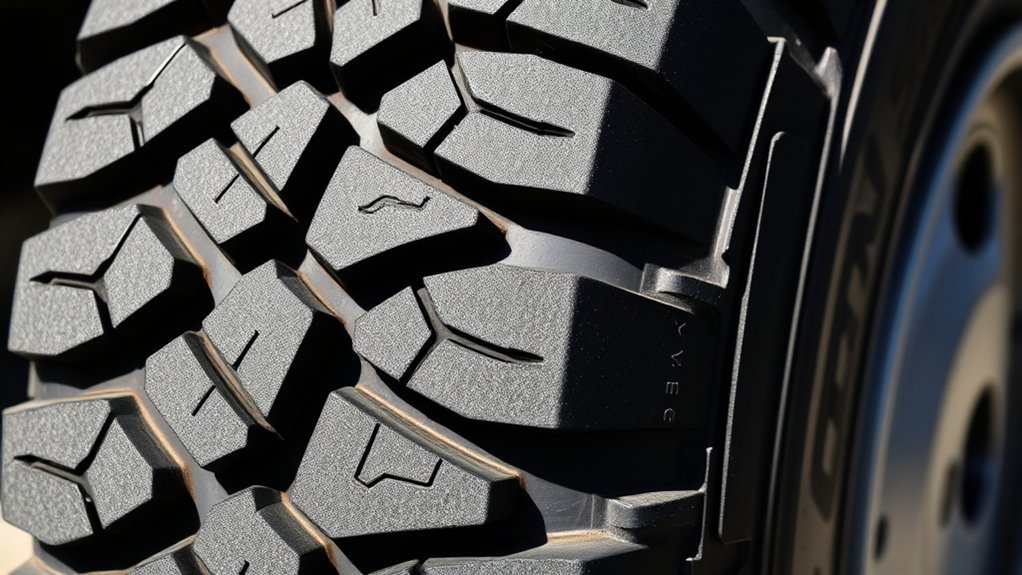
Tire wear indicators on the Toyota Hilux are small raised bars molded into the main tread grooves. They help you spot when your tires have worn down to the minimum legal tread depth used in the United States, which is 2/32 inch.
Manufacturers place these bars at several points around the tire, so you can inspect tread wear from different angles. When the tread sits level with the bars, replace the tire rather than waiting for more wear.
According to the National Highway Traffic Safety Administration, tires with too little tread can reduce traction and raise the risk of hydroplaning on wet roads. Regular checks help you catch that risk before it affects your Hilux’s grip.
How to Locate Tire Wear Indicators on Your Tires
To locate tire wear indicators on your Toyota Hilux, inspect the main tread grooves. Look for small raised bars that run across the groove from one tread block to the next. Good light makes them easier to see.
Common Indicator Locations
You can usually find the wear bars spaced around the tire’s circumference. Some tires also include small marks on the outer shoulder that point toward the wear bars.
- Look inside the widest tread grooves around the tire.
- Check more than one spot on each tire.
- Inspect after off-road driving or heavy towing.
- Compare all four tires for uneven wear.
When the wear bars sit flush with the tread surface, the tire has reached its replacement point. Don’t rely on one tire only, since each tire can wear at a different rate.
Visual Inspection Techniques
Park your Hilux on a flat surface and turn the front wheels to one side. This gives you a clearer view of the front tire grooves.
Look across the full tread face, not just the outer edge. If one side looks much lower than the other, check tire pressure and schedule an alignment inspection.
Using Tread Depth Tools
A tread depth gauge gives you the most accurate home reading. Place the probe into the main groove and press the gauge flat against the tread.
- Measure multiple grooves: Check the inner, center, and outer areas of each tire.
- Record the lowest reading: Use the shallowest point to judge tire safety.
- Watch the 2/32 inch limit: Replace the tire when it reaches this depth.
- Plan early in rain-prone areas: Consider replacement before the legal minimum.
How Tire Wear Bars Work to Ensure Safety
Tire wear bars show when the tread has reached about 2/32 inch. At that depth, the tire has much less tread to move water away from the road.
Warning: Replace tires at the wear bars because shallow tread can reduce wet-road grip and increase stopping distance.
| Tread Depth (inches) | Action Required |
|---|---|
| 4/32 | Consider replacement soon, especially for wet driving |
| 2/32 | Replace tires immediately |
| Below 2/32 | Unsafe; do not keep driving on these tires |
Wear bars also help you compare tread depth across the tire. If one part of the tire reaches the bars sooner, your Hilux may have an inflation or alignment problem.
Recognizing When It’s Time to Replace Your Tires
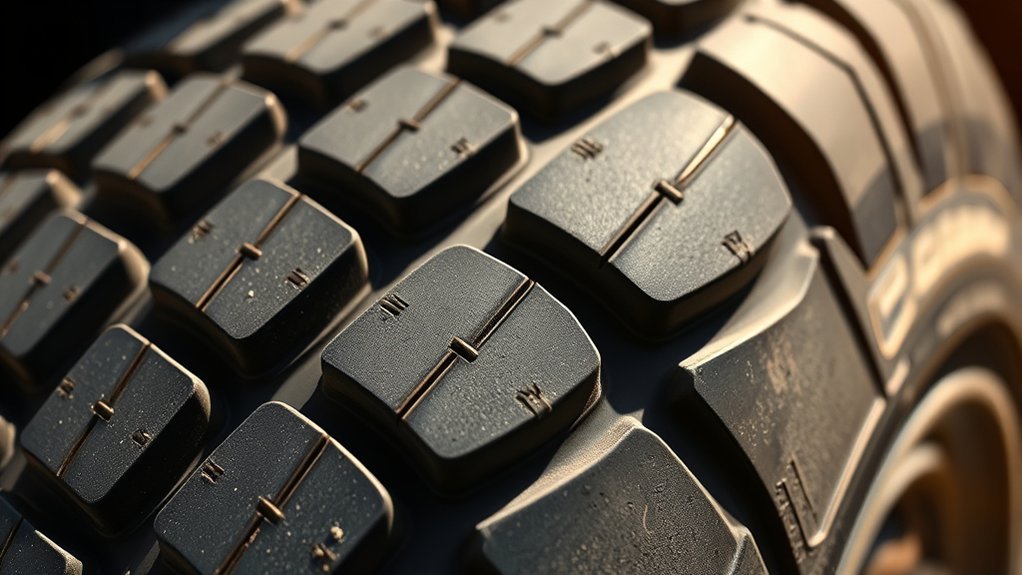
Replace your tires when the tread reaches 2/32 inch or the wear bars sit level with the tread. Don’t wait until the tire looks smooth, since performance has already dropped by then.
If your tread depth reaches 4/32 inch, start shopping for replacement tires, especially if you drive in heavy rain. Shallower tread can struggle to clear water from the road surface.
Watch for these signs during each check:
- Tire wear indicators sit flush with the tread.
- The penny test shows all of Lincoln’s head.
- Tread depth gauge readings fall near 2/32 inch.
- Cracks, bulges, cuts, or exposed cords appear on the tire.
[Products Worth Considering]

EVOULTES heavy duty tire inflator with an integrated gauge delivers accurate pressure readings from 10–120 PSI, helping you inflate, deflate, and check tires in one tool. The 16.5-inch extended dual-head air chuck with swivel base reaches hard-to-access dual wheel valves on trucks and RVs. A brass trigger core and side-mounted air release valve make operation smooth, with standard 1/4" NPT threading and quick-connect compatibility for easy setup.

Universal magnetic jack pad with aluminum grooved design to protect vehicle pinch welds during lifting. Durable nylon pad inserts are upgraded and secured with screws to resist damage and keep in place. Designed to fit most single vehicle pinpoint welds for safer, stable jacking when changing tires, repairs, or performing oil changes.

The JACO FlowPro Tire Inflator measures, inflates, and airs down tires up to 100 PSI with battery-free operation and ±2% accuracy after calibration. It features a glowing pressure dial for night visibility, a heavy-duty steel build with a hybrid hose, and a precision push-to-inflate thumb trigger. The patented Lightning Air Chuck locks on for a secure seal, and the kit includes quick-connect hardware for easy inline use with your air compressor.
Why You Should Regularly Check Your Tire Tread
Regular tire checks help protect your safety and your budget. They also help your Hilux handle, brake, and ride as the manufacturer intended.
Enhanced Safety Measures
Good tread helps your tires grip the road and channel water away from the contact patch. That matters most during sudden stops, turns, and wet-road driving.
- Improve traction in rain.
- Reduce the risk of hydroplaning.
- Help maintain steering control.
- Reveal early signs of tire or suspension trouble.
Pair tread checks with monthly tire pressure checks. Proper inflation helps the tread wear more evenly.
Improved Vehicle Performance
Healthy tread helps your Hilux brake, corner, and pull away with more control. Worn or uneven tires can make the steering feel vague or cause vibration at speed.
Check the tread before long trips, towing, or off-road driving. These uses place more heat and stress on your tires.
Cost-Effective Tire Maintenance
Regular tread checks help you catch small issues before they ruin a full tire set. Uneven wear often points to a fixable cause, such as low pressure or poor alignment.
- Check pressure monthly: Use the pressure listed on your vehicle placard.
- Rotate tires on schedule: Follow your Hilux owner’s manual.
- Inspect after impacts: Check tires after potholes, rocks, or curb hits.
- Fix uneven wear early: Address alignment or suspension issues before replacing tires.
Measuring Tire Tread Depth: A Quick Guide
Use a tread depth gauge for the best reading. Check each tire in at least three places: the inner groove, center groove, and outer groove.
You can also use the penny test for a quick screen. Insert a penny into the tread with Lincoln’s head facing down. If you can see the top of his head, your tire has reached about 2/32 inch and needs replacement.
A gauge works better than the penny test because it gives you a number. Keep a simple record so you can track wear over time.
[Products Worth Considering]

This portable cordless tire inflator delivers fast, efficient inflation for cars, motorcycles, bikes, and sports balls with a digital pressure gauge. Use the one-click PSI preset with auto shut-off for accurate, hands-free topping to your target pressure up to 150 PSI. It’s compact and rechargeable with a built-in emergency LED light plus valve adapters and accessories for quick, ready-to-go use.
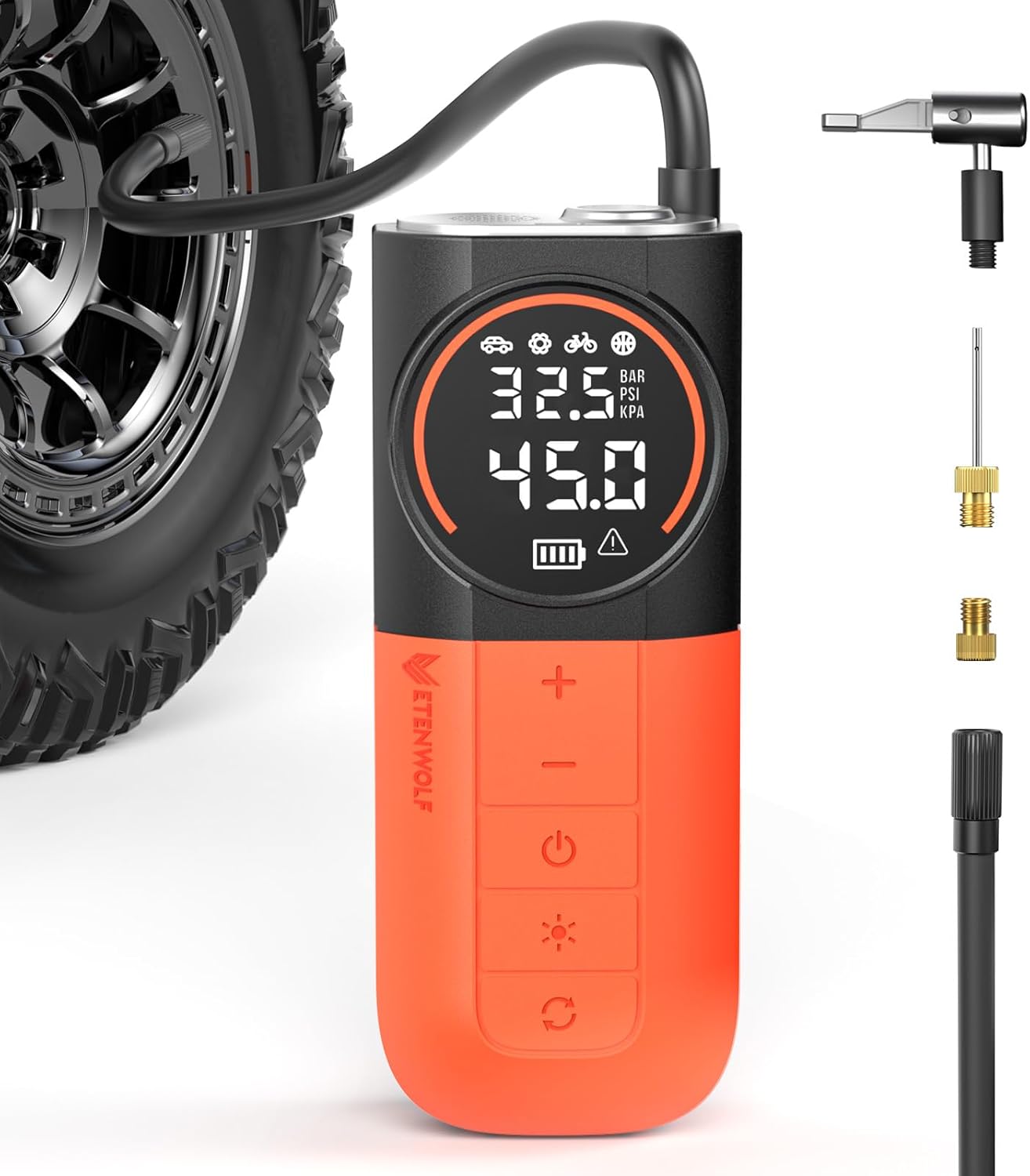
The ETENWOLF S1 cordless tire inflator delivers ultra-fast inflation with up to 160 PSI and a 20 L/min airflow for quicker tire top-offs. Its 5200mAh battery and cooling system support inflating many tires and sports balls on a single charge, while the digital pressure gauge and multi-unit display help you reach the right pressure accurately. With preset modes, pressure memory, an auto-stop feature, and an LED flashlight, it’s built for easy roadside and everyday use.

ACCURACY TIRE THREAD TREAD DEPTH GAUGE, Reads in 1/32 inch increments.Stuffers for Men and Women
Identifying Uneven Tire Wear
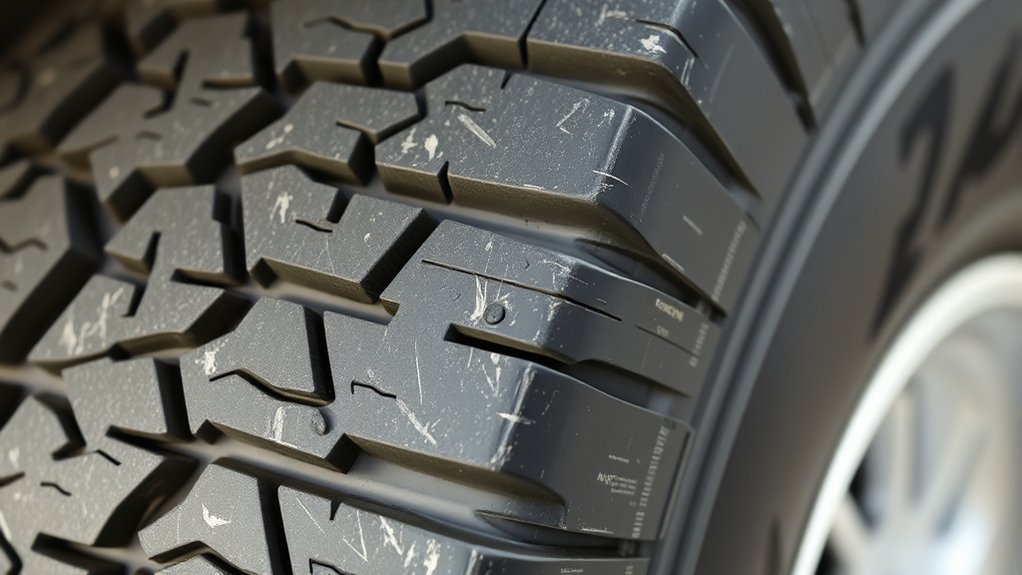
If your Toyota Hilux handles differently, uneven tire wear may play a role. Inspect the tread pattern across each tire and compare the left and right sides.
- Outer edge wear: Check for under-inflation, hard cornering, or alignment issues.
- Center wear: Check for over-inflation.
- One-side wear: Schedule an alignment inspection.
- Patchy or cupped wear: Ask a technician to check shocks, struts, and suspension parts.
Use a tread depth gauge to confirm what you see. A visual check can miss small differences that affect handling.
Essential Maintenance Tips for Your Hilux Tires
Start with tire pressure. Check it when the tires are cold, and use the pressure on your Hilux’s tire information placard or owner’s manual.
Next, rotate your tires at the interval listed in your owner’s manual. Regular rotation helps each tire share the workload and wear more evenly.
Schedule an alignment check if your Hilux pulls to one side, the steering wheel sits off-center, or one tire wears faster than the others. Ask a tire professional to inspect any bulges, cracks, punctures, or vibration you can’t explain.
Pro tip: Take tread readings before and after tire rotation so you can spot uneven wear early.
[Products Worth Considering]
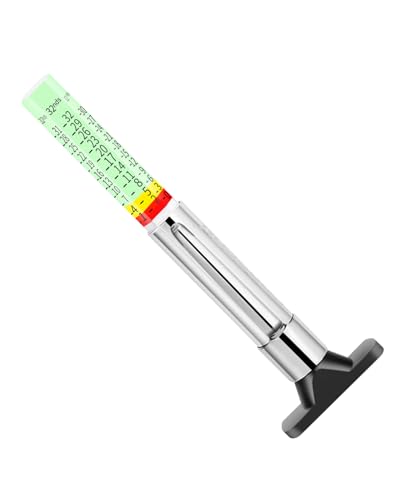
1.GLOW-IN-THE-DARK SCALE: The scale bar of tire tread depth gauge absorbs ambient or artificial light during the day and emits a soft, long-lasting glow in low-light or dark environments—Suitable for nighttime tire checks, dim garages, or roadside emergencies.

1.Accurate and Efficient: Different colors on the bar represents different scopes, the red range on bar: 0 - 3/ 32; Yellow range on bar: 3/ 32 - 6/ 32; Green range on bar: 6/ 32 - 32/ 32, allowing you easy and fast to read and calibrated

1. Accurately measures tire tread depth gauge, Calibrated from 0 to 1 inch in 1/32 inch
Frequently Asked Questions
Is a 700 Treadwear Rating Good?
Yes, a 700 treadwear rating can suggest long tread life when you compare tires from the same rating system. Treadwear grades work best for comparing tires within the same brand or category, not as a perfect mileage promise.
Can you drive on tires once the wear bars show?
You should replace tires once the wear bars sit level with the tread. At that point, the tire has reached about 2/32 inch of tread and has limited wet-road grip.
Should all four Hilux tires be replaced at once?
Replacing all four tires often gives you the most even handling, especially on four-wheel-drive models. If only two tires need replacement, ask a tire professional where to place the new pair based on your drivetrain and tire condition.
How often should you check tire tread on a Toyota Hilux?
Check tread depth at least once a month and before long trips. Also inspect your tires after towing, off-road driving, or hitting potholes or sharp debris.
What causes Hilux tires to wear unevenly?
Low pressure, high pressure, poor alignment, worn suspension parts, and missed tire rotations can cause uneven wear. Heavy loads and rough terrain can also speed up tread wear.
Safety Note
This article gives general tire safety information for Toyota Hilux owners. Your tire size, load rating, pressure, and service needs can vary by model year, trim, tire brand, and driving conditions. Follow your owner’s manual and ask a qualified tire technician to inspect any tire damage, vibration, or severe uneven wear.
Conclusion
Tire wear indicators give you a fast way to know when your Hilux tires need replacement. Check the wear bars, measure tread depth, and inspect all four tires for uneven wear. Replace tires before shallow tread puts your grip, braking, or control at risk. A few minutes of tire care can help every drive feel safer and more predictable.
References
- Tires — National Highway Traffic Safety Administration
- Vehicle Safety: Tires — National Highway Traffic Safety Administration
- Understanding Tire Treadwear, Traction and Temperature Grades — Federal Trade Commission

Related Articles
Toyota Hilux Run-Flat Tires: What You Need to Know
Take control of your safety with Toyota Hilux run-flat tires; discover their benefits and hidden costs that could change your driving experience forever.
Read More
Effects of Underinflated Tires on the Toyota Hilux
Inadequate tire pressure in your Toyota Hilux can lead to serious safety issues and costly repairs; discover how to avoid these pitfalls.
Read More
The Risks of Overinflating Toyota Hilux Tires
Overinflating your Toyota Hilux tires can lead to dangerous blowouts and uneven wear, but understanding the risks is crucial for your safety.
Read More