
Toyota Hilux Spare Tire Types and How They Differ
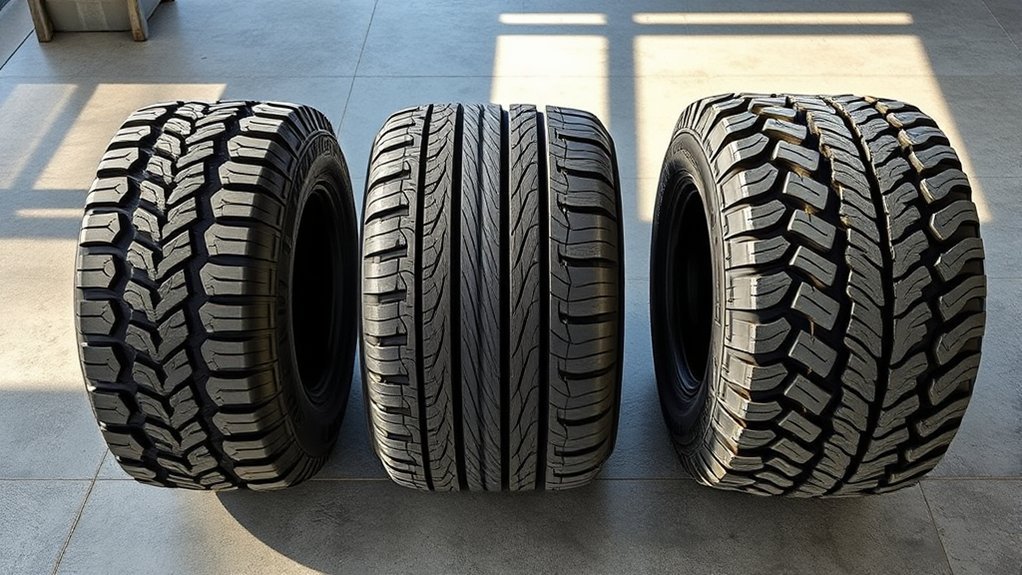
Choosing a spare tire for your Toyota Hilux is not just about saving space in the bed or under the vehicle. The right choice affects safety, towing confidence, off-road readiness, and how far you can travel after a puncture. For most Hilux owners, the best spare is the one that matches the tire placard, fits the wheel and brake package, carries the right load rating, and suits where the truck is actually driven.
Quick Answer
For most Toyota Hilux owners, a matching full-size spare is the safest and most practical choice, especially for towing, work use, long highway trips, or off-road driving. Compact spares and inflator kits can save space, but they are temporary solutions with speed, distance, and damage-type limits.
Key Takeaways
- A full-size spare is usually the best option for a Hilux used for towing, job sites, gravel roads, remote travel, or 4WD touring.
- A compact spare is for short, careful driving only. Always follow the speed, distance, pressure, and placement limits printed on the spare or listed in the owner’s manual.
- Run-flat tires can help after air loss, but they need compatible tires, a working tire pressure monitoring system, and strict distance/speed limits.
- Inflator kits are useful for small tread punctures, but they cannot fix sidewall damage, blowouts, cracked tires, damaged wheels, or many off-road punctures.
- Before buying any spare, confirm your exact Hilux year, market, trim, tire placard, wheel size, load rating, and storage location.
At a Glance
| Time Required | 10–20 minutes to check your placard, spare condition, pressure, storage mount, and tire tools. |
| Difficulty | Easy for inspection; professional help recommended for non-standard wheel, tire, or 4WD fitment changes. |
| Tools Needed | Tire pressure gauge, flashlight, tread-depth gauge, owner’s manual, tire placard, jack, lug wrench, and wheel-lock key if fitted. |
| Cost | Free to inspect; replacement cost varies by tire size, wheel type, load rating, brand, market, and whether you buy a tire only or a full wheel-and-tire assembly. |
Start With Your Hilux Tire Placard and Owner’s Manual
Before choosing any Toyota Hilux spare tire, confirm the exact tire size and pressure listed on your truck’s tire placard or owner’s manual. Do not rely only on the size printed on an old spare, a forum post, or a listing that says it fits “all Hilux models.” Toyota Hilux tire and wheel specifications can vary by model year, market, body style, trim, wheel package, and accessories.
As one current-market example, Toyota Australia’s May 2026 HiLux specification sheet lists 17-inch wheels and 265/65R17 tires for several listed models, while also warning that specifications and availability can change and should be confirmed with a dealer. Use that kind of official information as a guide, not as a universal rule for every Hilux. Toyota Australia’s HiLux specification sheet is a useful example of how trim-specific these details can be.
Also check the load index, speed rating, wheel diameter, wheel width, offset, center bore, brake clearance, and bolt pattern. For a work truck or 4WD Hilux, load rating matters just as much as size because the spare may need to carry the truck, cargo, passengers, and tow-ball load.
Note: The correct tire pressure is the vehicle manufacturer’s recommended cold pressure, not simply the maximum pressure printed on the tire sidewall. NHTSA also recommends checking all tires, including the spare. NHTSA TireWise is a good reference for tire pressure and tire-size basics.
Understanding Full-Size Spare Tires for Your Toyota Hilux
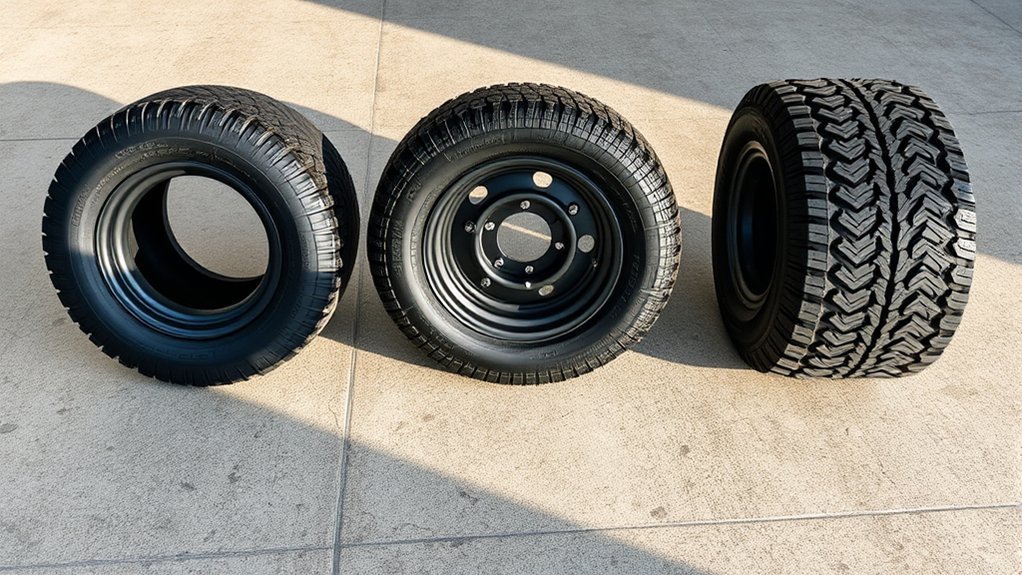
A full-size spare tire is the strongest choice for most Toyota Hilux owners because it can match the tires already on the truck. When the spare matches the tire placard, wheel fitment, load rating, and rolling diameter, it helps the Hilux maintain normal handling, braking, ground clearance, and 4WD driveline behavior.
This matters most if you drive long distances, carry tools or cargo, tow, travel on gravel, or use your Hilux off-road. A full-size spare gives you more flexibility than a compact spare or sealant kit because it can handle many punctures that a temporary solution cannot. It is also the most confidence-inspiring option when the nearest tire shop is far away.
That does not mean you can ignore the damaged tire forever. Even a matching full-size spare should be treated as a way to continue safely until the damaged tire is repaired, replaced, or professionally inspected. If your spare has a different tread pattern, different wear level, different load rating, or different overall diameter, drive cautiously and get the tire issue resolved quickly.
Pro Tip: If your Hilux is used off-road, rotate a matching full-size spare into your tire rotation schedule only if your tire shop confirms the wheel, tire, tread depth, and rotation pattern are suitable. This keeps the spare from aging unused while the road tires wear down.
Benefits and Limits of Compact Spare Tires
Compact spare tires, often called space-saver spares, are built to save weight and storage space. That can be useful in vehicles with limited storage, but it is usually less ideal for a Toyota Hilux that sees heavy loads, towing, corrugated roads, or off-road use.
The biggest advantage is convenience. A compact spare is lighter to lift, easier to store, and can help get you moving after a simple road puncture. The trade-off is that it does not match the normal tire’s size, tread contact patch, load capacity, handling, or heat tolerance.
Compact spares are temporary. Michelin’s guidance is clear that temporary spares do not have the same speed or mileage capability as normal tires, and compact spares should not exceed 50 mph unless the sidewall or manual gives a lower limit. Michelin’s spare tire guide also recommends avoiding aggressive acceleration, hard braking, and sharp cornering on a compact spare.
Warning: Do not use a compact spare for off-road driving unless your owner’s manual specifically allows it. A small temporary spare can reduce traction, ground clearance, braking stability, and 4WD driveline compatibility.
Run-Flat Tires for Your Toyota Hilux: Pros and Cons
Run-flat tires are designed so you can keep driving for a limited distance after air pressure is lost. Some Bridgestone run-flat tires, for example, are rated for up to 50 miles at speeds up to 50 mph after pressure loss, but the exact limit depends on the tire manufacturer and vehicle setup. Bridgestone’s run-flat tire guide also explains that run-flats require a working tire pressure monitoring system because the driver may not immediately feel the pressure loss.
The main benefit is safety and convenience. You may be able to leave a dangerous roadside location without immediately changing a tire. Run-flats can also free up spare-tire storage space in some vehicles.
The drawbacks are important for Hilux owners. Run-flat tires can ride firmer, cost more, and be harder to find in the correct Hilux size and load rating. They may also be less attractive for remote touring, construction sites, sharp rocks, towing, and long off-road trips, where tire damage may exceed the run-flat limit and a physical spare is still the safer backup.
Note: A run-flat is not a license to keep driving normally after a puncture. Slow down, avoid hard braking or cornering, follow the tire maker’s speed and distance limit, and have the tire inspected as soon as possible.
How Inflator Kits Simplify Tire Emergencies
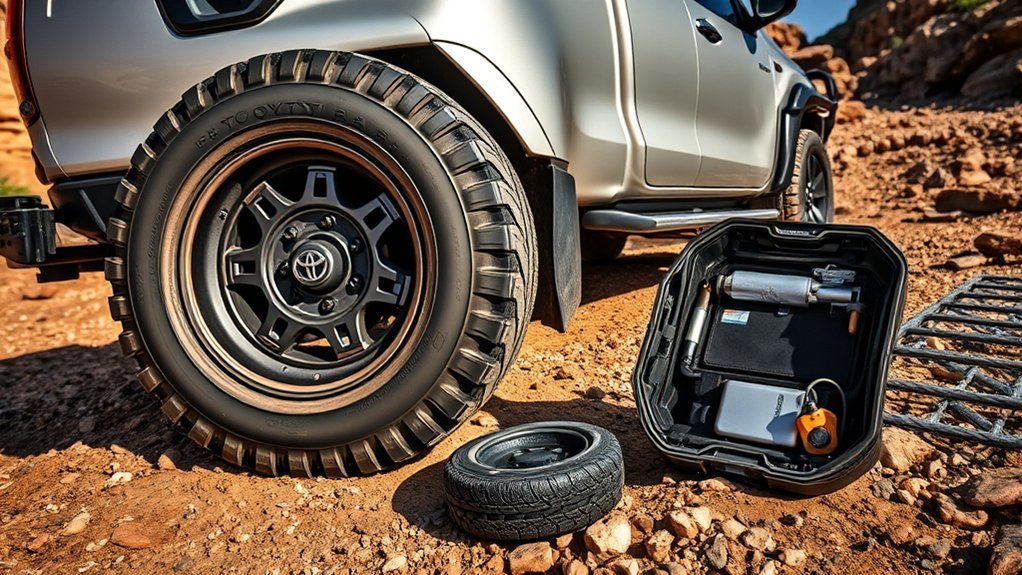
Inflator kits and emergency tire puncture repair kits can be useful when the damage is minor. They usually combine a small compressor with sealant so you can inflate the tire and temporarily seal a small puncture in the tread. Toyota’s emergency puncture repair guidance describes this type of kit as a temporary solution for certain nail or screw punctures through the tire tread. Toyota’s emergency tire puncture repair kit guidance is a helpful example of the limits that apply to these systems.
Inflator kits are compact, light, and easy to store. They are useful for city driving, short commutes, and drivers who want a quick way to handle a small tread puncture without immediately changing a tire.
They are not a complete replacement for a spare tire on a Hilux used for remote roads, towing, heavy loads, or off-road work. Sealant may not work on sidewall cuts, shoulder damage, large holes, cracked tires, damaged wheels, separated tread, or multiple punctures. Sealant also expires, so check the date on the bottle before relying on it.
Warning: If the tire has sidewall damage, a blowout, exposed cords, wheel damage, or a puncture too large for the kit, do not keep driving on it. Stop in a safe place and use a suitable spare, roadside assistance, or towing.
Full-Size vs Compact vs Run-Flat vs Inflator Kit
| Option | Best For | Main Benefit | Main Limitation |
| Matching full-size spare | Towing, work use, highway trips, 4WD touring, remote travel | Closest match to normal driving performance | Heavier and takes more storage space |
| Compact spare | Short emergency driving on sealed roads | Light and space-saving | Temporary, speed-limited, and poor for off-road use |
| Run-flat tires | Drivers who want limited mobility after pressure loss | May allow continued driving to a safer place | Needs compatible tires, TPMS, and strict speed/distance limits |
| Inflator or sealant kit | Small tread punctures near town | Small, light, and quick to use | Cannot repair many serious tire failures |
[Products Worth Considering]

Mount your spare tire directly to the inside wall of an enclosed trailer or garage to save space and keep your tire secure. This wall-mount spare tire carrier is designed for universal trailer tire fit and includes a fixed plate and chute for convenient screw replacement. Nylon insert hex lock nuts help prevent the tire from falling off, and wing hardware enables faster load and unload during maintenance.
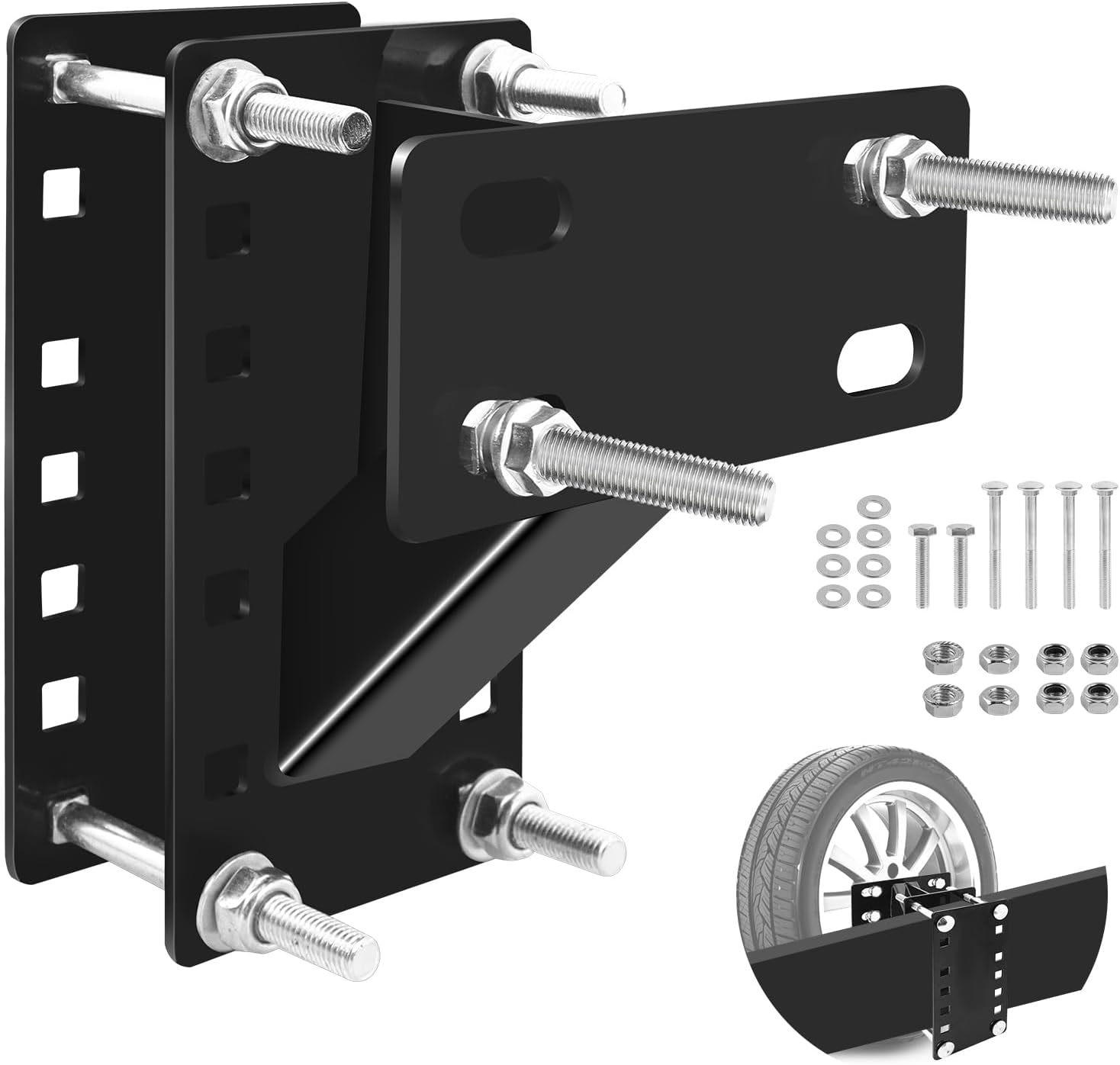
This universal spare tire mount carrier holder is built for utility trailers and boat trailers, offering a secure fit for 4, 5, and 6 lug wheels. It supports multiple bolt pattern sizes and a heavy-duty load capacity while resisting rust with a durable finish. The design allows easy installation and lets you choose the steel beam height for a better fit.

This universal spare tire mount fits 4, 5, and 6 lug trailer wheels with bolt patterns from 4" to 5.5" and helps keep your tire securely locked in place. Its reinforced triangular structure with a sturdy behind plate is designed to handle up to 150 lbs, making it suitable for boat, camper, and RV spare tire mounting. The angled raised design reduces wind resistance and installation is straightforward with different length bolts and no drilling required.
What to Look for When Choosing a Spare Tire
Choosing the right spare tire for your Toyota Hilux starts with compatibility. The spare should match your truck’s tire placard and owner’s manual wherever possible. If you are buying a wheel-and-tire assembly, confirm all of the following before purchase:
- Tire size: Match the placard or an approved equivalent size.
- Load index: Use a tire rated for the Hilux’s load, especially if you tow or carry tools, passengers, camping gear, or work equipment.
- Speed rating: Match the vehicle/tire requirement or follow the spare’s temporary limit.
- Wheel fitment: Confirm wheel diameter, width, offset, center bore, bolt pattern, and brake clearance.
- Rolling diameter: Avoid a mismatched diameter that can affect speed reading, handling, ABS, traction control, 4WD systems, or driveline stress.
- Pressure: Set cold pressure to the vehicle placard/manual or the spare-specific pressure if using a temporary spare.
- Storage: Make sure the spare fits the underbody carrier, bed mount, rear carrier, or tray setup without interfering with accessories.
- Tools: Check that the jack, handle, lug wrench, locking nut key, and spare-lowering tool are all present and usable.
If your Hilux has aftermarket wheels, a suspension lift, larger tires, a canopy, rear bar, long-range tank, or tray conversion, have a tire professional confirm that the spare still fits and remains safe for the vehicle’s load and drivetrain.
[Products Worth Considering]

Mount your spare tire off the floor and onto your wall using an e-track spare tire carrier that helps you stay organized in trailers, garages, and warehouses. The upgraded double-fittings design improves stability versus single-fittings and supports greater load bearing. Install by snapping into e-track anchor points and securing the tire with a lug-nut style bolt setup for quick, secure storage.

This spare tire tool kit is designed for the 2004 to 2018 Ford F-150 to help you loosen and tighten wheel lug nuts and manage the spare tire and provided jack functions from underneath the vehicle. It includes the lug nut wrench and extension pieces plus a convenient storage carrying case for organized transport. The jack itself is not included.

Product Type:Auto Part
Maintenance Checklist Before a Long Trip
A spare tire is only useful if it is ready before the puncture happens. Add these checks to your regular maintenance routine and repeat them before remote trips:
- Check cold pressure. Use a reliable gauge and follow the placard/manual or spare-specific pressure.
- Inspect the tread and sidewalls. Look for cracking, bulges, cuts, exposed cords, embedded objects, uneven wear, and dry rot.
- Check the tire age. USTMA explains that the Tire Identification Number on the sidewall shows the week and year the tire was made, and that spare tires can be affected by age even when tread wear is low. USTMA’s tire facts guide recommends regular inspections of all tires, including spares.
- Inspect the carrier or mount. Underbody spare carriers can collect dirt, moisture, rust, and road debris.
- Test the tools. Make sure you can lower the spare, loosen the wheel nuts, and operate the jack safely before you are stuck roadside.
- Replace expired sealant. If you carry an inflator kit, check the sealant bottle date and replace it before expiry.
The spare tire is part of the safety system, not a forgotten accessory. Check it with the same seriousness as the four tires on the road.
Best Spare Tire Choice by Driving Style
For city driving: A compact spare or inflator kit may be acceptable if your Hilux is rarely far from help and your owner’s manual supports that setup. Still, a matching full-size spare gives better flexibility.
For highway driving: A full-size spare is the safer choice because it avoids the speed and distance limits of a compact spare. This matters when the nearest service center is far away.
For towing and heavy loads: Choose a matching full-size spare with the correct load rating. A temporary spare or sealant kit is not ideal when the truck is carrying or towing significant weight.
For off-road and remote travel: A matching full-size spare is strongly recommended. Many off-road drivers also carry a tire repair kit, compressor, pressure gauge, and recovery gear, but those tools should support the spare, not replace it.
For work-site use: A full-size spare is best because job sites often create punctures from screws, nails, sharp rock, scrap metal, and heavy loads. Check the spare more often if it is stored under the vehicle.
[Products Worth Considering]
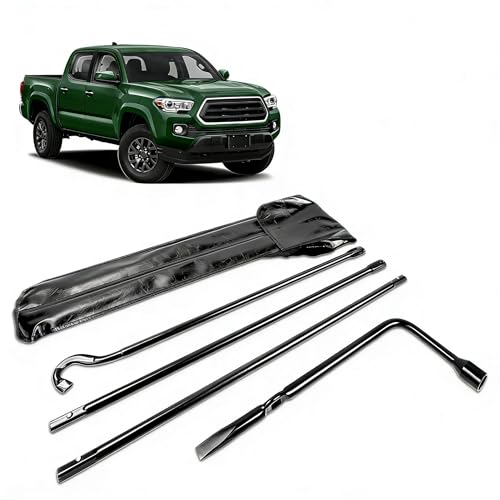
【Applicable Models】:Compatible with 2005-2022 Tacoma
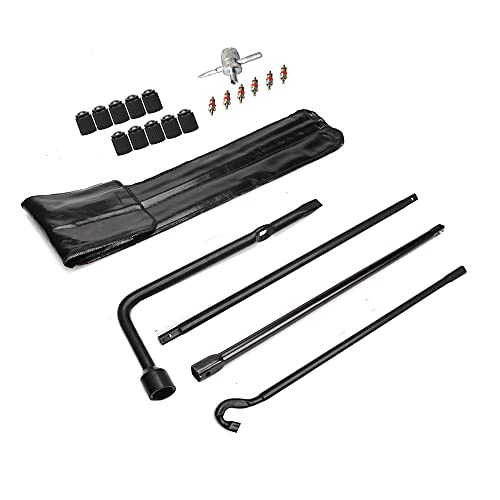
Premium OEM Upgraded Quality Spare tire tool: Stable strong rustproof automotive grade steel,tubing instead of soil designed made it more light,not only stong but also convenient.

COMPATIBILITY: Designed specifically for 2020-2025 Toyota Corolla (1.8L & 2.0L engines) and 2024-2025 Grand Highlander (2.4L & 2.5L engines) models as a direct replacement part
Frequently Asked Questions
What is the best spare tire type for a Toyota Hilux?
For most Hilux owners, the best choice is a matching full-size spare. It is the most suitable option for towing, carrying loads, highway driving, gravel roads, work sites, and off-road use. Compact spares and inflator kits are better viewed as temporary convenience options.
Can I use a compact spare for off-road driving?
No, not in normal off-road use. A compact spare has less traction, lower load capability, reduced ground clearance, and strict speed and distance limits. Use it only as a short emergency solution on suitable roads unless your owner’s manual clearly allows otherwise.
How do I properly store my spare tire?
Store the spare in the factory location or a secure carrier that protects it from movement and damage. Keep it clean, correctly inflated, and away from unnecessary chemical exposure. If it is mounted under the Hilux, inspect it for rust, mud, cuts, and carrier damage before long trips.
What is the lifespan of a spare tire?
A spare tire can age even if it has never been used. Check the Tire Identification Number or DOT/TIN date code, inspect for cracks or damage, and follow the tire and vehicle manufacturer’s service-life guidance. Have older spares inspected by a tire professional, especially before long or remote trips.
Are spare tires covered under warranty?
It depends on your market, tire maker, vehicle warranty, and whether the spare came with the vehicle or was bought separately. Damage from road hazards, underinflation, misuse, overloading, or age may be treated differently from a manufacturing defect. Check your warranty booklet, tire warranty, or Toyota dealer for your exact coverage.
How do I know when to replace my spare tire?
Replace the spare if it has sidewall cracks, bulges, exposed cords, severe tread wear, puncture damage, bead damage, repeated air loss, or an age that exceeds the tire or vehicle manufacturer’s guidance. Also replace a compact spare that has been overused beyond its temporary limits.
Can an inflator kit replace a spare tire on a Hilux?
An inflator kit can help with a small tread puncture, but it should not replace a spare for towing, job-site use, remote travel, or off-road driving. It cannot repair many serious failures, including sidewall cuts, blowouts, large holes, damaged wheels, or multiple punctures.
Do run-flat tires need a tire pressure monitoring system?
Yes. Run-flat tires can hide the feeling of pressure loss, so a working tire pressure monitoring system is important. Without a pressure warning, you may continue driving on a damaged or underinflated tire without realizing it.
Conclusion
When choosing the right spare tire for your Toyota Hilux, the safest answer depends on how and where you drive. A matching full-size spare is the best all-around choice for most Hilux owners, especially if the truck tows, carries weight, works on rough sites, or travels off-road. Compact spares, run-flat tires, and inflator kits can all help in specific situations, but each has real limits. Confirm your tire placard, owner’s manual, load rating, pressure, and storage setup before you buy, then inspect the spare regularly so it is ready when you need it.
Sources
- Toyota Australia HiLux Specification Sheet — current-market example of Hilux wheel/tire specs and specification-change caution.
- NHTSA TireWise — tire size, tire pressure, spare pressure, and tire safety guidance.
- Michelin: Driving on a Spare Tire — full-size spare and compact spare limits.
- Bridgestone: What Are Run Flat Tires? — run-flat tire distance, speed, sidewall, and TPMS guidance.
- Toyota Emergency Tire Puncture Repair Kit Guidance — limitations of Toyota-style tire puncture repair kits.
- U.S. Tire Manufacturers Association Tire Facts — tire service life, tire age, TIN/DOT date code, and spare inspection guidance.

Related Articles
Toyota Hilux Run-Flat Tires: What You Need to Know
Take control of your safety with Toyota Hilux run-flat tires; discover their benefits and hidden costs that could change your driving experience forever.
Read More
Effects of Underinflated Tires on the Toyota Hilux
Inadequate tire pressure in your Toyota Hilux can lead to serious safety issues and costly repairs; discover how to avoid these pitfalls.
Read More
The Risks of Overinflating Toyota Hilux Tires
Overinflating your Toyota Hilux tires can lead to dangerous blowouts and uneven wear, but understanding the risks is crucial for your safety.
Read More