
Radial vs Bias-Ply Tires for Trucks: Construction Differences That Matter
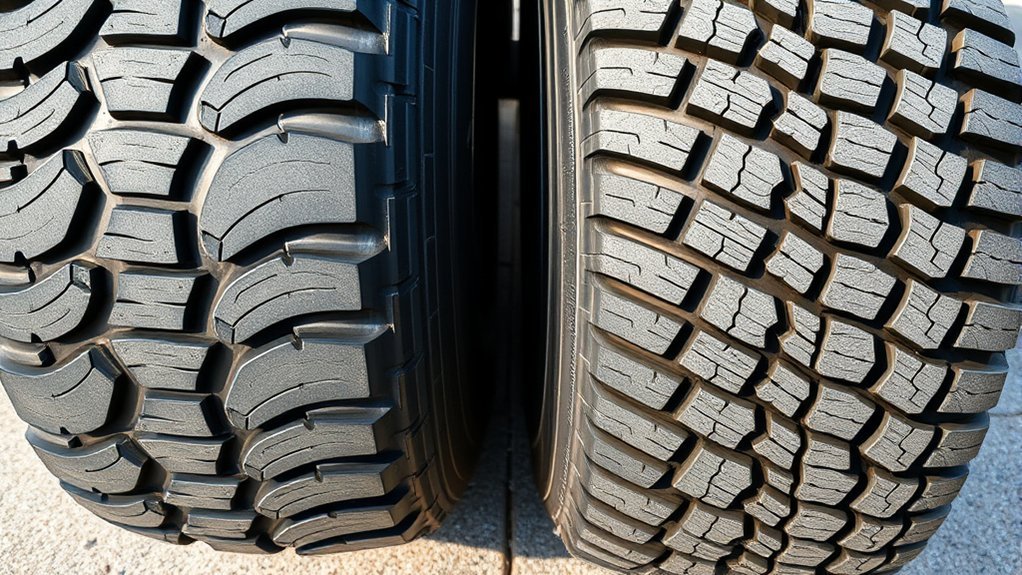
When choosing tires for trucks, understanding the construction differences matters. Radial tires have plies running at a 90-degree angle, enhancing flexibility, durability, and traction on paved roads. They last considerably longer and resist punctures better. Conversely, bias-ply tires feature crisscrossed plies, offering a firmer structure but reduced durability and uneven wear. This affects performance and fuel efficiency. Each tire type meets different needs, and choosing correctly can greatly impact your truck’s performance and costs. Discover more insights ahead.
Understanding the Basics: What Are Radial and Bias-Ply Tires?
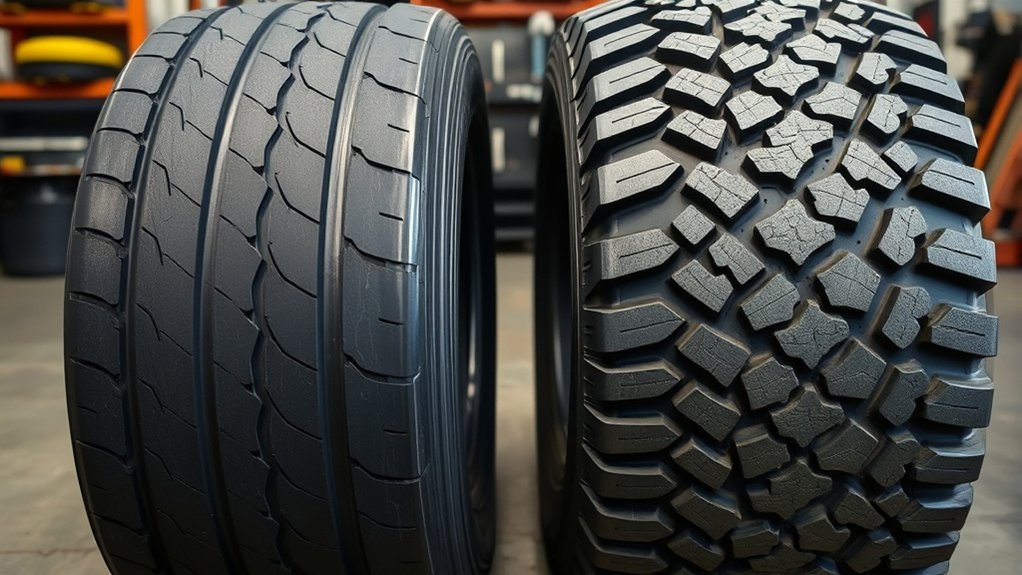
When choosing tires for your truck, understanding the differences between radial and bias-ply tires is essential. Radial tires feature a tire structure where plies run at a 90-degree angle to the tire’s path, providing enhanced flexibility and a smoother ride. This ply orientation allows for a larger contact patch, improving traction and promoting even wear. In contrast, bias-ply tires employ crisscrossed plies at 30 to 40 degrees, resulting in a firmer, less flexible structure that can lead to uneven wear and higher rolling resistance.
Moreover, radial tires incorporate steel belts that enhance durability and reduce rolling resistance, making them more fuel-efficient than the fabric layers used in bias-ply tires. While bias-ply tires may be suitable for specific off-road applications due to their robust construction, radial tires are generally preferred for their superior handling, longevity, and performance, greatly impacting your truck’s efficiency and safety.
Performance Comparison: Traction and Handling in Different Conditions
While both radial and bias-ply tires serve specific needs, their performance in traction and handling varies considerably across different driving conditions. Radial tires excel on paved roads due to their larger footprint and uniform weight distribution, enhancing tire performance and providing superior handling with minimal wear. In contrast, bias-ply tires can distort under load, reducing traction in high-speed scenarios. Off-road, bias-ply tires shine with their flexible sidewalls that adapt to uneven surfaces, though radial tires still offer improved off-road capabilities for most applications. Radials also demonstrate better resistance to punctures, resulting in an 80% reduction in flats, making them ideal for demanding conditions. These performance differences in traction capabilities are essential for fleet management, where choosing the right tire type can lead to longer tire life and lower operating costs. Ultimately, understanding these nuances helps you make informed decisions for your specific driving needs.
Fuel Efficiency of Radial and Bias-Ply Tires: How Tire Type Affects Mileage
When selecting tires for your truck, understanding the differences in rolling resistance between radial and bias-ply tires is essential for optimizing fuel efficiency. Radial tires typically feature a tread design that minimizes resistance, which can lead to significant mileage improvements. Additionally, the way weight is distributed across these tire types affects their overall performance and long-term fuel costs.
Rolling Resistance Comparison
Understanding the differences in rolling resistance between radial and bias-ply tires is essential for enhancing fuel efficiency in trucking applications. Radial tires typically exhibit lower rolling resistance, improving fuel economy by 5-15%. Their construction—featuring steel belts and flexible sidewalls—minimizes deformation under load, allowing for better ground contact and reduced energy loss. In contrast, bias-ply tires have stiffer construction, leading to higher rolling resistance and increased operational costs. Seasonal changes can also impact tire pressure, affecting performance. Maintaining ideal tire pressure in radial tires further maximizes efficiency, especially during varying weather conditions. Ultimately, choosing radial tires not only improves fuel efficiency but also lowers overall life-cycle costs, making them a wiser investment for truck fleets.
Tread Design Impact
The tread design of tires notably influences fuel efficiency, particularly between radial and bias-ply types. Radial tires feature wider tread surfaces and larger footprints, which greatly reduce rolling resistance. This design innovation leads to more uniform weight distribution, minimizing energy loss and enhancing mileage over time. In contrast, bias-ply tires, while known for their durability, often exhibit higher rolling resistance that can adversely affect fuel economy. Studies show radial tires can improve fuel efficiency by approximately 10-15%, especially at higher speeds. Additionally, the siping advantages in radial tires enhance grip and reduce wear, further optimizing fuel efficiency across varied driving conditions. Choosing the right tread design can liberate you from unnecessary fuel costs and maximize your vehicle’s performance.
Weight Distribution Effects
While both radial and bias-ply tires serve essential roles in truck performance, their weight distribution characteristics greatly affect fuel efficiency. Radial tires excel in providing weight distribution benefits, enabling a larger footprint and reducing rolling resistance. This design allows for independent movement of sidewalls and tread, enhancing ground contact and improving mileage, especially during highway driving. In contrast, bias-ply tires often suffer from increased rolling resistance, particularly at higher speeds, leading to reduced fuel efficiency. Additionally, maintaining ideal tire pressure in radial tires further amplifies their efficiency, reducing energy loss during acceleration and cornering. Ultimately, choosing radial tires not only enhances performance but also contributes to better long-term fuel economy, making them a savvy choice for truck operators.
Durability and Lifespan: Which Tires Last Longer?
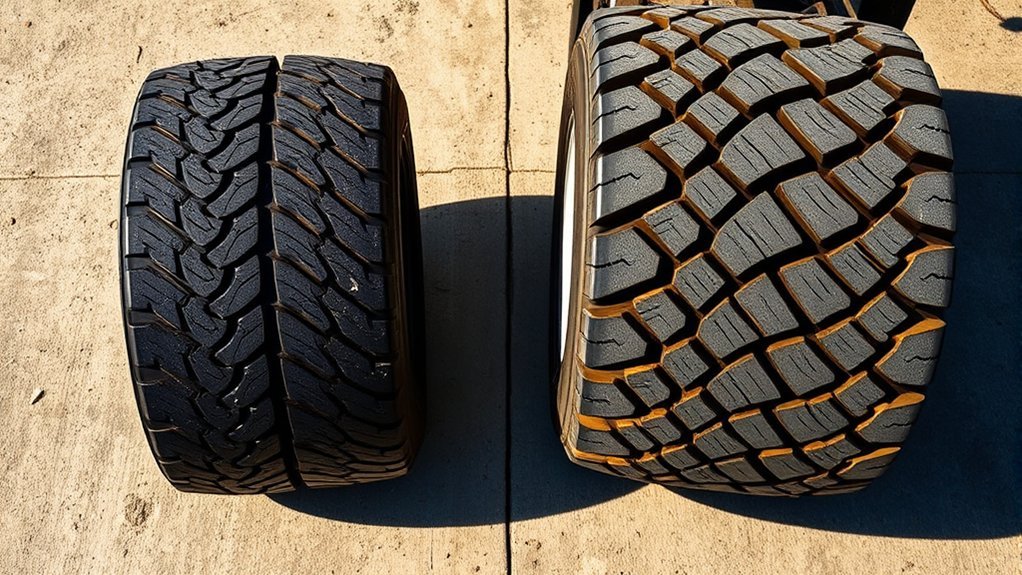
When comparing durability and lifespan, radial tires clearly outperform bias-ply tires, often lasting two to seven times longer based on their superior construction. This tire lifespan comparison reveals considerable advantages for radial designs, especially in heavy-duty applications. Here are key factors to evaluate:
- Construction: Radial tires feature a flexible sidewall, which enhances durability and promotes even wear.
- Resistance: They’re 80% more resistant to cuts and punctures, minimizing downtime and repair costs.
- Performance: Radials maintain consistent performance at high speeds, unlike bias-ply tires, which wear out faster.
- Maintenance: Regular air pressure monitoring can extend both types’ lifespan, yet radials inherently benefit more from this practice.
Evaluating these factors, it’s clear that bias-ply drawbacks greatly hinder their longevity, making radial tires the superior choice for those seeking reliable, long-lasting performance.
Puncture Resistance: How Vulnerable Are Tires?
When evaluating puncture resistance, it’s crucial to recognize the differences between radial and bias-ply tires. Radial tires, with their steel-belted construction, offer greatly enhanced protection against cuts and punctures, making them more reliable for demanding conditions. On the other hand, bias-ply tires may resist sidewall cuts better, highlighting the importance of your specific operational needs in tire selection.
Puncture Resistance Overview
Understanding the puncture resistance of tires is essential for optimizing performance and minimizing downtime in heavy-duty applications like trucking. Here’s a breakdown of key factors:
- Radial Tires: 80% more resistant to cuts and punctures due to multiple steel belts, enhancing durability.
- Bias-Ply Tires: Easier to puncture but offer better sidewall cut resistance due to thicker sidewalls.
- Puncture Incidents: Radials can reduce puncture incidents by up to 80%, increasing reliability.
- Operational Efficiency: Choosing the right tire type directly impacts maintenance costs and uptime.
Comparing Tire Durability
Tire durability hinges greatly on puncture resistance, a factor that can make or break operational efficiency in trucking. Radial tires excel in this area, boasting an 80% increase in resistance to cuts and punctures compared to bias-ply tires. Their construction, featuring rubber-coated steel cables, means you face fewer flats, directly impacting your tire lifespan and reducing costs associated with puncture prevention. While bias-ply tires have thicker sidewalls that offer some cut resistance, their overall puncture resistance is significantly lower. The larger footprint and even weight distribution of radial tires enhance traction and tread longevity, further contributing to durability. Tracking tire performance is essential for optimizing your choices and maximizing sidewall strength for effective, long-term operations.
Ride Comfort and Tire Maintenance: Ensuring Optimal Performance
Ride comfort and effective tire maintenance are critical for ensuring peak performance, especially in long-haul trucking. Proper care of your tires not only enhances comfort but also impacts productivity. Here are key maintenance practices to take into account:
- Monitor Tire Pressure: Regularly check and maintain proper tire pressure to prevent overheating, especially with radial tires.
- Adhere to Maintenance Schedules: Follow established maintenance schedules to align with manufacturer recommendations and avoid premature wear.
- Evaluate Comfort Factors: Assess ride quality and adjust tire types based on comfort needs, recognizing that bias-ply tires may feel firmer.
- Track Performance Metrics: Keep detailed records of tire performance and maintenance to identify patterns and optimize longevity.
Understanding Cost: Comparing Short-Term and Long-Term Tire Savings
When selecting tires for your truck, it’s essential to weigh both short-term and long-term costs. While bias-ply tires may seem like a cheaper option initially, their shorter lifespan often results in higher overall operating costs. In contrast, radial tires typically outlast bias-ply tires by two to seven times, making them a smarter tire investment for fleet management. The total life-cycle cost includes not just the purchase price but also maintenance and replacement frequency, vital factors for any fleet manager. Accurate tire records can help you analyze these costs effectively, enabling informed decisions that lead to long-term savings. For instance, in large mining trucks, over 80% of tires are radials, reflecting their cost-effectiveness and longevity. By considering these aspects, you can optimize your tire selection for better performance and financial efficiency.
How to Choose the Right Tire Based on Your Specific Needs
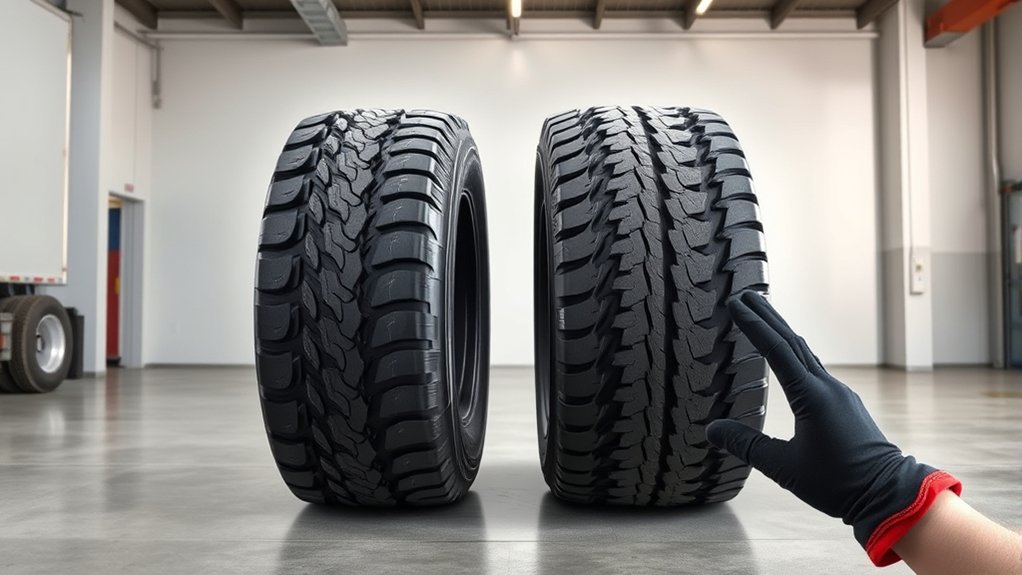
How do you determine the best tire for your specific needs? Understanding your tire selection criteria is vital for meeting your performance expectations. Here’s a structured approach to guide your choice:
- Consider Application Needs: If you tackle heavy-duty or off-road tasks, bias-ply tires may be preferable for traction. For on-road efficiency, radial tires shine.
- Evaluate Lifespan and Cost: Radial tires typically last two to seven times longer, making them more cost-effective long-term despite higher upfront costs.
- Assess Ride Quality Requirements: Radial tires offer a smoother ride and improved comfort, essential for long hauls.
- Examine Load Capacity and Weight Distribution: Radial tires provide better weight distribution and traction for heavy loads, leading to even wear.
Recent Innovations in Tire Technology and Best Practices for Maintenance
Tire technology has seen considerable advancements, enhancing performance and durability for trucks in various applications. Innovations like Bridgestone’s new OTR tires and BKT’s WASTEMAX tire are setting new standards in heavy-duty performance. These advancements not only improve traction and longevity but also address specific operational demands.
To maximize these benefits, you must adopt effective maintenance practices. Regularly monitoring air pressure and conducting visual inspections can prevent overheating and guarantee peak performance. Solid tires are increasingly recommended for their extended service life and lower maintenance costs, particularly in demanding environments.
Understanding the unique characteristics of different tire types allows for better fleet management, reducing downtime and enhancing operational efficiency across diverse terrains. By selecting the right tires and adhering to disciplined maintenance routines, you can markedly minimize life-cycle costs and maximize your investment returns.
Frequently Asked Questions
Can Radial and Bias Ply Tires Be Used Together in a CDL?
You can’t mix radial and bias-ply tires on a CDL vehicle due to tire compatibility issues. This combination violates CDL regulations, leading to instability, uneven wear, and compromised safety. Stick to uniform tire types for peak performance.
Do Bias Ply Tires Last Longer Than Radial Tires?
No, bias-ply tires don’t last longer than radial tires. Their tread wear accelerates due to higher rolling resistance, reducing load capacity and lifespan. Radials provide superior durability and efficiency, making them a better choice for longevity.
Conclusion
In choosing between radial and bias-ply tires, consider performance against longevity. While radial tires offer superior traction and fuel efficiency, bias-ply tires may excel in puncture resistance and rugged durability. Your specific needs dictate the best choice: prioritize handling for daily driving or durability for off-road work. Ultimately, the right tire reflects a balance between immediate performance and long-term value, ensuring you don’t just drive, but drive smart. Choose wisely; your truck’s future depends on it.

Related Articles
Highway vs All-Terrain Tire Lifespan: How Many More Miles Do HTs Last?
Highway tires outlast all-terrain options significantly, but what factors truly impact their lifespan? Discover the surprising details behind tire durability.
Read More
33 Vs 35-Inch Tires on a Tundra: Clearance, MPG, and Looks Compared
Discover the crucial differences between 33 and 35-inch tires for your Tundra, from clearance to MPG, and what modifications might be necessary.
Read More
Studded vs Non-Studded Winter Tires for Trucks: Traction and Legal Rules
In exploring studded versus non-studded winter tires for trucks, you'll uncover crucial factors that could impact your safety this winter season. What will you choose?
Read More