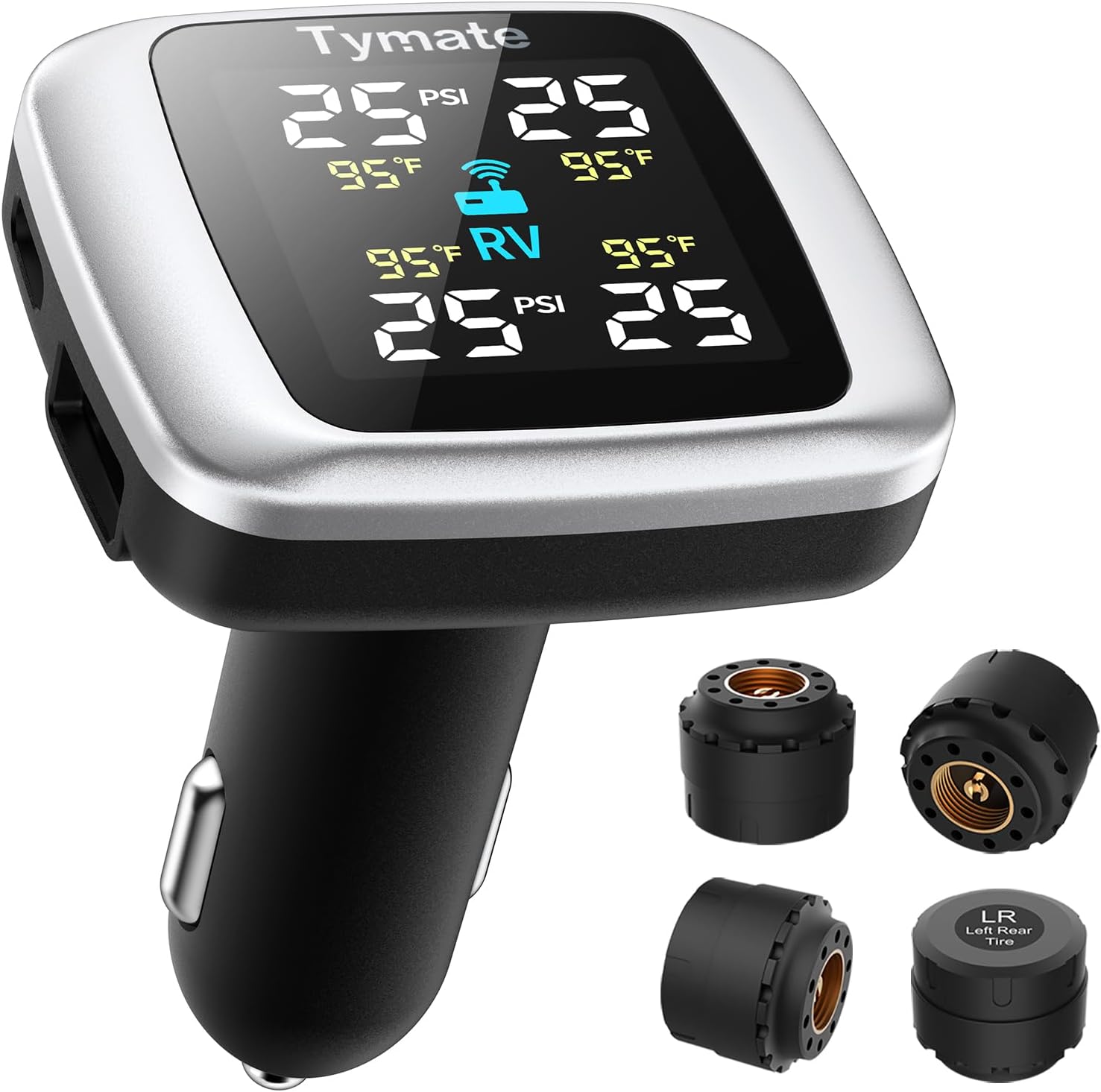
Why Tire Pressure Drops in Cold Weather: What Tundra Owners Must Know
In cold weather, tire pressure drops about 1 psi for every 10°F decrease in temperature, affecting your Tundra’s performance. As the air inside contracts, you’ll see alerts from the Tire Pressure Monitoring System (TPMS). Low pressure compromises traction, stability, and braking, making icy roads more dangerous. Regular checks every two to four weeks can help you maintain peak performance. Curious about how to keep your tires in top shape this winter? You’ll find plenty of helpful tips ahead!
How Cold Weather Affects Tire Pressure
When temperatures drop, you might not realize just how much it affects your tire pressure. The air inside your tires contracts, leading to significant pressure fluctuations. For every 10°F decrease, you can lose about 1 psi. This isn’t due to leaks; it’s the natural response of air molecules slowing down and packing closer together in the cold. Cold weather can trigger your Tire Pressure Monitoring System (TPMS), even if your tires are otherwise sound. It’s essential to regularly check your tire pressure during chilly months, as many drivers overlook these effects. Ignoring tire contraction can compromise your vehicle’s performance, safety, and fuel efficiency. By staying proactive and monitoring your tire pressure, you can guarantee a smoother, safer ride, no matter how low the temperatures drop. Take charge of your vehicle’s health—liberate yourself from the risks of under-inflated tires!
Effects of Low Tire Pressure in Cold Weather?
Low tire pressure in cold weather can seriously impact your vehicle’s performance, reducing traction and stability on slick roads. You’ll notice compromised braking effectiveness, which can be dangerous during sudden stops. Plus, running on under-inflated tires accelerates wear, costing you more in the long run.
Reduced Traction And Stability
As temperatures drop, maintaining proper tire pressure becomes essential for ensuring ideal traction and stability on icy roads. Low tire pressure increases the tire’s contact patch, which may seem beneficial but actually reduces tire grip. This can make winter handling more precarious, especially during sudden stops or sharp turns. A mere drop of 1 psi can considerably impair braking effectiveness, leading to longer stopping distances. Underinflated tires also create increased rolling resistance, compromising your vehicle’s control in emergency maneuvers. Over time, uneven tread wear from low pressure can further diminish traction, escalating the risk of tire failure. For your safety and confidence on slippery surfaces, keep your tire pressure at optimal levels this winter.
Increased Tire Wear
Driving on underinflated tires during cold weather can accelerate tire wear considerably. When your tire pressure drops, the increased contact patch leads to more rolling resistance, causing your tires to wear out faster. This not only reduces tread depth but also creates irregular wear patterns, forcing you to replace tires more frequently. Plus, the compromised handling makes it harder to maneuver safely. Regular tire rotation becomes even more critical in these conditions to promote even wear and extend tire life. By maintaining proper tire pressure, you enhance fuel efficiency and improve performance, ensuring your Tundra handles well in winter. Keep an eye on those pressures to avoid unnecessary costs and keep your ride smooth and safe.
Compromised Braking Performance
Underinflated tires can greatly compromise your braking performance, especially in cold weather. When tire pressure drops, you may experience significant traction loss, leading to longer braking distances. This isn’t just a minor issue; even a 1 psi drop can hinder your ability to stop effectively, particularly on icy roads.
Consider these key points:
- A larger contact patch increases rolling resistance, making brakes work harder.
- Uneven tire wear further reduces grip, impairing your braking response.
- Proper tire pressure guarantees optimal braking stability, essential for traversing snowy terrains.
Staying vigilant about your tire pressure isn’t just about comfort; it’s critical for your safety and control on the road.
How to Accurately Check Tire Pressure in Winter
To guarantee your vehicle performs at its best during winter, it’s vital to check your tire pressure accurately. Start by using a reliable tire pressure gauge, as tire gauge accuracy is essential for precise readings. Always measure when your tires are cold—ideally after your vehicle’s been stationary for several hours. This way, you avoid any heat-related inaccuracies from driving.
Refer to the recommended PSI found on your driver’s door jamb or in the owner’s manual; this figure typically applies to cold tire measurements. Monitor your tire pressure every two to four weeks during winter, as temperatures can plummet, causing inflation levels to drop. Remember, tire pressure decreases roughly 1 psi for every 10°F drop in temperature, so stay proactive and adjust accordingly. Keeping your tires properly inflated promotes safety and peak performance on the road.
Why Tire Pressure Checks Matter for Tundra Owners
As a Tundra owner, keeping an eye on your tire pressure is essential for safety and performance, especially in cold weather. A drop of 1 psi for every 10°F can greatly impact your vehicle’s handling and traction on icy roads. Regular checks not only enhance your ride’s stability but also extend the life of your tires, saving you money in the long run.
Impact on Safety
When temperatures drop, maintaining proper tire pressure becomes essential for Tundra owners, as cold weather can reduce tire pressure by about 1 psi for every 10°F decrease. Low tire pressure impacts traction and braking, making it harder to execute emergency maneuvers on icy roads. Regular pressure checks can enhance your safety.
- Proper inflation improves handling and stability.
- It enhances fuel efficiency and reduces rolling resistance.
- Monitoring tire pressure sensors helps prevent unnecessary alerts.
Tire Longevity Benefits
Maintaining ideal tire pressure is essential for extending the life of your Tundra’s tires. Regular pressure checks guarantee your tires aren’t underinflated or overinflated, preventing uneven wear and maximizing tread longevity. This simple yet effective tire maintenance tip can greatly optimize fuel efficiency, as underinflated tires lead to increased rolling resistance and higher fuel consumption.
Moreover, well-inflated tires enhance handling and braking performance, important for traversing various terrains and weather conditions. Cold weather can cause pressure drops, so utilizing pressure monitoring systems becomes critical to maintain safety and performance. Properly inflated tires improve traction and stability, especially in icy conditions, reducing the risk of accidents and assuring you enjoy every journey with confidence.
How to Keep Your Tires Pumped in the Cold
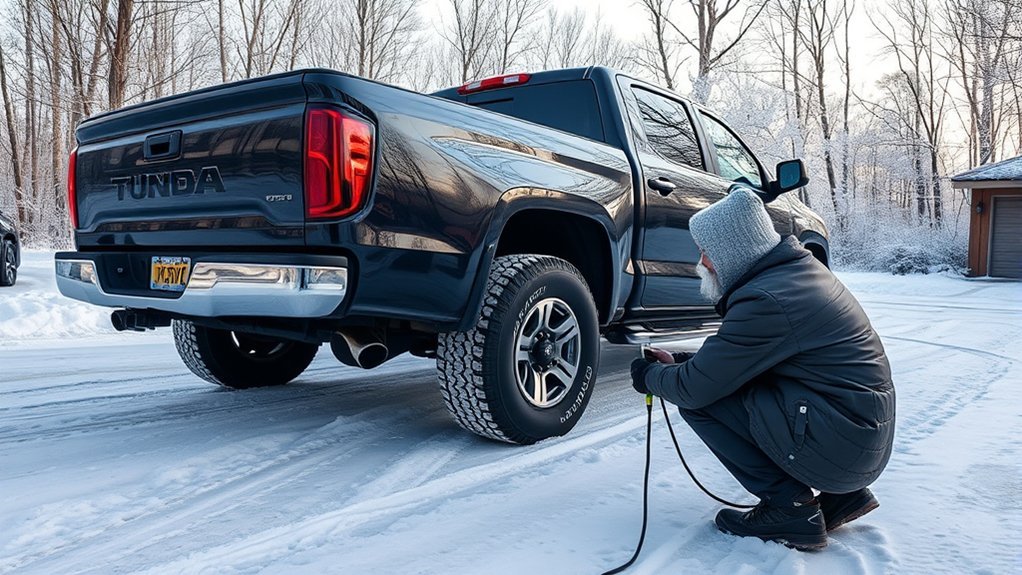
Keeping your tires properly inflated in cold weather is crucial for safety and performance. As temperatures drop, tire pressure can decrease by about 1 psi for every 10°F drop. To guarantee your tires are ready for winter driving, follow these tire maintenance tips:
- Check pressure regularly: Monitor tire pressure every two to four weeks during winter months, especially after cold snaps.
- Measure when cold: Always check tire pressure when the tires are cold, ideally after they’ve been inactive for several hours, to get accurate readings.
- Inflate to manufacturer’s specs: Use the recommended PSI found on your driver’s door jamb or in your owner’s manual for peak performance.
Debunking Common Myths About Tire Pressure Management
Have you ever wondered why tire pressure management can be so confusing, especially in colder months? Many drivers mistakenly believe that simply setting tire pressure according to manufacturer recommendations is enough. In reality, warm tires often read higher, which can lead to under-inflation in cold weather. Another common misconception is that overinflated tires provide better traction; excessive pressure can actually reduce grip, posing safety risks on icy surfaces.
Some think using nitrogen eliminates pressure fluctuations, but temperature changes still affect both nitrogen and air-filled tires. Plus, don’t overlook your Tire Pressure Monitoring System (TPMS); alerts can trigger due to cold-induced pressure drops, not tire faults. Finally, it’s a myth that tire pressure doesn’t need regular checks. Tires can lose about 1 psi for every 10°F drop in temperature, making frequent monitoring essential during colder months. Stay informed to keep your tires safe and effective!
Nitrogen vs. Air: Which Is Better for Your Tires?
Whether you’re looking to enhance your tire performance or simply want peace of mind, the debate between nitrogen and air for tire inflation often surfaces. Both options have their pros and cons, but understanding them can help you make an informed choice.
- Nitrogen benefits: It reduces pressure fluctuations, meaning you’ll need fewer adjustments.
- Air accessibility: Air is readily available at most service stations, making it easier for routine maintenance.
- Mixing concerns: Topping off nitrogen tires with air can dilute the nitrogen, reducing its advantages.
While nitrogen can offer some benefits, it’s essential to remember that both types will still experience pressure drops in cold weather. Ultimately, if you prioritize convenience and accessibility, air may be your best bet. However, if you seek less frequent pressure adjustments, nitrogen could be worth considering. Your choice should align with your lifestyle and maintenance preferences.
Frequently Asked Questions
What to Do When Tire Pressure Drops in Cold Weather?
When tire pressure drops in cold weather, check your pressure using a quality gauge, then inflate to the recommended PSI. Regular pressure monitoring and proper tire maintenance tips guarantee safety and peak performance in chilly conditions.
Conclusion
Keeping your tires properly inflated in cold weather isn’t just a nuisance; it’s vital for your safety and performance. While low pressure can lead to poor handling and increased wear, a well-maintained tire guarantees a smoother ride and better fuel efficiency. So, don’t let the chill catch you off guard—check your tire pressure regularly and consider using nitrogen for added stability. Remember, a little attention now can save you from bigger headaches down the road. Stay safe out there!

Related Articles
How Altitude Affects Tire Pressure: Adjusting PSI for Mountain Driving
Climbing to higher altitudes can dramatically affect your tire pressure; discover how to adjust PSI for safe mountain driving and avoid potential hazards.
Read More
Hydroplaning Prevention Tips for Toyota Tundra: Tread, Pressure, and Speed
To prevent hydroplaning in your Toyota Tundra, discover essential tips on tread, pressure, and speed—your safety depends on it.
Read More
How Do All-Terrain Tires Perform on Ice? What to Expect and Limitations
All-terrain tires may struggle on ice, but understanding their limitations can help you make safer winter driving choices. Discover the essential details inside.
Read More