
Why 4Runner Tires Are Noisy on the Highway and How to Fix It
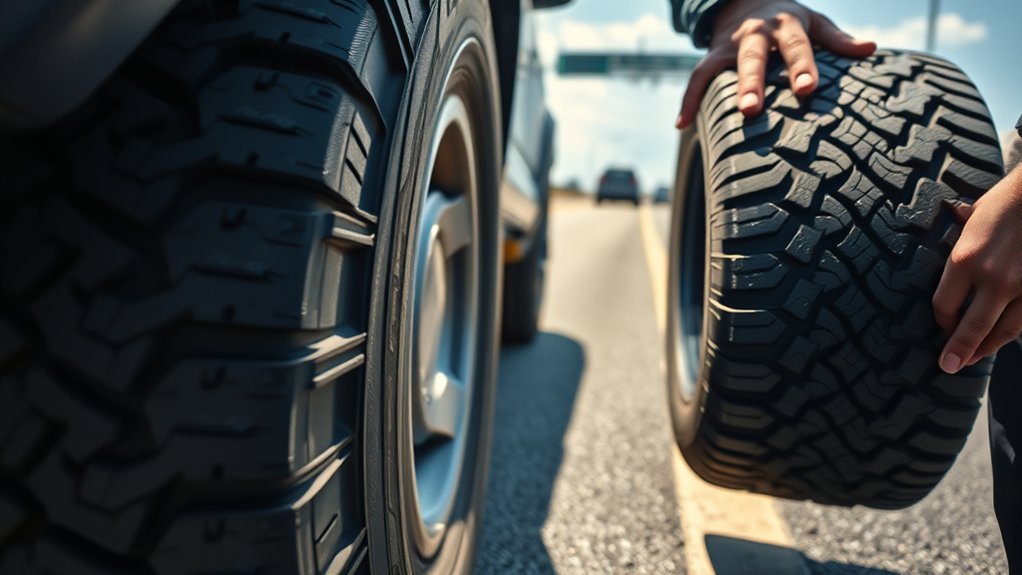
A steady hum from your Toyota 4Runner can be normal when you run aggressive all-terrain or mud-terrain tires, but a new roar, vibration, thump, or rapidly increasing sound deserves attention. Tire design is only one possibility. Uneven tread wear, incorrect pressure, wheel imbalance, poor alignment, worn suspension parts, and wheel-bearing problems can create similar highway noises.
Quick Answer
Your 4Runner’s tires may sound loud because of an aggressive tread pattern, uneven wear, incorrect cold pressure, wheel imbalance, alignment problems, or worn suspension parts. Check whether the sound changes with road surface, speed, tire rotation, or gentle turns. A growing roar, strong vibration, bulge, exposed cord, or pressure loss requires prompt professional inspection.
Key Takeaways
- A consistent hum that changes with pavement type often comes from the tire tread.
- Cupping, feathering, imbalance, and worn suspension parts can make tires increasingly loud as they wear.
- Use the cold pressure printed on the driver-side label or listed in the owner’s manual, not the maximum number molded into the tire sidewall.
- Rotation, balancing, and alignment solve different problems and should not be treated as the same service.
- A roar that changes during gentle left or right turns may come from a wheel bearing rather than the tire itself.
- Sound-deadening can reduce cabin noise, but it cannot repair a damaged tire, wheel bearing, suspension component, or alignment problem.
At a Glance
| Time Required | About 20 to 30 minutes for a basic pressure, tread, and visual inspection |
| Difficulty | Easy for basic checks; moderate to professional for balancing, alignment, suspension, or wheel-bearing diagnosis |
| Tools Needed | Accurate pressure gauge, flashlight, tread-depth gauge or coin, notepad, and access to your model-year owner’s manual |
| Cost | Basic checks may cost nothing; shop charges vary for rotation, road-force balancing, alignment, suspension inspection, or tire replacement |
Warning: Stop driving and arrange an inspection if you find a sidewall bulge, exposed cord, tread separation, rapid air loss, a tire rubbing the body or suspension, severe steering shake, or a sudden heavy roar. Do not crawl beneath or lift the vehicle unless you have the correct equipment, level ground, approved lifting points, and the experience to work safely.
Identifying Common Tire Noise Problems
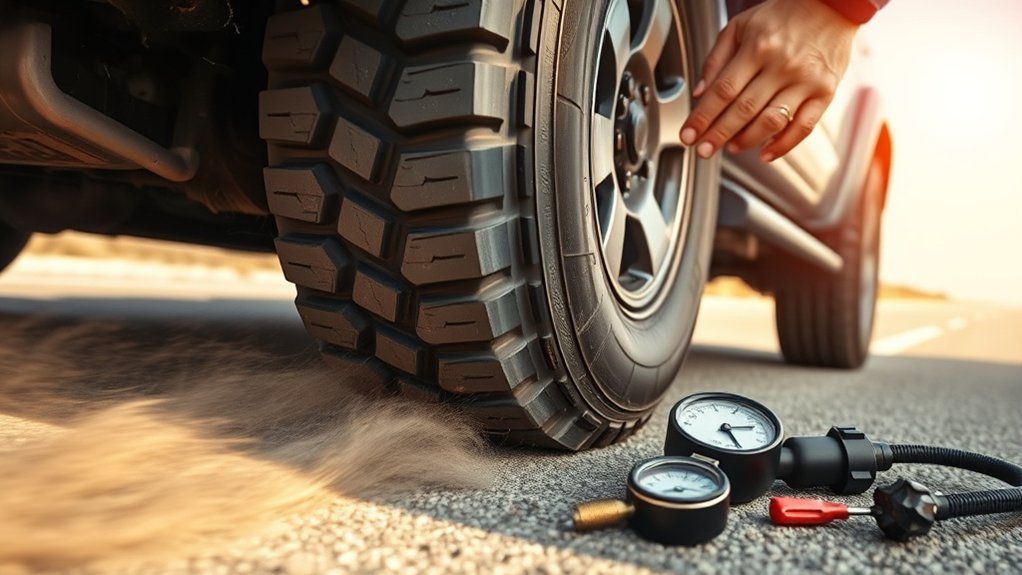
Start by describing the sound instead of assuming the tires are responsible. Note when it begins, whether it changes with speed, whether the steering wheel or seat vibrates, and whether a different road surface changes the sound. These details help separate normal tread noise from a developing fault.
| Sound or Symptom | Likely Areas to Check | Useful Clue |
|---|---|---|
| Steady hum that changes with pavement | Tread design or normal road interaction | Often louder on grooved or coarse concrete and quieter on smooth asphalt |
| Rhythmic humming or droning | Cupping, feathering, heel-to-toe wear, or tire defect | Noise frequency rises with road speed |
| Thumping at low speed | Flat spot, separated tread, damaged tire, or debris | May be felt once per wheel rotation |
| Steering-wheel vibration at highway speed | Front wheel balance, mounting, wheel damage, or tire uniformity | Often strongest within a particular speed range |
| Vibration through the seat or floor | Rear wheel balance, tire damage, driveline, or rear suspension | May remain even when the steering wheel feels steady |
| Roar that changes during a gentle turn | Wheel bearing or uneven tire wear | Changing side load can make a worn bearing louder or quieter |
| Whistle or rushing sound | Roof rack, crossbars, air dam, skid plate, door seal, or trim | Often responds more to wind speed than tire rotation |
| Whine linked to acceleration or deceleration | Differential, transmission, transfer case, or driveline | Changes with throttle input, not only road speed |
Aggressive all-terrain and mud-terrain tires normally create more tread-pattern sound than a road-focused highway-terrain tire. However, a tire that was acceptable when new can become much louder after cupping, feathering, hardening, damage, or irregular wear develops.
[Products Worth Considering]

Universal magnetic jack pad with aluminum grooved design to protect vehicle pinch welds during lifting. Durable nylon pad inserts are upgraded and secured with screws to resist damage and keep in place. Designed to fit most single vehicle pinpoint welds for safer, stable jacking when changing tires, repairs, or performing oil changes.

The JACO FlowPro Tire Inflator measures, inflates, and airs down tires up to 100 PSI with battery-free operation and ±2% accuracy after calibration. It features a glowing pressure dial for night visibility, a heavy-duty steel build with a hybrid hose, and a precision push-to-inflate thumb trigger. The patented Lightning Air Chuck locks on for a secure seal, and the kit includes quick-connect hardware for easy inline use with your air compressor.

This AUTOWN flat tire repair kit is designed for quick, reliable puncture repairs using a plug kit and spiral probe tool to simplify installation. Built for durability and safe handling, it offers strong adhesion and flexibility to help maintain tire air tightness. With a portable storage case and a multi-vehicle approach, it’s suitable for cars, motorcycles, ATVs, tractors, lawn mowers, RVs, jeeps, and trucks.
Understanding Why 4Runner Tires Are Noisy
Several design and setup choices can make a 4Runner louder than a road-focused crossover. Deep tread blocks, open shoulder voids, heavy light-truck construction, larger diameters, and greater unsprung weight can increase the amount of vibration and sound transmitted into the cabin.
Tire size also matters. An oversized tire may use a heavier casing, different load range, wider tread, or more aggressive pattern than the original fitment. A larger tire can also place more load on steering and suspension components. Before changing size, confirm overall diameter, width, wheel offset, load capacity, clearance, and pressure requirements with a qualified tire professional.
Incorrect pressure can change ride harshness, heat, contact behavior, and wear. Check pressure when the tires are cold and use the specification printed on the driver-side Tire and Loading Information label or provided in your model-year manual. Do not use the maximum pressure molded into the tire sidewall as the normal operating target. Toyota and the National Highway Traffic Safety Administration both direct owners to the vehicle manufacturer’s pressure specification.
Vehicle modifications can create additional noise that is easy to blame on the tires. Roof racks, crossbars, recovery equipment, skid plates, altered air dams, lifts, wheel spacers, and wheels with a different offset can change airflow, vibration, steering geometry, or component loading.
Note: Compare the noise on at least two road surfaces. A large change between coarse concrete and smooth asphalt points toward tread interaction. A sound that remains almost identical on every surface deserves closer inspection for irregular wear, bearings, suspension, or driveline causes.
Common Causes of Noisy 4Runner Tires
The most common causes fall into four groups: tire design, tread condition, pressure and alignment, and rotating mechanical components. More than one problem can be present at the same time.
Tire Type Impact
Highway-terrain tires usually prioritize road comfort, predictable wear, and lower tread-pattern noise. All-terrain tires trade some of that refinement for loose-surface traction, stronger shoulders, or more durable construction. Mud-terrain tires generally use the largest tread voids and can create the most noticeable highway hum.
Load range and tire weight also affect the result. A heavy LT tire may feel firmer and transmit more impact noise than a lighter passenger-rated tire, even when both use a similar tread design. Do not reduce pressure below the vehicle or tire professional’s safe recommendation simply to soften the ride.
Tread Wear Patterns
According to Michelin’s tire guidance, loud tire noise is commonly associated with uneven or irregular wear. Run your hand carefully across the tread when the vehicle is parked, the tires are cool, and there is no exposed cord or sharp debris.
- Cupping or scalloping: Repeating high and low spots around the tread can produce a helicopter-like hum or rhythmic drone. Possible causes include imbalance, worn shocks, loose suspension parts, mounting problems, or alignment issues.
- Feathering: Each tread rib feels smooth in one direction and sharp in the other. Incorrect toe alignment is a common cause.
- Heel-to-toe wear: The leading and trailing edges of tread blocks wear unevenly. This can become noticeable on directional or aggressive truck tires.
- Center or shoulder wear: Pressure, load, fitment, alignment, driving habits, and rotation history should all be reviewed.
- Flat spotting: A temporary flat spot may form after parking, especially in cold conditions. Persistent thumping requires inspection for damage or permanent deformation.
Once pronounced cupping or feathering develops, correcting the mechanical cause may prevent further damage, but it may not make the existing tread quiet again. Replacement may be the only complete noise fix if the wear is severe.
Alignment and Pressure Issues
Alignment controls the angles at which the wheels travel and contact the road. A 4Runner that pulls on a level road, has an off-center steering wheel, or wears one tread edge faster than the other should have its alignment inspected.
Pressure should be checked cold at least monthly and before long trips. Temperature changes can raise or lower pressure, but they do not normally mean the alignment needs seasonal adjustment. Use an accurate gauge and adjust all tires according to the vehicle label, accounting for any model-specific front and rear difference.
Balance, Suspension, and Wheel-Bearing Issues
Wheel balance affects how smoothly the tire-and-wheel assembly rotates. An imbalance often causes vibration within a particular highway-speed range. Michelin’s alignment and balancing guidance notes that imbalance can create vibration and contribute to cupped tread wear.
Worn shocks, bushings, ball joints, tie-rod ends, or other suspension parts can let the tire bounce or change direction as it rolls. An alignment alone will not fix a loose or worn component.
A wheel bearing can produce a growl, drone, or roar that rises with road speed. It may change when the vehicle is gently steered left or right because cornering transfers load between sides. Bearing noise can resemble cupped tire noise, so a technician may need to inspect both before recommending parts.
How Alignment and Tire Pressure Affect Noise
Alignment, balancing, rotation, and pressure maintenance have different jobs:
- Pressure: Maintains the tire’s intended shape, load support, ride, and wear behavior.
- Rotation: Changes tire positions to help distribute wear when the vehicle and tire design permit rotation.
- Balancing: Corrects uneven weight in the tire-and-wheel assembly to reduce speed-related vibration.
- Alignment: Adjusts wheel angles so the tires point and contact the road as intended.
Do not schedule alignment automatically at every rotation interval unless your Toyota maintenance guidance or service conditions call for it. Alignment should be checked after a strong pothole or curb impact, after certain suspension repairs, when installing new tires, or when symptoms such as pulling, an off-center steering wheel, or uneven edge wear appear.
For rotation timing and pattern, follow the maintenance guide for your exact 4Runner model year, drivetrain, wheel setup, and tire design. NHTSA gives a general 5,000-to-8,000-mile rotation range when rotation is recommended, but the vehicle and tire manufacturers’ instructions take priority.
Rotation can reveal the source of a noise. If the sound changes location or character after correctly rotating the tires, the tread condition is more likely involved.
How to Diagnose Tire Noise
1. Record When the Noise Occurs
Note the speed at which the sound begins, the surface you are driving on, whether the noise changes while accelerating, and whether you feel vibration through the steering wheel, seat, or floor. Perform road observations only where traffic, weather, and road conditions make them safe.
2. Check Cold Tire Pressure
Park the 4Runner for at least several hours before measuring pressure. Compare every reading with the driver-side label or the correct Toyota manual. Toyota’s tire-pressure guidance explains why the vehicle specification should be used instead of the maximum sidewall number.
If one tire repeatedly loses pressure, inspect it professionally for a puncture, valve problem, wheel leak, bead issue, or damage. Do not keep adding air without finding the cause.
3. Inspect the Tread and Sidewalls
Use a flashlight to inspect the full visible circumference of every tire. Look for:
- Uneven tread depth
- Cupped or scalloped areas
- Feathered tread ribs
- Missing tread chunks
- Cuts, cracks, punctures, or embedded objects
- Sidewall bubbles or bulges
- Exposed cord or tread separation
- Polished areas caused by rubbing
Check tread depth in several locations across each tire. A tire can have acceptable depth in the center but unsafe wear on an inner shoulder that is difficult to see.
4. Check for Vibration and Pulling
A steering-wheel shake that appears within a specific speed range often points toward a front wheel-and-tire balance, mounting, or wheel problem. A vibration felt mainly in the seat may come from a rear assembly, although driveline problems can create similar symptoms.
Consistent pulling on a flat, level road, uneven edge wear, or an off-center steering wheel supports an alignment inspection. Crosswinds and road crown can also make a vehicle drift, so do not diagnose alignment from one road alone.
5. Compare Gentle Left and Right Turns
On a safe road and at a moderate speed, notice whether a steady roar becomes louder or quieter during a gentle curve. A change with side loading can suggest a wheel bearing, but tire wear can behave similarly. Treat this only as a clue, not a final diagnosis.
6. Review Recent Work or Modifications
If the noise began after new tires, a rotation, wheel installation, suspension work, or a lift, return to the installer. Ask the shop to verify:
- Correct tire size, load rating, and direction of rotation
- Proper bead seating and wheel centering
- Wheel balance or road-force variation
- Lug-nut torque using the correct procedure
- Wheel offset and clearance
- Alignment after suspension or ride-height changes
- No contact between the tire and body, liner, sway bar, or suspension
7. Use Rotation as a Diagnostic Test
If the tire design and Toyota’s instructions permit rotation, have the tires rotated using the correct pattern. A change in the noise after rotation strongly suggests that one or more tires or wear patterns contribute to the sound.
If the noise remains in the same corner, investigate the wheel bearing, brake, suspension, and wheel. If it remains centered or changes with throttle rather than tire position, driveline diagnosis may be necessary.
Pro Tip: Write down each tire’s tread depth and current position before rotation. After the service, note whether the sound moved, became quieter, or stayed in the same area. This gives the technician more useful evidence than simply reporting that the vehicle is “loud.”
Solutions for Quieter Tires
The correct solution depends on the diagnosis. Avoid replacing parts or adding sound insulation until the tires and wheel-end components have been inspected.
[Products Worth Considering]

The Tymate TM3 RV TPMS delivers real-time tire pressure monitoring from 0 to 144 PSI with accurate readings and dependable wireless communication. It includes four external sensors with pre-pairing, six alarm modes for rapid leak, pressure extremes, temperature, and signal loss, plus an easy-reference setup for alert thresholds. Solar and USB-C charging help keep the display powered, while the color LCD and adaptive backlight improve visibility for safer driving and towing.

RVMATE dual-axle RV tire covers help shield your tires from sunlight, snow, rust, and dirt to keep them in better condition in harsh weather. Made with heavy-duty waterproof, UV-resistant 420D Oxford fabric, they provide strong shading and help reduce wear. They install easily by placing the cover on the wheel and fastening the rope for a stable fit.
Set the Correct Cold Pressure
Adjust pressure to the driver-side label or model-specific Toyota manual. Recheck it after major temperature changes and before long highway trips. If you use non-original tire sizes or load ranges, consult the tire manufacturer or a qualified professional because pressure requirements may differ from assumptions based only on sidewall appearance.
Rotate and Balance the Tires
Rotate according to the vehicle and tire instructions. Balance the assemblies when installing tires and whenever speed-related vibration appears. If conventional balancing does not correct a vibration, ask whether road-force measurement, wheel runout, tire uniformity, bead seating, or wheel centering should be checked.
Repair Alignment or Suspension Faults
Correct loose or worn suspension and steering parts before final alignment. Otherwise, the alignment may not remain stable and the tires may continue wearing unevenly.
Severely cupped or feathered tires may remain noisy after the mechanical problem is repaired. The repair prevents further damage, but it cannot restore rubber that has already worn away.
Choose a Road-Appropriate Tire
If most of your driving is on pavement, a highway-terrain or less aggressive all-terrain tire may be quieter than a heavy mud-terrain design. Compare the exact size, service description, load range, tire weight, tread pattern, warranty, wet performance, winter rating, and verified owner feedback for your specific use.
The original Falken Wildpeak A/T3W and BFGoodrich KO2 examples now belong to older product generations. Falken introduced the Wildpeak A/T4W as its A/T3W successor, and BFGoodrich is phasing out corresponding KO2 sizes as the All-Terrain T/A KO3 rollout expands.
These current models may fit some 4Runner configurations, but neither should be called universally quiet. Noise varies with size, load range, pressure, wheel, vehicle generation, road surface, tread age, and wear.
Consider Sound-Deadening Last
Cabin insulation or sound-deadening material can reduce perceived road noise after all tire and mechanical problems have been addressed. Focus on cargo-floor, wheel-well, and door areas only when the installation will not trap moisture, obstruct drainage, interfere with airbags or wiring, or create fire and service risks.
Sound-deadening is a comfort modification. It is not a repair for tread separation, improper pressure, wheel imbalance, damaged bearings, rubbing tires, or worn suspension parts.
Maintaining Your Tires for Optimal Performance
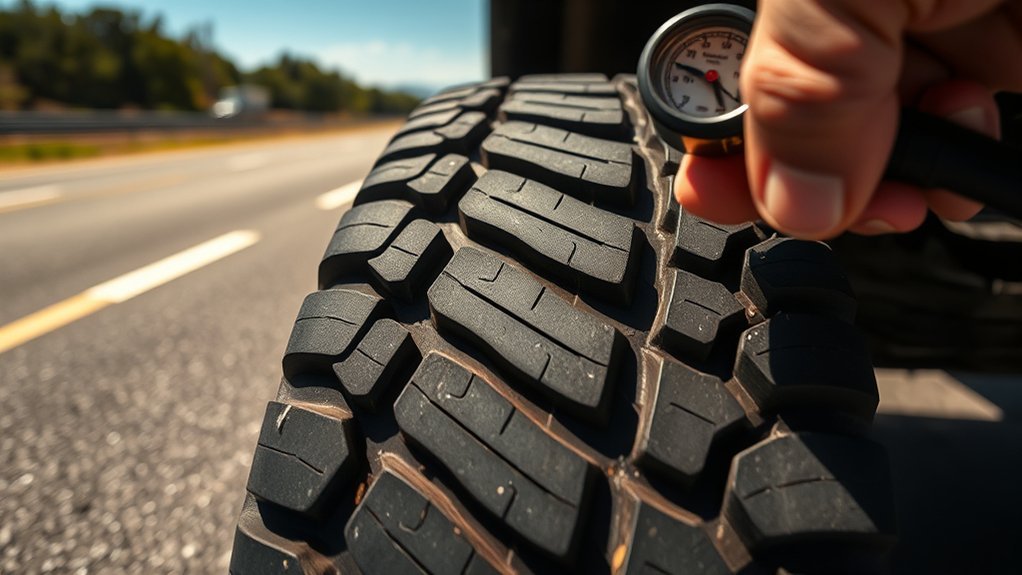
Consistent maintenance helps prevent the irregular wear that often makes truck and SUV tires louder over time.
- Check pressure monthly: Measure all road tires and the spare when cold.
- Inspect before long trips: Look for damage, bulges, cracking, uneven wear, rubbing, and embedded objects.
- Measure tread in several places: Check the inner, center, and outer portions of each tire.
- Follow the rotation schedule: Use the pattern and interval specified for the vehicle and tire design.
- Balance when needed: Investigate speed-related vibration promptly.
- Check alignment after impacts or symptoms: Do not wait until a tire is badly worn.
- Inspect suspension parts: Worn shocks, joints, bushings, and steering components can create recurring wear.
- Verify fitment after modifications: Check tire clearance, wheel offset, load rating, and alignment after lifts or wheel changes.
- Track tire age: Read the DOT Tire Identification Number and follow the tire and vehicle manufacturers’ age and inspection guidance.
Do not rely only on the tire-pressure warning light. The system warns when pressure has fallen significantly, but it does not replace monthly manual checks.
When to Stop Driving
Normal tread hum does not usually require an emergency stop. The following conditions do:
- A visible bulge or bubble in the sidewall
- Exposed fabric or steel cord
- Tread lifting or separating from the casing
- A tire losing pressure quickly
- A strong new thump that repeats with wheel rotation
- Violent steering or body vibration
- A tire rubbing the suspension, body, brake hose, or wiring
- A burning smell, smoke, or unusual heat near one wheel
- A wheel that feels loose or creates a severe grinding or roaring sound
Reduce speed smoothly, avoid sudden steering or braking, and stop in a safe location. Have the vehicle transported or inspected rather than continuing at highway speed on a potentially damaged tire or wheel-end component.
Frequently Asked Questions
Is loud tire noise normal on a Toyota 4Runner?
Some tread hum is normal with aggressive all-terrain or mud-terrain tires, especially on coarse pavement. A new roar, rhythmic thump, vibration, rapid increase in noise, or sound that appears from one corner is not something to ignore. Inspect pressure and tread, then have the tires, balance, suspension, alignment, and wheel bearings checked as needed.
Why do my 4Runner tires sound louder on the highway?
Highway speed increases the rate at which tread blocks contact the road. Aggressive tread, coarse pavement, cupping, feathering, imbalance, incorrect pressure, and hardened or aging rubber can make the sound more noticeable. Roof accessories, wheel bearings, and driveline components can also create noises that seem to come from the tires.
Can a bad wheel bearing sound like noisy tires?
Yes. A worn wheel bearing may create a humming, growling, or roaring sound that rises with road speed. The sound may change during gentle turns as the vehicle’s weight shifts. Cupped tires can behave similarly, so a professional may need to inspect the tread, bearing, hub, and suspension before identifying the cause.
Will rotating the tires make them quieter?
Rotation can reduce or redistribute mild irregular wear when performed early, but it cannot rebuild damaged tread. Severely cupped or feathered tires may remain loud after rotation. A change in noise after rotation is also a useful clue that the tires or their wear patterns are contributing to the sound.
Do all-terrain tires get louder as they wear?
Many all-terrain tires become more noticeable as tread blocks wear, harden, or develop heel-to-toe wear. The amount varies by design, rotation history, pressure, alignment, suspension condition, road surface, tire age, and driving style. A sudden or one-sided increase should be inspected rather than treated as normal aging.
Should I lower my tire pressure to reduce road noise?
No. Do not lower pressure below the safe specification just to soften the ride or reduce noise. Underinflation can increase heat, damage the tire, reduce stability, and cause irregular wear. Use the cold pressure on the vehicle label or the pressure recommended for an approved modified setup by a qualified professional.
Conclusion
Noisy 4Runner tires are often caused by tread design or irregular wear, but pressure, balance, alignment, suspension, wheel bearings, fitment changes, and wind noise can produce similar symptoms. Begin with cold pressure and a careful tread inspection, then record how the sound responds to road surface, speed, vibration, turning, and tire rotation.
Correct the mechanical cause before buying tires or adding cabin insulation. Prompt inspection is especially important when the sound appears suddenly, comes with vibration or pressure loss, or is accompanied by visible damage. A systematic diagnosis gives you a better chance of restoring a quieter ride without replacing parts that are still serviceable.
Sources
- National Highway Traffic Safety Administration: TireWise — tire pressure, tread inspection, tire damage, rotation, alignment, balancing, and replacement safety.
- Toyota: How to Check Tire Pressure — finding and using the vehicle manufacturer’s pressure specification.
- Michelin Tire FAQs — loud tire noise, irregular wear, cupping, damage, and professional inspection guidance.
- Michelin: Wheel Alignment and Balancing — differences between alignment and balance, vibration symptoms, cupping, and inspection timing.
- Falken: Wildpeak A/T4W Announcement — confirmation that A/T4W followed the older A/T3W generation.
- BFGoodrich: Final Major KO3 Launch Phase — current KO3 rollout and phaseout of corresponding KO2 sizes.

Related Articles

When to Switch From All-Season to Winter Tires on a 4Runner
Ineffective all-season tires in cold weather can jeopardize your safety—discover when to make the crucial switch for better traction and handling.
Read More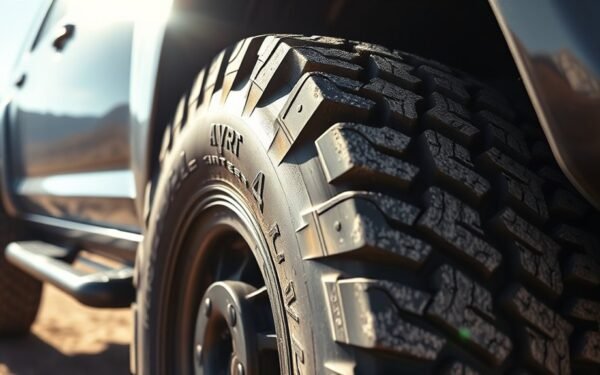
4Runner Tire Mileage: How Many Miles Should They Last
Curious about how long your 4Runner tires should last? Discover essential tips and factors that influence tire longevity.
Read More
How Long Do Toyota 4Runner Tires Typically Last
How long do Toyota 4Runner tires typically last? Discover the factors that influence tire longevity and essential tips for maintenance.
Read More