
265/70R17 vs 275/70R17: Size Comparison for 4Runners
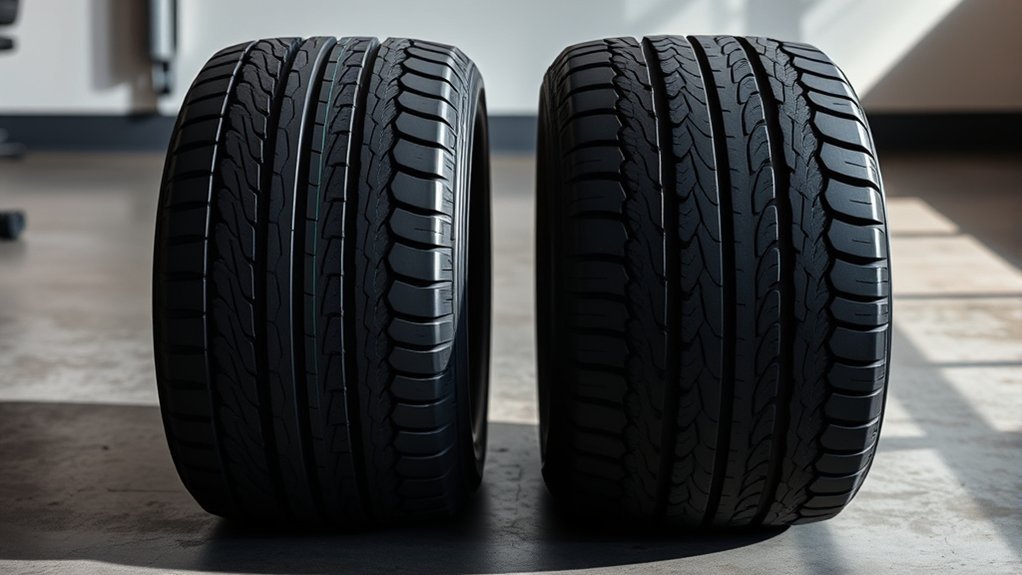
When choosing between 265/70R17 and 275/70R17 tires for your 4Runner, you’ll notice key differences. The 275 size gives you slightly more ground clearance and a larger contact patch for better traction, but it also adds weight and can increase road noise. On the other hand, 265 tires provide a sleeker appearance and prioritize comfort. Both sizes fit well with lift kits, making them viable options. Stick around to explore how these tires can impact your driving experience.
Comparing 265/70R17 and 275/70R17: Key Differences to Consider
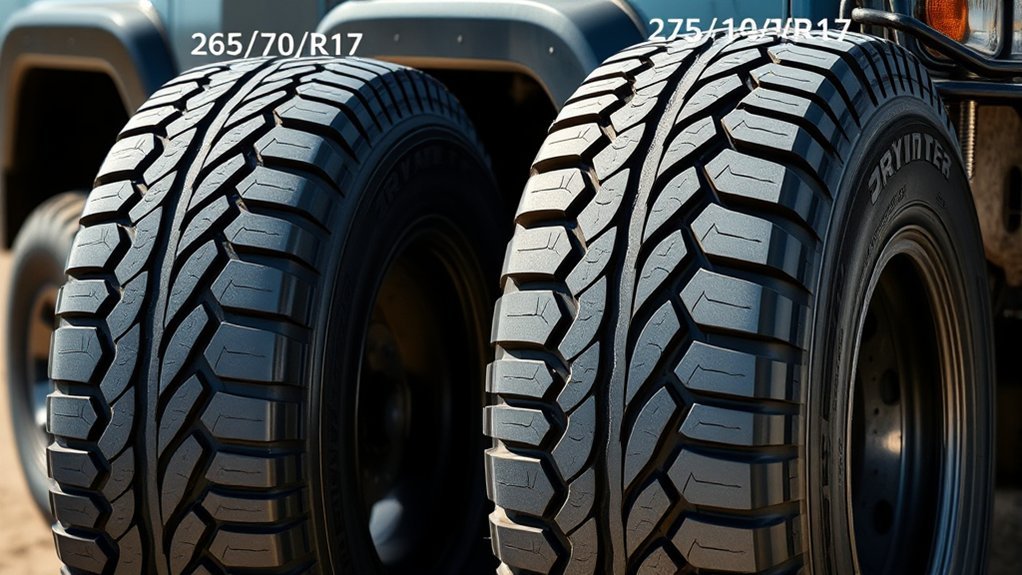
When you’re deciding between the 265/70R17 and 275/70R17 tires, understanding the key differences can make all the difference in your driving experience. The 265/70R17 tire measures about 31.6 inches in diameter, providing more room in the wheel wells, while the 275/70R17 is slightly larger, enhancing ground clearance and aesthetics. Opting for the 275/70R17 often means no rubbing issues during upsizing.
In terms of tire traction, both sizes perform similarly, but the 275/70R17 may offer slightly better grip on rugged terrains, improving off-road performance. However, keep in mind that the 275/70R17 is heavier, which can affect ride quality and fuel efficiency. Ultimately, your choice should reflect your daily driving needs and aesthetic preferences, ensuring you feel liberated on and off the road.
What You Need to Know About Tire Weight and Load Ratings
When choosing between 265/70R17 and 275/70R17 tires, understanding weight and load ratings is essential. The 275/70R17 tires typically weigh 55-57 lbs, considerably more than the 48 lbs of the 265/70R17, which can affect your vehicle’s performance and comfort. Additionally, while the heavier Load E rating of the 275/70R17 provides durability, it may lead to a rougher ride compared to the lighter options.
Weight Differences Explained
Understanding the weight differences between 265/70R17 and 275/70R17 tires is essential for making informed decisions about your vehicle’s performance. The 275/70R17 tires weigh around 57 lbs, while the 265/70R17 tires come in at approximately 48 lbs, resulting in a notable 9 lbs difference. Heavier tires can impact ride comfort, often leading to increased stiffness and a potential drop in fuel economy. While the 275/70R17 size may offer enhanced durability with Load E ratings for heavy-duty applications, these benefits can come at the expense of acceleration and handling. If you prioritize comfort, lighter Load C-rated tires might be your best bet, delivering better handling and minimizing harshness on your journeys. Choose wisely for a liberated driving experience!
Load Ratings Overview
Choosing the right load rating for your tires can greatly affect your vehicle’s performance and safety. The load range indicates how much weight your tires can carry, with the 275/70R17 typically available in an E load range, offering enhanced durability compared to the C load range of the 265/70R17. While the 265 tires weigh around 48 lbs, the 275 tires come in at approximately 57 lbs, affecting ride stiffness and overall handling. Heavier tires can lead to reduced acceleration and fuel economy due to increased rotational mass. If you prioritize tire durability and load capacity, the 275/70R17 might be your choice. However, lighter tires can improve handling and ride quality, enhancing your driving experience.
Performance Impact: Handling and Road Noise With 275/70r17 Tires
While you might expect a noticeable difference in performance when switching to 275/70R17 tires, the impact on handling and road noise can be more nuanced. The larger contact patch of these tires does improve tire traction, especially on varied terrains, but this advantage may not always translate into a dramatic shift in driving feel.
You might notice a slight increase in noise levels, particularly on highways, which could affect your overall comfort during longer drives. Handling remains comparable to stock sizes, with minimal rubbing concerns, making these tires a solid option for lifted vehicles. However, keep in mind that the larger diameter slightly elevates the center of gravity, which can influence dynamics during tight turns. Both sizes excel at absorbing road imperfections, but the 275/70R17 may enhance this effect, providing a smoother ride over rough surfaces, ultimately balancing performance with comfort.
Aesthetic Appeal: Which Tire Size Looks Better?
Have you ever wondered how tire size impacts your vehicle’s aesthetic appeal? When it comes to 4Runners, the tire aesthetics of the 265/70R17 and 275/70R17 sizes can greatly alter your ride’s look. The 265/70R17 tires provide a sleek upgrade over stock options, maintaining a clean appearance with ample wheel well space, perfect for those who prefer a polished look without the risk of rubbing.
On the other hand, the 275/70R17 tires deliver a more commanding presence, enhancing your 4Runner’s aggressive stance. Many enthusiasts find that these larger tires not only boost visual appeal but also uphold handling and functionality. Brands like Nitro Terra Grapplers in the 265/70R17 size are popular among those who appreciate tire aesthetics without sacrificing performance. Ultimately, your choice hinges on whether you favor a refined look or an assertive, rugged appearance.
Real User Experiences With 265/70r17 vs. 275/70r17 Tires
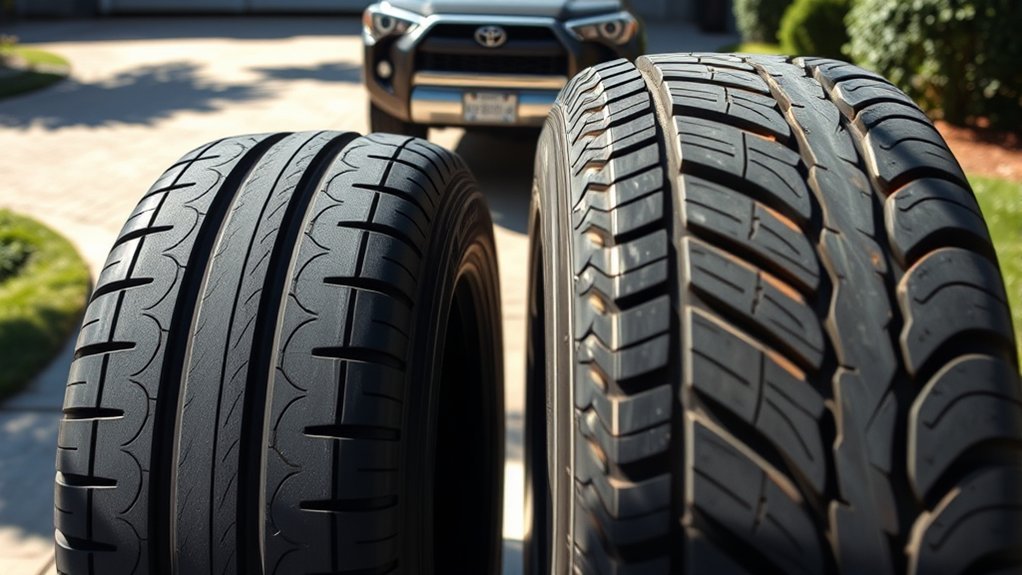
Many users share their experiences with 265/70R17 and 275/70R17 tires, revealing distinct advantages and drawbacks for each size. If you’re after ride comfort, many find that the 265/70R17 tires offer a smoother experience, closely mimicking stock tires, which is great for daily driving. On the other hand, those opting for 275/70R17 tires often appreciate the enhanced aesthetics and confident handling, especially post-lift. However, some users report a noticeable weight penalty with the 275s, which weigh around 57 lbs compared to the lighter 265s at approximately 48 lbs. While both sizes improve road absorption on rough terrain, feedback indicates that the 275s can introduce more road noise. Ultimately, user experiences vary: some prioritize the lightweight comfort of 265s, while others enjoy the imposing presence and performance of the 275s. Your choice will depend on what aspects matter most to you.
Compatibility With Lift Kits and Vehicle Modifications
When considering lift kits and vehicle modifications, both the 265/70R17 and 275/70R17 tires fit well with Westcott lift kits, ensuring no rubbing issues. The 275/70R17 option boosts clearance but may slightly raise your vehicle’s center of gravity, affecting off-road stability. If you’re looking to make additional modifications, the 265/70R17 size typically provides more wheel well space for upgrades.
Lift Kit Compatibility
Choosing the right tire size for your lifted 4Runner can greatly impact both performance and compatibility with lift kits. Both the 265/70R17 and 275/70R17 sizes work well with Westcott lift kits, offering a no-rub fit. If you opt for the 275/70R17, keep in mind it might slightly raise your center of gravity, though users report good handling and performance. The 265/70R17 provides more wheel well space, making it a safer choice for tighter setups. Regardless of your choice, guarantee your tire pressure is properly set and consider a wheel alignment after installation. Both sizes enhance the aesthetics and capabilities of your ride without compromising integrity or performance.
Wheel Modification Considerations
While upgrading your 4Runner’s tires, it’s essential to contemplate how wheel modifications can affect overall performance and compatibility with lift kits. Choosing the right size impacts not just aesthetics but also handling and function.
Here are key considerations:
- Wheel Width: Verify your wheels can accommodate wider tires; 275s may not suit narrower 7” rims.
- Center of Gravity: The 275/70R17 tires might raise it slightly, affecting stability.
- No Rub: Both sizes are compatible with Westcott lift kits, preventing rubbing issues.
- Tire Pressure: Keep an eye on tire pressure to optimize performance.
- Aesthetic Upgrade: Both sizes enhance the look of a basic trim while maintaining functionality.
Understanding these factors can help you achieve the best balance of performance and style.
Choosing the Best Tire Size for Your Needs
How do you decide between 265/70R17 and 275/70R17 tires for your vehicle? Evaluating your needs is essential. The 265/70R17 tires offer better tire longevity and a balanced ride for daily driving, while the 275/70R17 tires enhance terrain adaptability, especially off-road. However, they may come with increased road noise.
Here’s a quick comparison:
| Feature | 265/70R17 | 275/70R17 |
|---|---|---|
| Diameter | 31.6 inches | Slightly larger |
| Weight | ~39 lbs | ~55 lbs |
| Terrain Performance | Balanced handling | Improved grip |
If you prioritize clearance and comfort, the 265/70R17 might be your best bet. If off-road confidence and aesthetics matter more, consider the 275/70R17. Your choice depends on your driving style and environment—make it count!
Maintenance Tips for Long-Lasting Tire Performance
To guarantee your tires perform at their best for as long as possible, regular maintenance is key. Here are some essential tips to keep your 265/70R17 and 275/70R17 tires in top shape:
- Rotate your tires every 5,000 miles to promote even wear.
- Maintain the correct PSI; higher pressures can cause vibrations, while airing down for off-road should be done cautiously.
- Periodically check tread depth; aim for a minimum of 2/32 inches for ideal grip.
- Balance your tires during installation and after rotations to avoid uneven wear.
- Keep a full-size spare on hand to guarantee consistent performance in emergencies.
Incorporating regular tire alignment checks and seasonal maintenance can further enhance longevity. By following these guidelines, you’ll not only maximize performance but also enjoy a safer driving experience.
Frequently Asked Questions
Will 275 Fit on Stock 4runner?
Yes, 275s fit on stock 4Runners, offering excellent tire clearance without rubbing. You’ll enjoy improved ride comfort and aesthetics, especially off-road. Just make certain you’re aware of a slight increase in center of gravity.
Conclusion
In wrapping up your tire quest, both the 265/70R17 and 275/70R17 sizes offer unique advantages. The 265’s nimble nature suits urban adventures, while the 275’s robust build shines off-road. Depending on your lifestyle, one might just whisper sweet nothings of comfort and capability that align perfectly with your 4Runner’s spirit. So, consider your driving style, and let the tires pave the way to your next journey, ensuring you roll with confidence and flair.

Related Articles
4Runner Shimmy at 60 MPH: Tires, Wheels, or Something Else
Fix your 4Runner's 60 mph shimmy by isolating tire, wheel, or driveline culprits with one simple test that reveals where to start.
Read More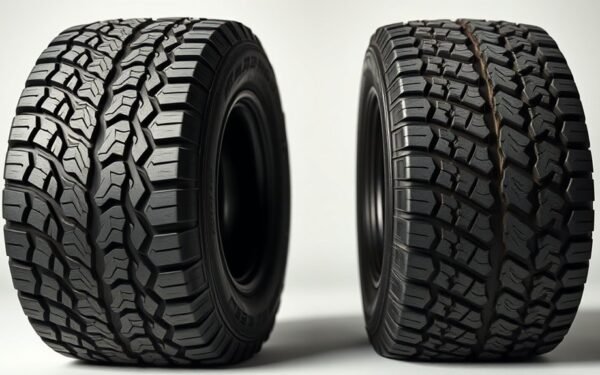
4Runner Tire Size Calculator: How to Compare Dimensions
Knowing how to compare tire dimensions for your 4Runner can enhance performance—discover essential tips to ensure your upgrade is safe and effective.
Read More
Road Force Balance vs Standard Balance for a 4Runner
Need road force balancing for your 4Runner's highway shake, or is standard spinning enough? The answer depends on your tire size and driving habits.
Read More