How to Use a Torque Wrench for 4Runner Lug Nuts
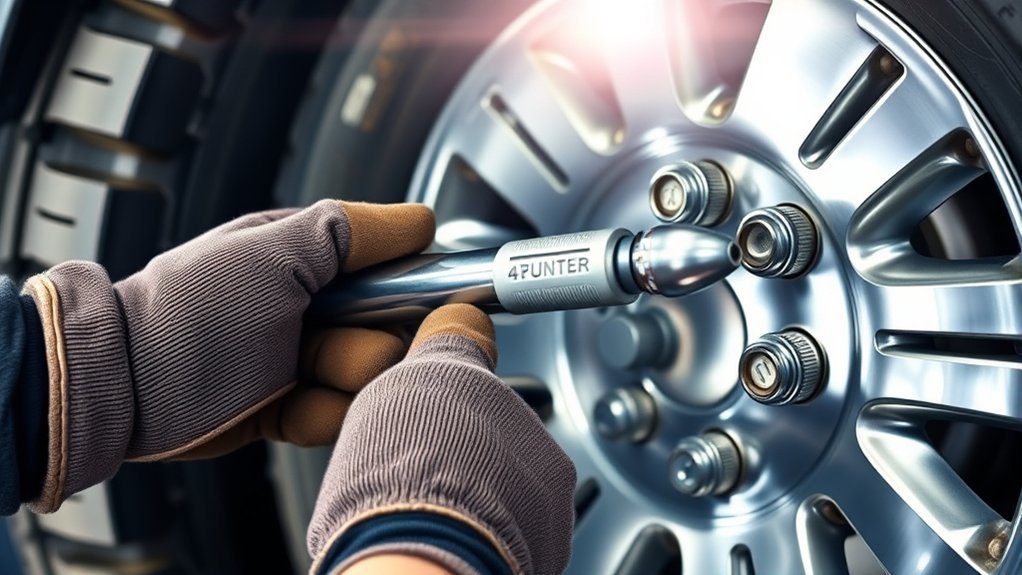
To use a torque wrench for your 4Runner lug nuts, first hand-tighten them to guarantee proper seating. Set the wrench to 76 ft-lb and follow a star pattern for even tightening. Gradually apply pressure until you hear the click or see the indicator move. Double-check the torque after driving a short distance. Avoid using an uncalibrated wrench and never rely solely on impact tools. For more tips on maintaining proper torque and tools, keep going.
How to Properly Torque Your 4Runner Lug Nuts
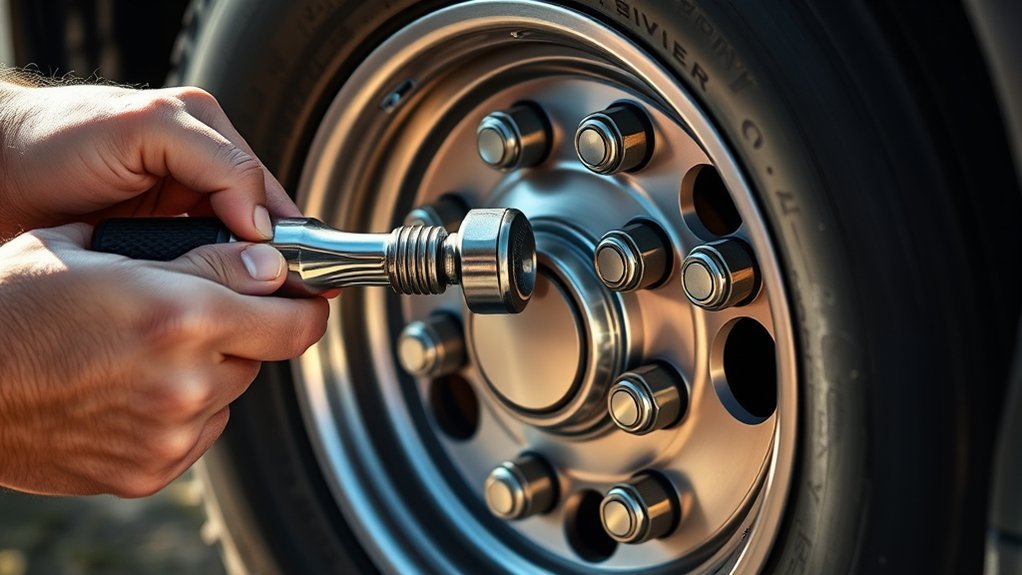
To properly torque your 4Runner lug nuts, start by confirming your torque wrench is calibrated and ready for use. Aim for the recommended specification of 76 ft-lb. When tightening, use a star pattern to distribute torque evenly, preventing warping of the wheel. This method helps maintain proper nut alignment and minimizes torque variations that could lead to uneven wear or failure.
After snugging the lug nuts, it’s essential to re-check the torque after driving a short distance. This guarantees they remain securely tightened. Always finish with your torque wrench; avoid using impact wrenches for final tightening as they can lead to over-torquing and potential damage to the studs.
What Tools You Need to Torque Lug Nuts Right
To torque your 4Runner lug nuts correctly, you’ll need a quality torque wrench, like a click-type or digital model, set to around 76 ft-lb. A breaker bar helps loosen the lug nuts initially, while the torque wrench guarantees precise final tightening. Additionally, consider using a torque stick with an impact driver for consistent torque without over-tightening.
Essential Torque Wrench Types
When tackling the task of torquing your 4Runner’s lug nuts, knowing which tools to use is essential for achieving accurate results. A click-type torque wrench offers significant benefits with its audible click, guaranteeing you reach the necessary torque of around 83 ft-lbs without over-tightening. Alternatively, digital torque wrenches provide digital precision, displaying exact torque readings and often allowing you to store settings for repeat use. For initial loosening, a breaker bar offers leverage, while torque sticks can help prevent over-tightening during installation. However, remember to always finish with a torque wrench to meet specifications. Invest in a good-quality wrench, like those from Snap-on or Craftsman, and make sure it’s regularly calibrated for the best results.
Recommended Torque Settings
Achieving the correct torque setting for your 4Runner’s lug nuts is vital for safety and performance. The recommended torque specification is typically around 76 ft-lb, though many opt for 84-85 ft-lb for added safety. To guarantee precision, use a quality torque wrench, such as a click-type or digital model, and calibrate it regularly to avoid safety issues stemming from inaccurate readings.
When installing lug nuts, snug them by hand first, then apply the specified torque in a star pattern for uniform distribution. Remember, never use an impact wrench for final tightening. Using a torque wrench safeguards against damaging the lug nuts and guarantees they’re secured properly, enhancing your vehicle’s safety on the road.
Additional Tools for Efficiency
Using the right tools can greatly enhance your efficiency and effectiveness when torquing lug nuts on your 4Runner. Here are some essential tools to take into account:
- Quality Torque Wrench: A click-type or digital model guarantees accurate tightening to 76-85 ft-lb.
- Breaker Bar: Ideal for loosening lug nuts without damaging their finish.
- Impact Driver: Speeds up removal, but remember to follow up with a torque wrench.
- Torque Sticks: Prevent over-torquing, offering consistent torque application.
- Calibrated Torque Wrench: Regular calibration maintains accuracy and reliability over time.
Step-by-Step: Using a Torque Wrench
A torque wrench is vital for properly securing the lug nuts on your 4Runner. Start by hand-tightening the lug nuts to guarantee they’re seated correctly. Set your torque wrench to the recommended specification of 76 ft-lb for Toyota vehicles; this is critical for safety and performance. Next, use a star pattern when tightening the lug nuts. This guarantees even distribution of torque, preventing any warping of the wheel.
To maintain accuracy, regularly perform torque wrench calibration and always store the tool properly by releasing tension after each use. After any professional service or tire rotations, double-check the tightness of the lug nuts to confirm they’ve been torqued correctly. Following these steps will liberate you from the worry of improper installation and enhance your confidence in your vehicle’s safety.
Avoid Common Lug Nut Torque Mistakes
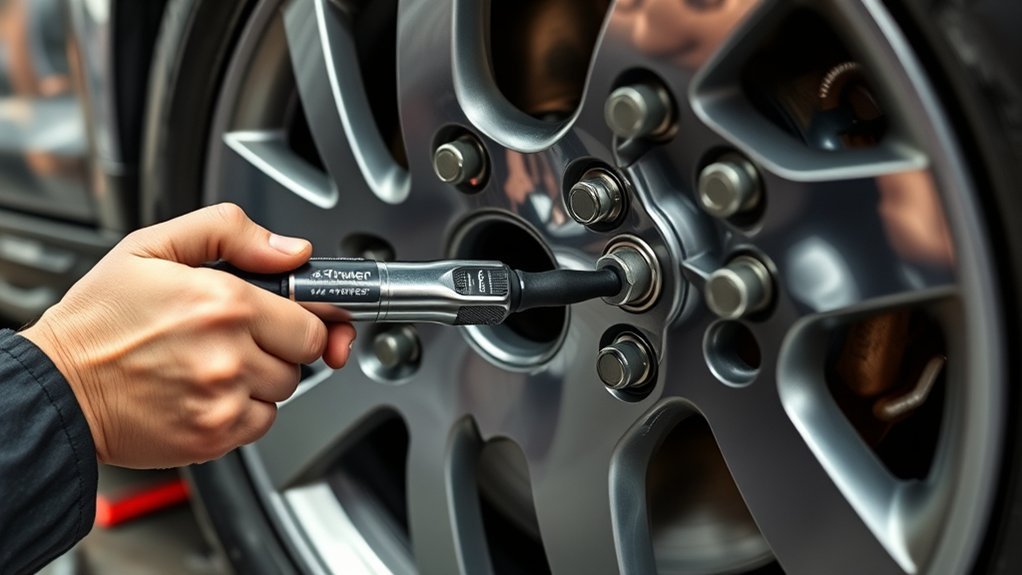
While it’s easy to overlook, avoiding common lug nut torque mistakes is essential for maintaining your 4Runner’s safety and performance. Many drivers fall prey to torque myths, leading to issues down the road. Here are key pitfalls to avoid:
- Using an uncalibrated torque wrench: This can cause over-torquing or under-torquing.
- Neglecting manufacturer specifications: Always torque to about 76 ft-lb for your 4Runner.
- Relying on impact wrenches for final tightening: Hand-tighten first, then use a torque wrench.
- Failing to seat lug nuts properly: Confirm they’re flat against the hub for even torque distribution.
- Ignoring post-service checks: Regularly verify torque settings after professional work.
Best Practices for Accurate Torque Settings
To achieve accurate torque settings on your 4Runner’s lug nuts, start by calibrating your torque wrench before each use. Employ calibration techniques to guarantee your tool provides precise readings; even small inaccuracies can lead to improper torque settings. For your 4Runner, aim for the recommended torque setting of 76 ft-lb when tightening.
Choose a quality torque wrench, like a click-type or digital model, to help avoid over-tightening and enhance torque accuracy. When tightening, follow a star pattern to guarantee even pressure distribution across the wheel, maintaining its integrity.
After installation, it’s wise to check your torque settings again after driving a short distance. This step guarantees everything remains secure and helps prevent potential issues down the line. By following these best practices, you can confidently drive your 4Runner, knowing your lug nuts are properly secured.
How to Check Torque After Installation
After installing your 4Runner’s lug nuts, checking the torque is essential to confirm they’re securely fastened. Use these torque verification techniques to ensure safety and performance:
- Grab a calibrated torque wrench, aiming for the recommended 76 ft-lb specification.
- Set the torque wrench to the correct measurement before testing.
- Utilize a click-type or digital torque wrench for precise readings.
- After driving a short distance, recheck the torque, as lug nuts can settle.
- If any lug nuts are under-torqued, retighten them in a star pattern for even distribution.
Regular post-installation checks help maintain safety and performance. Always verify your torque wrench’s calibration to avoid potential safety issues from incorrect settings. Following these steps confirms your lug nuts are secure, giving you the confidence to hit the road.
Maintaining Your Torque Wrench for Longevity
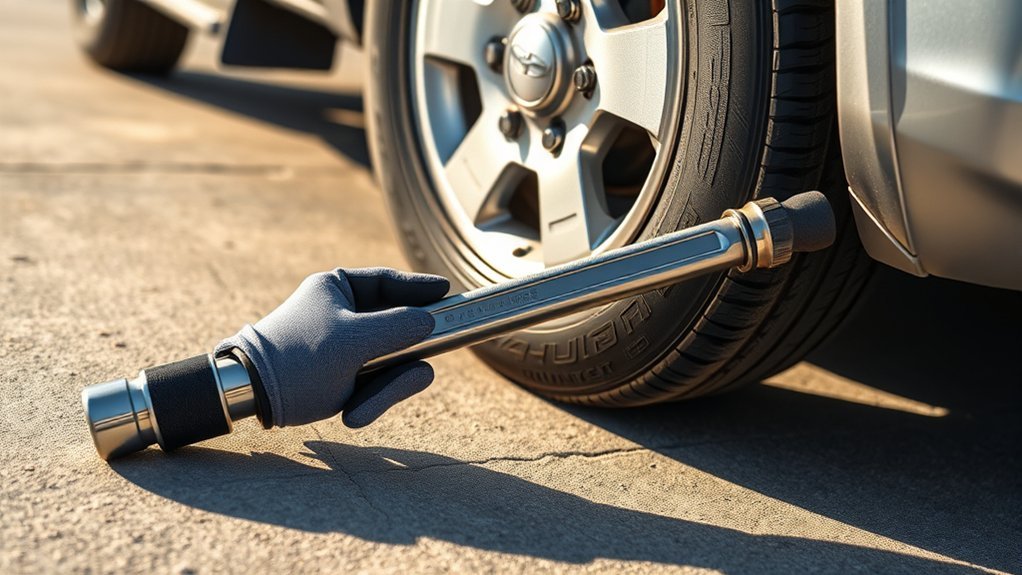
Maintaining your torque wrench is essential for guaranteeing accurate readings and prolonging its lifespan. Regular calibration is vital; aim for a calibration frequency of every 6-12 months or after heavy use. This practice keeps your tool reliable for precision work.
After each use, clean the wrench to remove dirt and debris that could interfere with its functionality. Store your torque wrench correctly—always release the tension to prevent internal spring fatigue. Utilize storage tips like placing it in a protective case to avoid physical damage and preserve calibration.
Lastly, always follow the manufacturer’s guidelines for maintenance and care. By adhering to these practices, you’ll enhance your wrench’s performance and guarantee it serves you well for years to come. Prioritize these steps to liberate your tool from inaccuracies and wear.
Frequently Asked Questions
Can I Use a Standard Wrench Instead of a Torque Wrench?
No, you can’t reliably use a standard wrench instead of a torque wrench. Standard wrench limitations prevent precise torque application, while torque wrench types guarantee proper tightness, enhancing safety and performance for your vehicle’s components.
What Should I Do if the Torque Wrench Clicks Too Early?
If your torque wrench clicks too early, don’t panic! Check your torque settings and guarantee proper wrench maintenance. Adjust as needed, or consult the manual; it’s not a magic wand, just a precise tool!
How Often Should I Recalibrate My Torque Wrench?
You should recalibrate your torque wrench every 1,000 uses or at least annually. Regular calibration guarantees torque accuracy, maintaining tool reliability and safety. Don’t compromise; keep your equipment performing at its best for ideal results.
Is It Safe to Reuse Lug Nuts After Removal?
Yes, you can reuse lug nuts, but verify they show no signs of wear or damage. Proper installation enhances lug nut durability, so always torque them correctly to maintain safety and performance.
What Happens if I Overtighten the Lug Nuts?
Overtightening lug nuts can lead to disastrous consequences, like warped brake rotors or stripped threads. You’ll compromise safety and performance, risking a wheel failure that could end your journey abruptly. Always torque to specifications.
Conclusion
Using a torque wrench for your 4Runner lug nuts guarantees safety and performance—did you know that improperly torqued lug nuts can lead to wheel detachment, causing over 20,000 accidents annually? By following the steps outlined, you can achieve the correct torque settings and avoid common mistakes. Remember to check your torque after installation and maintain your wrench for accurate results. Properly torquing your lug nuts not only enhances safety but also extends the life of your tires and wheels.

Related Articles
How to Maintain TPMS Sensors on a Toyota 4Runner
Keep your 4Runner's TPMS sensors alive for a decade with one simple monthly ritual—but are you resetting them correctly?
Read More
How to Check Tire Tread Depth on Your 4Runner at Home
Keep your 4Runner safe by learning how to check tire tread depth at home—discover simple methods to ensure optimal performance and safety.
Read More
Nitrogen vs Air in 4Runner Tires: Is There a Real Benefit
Most 4Runner owners wonder if nitrogen tires are worth the hype—and the answer might surprise you.
Read More