When to Change to Summer Tires on a Toyota Camry: Seasonal Timing Guide
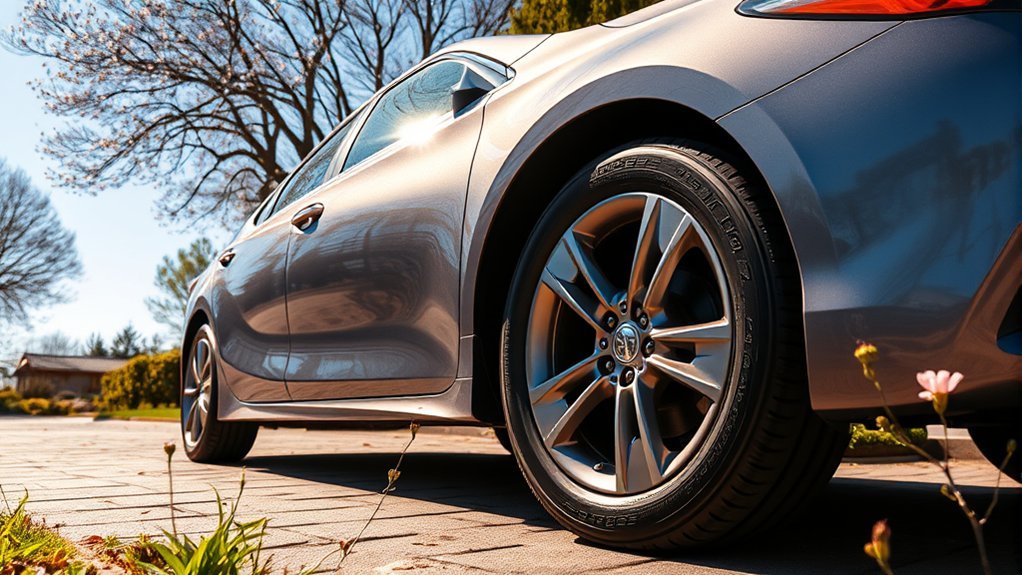
When to change to summer tires on your Toyota Camry? Switch them out when temperatures consistently exceed 45°F, typically between late March and early May. Keep an eye on local weather forecasts, as northern regions may still see snow into April. Summer tires excel in warm conditions, enhancing your car’s grip and handling. By making this timely switch, you’ll improve safety and performance on the road. There’s more to explore about tire maintenance and selection that can optimize your driving experience.
How to Decide When to Switch to Summer Tires

Deciding when to switch to summer tires for your Toyota Camry involves a few key considerations. Start by monitoring local weather patterns; ideally, you should make the switch when temperatures consistently exceed 45°F, usually between late March and early May. Pay attention to the final snowfall in your area—Central Midwest and Eastern Seaboard locations often see their last flakes in March, while northern states might have snow lingering into April.
Ensure you have a full set of summer tires, as mixing tire types can compromise your vehicle’s handling and safety. If you own a second set of rims for summer tires, consider a DIY change to save on costs. Ultimately, be mindful of local regulations regarding studded tires, which typically have cutoff dates between March and May, prompting timely switching to avoid penalties. Prioritize your safety and performance by choosing the right time.
How Climate Affects When to Switch to Summer Tires?
Weather plays a significant role in determining the right time to switch to summer tires on your Toyota Camry. Ideally, you should make the change when temperatures consistently exceed 45°F. Winter tires experience accelerated tire wear in warmer conditions, so timing is essential.
In areas like the central Midwest and Eastern Seaboard, late March is often the perfect moment, as snow typically wraps up by then. However, if you’re in northern regions, you might be waiting until April, while some western areas could see snow into early May.
Be aware of local cutoff dates for studded tires, often ranging from March to May, as these reflect when it’s safe to change. It’s also wise to monitor local weather patterns and forecasts, as unexpected late-season snowstorms can occur, affecting your decision. Staying informed empowers you to make the best choice for your driving experience.
Ideal Timing for Changing Tires
When you’re considering changing to summer tires, focus on two key factors: temperature and local weather. Ideally, you should make the switch when temperatures consistently stay above 45°F, especially after the last snow in your region. Keep an eye on local forecasts to avoid unexpected late-season storms that could catch you off guard.
Best Temperature Guidelines
As temperatures consistently rise above 45°F, it’s time to contemplate switching to summer tires for your Toyota Camry to guarantee peak performance. Summer tires excel in warmer conditions, offering improved grip and handling due to their specialized rubber compounds and tire tread designs. When the weather stabilizes, typically between late March and early May, check local forecasts to avoid late spring snow that can impact your decision. Ideally, switch once the last snow has passed, often around mid-April. Remember, tire tread performance is closely tied to temperature; summer tires lose effectiveness in cooler weather. Stay informed about local guidelines, as some areas have specific cutoff dates for changing tire types, ensuring you enjoy a smooth ride all season long.
Local Weather Considerations
Keeping an eye on local conditions is essential for deciding the right time to switch to summer tires on your Toyota Camry. In areas like Tinley Park, IL, aim to change when temperatures consistently exceed 45°F, typically late March to early April. Monitor local forecasts closely; the last snowfall often occurs in March, but northern states might see snow as late as April. In milder climates, you might have more flexibility.
| Region | Ideal Change Time |
|---|---|
| Tinley Park, IL | Late March to April |
| Northern States | Early to Mid-April |
| Milder Climates | Flexible timeline |
| General Advice | Watch for snow risks |
Stay proactive to avoid surprises from late spring snowstorms!
What to Expect From Summer Tire Performance
Switching to summer tires on your Toyota Camry can greatly enhance your driving experience, especially in warmer months. These tires are designed for optimal performance metrics, providing superior handling and cornering capabilities. With shallower tread depths and smoother patterns, you’ll enjoy maximum tire grip, allowing for precise control on the road.
Summer tires are crafted from softer rubber compounds that remain flexible in warm temperatures, improving traction on both wet and dry surfaces. Their fewer grooves and sipes considerably reduce the risk of hydroplaning, making them safer during rain. Plus, with reduced rolling resistance, you might notice better fuel efficiency compared to winter tires.
To get the most out of your summer tires, regular maintenance is essential. Checking tire pressure and tread depth will help maximize their lifespan and performance, ensuring you can liberate your driving experience with confidence.
Cost of Switching to Summer Tires

When you’re ready to experience the enhanced performance of summer tires on your Toyota Camry, it’s important to evaluate the costs associated with this switch. Typically, the cost to switch to summer tires ranges from $60 to $150 for mounting and balancing at service centers. To maximize your savings, obtain quotes beforehand to guarantee you’re getting the best price.
Investing in a second set of rims can greatly reduce switching costs, making them about one-fourth to one-half of standard rates. This setup not only allows for DIY tire changes, further cutting installation fees, but also simplifies tire storage. Regular maintenance and timely switching to summer tires boost safety and performance, leading to long-term cost savings. By considering these factors, you can make a smart, economical decision for your driving experience.
Proper Techniques for Changing Tires
Changing tires on your Toyota Camry can be a straightforward task if you follow the right techniques. To guarantee a safe and efficient tire change, keep these tips in mind:
- Consult your vehicle manual for specific instructions tailored to your model.
- Gather essential tools: a jack, lug wrench, and possibly a torque wrench for proper tire maintenance.
- Park on a flat surface and engage the parking brake to prevent rolling during the change.
- Loosen lug nuts slightly while the tire is still on the ground; this makes removal easier once lifted.
Once you’ve changed the tires, remember to re-torque the lug nuts to the manufacturer’s specifications after driving a short distance. These safety precautions guarantee that your tires stay securely in place, allowing you to enjoy a smooth and confident drive this summer.
Tips for Extending the Life of Your Summer Tires
Extending the life of your summer tires is essential for both safety and performance, and it starts with simple, proactive steps. First, regularly check your tire pressure; under-inflated tires can decrease fuel efficiency and accelerate wear. Implement tire maintenance tips like rotating your tires every 5,000 to 7,500 miles to promote even tread wear, ensuring they last longer.
Keep your tires clean and free from debris to prevent damage, especially on hot pavement. When storing your summer tires, choose a cool, dry place away from direct sunlight to protect the rubber compounds from deterioration.
Lastly, engage in consistent tread depth monitoring. Replace your tires when the tread reaches 2/32 of an inch to guarantee safe handling and traction. By following these tips, you’ll not only enhance your driving experience but also liberate yourself from the worry of premature tire wear.
Choosing Between Summer and All-Season Tires

When deciding between summer and all-season tires, you should consider the performance differences and weather adaptability. Summer tires excel in warm conditions, offering superior traction and handling on hot asphalt, while all-season tires provide a more balanced performance across various climates. If you frequently face extreme weather, summer tires can enhance your driving experience, but all-season tires might be adequate for moderate climates.
Performance Differences
While you might appreciate the versatility of all-season tires, summer tires truly shine in warm conditions, delivering superior performance and handling. Designed with shallower tire tread and smoother patterns, they maximize pavement contact for improved cornering. Here’s why summer tires stand out:
- Enhanced grip: Softer rubber compounds offer better stability on hot asphalt.
- Optimized performance: Ideal for temperatures consistently above 45°F, maximizing handling characteristics.
- Superior wet and dry traction: Outperform all-season tires in both conditions during summer.
- Quick response: Improved cornering ability for a more dynamic driving experience.
If you’re seeking that exhilarating drive this summer, switching to summer tires is your best bet for performance and handling.
Weather Adaptability
Summer tires are purpose-built for hot weather, offering considerably better performance than all-season tires, especially in consistently warm climates. If you live in an area with predictable weather patterns, switching to summer tires lets you experience enhanced grip and cornering stability. All-season tires might seem versatile, but they compromise performance in extreme temperatures.
| Criteria | Summer Tires | All-Season Tires |
|---|---|---|
| Tread Design | Shallower, smoother patterns | Versatile tread |
| Temperature Suitability | Best above 45°F | Average performance |
| Handling and Grip | Superior in hot conditions | Struggles in extreme heat |
Choosing summer tires means embracing the freedom of high-performance driving, ensuring you maximize your Toyota Camry’s capabilities during the warm months.
Frequently Asked Questions
When Should I Switch My Winter Tires to Summer Tires?
You should switch your winter tires to summer tires once temperatures consistently exceed 45°F. This helps prevent excessive tire wear and guarantees peak performance, especially as the weather warms and driving conditions change. Stay alert!
What Does Toyota Recommend for Tire Rotation?
Toyota recommends rotating your tires every 5,000 to 7,500 miles to promote tire maintenance and enhance driving safety. Regularly checking your owner’s manual guarantees you follow the best practices for your specific Camry model.
Is October Too Early for Winter Tires?
If you live in a place like Denver, October might be too early for winter tires. Evaluate the cold weather impact on tire tread; softer compounds can wear quickly in warmer temps, affecting your safety.
Conclusion
In the grand dance of seasons, knowing when to swap your Toyota Camry’s tires can make all the difference. As temperatures rise, summer tires reveal their true potential, offering enhanced grip and performance. Embrace the change, and don’t let the heat catch you off guard! By planning ahead, you’ll not only enjoy a smoother ride but also extend the life of your tires. So, keep your wheels turning gracefully through the sunny days ahead!

Related Articles

Toyota Camry Summer Tire Guide: Benefits, Limits & When to Use Them
Unlock the secrets to optimizing your Toyota Camry's performance with summer tires, but what do you need to watch out for? Discover more inside!
Read More
Toyota Camry Winter Tire Guide: Everything You Need to Know for Cold Weather
Get ready for winter driving with our comprehensive Toyota Camry Winter Tire Guide—learn how to maximize safety and performance in cold weather!
Read More
All-Season vs. Winter Tires on a Toyota Camry: When to Use Each
On the fence about all-season versus winter tires for your Toyota Camry? Discover which option truly enhances your safety and performance this winter.
Read More