
Toyota Camry Rim Material Guide: Aluminum vs. Steel Wheels Compared
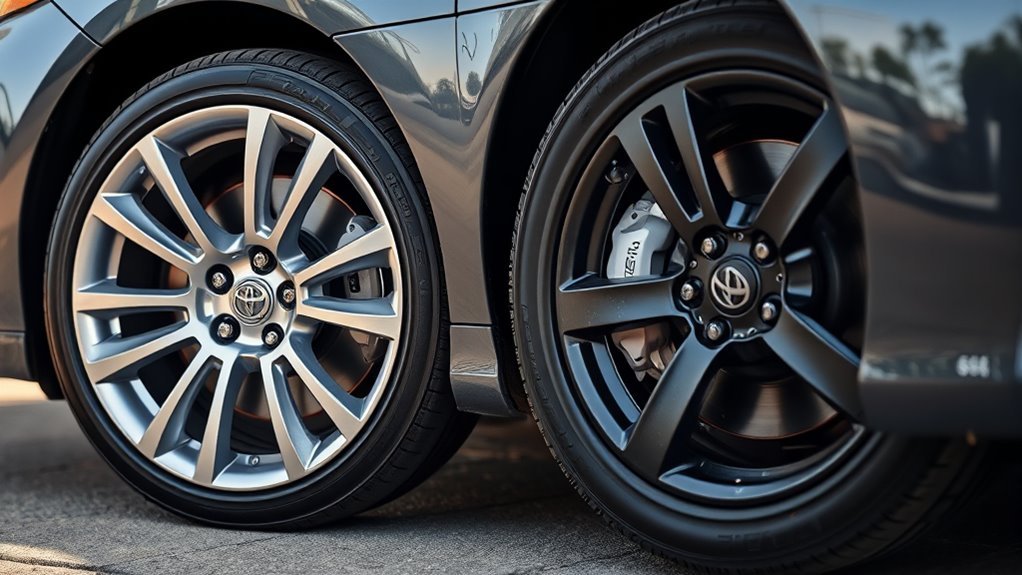
If you’re choosing Camry rims, aluminum alloy wheels are lighter, which can sharpen acceleration, steering response, ride comfort, and fuel economy. Steel wheels are heavier, but they’re tougher against bends and cracks, cheaper to repair, and better suited to winter, pothole-heavy roads, and deicer exposure. Alloy wheels usually suit daily performance and appearance, while steel wheels favor durability and lower upfront cost. The best choice depends on how you drive, and the details matter more than you might think.
What’s the Difference Between Camry Steel and Alloy Wheels?
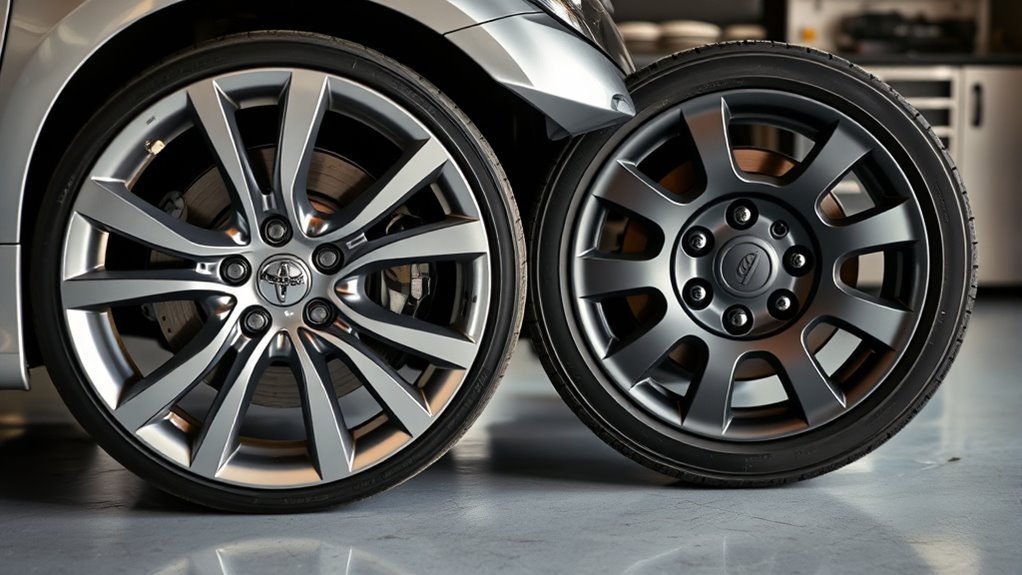
On a Toyota Camry, steel and alloy wheels differ mainly in weight, durability, appearance, and cost. If you choose steel wheels, you get a heavier, more utilitarian component that resists bending and cracking under harsh conditions. That durability makes them practical when you need dependable service without premium expense. Alloy wheels, by contrast, use lighter materials and can cut wheel weight by 30-40%, which supports weight savings and a freer-feeling chassis. You’ll also notice stronger design aesthetics: alloys offer more finishes, shapes, and visual refinement than steel. Base Camry trims usually wear steel wheels, while higher trims often include alloy wheels as standard equipment. Steel wheels typically cost less and can be easier to repair, but alloys usually support stronger resale value because buyers often value their appearance and equipment level. You’re choosing between rugged utility and a more liberated, polished presentation.
Why Alloy Wheels Improve Camry Performance
You’ll notice alloy wheels cut unsprung and rotational mass, so your Camry can accelerate more efficiently with less drivetrain load. That lower weight also lets the suspension react faster, which sharpens steering response and improves cornering stability. In practical terms, you get a more immediate, controlled feel when you change direction or brake.
Lighter Weight Benefits
Because alloy wheels typically weigh 30–40% less than steel wheels, they reduce the Toyota Camry’s overall mass and rotational inertia, which can improve fuel efficiency, sharpen acceleration, and make throttle response feel more immediate. You also benefit from better weight distribution, since less mass at each corner lowers the load the chassis must manage. That reduction can aid aerodynamic benefits indirectly by letting the car move with less effort, especially at speed. Alloy wheels’ lower mass also cuts unsprung weight, so the suspension doesn’t need to control as much inertia over bumps. The result is a more efficient energy transfer, less strain on suspension parts, and improved heat dissipation during braking. You get a Camry that feels freer, quicker, and less burdened by unnecessary material.
Better Handling Response
Alloy wheels improve the Toyota Camry’s handling response by reducing unsprung weight, which lets the suspension react more quickly during steering inputs and directional changes. You gain sharper steering precision, faster lane changes, and more direct feedback from the chassis.
- 30-40% lower mass cuts rolling inertia.
- Quicker suspension action boosts maneuverability.
- Better heat dissipation helps brake stability.
- High roundness supports smoother, more controlled turns.
Because the wheel is lighter, your Camry can redistribute force more efficiently during cornering, improving cornering stability without dulling ride quality. Alloy’s material properties also reduce strain on shock absorbers, so you keep control and comfort in motion. If you want a more liberated, responsive drive, alloy wheels deliver the technical edge that steel can’t match.
Why Steel Wheels Make Sense for Winter Driving
You’ll find steel wheels resist bending and cracking better than aluminum when potholes, ice, and curb impacts hit in winter. They also cost less to repair or replace, which keeps damage-related expenses down when conditions are harsh. Their greater mass can improve snow and ice traction, helping your Camry stay more stable on slippery roads.
Winter Impact Resistance
For winter driving, steel wheels offer a durable, impact-resistant option that’s well suited to harsh road conditions. You get clear impact resistance benefits when potholes, ice chunks, and road debris strike the rim. Their steel structure resists cracking and bending better than aluminum, so you keep control on winter road conditions. The added mass can also help your Camry maintain traction and stability on snow-packed streets.
- Resists deformation under impact
- Handles gravel and deicer exposure
- Supports stable winter traction
- Accepts minor bends more readily
You’re choosing a wheel that can endure abuse without compromising performance. That resilience matters when you want dependable mobility, not fragile hardware, in a season that punishes weak materials.
Lower Repair Costs
Steel wheels can trim winter maintenance costs because they’re cheaper to replace, easier to straighten when bent, and less likely to suffer corrosion-related damage from salt and deicers. For you, that means a tighter cost comparison against aluminum when winter potholes, curbs, and freeze-thaw cycles create frequent rim service needs. Steel’s repair accessibility is a practical advantage: a bent wheel often responds to basic tools, while aluminum typically demands specialized work and higher labor charges. You also limit long-term expenses because steel resists rust better under deicer exposure, so you’re less likely to pay for hidden damage later. If you want to keep your Camry independent of avoidable shop costs, steel wheels give you a straightforward, financially rational path through winter.
Better Snow Traction
When winter roads turn slick, steel wheels can give your Camry a traction advantage because their added weight helps increase tire contact and improve stability on snow and ice. You’ll notice better snow performance when the wheel mass keeps the tire planted under load.
- Steel’s weight boosts grip on compacted snow.
- Greater stability improves control on icy turns.
- Steel resists bending from potholes, gravel, and deicers.
- If damage occurs, you can often repair it easily.
These traction advantages matter when you want dependable handling without expensive hardware. Steel wheels also preserve structural integrity through harsh conditions, so you keep moving with confidence. For winter driving, that practicality helps you stay freer from downtime and sharper on slippery pavement.
How Wheel Weight Affects Camry Fuel Economy
Because wheel mass directly affects how hard your Camry’s drivetrain must work, lighter aluminum wheels can improve fuel economy by reducing overall vehicle weight, lowering unsprung mass, and easing acceleration demands. You’ll notice better wheel efficiency because the engine spends less energy overcoming inertia at every start, merge, and climb. Steel wheels usually weigh about 2.5 to 3 times more than aluminum, so they raise rolling resistance and add load to the drivetrain. That extra mass can blunt acceleration and force your Camry to burn more fuel to maintain speed. Over long distances, lighter wheels can deliver fuel savings of roughly 10-15%, especially across 20,000 kilometers of driving. Aluminum’s lower unsprung weight also helps the tires track the road with less wasted motion, which supports cleaner energy transfer. If you want more control over operating costs, choosing lighter rims is a practical way to reclaim efficiency without sacrificing mechanical integrity.
Which Wheels Improve Camry Ride Quality?
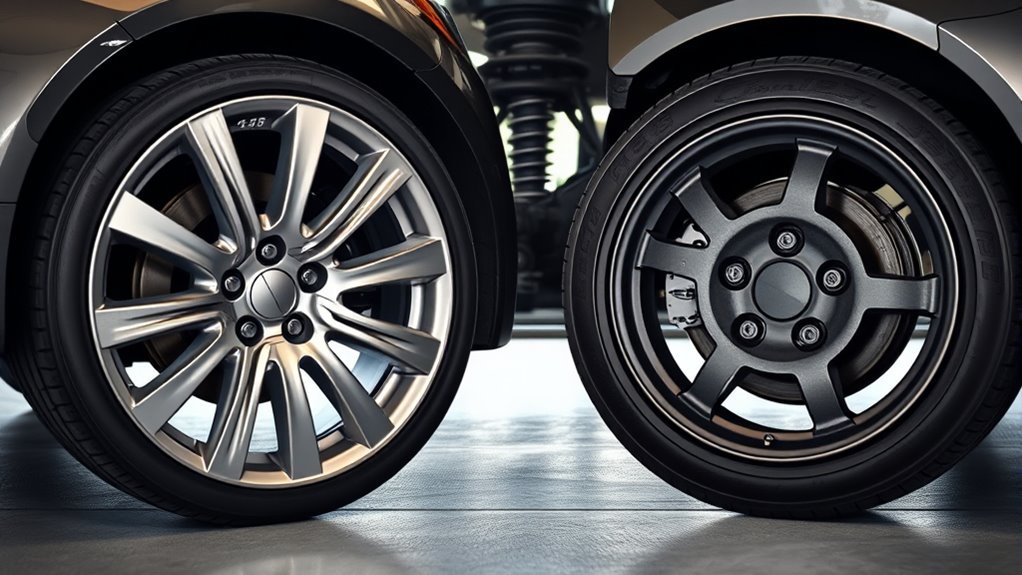
Aluminum wheels usually improve Camry ride quality because their lighter design reduces unsprung weight, so the suspension can react faster to bumps, braking loads, and steering inputs. You’ll feel sharper control and better ride comfort without sacrificing composure.
- Lower mass: Aluminum can weigh far less than steel, so your Camry’s suspension works with less inertia.
- Smoother response: High roundness and precision help reduce vibration transfer from the road surface.
- Stable braking: Better heat dissipation supports consistent brake performance, which keeps the chassis calmer.
- Efficient motion: Reduced engine load and improved handling dynamics add an easier, more liberated driving feel.
Steel wheels still serve well, but their extra weight can dull acceleration and make the car feel less responsive. If you want a more refined daily drive, aluminum gives you the stronger technical advantage. It also supports wheel longevity by maintaining stable temperatures during repeated use, helping preserve the system’s overall balance.
Which Wheel Type Handles Damage Better?
Ride quality often points Camry owners toward aluminum wheels, but damage resistance tells a different story. If you prioritize wheel durability, steel wheels give you stronger impact resistance in rough conditions. They’re less likely to bend deeply or crack when you hit potholes, curbs, or debris, so they hold up better when the road gets hostile. When a steel wheel does bend, you can often restore it with basic tools, keeping your setup functional without much fuss. Aluminum wheels, by contrast, save weight and sharpen handling, yet they’re more vulnerable to cracking under the same force. If you drive through harsh winters, salted roads, or broken pavement, steel’s toughness protects you from cosmetic wear and structural failure. For Camry owners who want freedom from fragile hardware, steel wheels offer the more reliable shield against impact-related damage.
How Much Do Camry Wheel Repairs Cost?
How much should you expect to pay when a Camry wheel gets damaged? Your bill depends on material, damage depth, and repair methods. Steel wheel repairs usually run $50 to $100, because technicians can often bend the rim back into shape. Aluminum wheel repairs cost more, typically $100 to $300, since finishes and structural work demand tighter control.
- Steel wheels: lower labor, simpler correction.
- Aluminum wheels: higher precision, higher cost.
- Refinishing or repainting: add $50 to $150.
- Rust risk: untreated steel damage can raise long-term expenses.
When you compare cost factors, steel often looks cheaper upfront, but corrosion can erode that advantage if you delay service. Aluminum resists rust better, yet major damage may push you toward replacement instead of repair. You should price the job by evaluating both immediate repair methods and the risk of future failures.
Which Wheel Material Is Best for Your Camry?
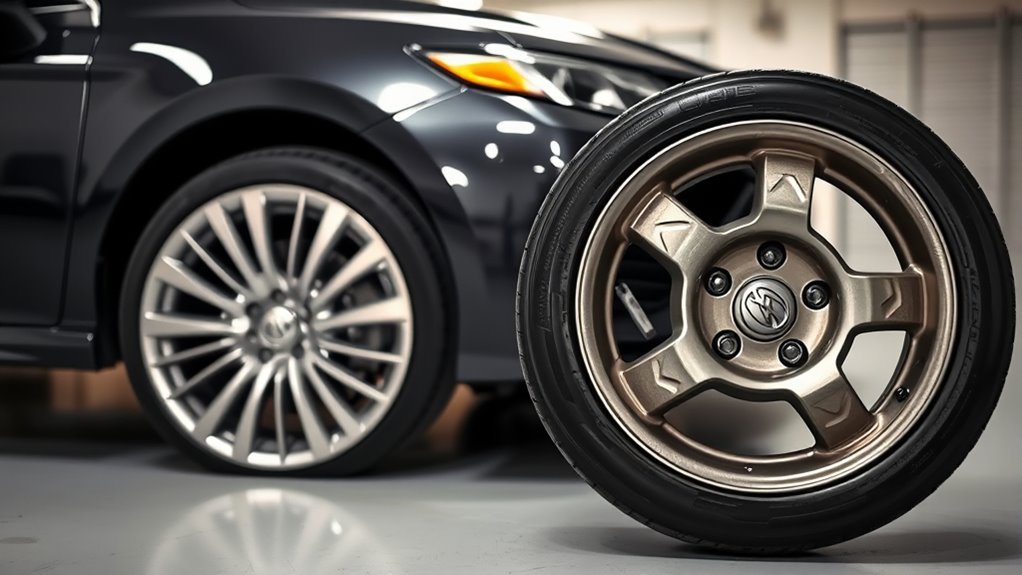
Choosing the best wheel material for your Camry depends on whether you value performance, durability, cost, or appearance most. If you want sharper acceleration, shorter braking distances, and better fuel economy, choose aluminum; it’s 30-40% lighter than steel and frees your Camry from unnecessary mass. If you drive on rough roads, hit potholes often, or face winter deicers, steel offers superior resistance to bending and cracking, so it’s the safer practical choice. For upfront savings, steel wins, but aluminum can repay you through fuel efficiency and stronger resale value. If your aesthetic preferences matter, aluminum gives you far more designs and finishes, while steel stays utilitarian. For wheel maintenance, steel is easier to tolerate in harsh seasons, yet aluminum rewards careful ownership with performance and visual freedom. In short, pick aluminum for everyday efficiency and style, or steel for rugged durability and lower initial cost.
Frequently Asked Questions
What Are Toyota Camry Rims Made Of?
Toyota Camry rims are usually steel on base trims and aluminum alloy on higher trims. You’ll notice rim durability differs: steel resists bending, while weight differences favor lighter aluminum for better handling, acceleration, and braking.
Are Toyota Wheels Steel or Aluminum?
Toyota wheels can be steel or aluminum—an epic split that changes everything. You’ll usually get steel on base trims for wheel durability, while alloys cut weight differences and boost performance.
Conclusion
Choosing between Camry aluminum and steel wheels comes down to your priorities. Alloy wheels usually offer better handling, lower weight, and a more refined look, while steel wheels provide durability and lower repair costs, especially for winter duty. If you want efficiency and performance, alloy is the sharper pick; if you value toughness and budget, steel makes sense. In the end, like picking the right tool for a job, the best wheel is the one that fits your driving needs.

Related Articles
Toyota Camry Tire Aquaplaning: What Causes It and How to Prevent It
Beneath the surface of wet roads lies the danger of aquaplaning; discover how to keep your Toyota Camry safe and secure while driving in the rain.
Read More
Toyota Camry Tire Wet Traction Explained: What Affects Grip in Rain
Learn how tire tread design, pressure, and composition influence your Toyota Camry's wet traction—key factors that could keep you safe on rainy roads.
Read More
How All-Season Tires Perform in Snow on a Toyota Camry: What to Expect
Understand how all-season tires perform in snow on your Toyota Camry, but discover why they may not be your best choice for winter driving safety.
Read More