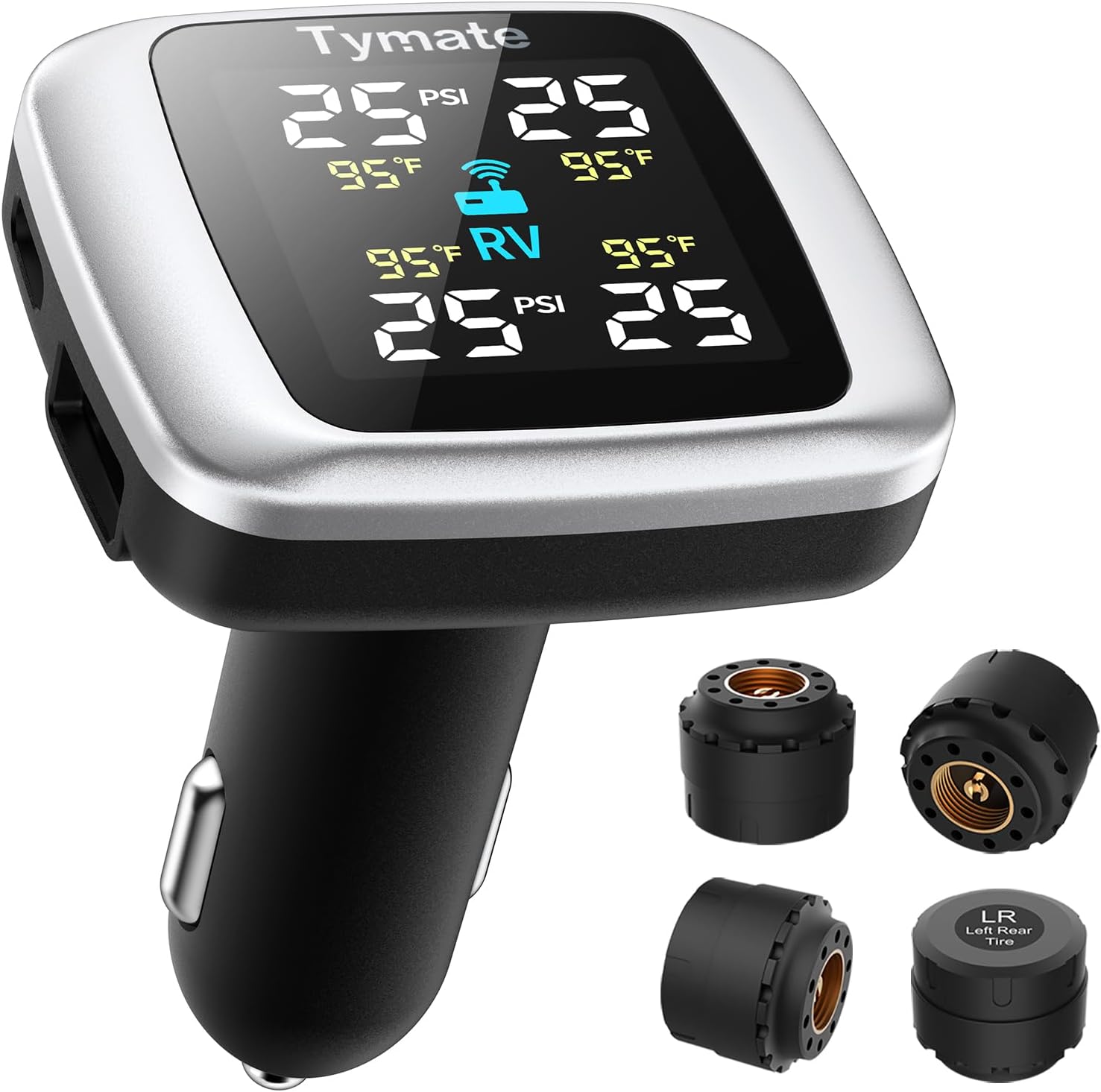
How to Replace a Toyota Camry TPMS Sensor: What the Process Involves

Replacing a Toyota Camry TPMS sensor involves several key steps. First, lift the vehicle and remove the wheel to access the tire. Deflate the tire, dismount it, and dispose of the old sensor. Install the new sensor with fresh grommets and secure it according to manufacturer torque specs. Connect your scan tool to the OBDII port to reprogram the ECU and drive the car for a mile to calibrate. Want more tips on troubleshooting or monitoring the system?
Understanding TPMS: What It Is and Why It Matters

The Tire Pressure Monitoring System (TPMS) plays an essential role in vehicle safety and performance. Originating in the 1980s, TPMS has evolved considerably, driven by advancements in sensor technology. Today, it employs sensors embedded in each tire to monitor real-time pressure, alerting you when levels drop below safe thresholds. This proactive system not only enhances your vehicle’s handling but also boosts fuel efficiency and extends tire lifespan.
There are two main types of TPMS: direct systems measure actual tire pressure while indirect systems estimate it based on wheel speed and ABS data. Federal regulations mandate that all passenger vehicles sold in the U.S. after 2007 must have a functional TPMS, ensuring enhanced road safety for everyone. By understanding TPMS, you’re empowered to maintain ideal tire conditions, reducing the risk of blowouts and improving overall driving experience.
Key Tools You Need for TPMS Sensor Replacement
Replacing a TPMS sensor in your Toyota Camry requires several key tools to guarantee a smooth and effective process. First, the Bartec Tech600Pro tool is essential for diagnosing and activating TPMS sensors, ensuring compatibility with your vehicle’s ECU via OBDII/CANbus. You’ll also need a reliable scan tool for programming new TPMS sensors with unique IDs, which helps avoid warning light issues.
Don’t forget to use new grommets, nuts, and valve caps during installation for a proper seal—this prevents leaks. For aluminum TPMS sensors, opt for electro-less, nickel-plated valve cores to deter corrosion, steering clear of brass components. Finally, a torque wrench is vital to tighten the TPMS sensor according to manufacturer specifications, preventing damage while ensuring functionality. With the right tools and attention to detail, you can successfully navigate the intricacies of TPMS technology.
Removing the Old Sensor: A Step-by-Step Guide
To start removing the old TPMS sensor, gather the necessary tools, including a tire-changing machine and a valve core tool. Next, follow a step-by-step dismounting process to safely detach the sensor from the valve stem. Finally, make sure you dispose of the old sensor properly to comply with environmental regulations.
Tools Required For Removal
When tackling the removal of a Toyota Camry’s TPMS sensor, having the right tools on hand is vital for a smooth process. You’ll need a tire iron to remove the wheel lug nuts and a hydraulic jack or tire changer to lift the vehicle. A valve core removal tool is essential for safely releasing air from the tire before dismounting it from the rim. To access the TPMS sensor, employ a tire bead breaker to separate the tire from the rim. Don’t forget to use a torque wrench for reinstalling the new sensor, confirming sensor compatibility considerations and adhering to manufacturer specifications. Always use new grommets and nuts as maintenance tips to prevent leaks and guarantee a secure fit.
Step-By-Step Dismounting Process
With the right tools gathered, you’re ready to start the dismounting process for the old TPMS sensor. First, safely lift the vehicle and remove the wheel to access the tire. Deflate the tire completely to relieve pressure, then use a tire mounting machine or hand tools to dismount it from the rim. Carefully detach the old TPMS sensor from the valve stem, avoiding damage to surrounding components.
| Step | Action | Maintenance Tips |
|---|---|---|
| 1 | Lift vehicle and remove the wheel | Confirm vehicle is stable |
| 2 | Deflate tire completely | Prevent accidental inflation |
| 3 | Dismount tire from rim | Use proper tools |
| 4 | Detach old sensor | Handle gently |
| 5 | Inspect and replace valve stem | Check for wear to extend lifespan |
Clean the rim and tire surfaces thoroughly before installing the new sensor.
Proper Sensor Disposal Methods
As you remove the old TPMS sensor, it’s essential to follow proper disposal methods to guarantee environmental compliance. Start by deflating the tire and safely accessing the sensor. After detaching it from the valve stem, make sure you dispose of the sensor according to local regulations—many areas have specific guidelines for electronic waste and recycling. Explore recycling options that adhere to these regulations, as this promotes sustainability. Document the disposal process for customer assurance and liability protection, keeping records to verify compliance with environmental standards. Finally, consider sensor longevity tips for future installations, ensuring that your new sensor remains effective and minimizes waste. Following these steps protects the environment while keeping you informed and responsible.
Best Practices for Installing Your New TPMS Sensor

Installing your new TPMS sensor requires attention to detail to guarantee peak performance. Start by using new grommets, nuts, and valve caps to verify a proper seal and prevent leaks. When employing grommet installation techniques, confirm they fit snugly to avoid any air loss. Opt for electro-less, nickel-plated valve cores for your aluminum sensors, as they resist corrosion better than brass.
Refer to manufacturer specifications for torque requirements, as overtightening can damage the sensor. Before re-installing the tire, clean the rim and tire surfaces thoroughly to remove any sealant residue that could hinder TPMS functionality. Avoid liquid or tire sealants in TPMS-equipped tires, as they can block pressure ports and lead to malfunctions. Following these sensor maintenance tips will help maintain the integrity of your TPMS system and verify your vehicle operates efficiently.
Reprogram the ECU for Sensor Recognition
Reprogram the ECU to recognize your new TPMS sensors by using a compatible scan tool, such as the Bartec Tech600Pro. First, connect the scan tool to the OBDII port to establish communication with the vehicle’s ECU. Input the unique ID of each sensor, ensuring you adhere to the manufacturer’s specifications for proper ECU updates and sensor compatibility.
| Step | Action |
|---|---|
| 1 | Connect scan tool to OBDII port |
| 2 | Access TPMS menu in scan tool |
| 3 | Input unique sensor IDs |
| 4 | Complete programming |
| 5 | Drive the vehicle for about a mile |
After programming, it’s essential to drive your vehicle to help the ECU recognize the new sensors and reset the TPMS warning light. Finally, conduct an audit of the TPMS system to confirm successful registration and functionality.
Troubleshooting Common TPMS Issues After Installation?
After installing new TPMS sensors in your Toyota Camry, you may encounter a few common issues that require troubleshooting. First, make sure you’ve properly programmed the sensors using a compatible scan tool; failure to do so can keep the tire warning light illuminated. If the TPMS light is flashing, this often indicates a low battery or loss of signal from one or more sensors, necessitating further inspection. A solid TPMS light typically means incorrect tire pressures, so double-check that all tires are inflated to the manufacturer’s specified levels. After installation, driving the vehicle for about a mile can help reset the TPMS light, but keep an eye on its behavior afterward. If you use an aftermarket navigation system showing only four tire pressures, verify if your spare tire has a sensor requiring programming. Effective warning light troubleshooting is key for a fully functional TPMS.
Why Final Audits and Documentation Are a Must

Conducting a final audit following the replacement of TPMS sensors is essential to guarantee all components are functioning as intended and meet manufacturer specifications. The final audit significance lies in its ability to confirm that each sensor operates correctly, ensuring safety and performance. By documenting the audit results, you create a valuable record of the service performed. This documentation benefits not just technicians but also protects businesses from potential liability and disputes.
Providing printed results enhances transparency with customers, showcasing your commitment to quality and thoroughness. It fosters trust and satisfaction, crucial for long-term customer relationships. Additionally, keeping accurate service records informs future maintenance and troubleshooting, ultimately improving vehicle performance. In a competitive market, these practices not only elevate your service standards but also empower you and your customers with knowledge and assurance.
Driving Tips to Reset the TPMS Light After Replacement
To reset the TPMS light after replacing the sensors, drive your Toyota Camry for about a mile to allow the system to recalibrate. Before you hit the road, confirm that all tire pressures meet the manufacturer’s specifications to prevent false warnings. Keep an eye on the TPMS light; a solid light indicates a pressure issue, while a flashing light points to a system malfunction.
Required Driving Distance
When you replace the TPMS sensors on your Toyota Camry, driving the vehicle for about one mile is crucial for the system to reset and recalibrate the sensors. Before hitting the road, confirm that tire pressures are verified and adjusted to the manufacturer’s specifications; incorrect pressures can hinder the reset process. During this drive, the vehicle will utilize calibration techniques to recognize the new sensor data. Keep an eye on the TPMS light: a flashing light indicates ongoing issues, while a solid light usually means you need to adjust tire pressures. If the light doesn’t turn off after your drive, further reprogramming or sensor registration with a scan tool might be necessary for ideal sensor maintenance.
Monitor Light Behavior
Monitoring the TPMS light behavior after replacing the sensors is essential for guaranteeing your vehicle operates safely and efficiently. After the replacement, drive your Camry for about a mile to help the system reset. Confirm all tires, including the spare, are inflated to the recommended pressure to avoid false warnings. A solid TPMS light signals pressure issues, while a flashing light indicates a potential sensor calibration or programming problem. Both scenarios require immediate attention. If the TPMS light remains illuminated after driving, you may need to reprogram or reset the sensors using a scan tool. Regularly monitor light behavior post-replacement to catch any underlying issues early and maintain peak performance.
Confirm Tire Pressure
Confirming tire pressure is essential after replacing the TPMS sensors to guarantee proper system functionality. First, check all tires to verify they’re inflated to the manufacturer-recommended pressures. This step prevents warning signals from triggering unnecessarily. Next, drive your vehicle at a speed of 25-35 mph for about a mile, allowing the system to recalibrate and potentially turn off the TPMS light. While driving, monitor the TPMS light behavior; a flashing light may signal a sensor issue, while a solid light typically indicates low tire pressure. If the light remains on, consider reprogramming the sensors or investigating possible signal loss or battery issues. Regularly checking tire pressure maintains peak performance and guarantees sensor compatibility with your TPMS system.
Frequently Asked Questions
How Often Should I Replace My Toyota Camry TPMS Sensors?
You should replace your Toyota Camry TPMS sensors every five to seven years, considering sensor lifespan factors like climate and driving conditions. Regular TPMS maintenance tips can help guarantee peak performance and safety.
Can I Use Aftermarket TPMS Sensors for My Toyota Camry?
Yes, you can use aftermarket TPMS sensors for your Toyota Camry, but verify their compatibility. Check for proper programming and sensor performance to avoid issues with your vehicle’s system and maintain accurate tire pressure monitoring.
What Happens if I Don’t Replace a Faulty TPMS Sensor?
If you don’t replace a faulty TPMS sensor, you’ll face persistent TPMS warnings, risking sensor longevity and compromising tire safety. Ignoring it can lead to underinflated tires, reduced fuel efficiency, and increased wear on your vehicle.
Are There Any Specific Tools for Removing Tires Safely?
You’ll need a tire jack, lug wrench, and safety equipment like gloves and goggles for tire changing. These tools guarantee you work safely and efficiently, empowering you to handle tire issues with confidence and skill.
How Do I Know if My TPMS Sensor Is Malfunctioning?
You’ll know your TPMS sensor’s malfunctioning if the TPMS warning light stays on after calibration, or if the tire pressure readings are inconsistent. Regular checks can help guarantee your system’s reliability and safety.
Conclusion
Replacing your Toyota Camry’s TPMS sensor can seem intimidating, but with the right tools and steps, it’s manageable. Remember, “a stitch in time saves nine”—addressing issues promptly prevents bigger problems later. After installation, verify you reprogram the ECU and check for any troubleshooting needs. Keep a record of your work for future reference. With these practices, you’ll maintain your vehicle’s safety and performance, guaranteeing a smooth driving experience ahead.

Related Articles

Toyota Camry Front Tires Wearing on Inside Edge: Causes and Fixes
Stopping your Camry’s inside-edge tire wear could save your tires, but the hidden cause may surprise you.
Read More
Why Are Toyota Camry Rear Tires Wearing Faster Than the Front?
Behind uneven Toyota Camry tire wear lies a hidden rear-alignment or suspension issue that could be quietly ruining your tires.
Read More
Toyota Camry Tire Bubble or Bulge: What Causes It and Is It Dangerous?
Misleading tire bulges on your Toyota Camry can spell trouble—find out what causes them, why they’re dangerous, and when to replace the tire.
Read More