
When Is Tire Damage Beyond Repair on a Toyota Camry? Know the Limits
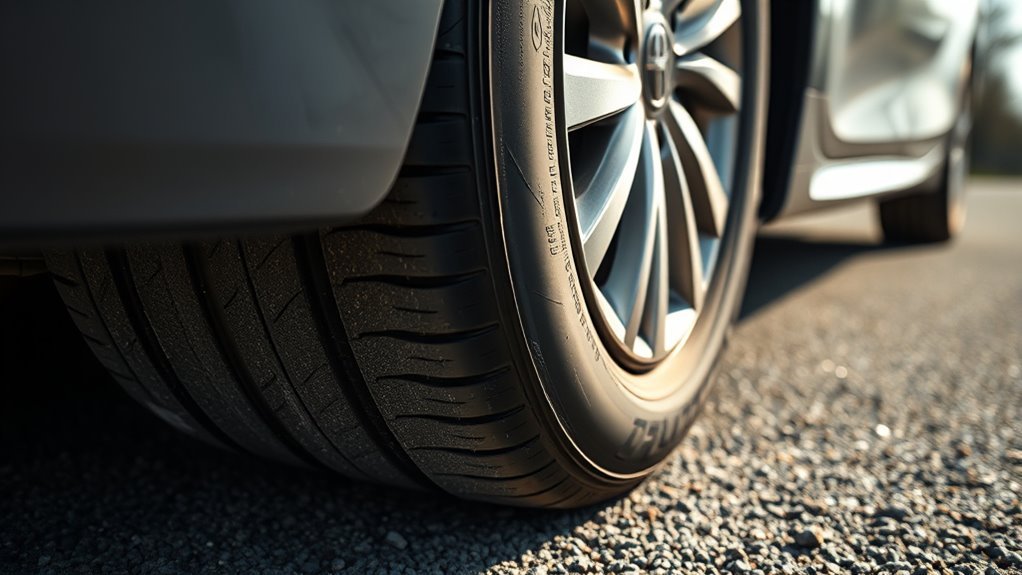
On your Toyota Camry, tire damage is beyond repair if it reaches the sidewall, shows bulges, cracks, blisters, or visible cords, or if a puncture is larger than 1/4 inch. Tires with tread below 2/32 inch, severe dry rot, or multiple punctures close together should be replaced, not patched. Vibration can also point to hidden internal damage. If you want the exact limits and next steps, there’s more to know.
How to Tell if Tire Damage Is Repairable
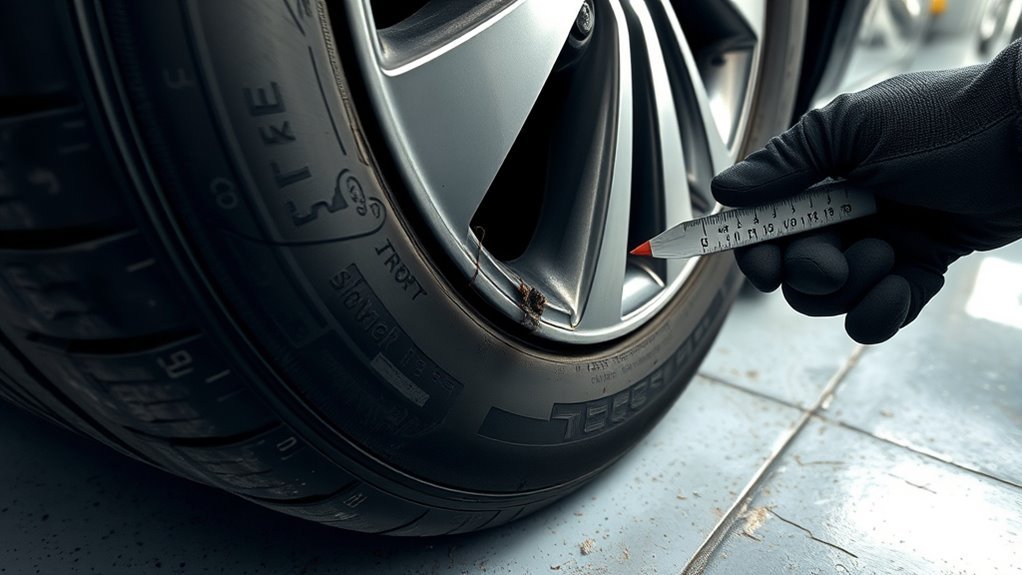
To tell whether a tire on your Toyota Camry can be repaired, start by checking where and how severe the damage is. During a tire inspection, look for punctures only in the central three-quarters of the tread; damage on the shoulder or sidewall isn’t repairable. Measure the hole, too: if it’s larger than 1/4 inch, you need replacement. If cords show, stop there and fit a new tire. Check tread depth as well; below 1.6 mm, repair isn’t safe. Count any punctures and measure the spacing. Repairs work only when holes are at least 16 inches apart, so close damage weakens the casing. Also watch for bulges, cracks, or blisters on the sidewall, because those signs mean the tire’s structure is compromised. When the damage meets these limits, proper repair techniques can restore service safely and keep you moving with control.
When Tire Damage Means Replacement
Even when a tire inspection shows only minor-looking damage, some conditions on your Toyota Camry call for replacement instead of repair. You protect tire safety by replacing tires with sidewall punctures, because they’re nonrepairable. A tread depth under 2/32 inch also demands action; your tire loses wet-road grip and hydroplaning resistance. Use these maintenance tips, to spot damage early and avoid delay.
| Condition | Action | Risk |
|---|---|---|
| Sidewall puncture | Replace | Immediate failure |
| Tread under 2/32 in. | Replace | Hydroplaning |
| Puncture over ¼ in. | Replace | Air loss |
| Bulges, cracks, blisters | Replace | Structural weakness |
| Multiple punctures <16 in. apart | Replace | Unsafe casing |
If a puncture exceeds ¼ inch, or you find bulges, cracks, or blisters, don’t gamble with repair. Multiple punctures close together also make the tire unsafe. Choose replacement promptly, and you keep control, protect passengers, and preserve the freedom to drive without avoidable risk.
Why Sidewall Damage Can’t Be Fixed
You can’t repair sidewall damage because that area carries the tire’s structural load, and bulges, cracks, or blisters mean the casing has already weakened. If a puncture, cord exposure, or impact damage affects the sidewall, the tire can lose shape and air retention, which raises blowout risk. Repairs won’t restore the sidewall’s strength or meet safety rules, so you need to replace the tire.
Sidewall Weakness Explained
Sidewall damage can’t be repaired because that part of the tire carries the vehicle’s weight and helps maintain its shape, so any bulge, crack, blister, or puncture there weakens the tire’s structure. When you see sidewall bulges, you’re looking at internal cord failure, not a surface flaw. That weakness can’t safely hold air pressure or road load, and it raises the chance of tire blowouts. If you strike a curb or obstacle, the sidewall may leak air and deteriorate fast. You shouldn’t keep driving on it, because the damage can spread without warning. Once cords show, the tire’s strength is gone, and replacement is the only safe move. On your Camry, choosing a new tire preserves control, protects your freedom, and keeps you rolling with confidence.
Why Repairs Fail
Because sidewall damage compromises the tire’s structural integrity, it can’t be repaired safely and must be replaced. You’re dealing with a load-bearing zone, not a patchable surface, so repair limitations are strict. If you see a puncture, bulge, or exposed cords, your damage assessment should classify the tire as unsafe. Impacts from curbs or debris can open the sidewall, causing slow air loss and weakening the carcass. Standard repair methods only apply to the tread area, and any sidewall fix violates safety guidelines. Don’t gamble with a compromised tire on your Camry; a blowout can follow without warning. Replacing the tire restores control, protects passengers, and keeps you free from preventable roadside failure.
Can a Tire Puncture Be Repaired?
| Condition | Result |
|---|---|
| Tread puncture under ¼ inch | Repairable |
| Shoulder or sidewall puncture | Replace |
| Punctures 16+ inches apart | Possible repair |
| Cord exposure or damage over 6 mm | Replace |
If the tire’s below the legal tread limit, don’t chase a repair; you’re safer with a new tire. You keep control by making the decision early, before a small hole becomes a risk you can’t outrun.
What Tread Wear Says About Tire Safety
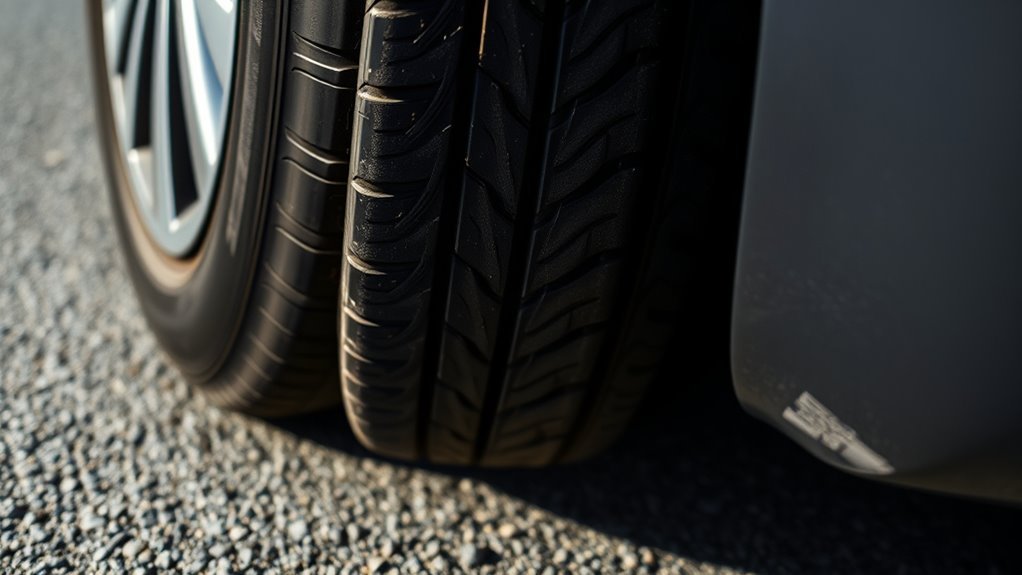
Tread depth tells you a lot about a tire’s safety margin, and once it drops below 2/32 inch, wet traction falls fast and hydroplaning risk rises. You need to monitor tread depth because tire traction depends on how well the grooves evacuate water. If Lincoln’s head shows on a penny test, the tire’s worn past the safe zone and needs replacement. You can also check for uneven tread wear across the shoulder or center; that pattern often points to alignment or inflation problems that can shorten tire life. Keep in mind that tread depth must stay above the legal limit of 1.6 mm to remain repairable. Below that threshold, replacement is the safe choice, not a patch. Regular inspection helps you catch wear early, protect your freedom to drive confidently, and reduce the chance of punctures, blowouts, and sudden loss of control on the road.
When Vibrations Signal Internal Damage
If you feel persistent vibrations in your Camry after wheel balancing and alignment, you may be facing internal tread separation or other hidden structural damage. These symptoms often point to a tire issue you can’t repair, so you should treat them as a safety warning, not a comfort problem. Inspect the tire promptly and replace it if the vibration doesn’t clear, because continued driving can lead to failure.
Internal Tread Separation
When a tire develops internal tread separation, you’ll often feel excessive vibration while driving, and that shaking usually points to significant internal damage. In practice, tread separation causes the tire’s internal layers to break loose, so symptoms detection matters early. You can’t safely ignore these signs, because the damage is usually irreparable and replacement is the correct fix. If you keep driving, the vibration may intensify and the tire can fail without warning. That risk also spreads to your Camry’s suspension and alignment. Inspect your tires regularly, especially after impacts or abnormal ride changes. If you notice persistent shaking, stop driving and have the tire evaluated immediately. Real freedom comes from rejecting unsafe repair myths and choosing a tire you can trust.
Wheel Balance Issues
Persistent vibration in your Toyota Camry often starts as a wheel balance issue, but if the shaking continues after balancing and alignment checks, it can point to internal tire damage that isn’t repairable. You should verify tire pressure first, since underinflation or overinflation can amplify shake and mask the real fault. Then inspect the tires for uneven wear and have a technician test wheel alignment and balance. If the vibration remains at steady speeds, the tire may have internal tread separation or another structural defect that won’t respond to repair. Don’t ignore it; that condition can lead to blowouts or sudden tire failure. A professional inspection gives you the clearest answer and helps you keep control, protect your independence, and drive with confidence.
Hidden Structural Damage
Even after balancing and alignment checks, a Camry that still vibrates at speed can have hidden structural tire damage, such as tread separation, that you can’t confirm with a quick visual inspection. You need to treat persistent shake as a warning, not a nuisance.
- Hidden signs often include uneven wear or a bulging sidewall.
- Common vibration causes can point to internal cord failure.
- Most of this damage isn’t repairable; replacement frees you from risk.
- Driving farther can worsen the defect and increase failure odds.
Get the tire professionally evaluated at once. If the vibration stays, the tire’s structure may be compromised, and you shouldn’t trust it on the road.
When Age and Dry Rot Mean Replacement
Once a Toyota Camry’s tires pass five to six years of service, you should inspect them closely for dry rot and other age-related damage. Tire age matters because rubber hardens, cracks, and loses grip even when tread looks usable. | Condition | Risk | Action |
| — | — | — |
|---|---|---|
| Sidewall cracks | Structural loss | Replace |
| Tread fissures | Reduced traction | Replace |
| Cords showing | Irreparable failure | Replace |
Use regular inspections after five years, since deterioration can progress quietly. Look for visible cracks or fissures in the sidewalls and tread; those signs mean dry rot is already compromising the tire’s structure. If tread depth drops below 2/32 inch and aging is present, hydroplaning risk rises sharply, so replacement isn’t optional—it’s essential. Once cords appear through severe cracking, the tire has crossed the repair limit. You need tires that support your mobility, not tires that ration your freedom by risking sudden failure on the road.
What to Do After Finding Tire Damage
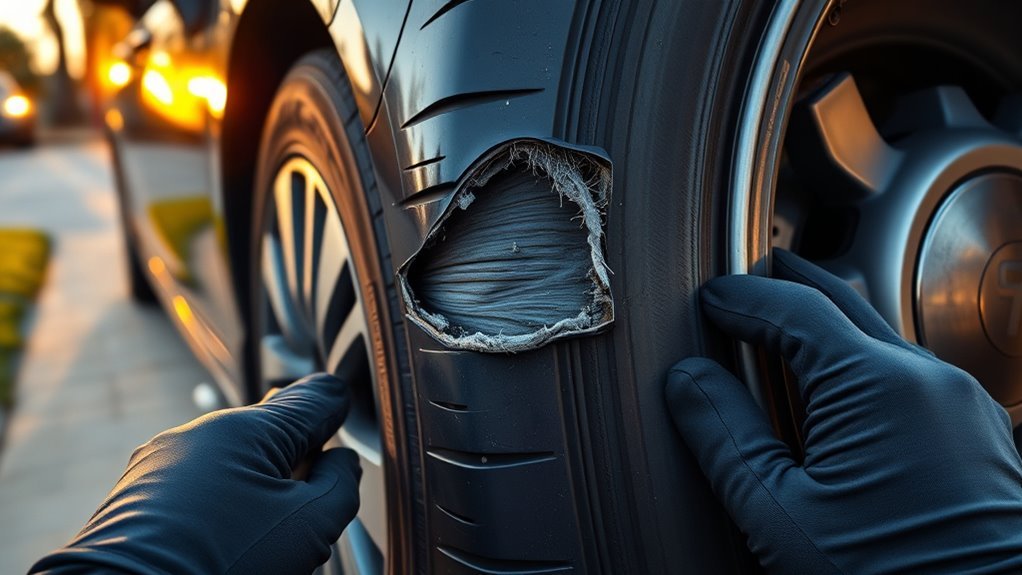
If you spot bulges, cracks, blisters, or a puncture on your Toyota Camry’s tire, treat it as a safety issue and stop using that tire until it’s inspected. Check tread depth, look for sidewall damage, and note any vibration; these tire inspection tips help you decide fast. If the tread is below 2/32 inch, replace the tire now to reduce hydroplaning risk. For punctures wider than ¼ inch, or any damage in the sidewall or shoulder, replacement isn’t optional. Take these safety precautions before you drive again:
- You protect your freedom from a roadside blowout.
- You avoid sudden loss of control in traffic.
- You prevent hidden internal damage from getting worse.
- You keep your Camry ready for dependable travel.
If you see multiple punctures or uneven wear, book a professional mechanic for a full evaluation. Don’t guess; a precise inspection tells you whether the tire can stay in service or must come off today.
Frequently Asked Questions
How Do You Know if a Tire Is Beyond Repair?
You know a tire’s beyond repair when tire tread falls below 2/32 inch, sidewall integrity is compromised, or punctures are too large, too close, or in the shoulder; exposed cords also mean replacement.
Conclusion
If your Camry’s tire looks “almost fine,” that’s often the joke: hidden sidewall cuts, deep punctures, vibration, or dry rot can make a tire unsafe long before it looks ruined. You should replace, not patch, any tire with structural damage, severe tread wear, or age cracks. Don’t gamble on compromised rubber; your car can’t. When in doubt, have a technician inspect it and decide whether repair’s still within safe limits.

Related Articles

Toyota Camry TPMS Warning Light: Common Causes and How to Fix It
No need to ignore your Toyota Camry TPMS warning light—discover the most common causes, quick fixes, and hidden sensor issues before they get worse.
Read More
How to Use a Tire Pressure Gauge on a Toyota Camry (Digital & Stick Types)
Want to ensure your Toyota Camry's tires are perfectly inflated? Discover the simple steps for using both digital and stick tire pressure gauges!
Read More
Toyota Camry Donut Spare Tire Use Guide: Speed Limits, Distance & Tips
Glimpse Toyota Camry donut spare tire limits, speed, distance, and safety tips before you’re stranded with a temporary fix.
Read More