
7 Signs Your Hyundai Sonata Tires Need Replacing Now
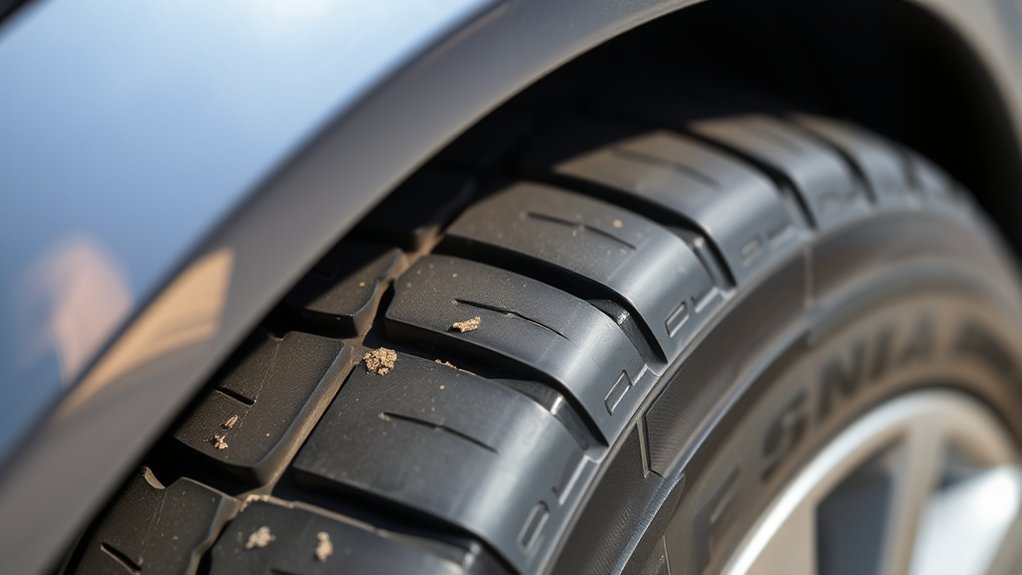
If you drive a Hyundai Sonata, your tires need regular attention because they control braking, steering, traction, ride comfort, and fuel efficiency. The clearest replacement signs are low tread depth, visible wear bars, sidewall damage, uneven wear, repeated pressure loss, vibration, poor wet-road grip, or age-related cracking. A quick monthly inspection can help you catch these problems before they become a roadside emergency.
Quick Answer
Your Hyundai Sonata tires need replacing if tread is at or below 2/32 inch, the tread wear bars are flush, the sidewall has bulges, cuts, cracks, or exposed cords, the tread wears unevenly, the tire vibrates or loses pressure, or the tires are about six years old. For frequent rain, start shopping near 4/32 inch.
Key Takeaways
- Use the penny test for the 2/32-inch minimum tread check, but use a tread-depth gauge for a more accurate reading.
- Start planning replacement around 4/32 inch if you often drive in rain, because wet braking and hydroplaning resistance drop as tread wears.
- Replace any tire with a bulge, exposed cords, severe cracks, sidewall damage, or repeated pressure loss.
- Hyundai guidance recommends replacing tires after six years of service, even if the tread still looks usable.
- Uneven wear usually means the tire also needs a pressure, rotation, alignment, or suspension check.
At a Glance
| Time Required | 5–10 minutes for a basic tire inspection |
| Difficulty | Easy DIY check; professional inspection recommended for damage, vibration, or uneven wear |
| Tools Needed | Penny, tread-depth gauge, tire-pressure gauge, flashlight, and your driver-side doorjamb tire label |
| Cost | $0 with a penny; about $5–$15 for a basic tread-depth or pressure gauge; tire replacement cost varies by size and brand |
NHTSA reported 511 deaths in tire-related crashes in 2024, which is why routine tire pressure, tread, damage, and age checks matter. NHTSA tire safety guidance
Identifying Signs of Excessive Tread Wear
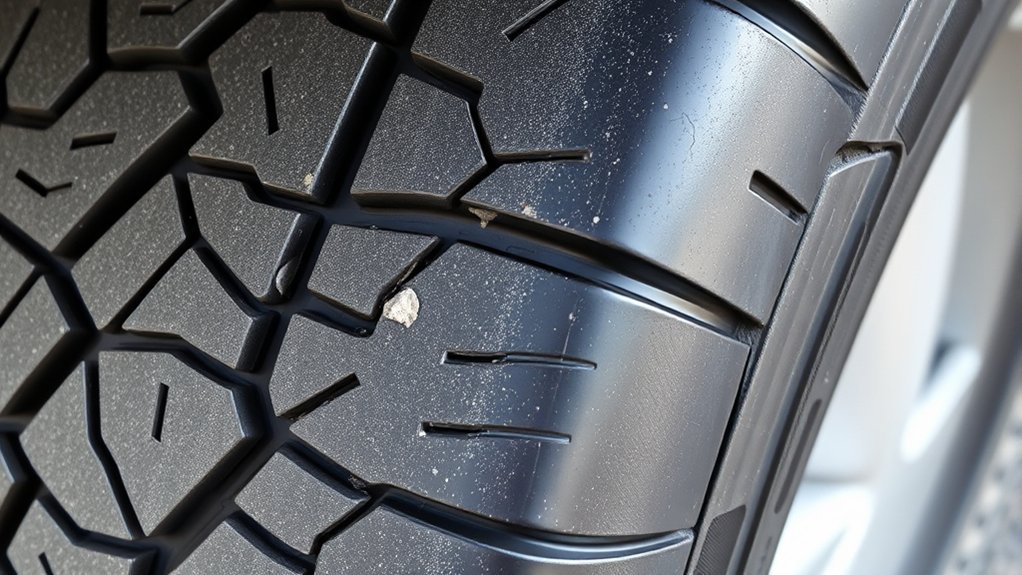
Start with the tread because it is the part of the tire that helps your Sonata grip the road, move water away from the contact patch, and maintain steering control. According to NHTSA, tires should be replaced when tread is worn down to 2/32 inch, and built-in treadwear indicators show when the tire has reached that point.
| Tread Depth | What It Means | What To Do |
|---|---|---|
| 6/32 inch or more | Usually adequate for normal dry and wet driving if the tire is not damaged or too old. | Keep inspecting monthly and maintain correct pressure. |
| 4/32 inch | Wet-road braking and hydroplaning resistance are reduced. | Start shopping for replacement tires, especially if you drive often in rain. |
| 2/32 inch or less | Minimum replacement point; treadwear bars are usually level with the tread. | Replace the tire immediately. |
Look across the full width of each tire, not just the center. If one edge is smooth while the rest of the tire still has tread, the tire may be underinflated, overinflated, out of alignment, or affected by worn suspension parts. Do not ignore this pattern; a new tire can wear out quickly if the underlying problem is not fixed.
[Products Worth Considering]

EVOULTES heavy duty tire inflator with an integrated gauge delivers accurate pressure readings from 10–120 PSI, helping you inflate, deflate, and check tires in one tool. The 16.5-inch extended dual-head air chuck with swivel base reaches hard-to-access dual wheel valves on trucks and RVs. A brass trigger core and side-mounted air release valve make operation smooth, with standard 1/4" NPT threading and quick-connect compatibility for easy setup.

The JACO FlowPro Tire Inflator measures, inflates, and airs down tires up to 100 PSI with battery-free operation and ±2% accuracy after calibration. It features a glowing pressure dial for night visibility, a heavy-duty steel build with a hybrid hose, and a precision push-to-inflate thumb trigger. The patented Lightning Air Chuck locks on for a secure seal, and the kit includes quick-connect hardware for easy inline use with your air compressor.

The AstroAI L7 Air Tire Inflator refills car tires quickly with up to 150PSI max pressure and a fast 1-minute inflation claim. It includes 5 preset modes for car, motorcycle, bicycle, balls, and manual use, along with an auto shutoff to help prevent overinflation. Designed for convenience, it features a digital gauge with unit switching, a top LED light with multiple modes, and USB-C/USB ports for backup power.
How to Use the Penny Test for Tread Depth
The penny test is a fast way to check whether your Sonata tires are near the 2/32-inch minimum replacement point. It is not the best way to confirm 4/32 inch, so use a tread-depth gauge if you want a precise reading.
- Park on a level surface and turn the steering wheel so you can see the front tire tread clearly.
- Place a penny into a main tread groove with Lincoln’s head upside down and facing you.
- If you can see the top of Lincoln’s head, the tread is too low and the tire needs replacement.
- Repeat the check in the inner, center, and outer grooves of each tire.
- Check all four tires, because front and rear tires can wear at different rates.
Pro Tip: A tread-depth gauge is more accurate than a coin and usually costs very little. Use it monthly, before long trips, and whenever your Sonata feels less stable in rain.
If the treadwear indicator bars are flush with the surrounding tread, replace the tire. Hyundai’s owner guidance says the indicator shows less than 1.6 mm, or 1/16 inch, of tread remaining and warns not to wait for the band to appear across the entire tread before replacing the tire. Hyundai tire replacement guidance
Spotting Tire Damage: Cuts, Bulges, and More
Tread depth is only one part of tire safety. A tire can have acceptable tread and still be unsafe if it has impact damage, sidewall cracking, exposed cords, punctures, or repeated air loss. Inspect the tread face and both sidewalls whenever you wash the car, check pressure, or prepare for a road trip.
Common Tire Damage Signs
- Bulges or bubbles: These often suggest internal tire damage from potholes, curbs, or impacts. Replace the tire rather than trying to repair it.
- Cracks or dry rot: Weathered rubber can split between tread blocks or along the sidewall, especially on older tires or vehicles parked in sun and heat.
- Cuts, punctures, or embedded objects: A nail in the tread may be repairable if it is in the proper repair zone, but sidewall damage usually is not.
- Exposed cords: If you can see fabric or steel cords, the tire is unsafe.
- Recurring pressure loss: A slow leak may come from a puncture, valve stem, wheel damage, or bead leak.
Warning: Do not continue normal driving on a tire with a bulge, exposed cords, severe sidewall cracks, or rapid pressure loss. Install the spare if safe to do so, or call roadside assistance.
Inspecting Tire Sidewalls
The sidewall flexes constantly while you drive, so damage there deserves extra caution. Use this quick reference when checking your Sonata tires:
| Damage Type | Common Causes | Action Required |
|---|---|---|
| Bulges | Potholes, curb strikes, impact damage | Replace immediately |
| Cracks or dry rot | Age, UV exposure, heat, long storage | Have inspected; replace if deep, widespread, or paired with age |
| Impact breaks | Hard hits from road hazards | Replacement usually necessary |
| Cuts | Sharp debris, curb scrape, road hazards | Professional assessment needed |
| General wear | Normal use, poor pressure, missed rotations | Maintain pressure and rotate; replace when tread, age, or damage requires it |
How Worn Tires Impact Your Vehicle’s Performance
Worn tires affect more than appearance. They can increase stopping distance, reduce grip in rain, make steering feel vague, and raise the chance of hydroplaning. If your Sonata suddenly feels less stable, tires should be one of the first things you inspect.
Stopping Distance Increases
As tread wears down, the tire has less depth to move water out from under the contact patch. That can make emergency stops longer, especially on wet pavement. AAA says safety-focused drivers should replace tires once tread reaches 4/32 inch because stopping distances have already begun to deteriorate significantly. AAA worn-tire safety guidance
- Low tread can reduce wet braking performance.
- Very worn tread increases hydroplaning risk.
- Old or damaged tires may perform poorly even before tread reaches the minimum limit.
Traction Loss Risks
Traction loss is most noticeable in rain, standing water, snow, gravel, or during sudden lane changes. If the tires spin more easily when accelerating, slide during turns, or feel nervous over wet pavement, check tread depth and pressure immediately. Also inspect for hard, shiny, cracked, or aged rubber.
Handling Becomes Unstable
Unstable handling can feel like pulling to one side, vibration through the steering wheel, wandering on the highway, or a rough ride at moderate speed. Tires are not always the only cause, but they are a common starting point. Uneven tire wear can also point to alignment, balancing, pressure, or suspension problems.
Why Tire Age Matters for Safety
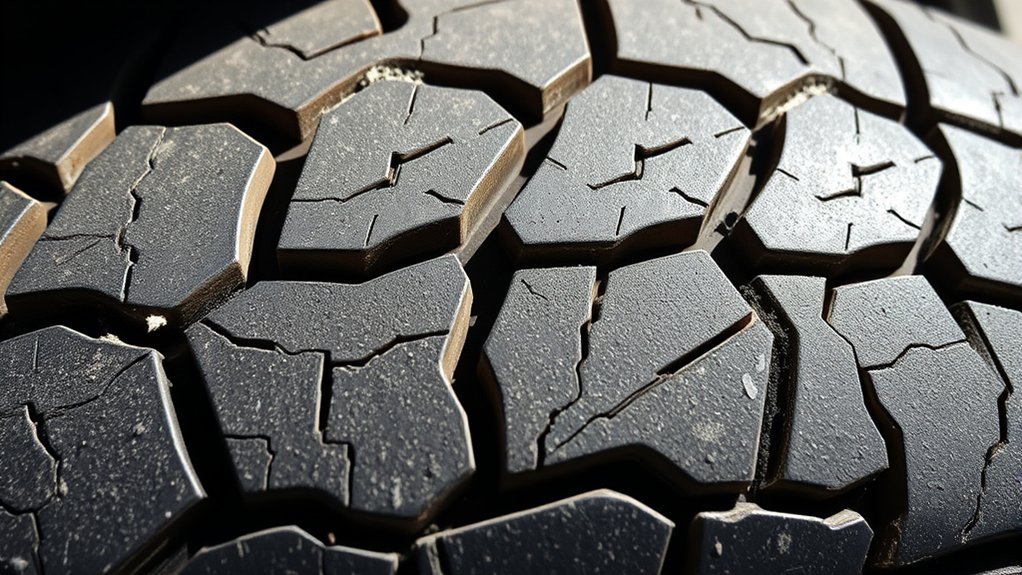
Tires age even when the car is parked. Heat, sunlight, oxygen, storage conditions, and load can slowly weaken rubber and internal materials. NHTSA explains that some vehicle and tire manufacturers recommend replacing tires that are six to 10 years old regardless of treadwear, and Hyundai service guidance recommends a maximum tire service period of six years from the date of new vehicle purchase. NHTSA tire aging guidance Hyundai tire maintenance best practices
Note: Check the DOT Tire Identification Number on the sidewall. The last four digits show the week and year the tire was made. For example, 2324 means the tire was made in the 23rd week of 2024.
Age matters most when a Sonata is driven infrequently, parked outdoors, kept in a hot climate, or fitted with replacement tires that may have been manufactured before installation. If the tires are close to six years old and show cracks, vibration, pressure loss, or poor grip, replace them rather than relying on tread depth alone.
Understanding and Correcting Uneven Tire Wear
Uneven wear is a warning sign because it usually means the tire is not meeting the road evenly. Replacing the tire without correcting the cause can lead to the same wear pattern on the next set.
- Both outer edges worn: Often linked to underinflation or hard cornering.
- Center worn faster: Often linked to overinflation.
- One edge worn faster: Often linked to alignment issues.
- Cupped or scalloped wear: May point to worn suspension parts, imbalance, or repeated bouncing.
- Patchy wear: Can come from missed rotations, wheel imbalance, or tire damage.
Schedule an alignment check if your Sonata pulls to one side, the steering wheel is off-center, or one edge of the tire wears faster than the rest. Rotate tires at the interval recommended for your model and tire type, and check tire pressure at least once a month when the tires are cold.
[Products Worth Considering]

This portable cordless tire inflator delivers up to 160 PSI with fast 17 L/min airflow to help you quickly top up tires and get back on the road. It features dual power mode, running on a 21V rechargeable battery or a 12V DC adapter for convenient roadside use. An automatic shut-off with digital pressure gauge helps prevent overinflation, and a built-in LED light improves visibility in low-light conditions.

This compact capsule-style tire repair kit helps you quickly fix punctures and plug flats with minimal effort. The rugged stainless steel shell protects the contents for reliable roadside use, while the simple plug assembly makes repairs fast and tool-free. Suitable for motorcycles, cars, ATVs, UTVs, and even mountain bikes.
Check Tire Pressure and TPMS Before You Blame the Tire
Incorrect tire pressure can make tires wear faster and can mimic other problems. NHTSA recommends checking pressure when tires are cold, at least three hours after driving, and using the recommended pressure on the driver-side doorjamb label or owner’s manual rather than the maximum pressure printed on the tire sidewall. NHTSA tire pressure guidance
Your Sonata’s Tire Pressure Monitoring System can warn you when a tire is significantly underinflated, but it should not replace monthly pressure checks. A tire can be low enough to wear poorly before the warning light comes on.
Choosing Replacement Tires for a Hyundai Sonata
When it is time to replace tires, use the tire size, load rating, and speed rating recommended for your Sonata. You can find the correct size on the Tire and Loading Information Label on the driver-side doorjamb or in the owner’s manual. Hyundai warns that using tires and wheels other than the recommended sizes can affect handling, vehicle control, and ABS operation. Hyundai tire replacement guidance
If you’d like to dig deeper into ownership, maintenance, and buying advice for your Sonata, you may also find these Hyundai Sonata maintenance guides useful for keeping your car running reliably between tire checks.
If only two tires are replaced, Hyundai service guidance says the new tires should be positioned on the rear for maximum stability in wet conditions, unless the vehicle has different front and rear tire sizes. Replacing just one tire can affect handling, so a shop should measure tread depth and confirm whether one, two, or all four tires are appropriate. Hyundai tire maintenance best practices
When to Seek Professional Tire Replacement Services
Seek professional tire replacement or inspection when your Hyundai Sonata shows any of these signs:
- Tread depth is at or below 2/32 inch.
- Treadwear bars are flush with the tread.
- Tires are near six years of service, especially with cracks or performance changes.
- Sidewalls have bulges, deep cuts, exposed cords, or severe cracking.
- The car vibrates, pulls, or feels unstable.
- One tire keeps losing air.
- Wear is uneven across the tire or different from tire to tire.
- You are replacing only one or two tires and need a technician to match tread depth, size, and placement.
After new tires are installed, ask for balancing, confirm cold tire pressure, and consider an alignment inspection if the old tires wore unevenly. This helps protect your new tires and keeps your Sonata stable on the road.
Frequently Asked Questions
How long do Hyundai Sonata tires last?
Many Sonata tires last roughly 40,000 to 60,000 miles, but mileage is only an estimate. Replace tires based on tread depth, damage, age, pressure loss, vibration, and wet-road performance rather than mileage alone.
Is 4/32 inch enough tread for a Hyundai Sonata?
At 4/32 inch, the tire may still be above the 2/32-inch minimum, but wet-road performance is reduced. If you drive often in rain, start shopping for replacement tires around 4/32 inch instead of waiting until the tire is nearly bald.
Can I replace only one Hyundai Sonata tire?
Sometimes, but it depends on tread depth, tire age, tire type, and axle matching. Hyundai warns that replacing just one tire can affect handling. A tire professional should compare the remaining tires before recommending one tire, a pair, or a full set.
Where do I find the correct tire pressure for my Sonata?
Use the Tire and Loading Information Label on the driver-side doorjamb or your owner’s manual. Do not use the pressure molded on the tire sidewall as your normal inflation target because that number is the tire’s maximum pressure, not the vehicle’s recommended pressure.
Should I replace tires that still have tread but are six years old?
Yes, replacement should be strongly considered. Hyundai service guidance recommends replacing tires after six years of service regardless of treadwear, and age-related rubber degradation can increase the risk of failure.
Conclusion
Your Hyundai Sonata tires deserve attention before they become a safety problem. Check tread depth monthly, use the penny test for the 2/32-inch minimum, use a gauge for more accurate readings, inspect sidewalls for damage, watch for uneven wear, and check the DOT date code for tire age. If you see bulges, cords, severe cracks, repeated pressure loss, unstable handling, or tires near six years of service, schedule replacement instead of waiting for a blowout or poor wet-road stop.
Sources
- NHTSA Tire Safety Ratings and Awareness — supports tread-depth replacement guidance, tire aging, DOT date code, pressure checks, and tire-related crash context.
- NHTSA Summer Driving and Road Trip Tips — supports monthly tire inspections, cold tire pressure checks, penny test steps, and damage checks.
- Hyundai Owner’s Manual: Tire Replacement — supports treadwear indicator guidance and recommended tire-size caution.
- Hyundai Tire Maintenance Best Practices TSB — supports six-year service replacement guidance and rear placement for two new tires.
- AAA: Worn Tires Put Drivers at Risk — supports 4/32-inch wet-road replacement recommendation and hydroplaning precautions.

Related Articles

Danger of Using Summer Tires in Winter on a Hyundai Sonata
Potentially perilous, using summer tires in winter on your Hyundai Sonata can compromise safety—discover the hidden dangers that await you on icy roads.
Read More
Can You Mix Nitrogen and Air in Hyundai Sonata Tires? Answered
Discover the implications of mixing nitrogen and air in your Hyundai Sonata tires—are the benefits worth the risks? Explore the answer inside!
Read More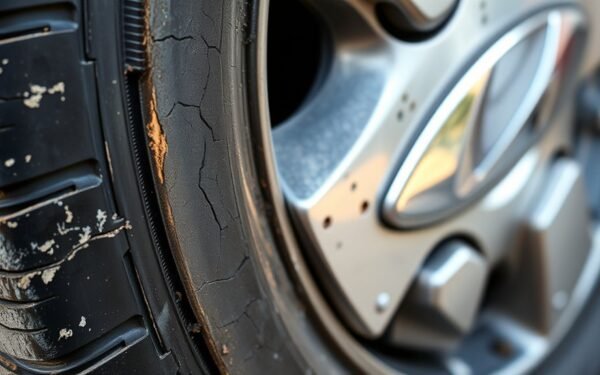
How to Tell If Hyundai Sonata Tires Are Too Old to Use Safely
Understand how to assess the age of your Hyundai Sonata tires and discover crucial signs of deterioration that could compromise your safety on the road.
Read More