Is It Safe to Drive With a Nail in a Hyundai Sonata Tire?

Finding a nail in your Hyundai Sonata tire can be stressful, but the safest next step depends on one thing: whether the tire is still holding air and where the nail entered the tire. A small nail in the tread may be repairable, while a sidewall puncture, bulge, fast leak, or tire that was driven flat usually means you should stop driving and get professional help.
Quick Answer
You may drive a short distance with a nail in your Hyundai Sonata tire only if the tire is holding proper pressure, the nail is in the tread, and the car drives normally. Do not drive on a flat, bulging, sidewall-damaged, or rapidly leaking tire. Use the spare, Tire Mobility Kit, or towing instead.
Key Takeaways
- Leave the nail in place until you reach a safe repair location or are ready to install a spare or use the Tire Mobility Kit.
- A puncture is usually repairable only if it is in the tread area, no larger than 1/4 inch (6 mm), and the tire has no hidden internal damage.
- A plug alone or patch alone is not the best permanent repair; a trained technician should remove the tire, inspect it inside, and use a proper patch-plug repair.
- Hyundai’s new-vehicle warranty usually does not pay for nail punctures; original tires are generally handled through the tire manufacturer or an optional road-hazard plan.
At a Glance
| Time Required | 5 minutes for a roadside check; 20–45 minutes for a shop inspection and repair if the tire is repairable. |
| Difficulty | Easy for inspection; professional service required for a permanent repair. |
| Tools Needed | Tire pressure gauge, flashlight, portable inflator, spare tire or Hyundai Tire Mobility Kit if equipped, and roadside assistance contact. |
| Cost | Often about $15–$50 for a repairable puncture; more if the tire must be replaced, the wheel is damaged, or mobile service is needed. |
Immediate Actions: Using a Spare Tire Safely
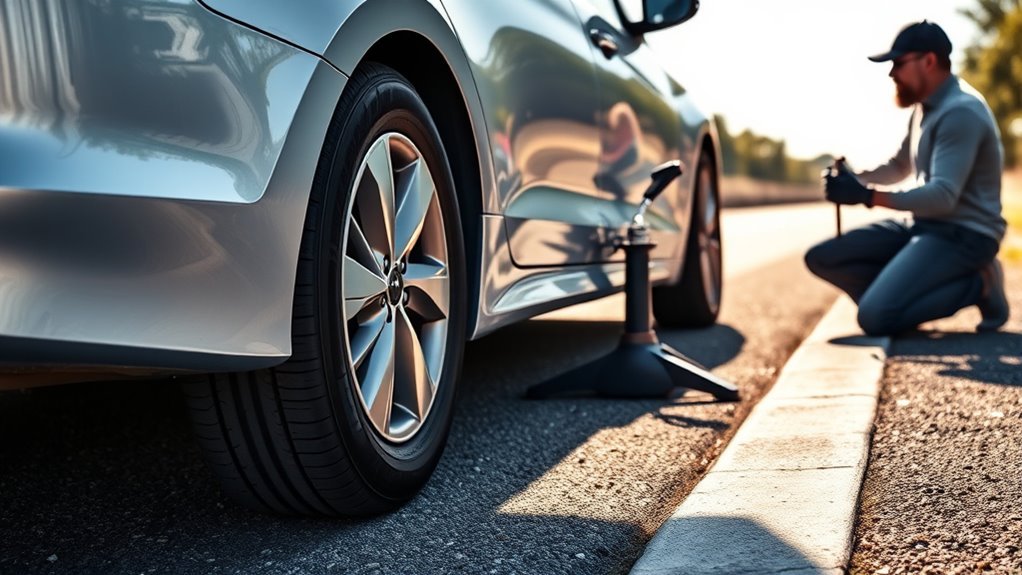
When you spot a nail in your Sonata tire, do not pull it out on the roadside. The nail may be slowing the air leak. Pulling it out can turn a slow leak into a flat tire within seconds.
- Move to a safe place. Pull away from traffic, turn on your hazard lights, and park on level ground if possible.
- Look at the tire before driving. Check for a flat sidewall, bulge, exposed cords, cuts, hissing air, or a nail in the sidewall/shoulder area.
- Check tire pressure. Use the cold inflation pressure on the driver-side door placard or owner’s manual, not the maximum number molded on the tire sidewall. NHTSA explains that the vehicle manufacturer’s listed pressure is the correct pressure for the vehicle.
- Decide whether to drive, use the spare, use the Tire Mobility Kit, or tow. If the pressure is dropping quickly or the tire looks damaged, do not keep driving.
Warning: Do not drive if the tire is flat, the sidewall is damaged, a bulge is visible, the car shakes, or the TPMS warning returns after inflation. Those signs can point to internal tire damage or sudden failure risk.
Some Hyundai Sonata models may have a compact spare, while others may use a Tire Mobility Kit instead. Check your trunk storage area and your owner’s manual before you assume you have a spare. If you do have a compact temporary spare, follow the speed and distance limits printed on the spare and in the manual. Many temporary spares are intended only for short, low-speed travel to a repair shop.
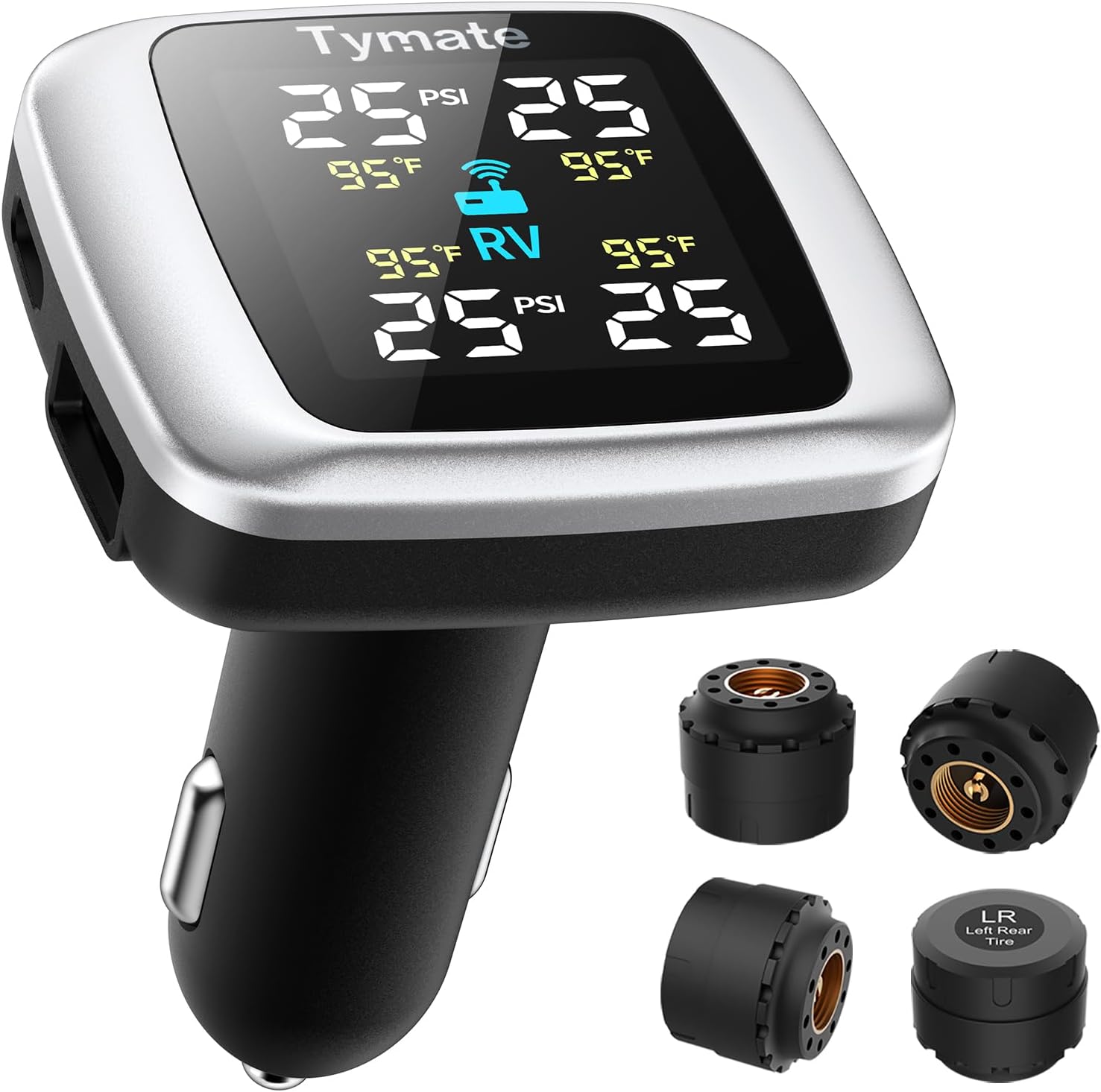
[Products Worth Considering]

The Milton 555e digital tire inflator delivers fast, accurate pressure readings with a backlit display and multiple unit options, making tire inflation quick and easy. Its durable 20" EPDM rubber hose and grip‑head chuck provide reliable connection, while the ±1 PSI accuracy ensures precise inflation for cars, bikes, and trucks.

This digital tire pressure gauge combines a sturdy pistol grip inflator with a backlit 0.1 PSI display for quick, accurate readings in any lighting condition. Its 360° swivel gauge and 20" rubber hose make it easy to use and store, while the integrated inflate/deflate trigger and ¼" NPT air inlet provide fast, reliable tire maintenance.

This compact 12V DC tire inflator quickly inflates car, truck, SUV, motorcycle, and bicycle tires up to 150 PSI, featuring a backlit LCD display with multiple pressure units and an auto‑shutoff function. It includes a 9.84‑ft power cord, emergency LED light, and a durable design tested for 20,000 hours, offering a lifetime warranty for peace of mind.
Assessing the Damage: Is It Just a Nail or More Severe?
A nail in the center tread is the best-case scenario. A nail near the shoulder, in the sidewall, or paired with air loss or vibration is more serious. Use this quick checklist before deciding whether to drive.
| What You See | What It Usually Means | Best Action |
| Small nail in the tread, tire holding pressure | Possibly repairable | Drive slowly to a nearby tire shop only if pressure stays stable. |
| Nail in shoulder or sidewall | Usually not safely repairable | Use spare or tow; plan on tire replacement. |
| Bulge, slice, exposed cord, or tire driven flat | Possible structural damage | Do not drive; call roadside assistance or tow. |
| TPMS light returns after inflation | Leak is continuing or pressure is still low | Avoid long driving; get immediate inspection. |
The key is not just the nail. Tire shops also check tread depth, internal liner damage, previous repairs, puncture angle, and whether the tire was overheated by driving underinflated. A tire that looks repairable from the outside can still be unsafe inside.
How to Safely Patch a Tire: Guidelines and Considerations
A proper tire repair is more than pushing in a plug from the outside. The U.S. Tire Manufacturers Association says a repair should be considered only when the damage is limited to the tread area and the puncture injury is no greater than 1/4 inch (6 mm). It also says the tire should be removed from the wheel so the inside can be inspected.
For a professional repair, a technician should normally:
- Remove the wheel from the Sonata.
- Dismount the tire from the wheel.
- Inspect the inner liner, sidewall, bead, and tread for hidden damage.
- Confirm the puncture is in the repairable tread area and is not larger than 1/4 inch (6 mm).
- Use a repair that fills the puncture channel and seals the inner liner, commonly a patch-plug combination.
- Reinflate the tire, check for leaks, balance the assembly if needed, and reinstall it with proper lug-nut torque.
Note: A string plug or sealant may help you reach a repair shop in an emergency, but it should not be treated as a permanent repair. Have the tire inspected from the inside as soon as possible.
[Products Worth Considering]

The KeenPower digital tire inflator delivers fast, precise inflation up to 160 PSI with an easy‑to‑read LCD and automatic shut‑off. Featuring four smart preset modes, manual pressure entry, and dual power from a 21V rechargeable battery or 12V DC, it adapts to any vehicle or emergency need. Integrated LED lights with SOS, steady, and strobe options illuminate work in darkness, while the compact handheld design ensures portability and convenience.

[🔨PROFESSIONAL QUALITY ] - AUTOWN Tire Repair Kits are made of refined high-quality steel, AUTOWN upgraded tire patch kits comply with exacting standards of audit, can repair the toughest tires on the market.

DURABLE AND COMFORTABLE: The T-handle tools in the tire plug kit are made of stainless steel, allowing you to easily repair most tires on the market. Featuring ergonomic, rubber-coated handles, they provide greater torque and make it easier to apply force while reducing hand fatigue
What Are the Real Risks of Driving on a Patched Tire?
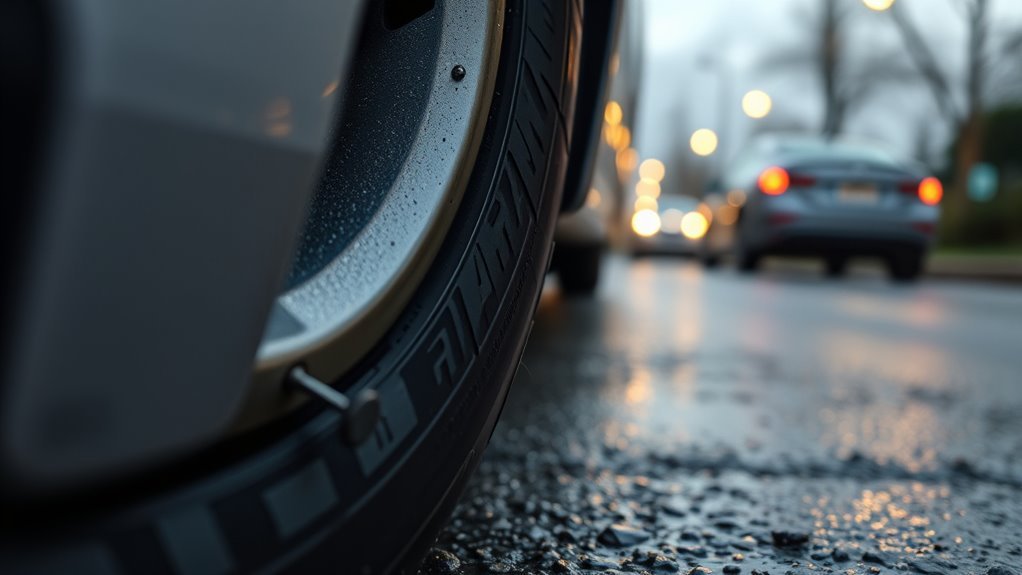
The real risk is not a properly repaired tire. The risk is driving on a tire that was repaired outside industry limits, repaired with only an outside plug, damaged internally, worn out, or punctured near the shoulder or sidewall.
A properly inspected and repaired tread puncture can remain in service. An improper repair can allow air loss, water intrusion into steel belts, heat buildup, vibration, or sudden failure. That is why a professional internal inspection matters.
The safest permanent repair is not the fastest roadside repair. It is the repair that confirms the tire is safe inside and seals both the puncture path and the inner liner.
When Should You Seek Professional Help for Tire Damage?
Get professional help whenever you cannot confidently verify that the tire is holding pressure and the puncture is in the repairable tread area. Because the inside of the tire is not visible while it is mounted, a shop inspection is the only way to confirm whether the tire can be safely repaired.
Visible Damage Assessment
Do not drive on the tire if you see any of these signs:
- Sidewall puncture, sidewall cut, or shoulder-area puncture
- Bulge, bubble, exposed cords, or deep gash
- Flat tire or tire that was driven while very low
- Two or more punctures close together
- Puncture larger than 1/4 inch (6 mm)
- Tread worn to the wear bars or below safe tread depth
Driving Performance Changes
Stop driving and call roadside assistance if the Sonata pulls to one side, shakes, thumps, vibrates, or makes a new tire noise after you notice the nail. Those symptoms can mean the tire is losing pressure or has internal damage.
Also watch the TPMS light. The National Highway Traffic Safety Administration explains that a TPMS warning means at least one tire is significantly underinflated and should be inspected and checked as soon as possible.
Using the Hyundai Tire Mobility Kit
If your Sonata has a Hyundai Tire Mobility Kit instead of a spare, treat it as a temporary emergency tool, not a permanent repair. Hyundai’s owner’s manual says the kit is for temporary use and the tire should be inspected as soon as possible by an authorized Hyundai dealer or equivalent repair facility.
Hyundai’s Tire Mobility Kit guidance includes several important limits:
- Do not use it for punctures in the tire wall.
- Do not use it for two or more flat tires.
- It may not work for damage larger than about 0.16 inch (4 mm).
- Do not drive if the tire pressure is below 200 kPa (29 psi).
- After using the kit, drive about 4–6 miles to distribute sealant, do not exceed 50 mph, and recheck pressure.
- If pressure is not at least 220 kPa (32 psi) after the follow-up check, do not continue driving.
Pro Tip: Before a road trip, open the trunk and confirm whether your Sonata has a spare tire, a jack, a lug wrench, or a Tire Mobility Kit. Many drivers discover what they have only after a flat.
[Products Worth Considering]

TIRE REPAIR KIT WITH SEALANT - ResQ Tire Mobility Kit is Packed with High Performance 15A High Powered Compressor and Comes with a 450 ML Water-Based Sealant.

Emergency tire repair complete kit: Tire inflator, 16oz (473 mL) sealant (refills available,) accessories for inflatables (sports balls), instructions, zipped storage bag

Emergency tire repair complete kit: Tire inflator, 14oz (414 mL) sealant (refills available,) accessories for inflatables (sports balls), instructions, zipped storage bag
Repair or Replace? How to Decide
| Situation | Likely Outcome |
| Small nail in tread, tire stayed inflated, no internal damage | Repair may be possible. |
| Puncture larger than 1/4 inch (6 mm) | Replacement is usually required. |
| Sidewall or shoulder puncture | Replacement is usually required. |
| Tire driven flat or severely underinflated | Internal damage is likely; replacement may be required. |
| Old plug-only repair or overlapping punctures | Tire may not be repairable. |
What Tire Warranty Covers for Your Sonata
Hyundai’s new-vehicle warranty generally does not treat a nail puncture as a Hyundai vehicle defect. Hyundai’s 2026 Owner’s Handbook & Warranty says tires originally equipped on Hyundai vehicles are warranted directly by the tire manufacturer. That means the tire brand on your Sonata, such as Michelin, Continental, Hankook, Kumho, Nexen, or another supplier, usually controls the original tire warranty terms.
A nail puncture is normally considered road-hazard damage, not a manufacturing defect. It may be covered only if you purchased a separate road-hazard plan, tire protection plan, or dealer tire package. Hyundai’s official tire service page also notes that tires from the official Hyundai Tire Center may include 24-month road-hazard coverage, but eligibility depends on the purchase and dealer program.
To protect a possible claim, keep:
- Photos of the nail, tire sidewall, tread, and odometer
- The repair or replacement invoice
- The tire brand and DOT code
- Rotation and maintenance records
- Any road-hazard plan paperwork
Tire Maintenance Tips for Safety
Good tire maintenance reduces the chance that a small puncture turns into a dangerous failure. Check tire pressure at least monthly and before long trips. Use the cold tire pressure listed on the Sonata’s door placard or owner’s manual. Do not use the sidewall maximum pressure as your target.
Also inspect your tires for nails, screws, cuts, bulges, cracking, uneven wear, and low tread depth. If the TPMS warning light comes on, do not ignore it. Hyundai’s tire service guidance says a TPMS icon means there is an issue with one or more tires and the tire should be inspected promptly.
Rotate tires on the schedule in your Hyundai owner’s manual or maintenance schedule. Regular rotation helps reduce uneven wear, which can make a damaged tire harder to evaluate and may shorten tire life.
Safety Precautions While Driving With Tire Issues

If you must drive a short distance to a repair shop, keep speeds low, avoid highways, avoid hard braking, and stop if the steering, ride, or tire noise changes. Check pressure again before moving the car and again when you arrive.
Assessing Tire Damage Severity
Ask yourself four questions:
- Where is the nail? Tread area is the only area that may be repairable.
- How fast is pressure dropping? Rapid air loss means do not drive.
- Did you drive while flat? If yes, internal sidewall damage may already have occurred.
- Does the tire look normal? Bulges, slices, cords, and sidewall damage mean stop and tow.
Emergency Procedures and Alternatives
If the tire is unsafe, use the best emergency option available:
- Compact spare: Install it only if you can do so safely and you have the correct jack, tools, and wheel. Follow the printed spare-tire limits.
- Tire Mobility Kit: Use it only within Hyundai’s instructions and only as a temporary fix.
- Roadside assistance: Choose towing if the tire is flat, sidewall-damaged, leaking quickly, or cannot hold pressure.
Long-Term Implications of Ignoring Tire Damage
Ignoring a nail in your tire can lead to slow air loss, heat buildup, uneven tread wear, poor handling, and more expensive repairs. A small repairable puncture can become non-repairable if you keep driving while the tire is underinflated.
Underinflation also affects steering and stopping. The tire flexes more than intended, heat rises, and the internal structure can break down. Once that happens, a patch is no longer the answer; the tire may need replacement.
Common Mistakes to Avoid When Dealing With Tire Damage
Common Misconceptions About Repairs
- “The nail is small, so it is safe.” Small punctures can still cause internal damage if the tire was driven low.
- “Any tread puncture can be patched.” The puncture still must meet size, location, tread depth, and internal-inspection limits.
- “A plug is permanent.” A plug by itself is not the preferred permanent repair.
- “Sealant fixed it.” Sealant is temporary and can affect TPMS sensors or wheel cleanup later.
Ignoring Professional Help
A professional inspection is worth it because the technician can see the inside of the tire. From outside the car, you cannot see inner-liner damage, sidewall scuffing from low-pressure driving, bead damage, or overlapping repairs.
Overlooking Safety Precautions
Do not keep driving because the car “feels fine” after inflation. If the TPMS light returns, pressure drops, or the tire looks distorted, stop and arrange service. A few extra miles on a compromised tire can turn a cheap repair into a full tire replacement.
How Much Does It Usually Cost to Fix a Nail in a Tire?
For a repairable nail puncture, many shops charge about $15–$50, depending on your area, whether the tire must be dismounted and balanced, and whether the shop uses a patch-plug repair. Some tire retailers repair tires at a discount or free if you bought the tires there, while mobile service or after-hours roadside help can cost more.
If the tire cannot be repaired, replacement cost depends on the Sonata’s wheel size, tire brand, speed rating, load rating, and whether one tire or a matched pair is needed. Ask the shop to explain why replacement is required before approving the work.
After the Tire Is Repaired or Replaced
After service, check that the shop performed a leak check and set the pressure to the Sonata’s placard value. Drive normally at first and pay attention to vibration, pulling, or repeated TPMS warnings. If the TPMS warning stays on after the tire has been repaired and driven for a short period, return to the shop for a pressure and sensor check.
If a sealant kit was used, tell the tire shop before they dismount the tire. Sealant can leave residue inside the tire and wheel, and the TPMS sensor may need cleaning or inspection.
Frequently Asked Questions
Does the Hyundai warranty cover nails in tires?
Usually no. Hyundai’s new-vehicle warranty generally does not cover nail punctures because they are road-hazard damage, not a Hyundai defect. Original tires are normally warranted by the tire manufacturer. A separate road-hazard plan or dealer tire protection program may help.
How much does it usually cost to fix a nail in a tire?
A repairable nail puncture often costs about $15–$50 at a tire shop. The price can be higher for mobile service, wheel balancing, dealer labor, or if the tire must be replaced instead of repaired.
Should I pull the nail out of my Sonata tire?
No, not on the roadside. Leave the nail in place until you reach a tire shop or are ready to use a spare or Tire Mobility Kit. Removing it can make the tire lose air much faster.
Can I use the Hyundai Tire Mobility Kit for a nail puncture?
You may use it only if the puncture fits Hyundai’s instructions and the tire can hold enough pressure. Do not use it for sidewall damage, severe tire damage, or two flat tires. It is temporary, so have the tire inspected as soon as possible.
Can a patched tire be driven normally?
A tire that was properly inspected and repaired within industry limits can usually return to normal service. A plug-only, sidewall, shoulder, oversized, overlapping, or uninspected repair should not be treated as a safe permanent repair.
Conclusion
A nail in your Hyundai Sonata tire is not always an emergency, but it should never be ignored. If the tire is holding pressure and the nail is in the tread, drive carefully to a nearby tire shop for inspection. If the tire is flat, leaking fast, damaged on the sidewall, bulging, or making the car shake, stop driving and use the spare, Tire Mobility Kit, or towing. A quick inspection now can prevent a blowout, protect your wheel, and save the tire if it is still repairable.
Sources
- U.S. Tire Manufacturers Association — Tire Repair Basics — repairable puncture location, 1/4 inch / 6 mm limit, demount inspection, and patch-plug repair standards.
- Tire Industry Association — Tire Repair — why plug-only, patch-only, sealant, shoulder, and sidewall repairs are unsafe as permanent repairs.
- NHTSA TireWise — tire pressure, TPMS warnings, and tire safety guidance.
- Hyundai Owner’s Manual — If You Have a Flat Tire with Tire Mobility Kit — Tire Mobility Kit is temporary and should not be used on tire-wall punctures.
- Hyundai Owner’s Manual — Using the Tire Mobility Kit — pressure limits, 50 mph limit, and follow-up pressure checks.
- Hyundai 2026 Owner’s Handbook & Warranty Information — original tires are warranted directly by the tire manufacturer.

Related Articles

Danger of Using Summer Tires in Winter on a Hyundai Sonata
Potentially perilous, using summer tires in winter on your Hyundai Sonata can compromise safety—discover the hidden dangers that await you on icy roads.
Read More
Can You Mix Nitrogen and Air in Hyundai Sonata Tires? Answered
Discover the implications of mixing nitrogen and air in your Hyundai Sonata tires—are the benefits worth the risks? Explore the answer inside!
Read More
How to Tell If Hyundai Sonata Tires Are Too Old to Use Safely
Understand how to assess the age of your Hyundai Sonata tires and discover crucial signs of deterioration that could compromise your safety on the road.
Read More