
Hyundai Sonata Tire Speed Rating Explained: What the Letter Means
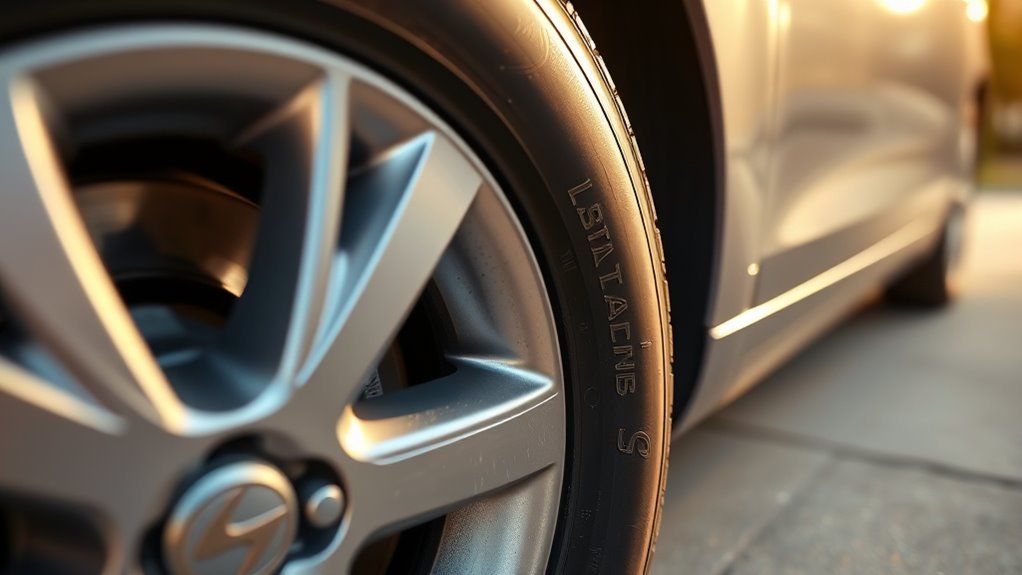
Your Hyundai Sonata’s tire speed rating is the letter at the end of the tire service description, such as the H in 205/65R16 95H or the W in 245/40R19 94W. It tells you the tire’s tested speed capability under controlled conditions, not a recommended driving speed. For safe replacement, match the tire size, load index, and speed symbol shown in your owner’s manual or on the driver-side Tire and Loading Information Label.
Quick Answer
Most Hyundai Sonata owners should replace tires with the same or higher speed rating and load index listed on the driver-side door placard or owner’s manual. Common current examples include H, V, and W ratings, but the correct rating depends on your Sonata’s model year, trim, wheel size, and tire size.
Key Takeaways
- The speed rating is the letter after the load index, such as 95H, 94V, or 94W.
- Do not choose a lower speed rating or lower load index than Hyundai specifies unless a qualified tire professional confirms it is appropriate for your use.
- The rating is based on controlled testing; it does not mean you should drive at that speed.
- For predictable steering, braking, and stability, keep all four tires matched by size, type, load index, and speed rating whenever possible.
At a Glance
| Time Required | 5–10 minutes |
| Difficulty | Easy |
| Tools Needed | Flashlight, clean cloth, phone camera, owner’s manual or door placard |
| Cost | $0 to check; tire cost varies by size, brand, and rating |
Speed Rating: What It Means for Your Hyundai Sonata
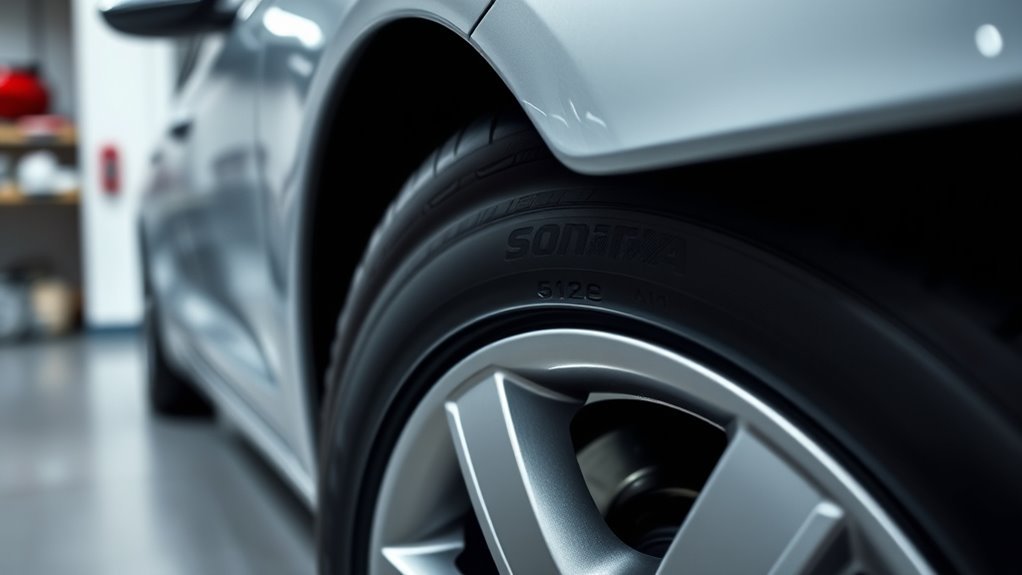
A tire speed rating is a letter that shows the tire’s tested speed capability when the tire is properly inflated, correctly loaded, undamaged, and used under controlled conditions. It also relates to heat resistance and handling characteristics.
For a Hyundai Sonata, the speed rating matters because tires are part of the car’s steering, braking, suspension, and stability system. A tire with the wrong service description can make the car feel less predictable during emergency braking, lane changes, highway driving, and wet-road maneuvers.
The most reliable source is not a generic chart. It is the tire specification for your exact vehicle. Check the NHTSA tire guidance, your Sonata owner’s manual, and the Tire and Loading Information Label on the driver-side door edge or door post.
Warning: A tire speed rating is not permission to drive at that speed. Weather, road surface, tire wear, tire damage, inflation pressure, vehicle loading, and alignment can all reduce real-world tire capability.
[Products Worth Considering]

Measure tire tread depth quickly and accurately with this LUMITECO dial gauge that reads in 1/32" increments up to 14/32". The color-coded green/yellow/red zones make it easy to judge tire wear and know when replacement is needed. A rugged, compact design with a protective pouch helps keep the gauge ready for use on cars, trucks, motorcycles, and more.

The TYAMATE TM8 solar-powered wireless TPMS delivers real-time tire pressure and temperature monitoring with six alarm modes for safer driving. A vibrant color LCD display shows readings clearly while windshield mounting keeps it hands-free and easy to read. With a wide 0–87 PSI range, strong 433.92 MHz signal transmission, and quick sensor pairing, it’s ideal for RV, sedan, SUV, MPV, and truck use.

Replace worn tires quickly with this universal 4.80/4.00-8 tire and inner tube set designed for wheelbarrows and outdoor utility carts. The ribbed tread helps reduce turf damage while the natural rubber construction supports longer service life. Compatible with 15.5-inch outer diameter, 4-inch width, and 8-inch rim diameter wheels, it uses a straight TR-13 valve stem for easy installation. For best results, inflate with a manual pump and do not exceed 25 PSI.
How to Find the Speed Rating on the Tire Sidewall
Look for the tire size and service description molded into the sidewall. A Sonata tire may show a code such as 205/65R16 95H, 235/45R18 94V, or 245/40R19 94W. The final letter is the speed rating.
- Find the full tire code. It may be on the outer sidewall or inner sidewall, depending on how the tire is mounted.
- Read the number before the final letter. That number is the load index, such as 94 or 95.
- Read the final letter. That letter is the speed symbol, such as H, V, or W.
- Compare it with the door placard. The placard is the best quick reference for the tire size and pressure Hyundai specified for that vehicle.
- Check all four tires. Do not assume the other tires match. Previous owners or shops may have installed mixed tires.
Hyundai’s tire sidewall explanation describes the load index as the numerical code for tire load capacity and the following letter as the speed rating symbol. The same service-description pattern is used across passenger tires.
Pro Tip: Take a photo of the door placard and each tire sidewall before shopping. That gives the tire shop the size, load index, speed rating, and recommended cold inflation pressure in one place.
Common OEM Speed Ratings for the Hyundai Sonata
Sonata tire speed ratings vary by model year, trim, wheel size, market, and tire package. Do not buy tires based only on another Sonata owner’s tire size. Confirm your own car’s placard first.
As current examples, Michelin’s 2026 Hyundai Sonata tire selector lists the Sonata SE with 205/65R16 95H and the Sonata N Line with 245/40R19 94W. Those examples show why it is safer to say “check your exact Sonata” than to assume one rating fits every trim.
| Rating | Maximum rating | Where you may see it |
| T | 118 mph / 190 km/h | Some comfort or winter replacement tires; verify before using if your placard calls for H, V, or W. |
| H | 130 mph / 210 km/h | Common on many sedan and touring tire fitments. |
| V | 149 mph / 240 km/h | Often used on larger-wheel or more responsive touring/performance fitments. |
| W | 168 mph / 270 km/h | Common on higher-performance packages such as N Line-style fitments. |
| Y | 186 mph / 300 km/h | Usually performance replacement tires; may exceed what a normal Sonata owner needs. |
What T, H, V, W, Y and ZR Mean (mph / km/h)

The common passenger-car speed letters convert as follows: T = 118 mph / 190 km/h, H = 130 mph / 210 km/h, V = 149 mph / 240 km/h, W = 168 mph / 270 km/h, and Y = 186 mph / 300 km/h. These figures are rating limits under controlled conditions, not recommended travel speeds.
Speed Letter Meanings
The letter gives a quick way to compare tire capability. H-rated tires are common on many everyday sedans. V and W ratings are more common on larger-wheel and sport-oriented tire packages. Y-rated tires are usually performance replacements and may be more capability than a typical Sonata needs.
Speed ratings also tend to come with construction differences. Higher-rated tires may use firmer sidewalls or compounds aimed at heat resistance and steering response. That can improve response but may also change ride comfort, road noise, tread life, and price.
ZR Marking Explained
ZR is not used exactly like the final H, V, W, or Y speed letter. It appears inside the tire size on some high-speed tires, such as 245/40ZR19. For modern tires, the final service description still matters. For example, a tire may show 245/40ZR19 98Y, where Y is the final speed symbol you should compare with your vehicle requirement.
How Load Index and Speed Rating Work Together
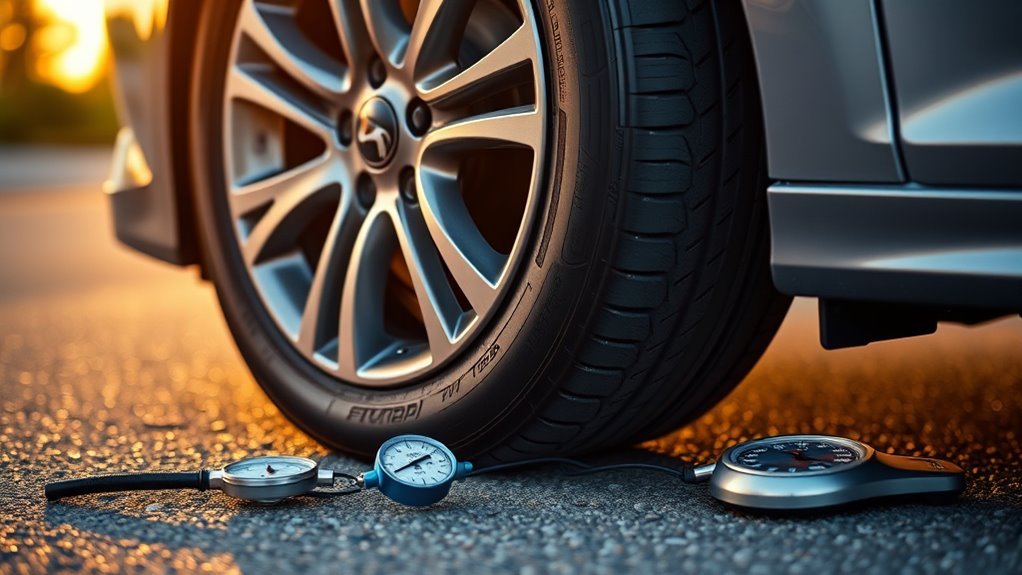
The load index and speed rating form the tire’s service description. In 205/65R16 95H, the 95 is the load index and the H is the speed rating. Both matter.
A higher speed rating does not make up for a lower load index. A higher load index does not make up for a lower speed rating. The replacement tire should meet or exceed both values required for your Sonata.
Load Index Basics
The load index is a numeric code tied to how much weight one tire can carry at the proper pressure. Your Sonata’s tires must carry passengers, cargo, fuel, and dynamic forces during braking and cornering. That is why the load index should never be treated as optional.
Matching Load and Speed
Use this rule when comparing tires:
- Same size, same or higher load index, same or higher speed rating: usually the safest replacement direction when the tire type is appropriate.
- Same speed rating but lower load index: not acceptable unless Hyundai or a qualified tire professional confirms it for your exact use.
- Higher load index but lower speed rating: may still reduce the vehicle’s safe operating speed and handling capability.
The safest tire replacement is not simply “the highest speed rating.” It is the correct size, load index, speed rating, tire type, and condition for your exact Sonata.
Impact on Handling
Tires with different service descriptions can respond differently when the car turns, brakes, or hits rough pavement. If one tire has a softer sidewall, lower load capability, or lower speed rating, that tire can become the weak point in the set.
For best balance, use four matching tires of the same brand, model, size, load index, speed rating, and tread type. If you must replace only two tires, ask the shop how the new pair will affect handling and where they recommend installing them.
Why You Should Match or Exceed the Original Rating
You should match or exceed the original speed rating because Hyundai selected the tire specification to work with the Sonata’s weight, suspension, steering, brakes, and stability systems. Installing a lower-rated tire can reduce the vehicle’s operating margin, especially during long highway drives, hot weather, or sudden maneuvers.
That does not mean you need the highest rating available. A W- or Y-rated performance tire may cost more, ride firmer, and wear faster than a touring tire. The goal is to meet the specification and match your driving conditions.
Note: If a tire has been damaged, repaired, overloaded, underinflated, or heavily worn, do not rely on the sidewall speed rating as if the tire were new and in perfect condition.
How Mixing Speed Ratings Affects Handling and Speed
Mixing speed ratings can make your Sonata less predictable. If one tire is rated lower than the others, the vehicle should be treated as limited by the lowest-rated tire. The same caution applies to mismatched tread designs, seasonal types, and load indexes.
For example, if three tires are H-rated and one tire is T-rated, the T-rated tire sets the practical limit for the set. Even at normal legal speeds, the mixed set may not respond evenly during emergency braking or quick steering.
Warning: Do not mix a temporary spare, winter tire, summer tire, and all-season tire as if they were equivalent. Each tire type has different limits, even when the size looks similar.
[Products Worth Considering]

The Trivd Frol 1/2" air impact wrench delivers high performance torque up to 1500 ft-lbs with a twin hammer impact mechanism for strong, balanced blows. It features an ergonomic grip, compact lightweight design, and quick-stop control with 3 forward speeds up to 8000 RPM plus a reverse speed. Built for demanding automotive repair and tire shop work, the rear exhaust helps keep debris away from the surface.

Vigorder rubber cement glue delivers superior adhesion and cures quickly within about 30 seconds for seamless rubber bonding. Once cured, it helps provide a strong, durable, waterproof seal that holds up to vehicle weight, pressure, and heat. Suitable for cars, motorcycles, trucks, bicycles, and off-road tires, it’s designed for emergency patch and maintenance repairs.

Steelman white tire marking crayons provide high-contrast, semi-permanent marks for repairing and inspecting tires and equipment. They write on wet or dry, smooth or coarse surfaces including rubber, metal, glass, and wood, making them ideal for puncture location and damage outlining. The lead- and zinc-free crayons resist weather and fading yet wipe away when you no longer need the marks.
Choosing Speed Ratings: Daily Driving vs. Sport Trims
Daily driving and sport driving place different demands on tires. A commuter Sonata may benefit from a touring tire focused on comfort, wet braking, low noise, and tread life. A Sonata N Line or larger-wheel setup may need a tire with a higher speed rating and stronger handling response.
Daily Driving Tire Needs
For commuting, choose tires that meet the placard specification and match your local weather. If your Sonata calls for H-rated tires, do not automatically downgrade to T-rated tires just because they are cheaper. If your Sonata calls for V or W, ask the shop to show you replacements that meet that rating.
Good daily tire priorities include wet braking, ride comfort, treadwear warranty, road noise, and seasonal traction. Speed rating is only one part of the decision.
Sport Trim Performance Tradeoffs
Sport-oriented Sonata trims and larger wheels often use lower-profile tires. These tires can sharpen steering response, but they may ride firmer and be more vulnerable to pothole damage. A higher speed rating may also cost more.
If you enjoy spirited driving, prioritize a tire that meets or exceeds the required rating and has strong wet and dry performance. For track use, follow the tire manufacturer’s guidance, the track’s rules, and a qualified performance shop’s recommendation. Do not assume an H-rated tire is automatically suitable for track driving.
Matching Rating to Use
Use this practical approach:
- Mostly city and highway commuting: match the placard rating and choose a quality touring or all-season tire.
- Frequent high-speed highway driving: avoid downgrades; heat resistance and tire condition matter more.
- Sport trim or larger wheels: stay with the specified V, W, or other rating shown for your exact setup.
- Winter tires: confirm the speed rating. Some winter tires carry a lower rating, so your maximum safe speed must be reduced to that tire’s rating.
Replacing Tires: Checklist, Shop Questions, and Paperwork
Before you buy new tires for your Sonata, write down the exact tire code from the sidewall and door placard. Then confirm the replacement with the shop before installation.
- Size: Example format: 205/65R16, 235/45R18, or 245/40R19.
- Load index: Example format: 94, 95, 98, or another value on your tire.
- Speed rating: Example format: H, V, W, or Y.
- Tire type: All-season, summer, winter, touring, or performance.
- Inflation pressure: Use the cold tire pressure on the door placard, not the maximum pressure molded on the tire.
- DOT date code: Check tire age, especially on clearance or used tires.
- Warranty terms: Ask about mileage warranty, road hazard coverage, rotation requirements, and exclusions.
- Installation: Confirm mounting, balancing, valve stems or TPMS service, lug torque, and alignment inspection.
After installation, inspect the invoice. It should list the correct tire size and service description. Keep a digital copy in case you need a warranty claim later.
When to Consult a Dealer or Tire Shop About Ratings
Consult a Hyundai dealer or qualified tire shop if the tire code on your Sonata does not match the door placard, if you bought the car used, if you are changing wheel size, or if you are considering a lower speed rating for winter tires.
You should also ask for help if the sidewall is hard to read, if the car has uneven tire wear, if one tire has been replaced separately, or if your Sonata has aftermarket wheels. Tire size changes can affect clearance, speedometer accuracy, ride quality, and handling.
Compact Spare and Emergency Tire Limits
If your Sonata has a compact spare, treat it as an emergency-only tire. It is not built to match the handling, braking, load, or speed capability of your normal tires. Hyundai’s compact spare guidance warns drivers not to exceed 50 mph / 80 km/h and to repair or replace the original tire as soon as possible.
Warning: Never use a compact spare as a long-term replacement, and never mix more than one compact spare on the vehicle.
Frequently Asked Questions
Is V or W a higher speed rating?
W is higher than V. V is rated up to 149 mph / 240 km/h, while W is rated up to 168 mph / 270 km/h under controlled conditions.
Can I put T-rated tires on a Hyundai Sonata?
Only if the T rating meets the requirement for your exact Sonata or a qualified tire professional confirms it is appropriate for your situation. If your door placard or original tire calls for H, V, or W, a T-rated tire is a downgrade and limits the vehicle to the lower rating.
Do all four Sonata tires need the same speed rating?
Yes, matching all four tires is best for predictable handling. If speed ratings are mixed, treat the car as limited by the lowest-rated tire and have the mismatch corrected as soon as practical.
Is a higher speed rating always better?
Not always. A higher speed rating can improve response and heat capability, but it may also cost more, ride firmer, or wear faster. The best tire is the one that meets Hyundai’s required size, load index, and speed rating while fitting your climate and driving style.
Does the speed rating apply to a damaged or underinflated tire?
No. Speed ratings assume a tire is properly inflated, correctly loaded, and in safe condition. Damage, repairs, underinflation, overloading, severe wear, and poor alignment can reduce real-world capability.
Conclusion
The safest way to choose Hyundai Sonata tires is simple: read the service description, confirm the door placard, and match or exceed the original load index and speed rating. The final letter on the sidewall matters, but it is only one part of the tire’s full specification. When in doubt, bring your VIN, door placard photo, and current tire code to a trusted Hyundai dealer or tire shop before buying.
Sources
- NHTSA TireWise tire safety guidance — supports checking the owner’s manual or Tire and Loading Information Label.
- Bridgestone tire speed rating guide — supports speed rating definitions, chart values, and controlled-condition warnings.
- Hyundai tire sidewall labeling guide — supports load index and speed rating placement in the service description.
- Hyundai compact spare tire guidance — supports emergency-only compact spare use and the 50 mph / 80 km/h limit.
- Michelin tire markings explained — supports sidewall marking interpretation and replacement matching.
[Products Worth Considering]

This manual duck head tire changer kit makes tire installation and removal simpler by letting you embed the duck head into the tire with applied pressure. The integrated design and durable steel construction help reduce friction and improve efficiency and safety during use. Suitable for 16–21 inch wheels, it’s convenient for cars, trucks, SUVs, and ATV tires, with 24-hour after-sales support.

The Kurgo Seasonal Tire Tote helps protect your car interior, clothes, and garage from tire grime, brake dust, and residue during seasonal tire changes. Its universal design fits most passenger tires between 22" and 31" in diameter, making storage and transport simpler with less mess. Built for rugged, repeated use, it’s machine washable for easy care and comes with a lifetime warranty.

Replace worn or missing TPMS sensors with a pre-programmed 4-pack designed for compatible GM vehicles. These 315MHz sensors provide real-time tire pressure monitoring and alert you if pressure is too high, too low, or if a rapid air leak occurs. Most installations are ready with minimal relearn effort after mounting, helping improve safety and driving confidence.

Related Articles

Danger of Using Summer Tires in Winter on a Hyundai Sonata
Potentially perilous, using summer tires in winter on your Hyundai Sonata can compromise safety—discover the hidden dangers that await you on icy roads.
Read More
Can You Mix Nitrogen and Air in Hyundai Sonata Tires? Answered
Discover the implications of mixing nitrogen and air in your Hyundai Sonata tires—are the benefits worth the risks? Explore the answer inside!
Read More
How to Tell If Hyundai Sonata Tires Are Too Old to Use Safely
Understand how to assess the age of your Hyundai Sonata tires and discover crucial signs of deterioration that could compromise your safety on the road.
Read More