
RAV4 TPMS Light: Causes, Reset Steps & Fixes
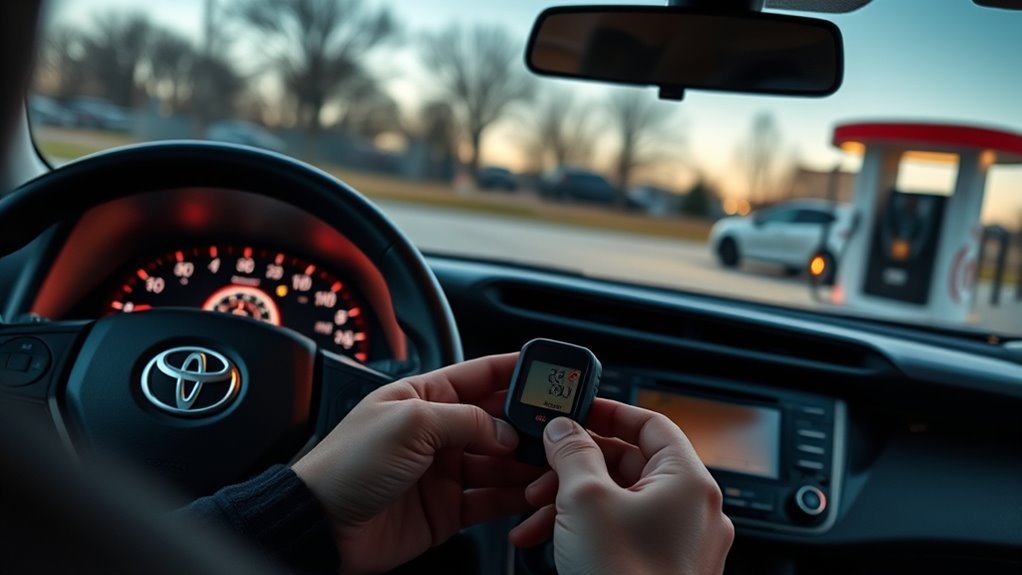
A tire pressure monitoring system (TPMS) light can turn a normal drive into a guessing game. Your tires may look fine, but the warning means the system has detected low pressure, a reset issue, or a sensor problem. This guide shows you how to check tire pressure, reset the light, spot common causes, and know when your RAV4 needs professional service.
Quick Answer
When the TPMS light appears in your RAV4, check the tire pressure in all four tires first. Inflate each tire to the pressure listed on the driver-side door placard, not the number printed on the tire sidewall. If the light stays on after pressure checks and a reset, you may have a sensor, calibration, or tire condition issue.
Key Takeaways
- Check tire pressure when the tires are cold for the most accurate reading.
- Use the pressure listed on your RAV4 door placard before you reset the TPMS light.
- Cold weather can lower tire pressure and trigger the warning light.
- A flashing or persistent TPMS light can point to a sensor or system fault.
- See a mechanic if proper pressure and a reset don’t turn the light off.
How to Check Tire Pressure and Conditions for TPMS Alerts

When the TPMS light comes on, check your tire pressure as soon as you can. Use a reliable gauge on all four tires while the tires are cold. Match the reading to the pressure listed on the driver-side door placard for your RAV4.
Don’t use the maximum pressure printed on the tire sidewall as your target. That number shows the tire’s upper limit, not Toyota’s recommended operating pressure. If you drive a 2024 RAV4 XLE Hybrid, confirm the exact cold tire pressure on your vehicle placard or owner’s manual.
Next, inspect each tire for visible damage, nails, bulges, cuts, or uneven tread wear. Uneven tread depth or a recent tire rotation can affect how the system reads pressure. If one tire keeps losing air, schedule a leak check before you reset the warning.
[Products Worth Considering]
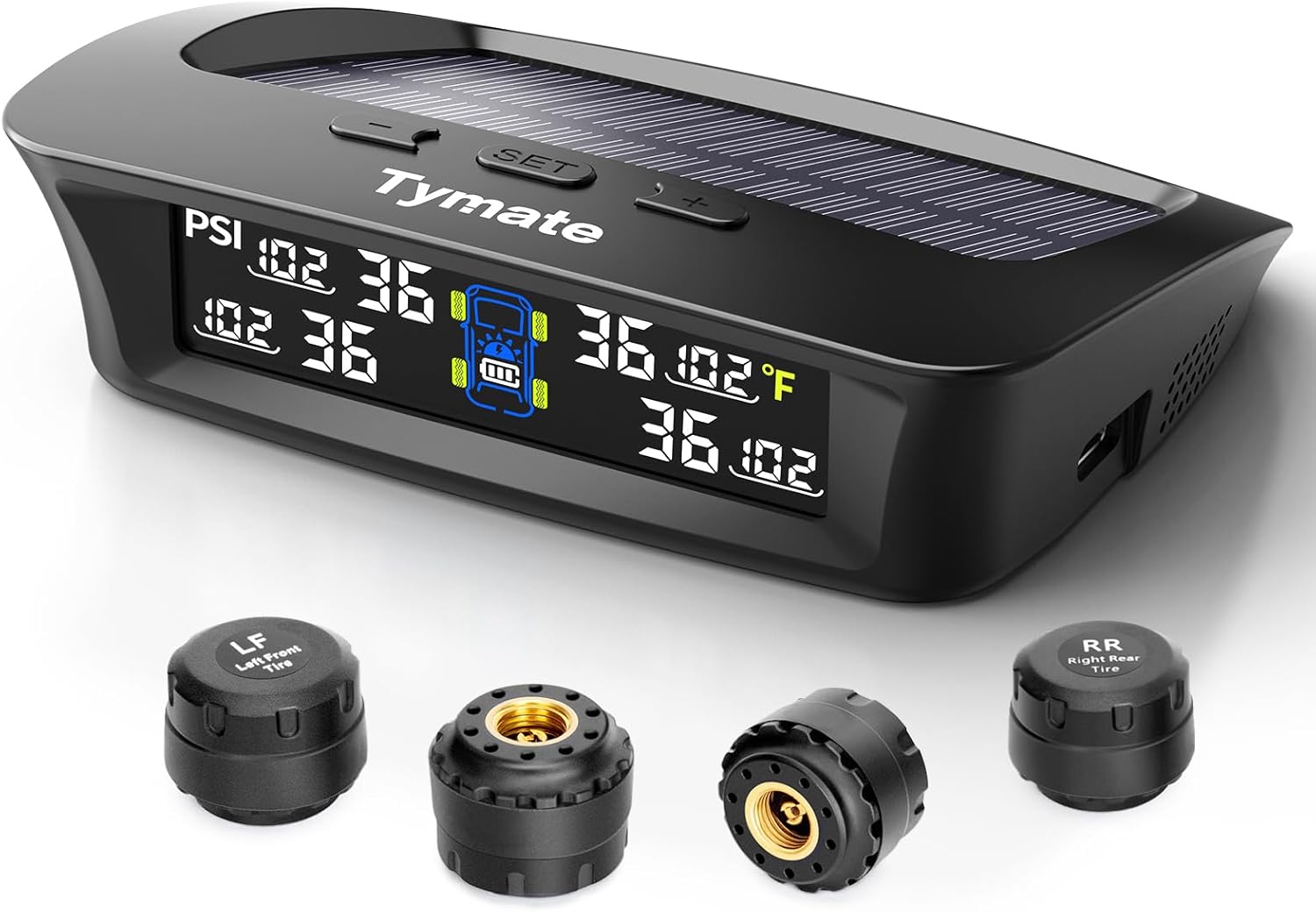
The Tymate TM3 RV TPMS delivers real-time tire pressure monitoring from 0 to 144 PSI with accurate readings and dependable wireless communication. It includes four external sensors with pre-pairing, six alarm modes for rapid leak, pressure extremes, temperature, and signal loss, plus an easy-reference setup for alert thresholds. Solar and USB-C charging help keep the display powered, while the color LCD and adaptive backlight improve visibility for safer driving and towing.

Keep RV, trailer, or truck dual-axle tires protected with waterproof, UV-resistant covers that help guard against sunlight, snow, rust, and dirt. The dual tire covers are easy to install with a rope/bungee fastener for a stable fit that won’t easily slip. Designed for 27–30 inch diameter wheels, they help maintain tire condition through harsh weather.
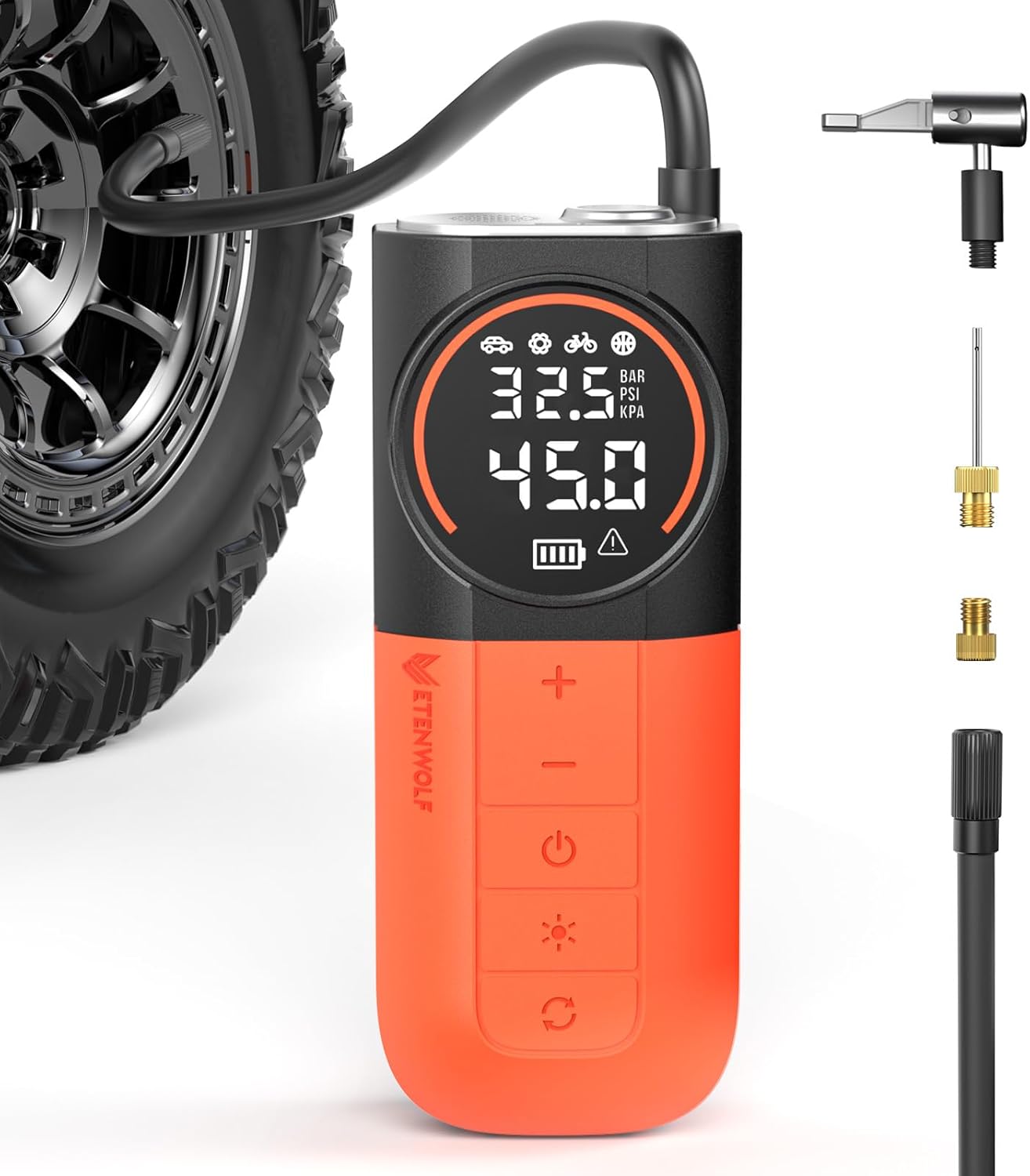
The ETENWOLF S1 cordless tire inflator delivers ultra-fast inflation with up to 160 PSI and a 20 L/min airflow for quicker tire top-offs. Its 5200mAh battery and cooling system support inflating many tires and sports balls on a single charge, while the digital pressure gauge and multi-unit display help you reach the right pressure accurately. With preset modes, pressure memory, an auto-stop feature, and an LED flashlight, it’s built for easy roadside and everyday use.
Before You Reset Your TPMS Light
Reset the tire pressure monitoring system only after you fix the cause of the warning. A reset without checking pressure can hide a real tire problem. Start with the basics so the system has the right baseline.
- Park the RAV4 on a level surface.
- Let the tires cool before you take readings.
- Check the pressure on all four tires with a gauge.
- Inflate each tire to the door placard pressure.
- Inspect for leaks, damage, or uneven tread wear.
If your RAV4 has a full-size spare with a TPMS sensor, check that tire too. Many compact spare tires do not include a TPMS sensor, so confirm your setup in the owner’s manual.
Common Issues With Your TPMS Light
Your TPMS light can turn on for several reasons. Low tire pressure causes many alerts, but sensor faults, temperature swings, and reset problems can also trigger the warning. The way the light behaves can help you narrow the cause.
Intermittent Light Activation
An intermittent TPMS light often points to a pressure change or system calibration issue. Temperature drops can lower tire pressure enough to trigger the light, even if the tires looked fine the day before.
- Check pressure after cold nights or large weather changes.
- Reset the system after tire service if your owner’s manual requires it.
- Inspect tread depth if one tire looks more worn than the others.
- Watch for repeat warnings from the same tire position.
Sensor Malfunctions Explained
A sensor problem can turn on the TPMS light even when your tires have the right pressure. TPMS sensors use small internal batteries, and those batteries wear out over time. Physical damage, corrosion, or incorrect programming can also stop a sensor from working.
If the light flashes before it stays on, your RAV4 may have a TPMS system fault instead of a simple low-pressure alert. A tire shop or Toyota service center can scan the sensors and identify the weak or failed unit.
Temperature Effects on Readings
Cold weather can reduce tire pressure because air contracts as temperatures fall. A common tire-care rule says tire pressure changes by about 1 PSI for every 10 degrees Fahrenheit of temperature change. That drop can trigger the TPMS light when a tire already sits near the low-pressure threshold.
- Check tire pressure more often during seasonal changes.
- Inflate tires when they are cold for a true reading.
- Avoid bleeding air from warm tires after a drive.
- Recheck pressure after a large temperature swing.
Pro tip: Keep a digital tire gauge in your glove box so you can verify pressure before you reset the warning.
Step-by-Step Guide to Resetting Your TPMS
Use your owner’s manual for the exact reset process because RAV4 procedures can vary by model year and trim. Some models use a physical reset button, while others use the vehicle settings menu. Follow these general steps only after you set the tire pressure correctly.
- Park safely. Stop on level ground and turn the vehicle off.
- Check each tire. Set every tire to the cold pressure on the driver-side door placard.
- Turn on the vehicle. Use accessory mode or ready mode as your manual directs.
- Open the TPMS reset setting. Use the reset button or dashboard menu, depending on your RAV4.
- Start the reset. Hold the button or confirm the menu command until the system begins calibration.
- Drive normally. Drive long enough for the system to relearn pressure readings, if your manual calls for it.
If the light returns after the reset, check pressure again with a gauge. A tire may have a slow leak, or the TPMS may need a diagnostic scan.
Warning: Don’t reset the TPMS light to clear a warning before you check tire pressure and tire condition.
Inspecting for Sensor Malfunctions
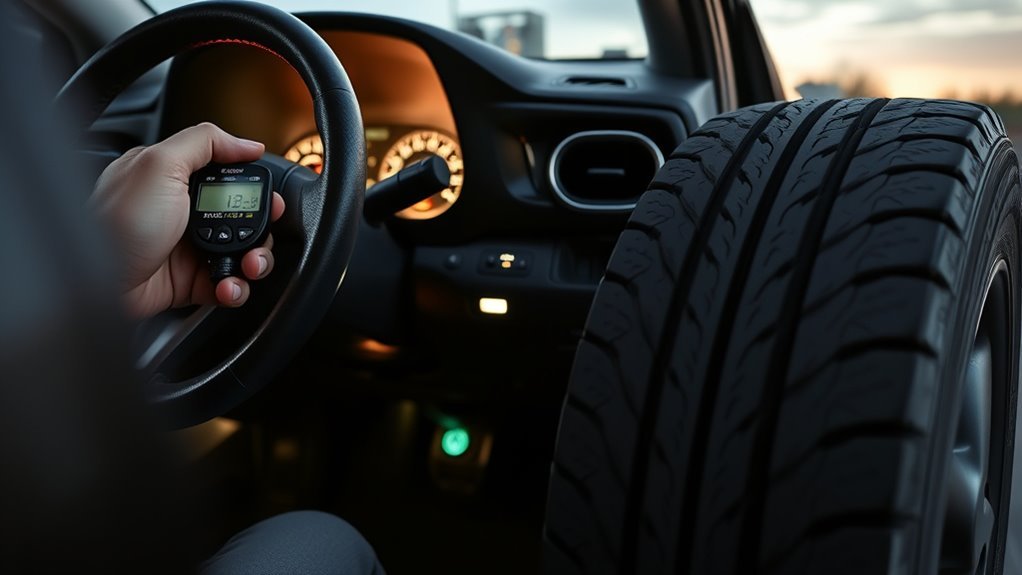
Start by checking each tire for proper inflation, visible damage, and uneven tread wear. A tire that loses pressure again after inflation may have a puncture, valve stem leak, or bead leak. Don’t assume the sensor has failed until you rule out tire problems.
Check pressure, tread, and visible tire damage before you blame a TPMS sensor.
If the warning stays on, ask a tire shop to scan the sensors with a TPMS diagnostic tool. The scan can show sensor battery status, signal strength, and sensor ID problems. If a sensor was replaced, the shop may need to program it to your RAV4.
- Scan each sensor if the light stays on after proper inflation.
- Check valve stems for leaks or corrosion.
- Confirm new sensors match your RAV4 model year.
- Relearn or program sensors after replacement when required.
How Temperature Affects Your TPMS Alerts
Temperature changes can make a healthy tire look low to the TPMS. When air cools, pressure drops inside the tire. If the pressure drops below the warning threshold, the TPMS light can turn on during the first drive of the day.
Check tire pressure during cold weather before you start driving. Driving warms the tires and raises pressure, which can hide a low cold-pressure reading. After you inflate the tires, reset the TPMS only if your RAV4 manual tells you to recalibrate the system.
Key Factors for Spare Tire TPMS
Your spare tire matters, but not every RAV4 spare works with the TPMS in the same way. Many compact spare tires do not include a TPMS sensor. A full-size spare, if equipped with a sensor, may trigger warnings when pressure drops.
[Products Worth Considering]

The JACO FlowPro Tire Inflator measures, inflates, and airs down tires up to 100 PSI with battery-free operation and ±2% accuracy after calibration. It features a glowing pressure dial for night visibility, a heavy-duty steel build with a hybrid hose, and a precision push-to-inflate thumb trigger. The patented Lightning Air Chuck locks on for a secure seal, and the kit includes quick-connect hardware for easy inline use with your air compressor.

The Fanttik X10 Pro is a cordless portable tire inflator that reaches up to 150 PSI and can inflate an R15 tire in about 35 seconds for quick roadside or home top-ups. With AccuInFlate auto-stop and smart start/stop controls, it helps maintain accurate pressure and frees your hands once the target is reached. A high-visibility digital display and preset modes make it easy to set and monitor inflation for cars, motorcycles, bikes, and balls.
Spare Tire Pressure Check
Check the spare tire pressure during routine tire checks. A neglected spare can create problems during an emergency, even if it doesn’t trigger the TPMS light. Use the pressure listed for the spare in your owner’s manual or on the tire information label.
- Check spare tire pressure at least during routine maintenance.
- Look for cracks, age damage, or low tread on the spare.
- Use the correct spare pressure, which may differ from road tires.
- Replace a damaged spare before you need it roadside.
Sensor Presence Verification
Confirm whether your spare tire has a TPMS sensor before you rely on it for warnings. Your owner’s manual and tire shop can verify the setup. If the spare has a sensor, include it when you diagnose repeated TPMS alerts.
What Different TPMS Light Patterns Mean
The TPMS light pattern can help you decide what to do next. A solid warning usually means one or more tires may have low pressure. A flashing light that later stays on often points to a system fault, such as a failed sensor.
- Solid light: Check tire pressure and inspect for leaks or damage.
- Flashing light: Schedule a TPMS diagnostic scan.
- Light after tire service: Confirm pressure, sensor programming, and reset steps.
- Light in cold weather: Recheck cold tire pressure before you drive far.
When to See a Mechanic for TPMS Issues
If the TPMS light stays on after you set tire pressure and complete the reset, have a mechanic inspect the system. A persistent warning can point to a sensor, valve stem, wheel, or calibration problem. Ignoring it can also make you miss a real low-pressure issue later.
- The TPMS light stays on after correct inflation.
- The light flashes before staying solid.
- One tire keeps losing air after inflation.
- The warning returns soon after tire rotation or replacement.
- You notice vibration, pulling, or unusual tire wear.
Tips for Maintaining Your TPMS System

Maintain your TPMS by checking tire pressure on a regular schedule. Monthly checks help you catch slow leaks before the warning light appears. Check again before long trips, after tire service, and during major weather changes.
Use proper valve caps to keep dirt and moisture out of the valve stems. Ask the shop to inspect TPMS sensors whenever you replace tires. If you replace a sensor, confirm the shop programs it and completes any required relearn step.
Note: Your owner’s manual gives the most accurate TPMS reset steps for your exact RAV4 model year.
Frequently Asked Questions
Why Is My Tire Pressure Light on but My Tires Are Fine on My Toyota RAV4?
Your tire pressure light may stay on because one tire sits just below the warning threshold. It can also point to a sensor fault, reset issue, or pressure change from cold weather. Check the pressure with a gauge before you assume the tires are fine.
How Do You Get Rid of the TPMS Warning Light?
Set each tire to the recommended cold pressure on the driver-side door placard. Then follow your RAV4 owner’s manual to reset or recalibrate the TPMS. If the light stays on, have a shop scan the sensors and check for leaks.
Can I Drive With the TPMS Light On?
You can often drive a short distance if the vehicle feels normal, but you should check tire pressure right away. Low tire pressure can affect handling, braking, fuel use, and tire life. Stop driving if a tire looks flat or the vehicle pulls hard to one side.
Why Does My TPMS Light Come On After a Tire Rotation?
The system may need time to relearn tire positions after service. It may also need a reset or sensor relearn, depending on your RAV4 model year. Ask the shop to confirm sensor IDs and pressure settings if the warning stays on.
Does the Spare Tire Trigger the TPMS Light on a RAV4?
It depends on the spare tire setup. Many compact spares do not have TPMS sensors, while some full-size spares may have one. Check your owner’s manual or ask a tire shop to verify your exact configuration.
Conclusion
Your RAV4 TPMS light means you should check tire pressure before you reset anything. Start with a cold tire pressure reading, inspect each tire, and follow your owner’s manual for the correct reset process. If the warning stays on, schedule a TPMS diagnostic scan so you can fix the real cause. A well-maintained TPMS helps you protect your tires, handling, and safety on every drive.
References
- Tires — National Highway Traffic Safety Administration
- Tire Safety: Everything Rides on It — National Highway Traffic Safety Administration
- Toyota Owner’s Manuals and Warranty Information — Toyota

Related Articles

Toyota RAV4 TPMS Reset: Easy Steps That Work
Unlock the secrets to resetting your Toyota RAV4's TPMS effortlessly—discover the essential steps to ensure your tires are always safe.
Read More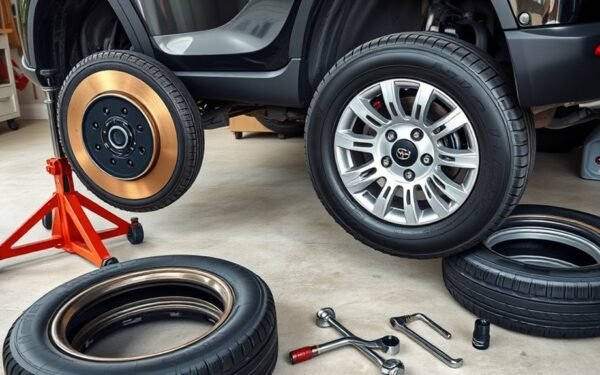
Toyota RAV4 Tire Rotation: DIY Steps & Pattern
Take control of your Toyota RAV4's tire maintenance with our simple DIY rotation guide—discover the best steps for optimal performance and longevity!
Read More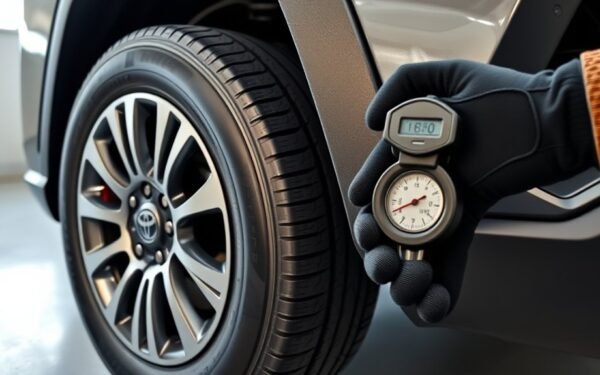
Mix Tire Brands on a Toyota RAV4? Expert Guide
Keeping your RAV4 safe? Learn when mixing tire brands risks traction, ABS/TCS and AWD damage — and what exact matches you must insist on.
Read More