
2014 Hyundai Sonata Tire Size: OEM Specs & Replacement Options
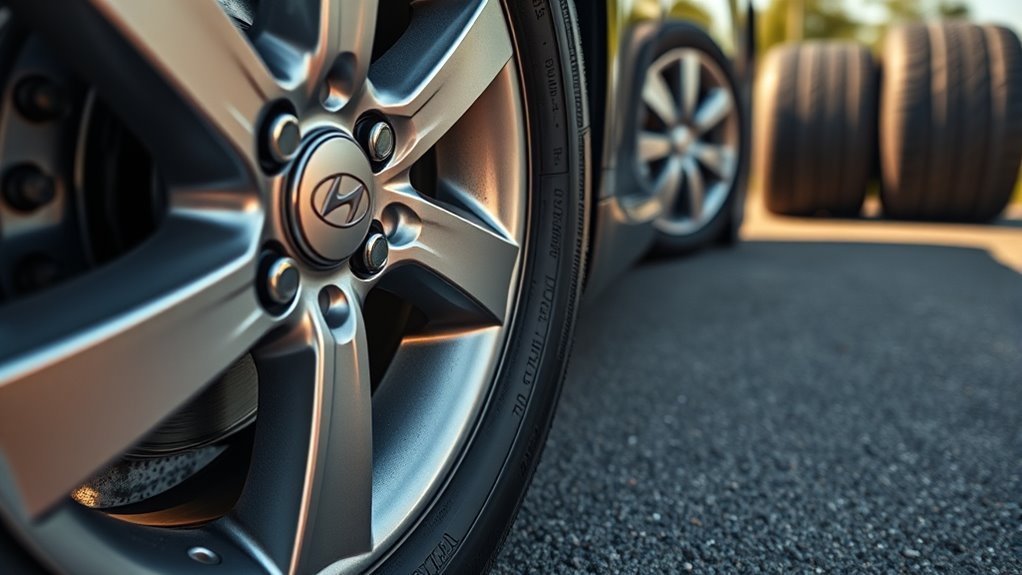
For a U.S.-market 2014 Hyundai Sonata, the common OEM tire sizes are P205/65R16 94H, P215/55R17 93V, and 225/45R18 XL 95V, depending on trim and wheel package. GLS and Hybrid models commonly use 16-inch tires, Limited and Hybrid Limited models commonly use 17-inch tires, and SE/2.0T applications commonly use 18-inch tires. Before buying, match the tire size, load index, speed rating, and cold PSI on the driver-side Tire and Loading Information label.
Last updated: August 18, 2026 — U.S.-market fitment, pressure, tire-age, and maintenance guidance rechecked against current sources.
Quick Answer
For U.S.-market 2014 Sonatas, use P205/65R16 94H for GLS and Hybrid fitments, P215/55R17 93V for Limited 2.4L and Hybrid Limited fitments, and 225/45R18 XL 95V for SE 2.4L, SE 2.0T, and Limited 2.0T fitments. Confirm the label on your own car before ordering because wheel packages and prior modifications can change what is installed.
Key Takeaways
- Do not rely on a generic tire chart alone. Check the driver-side door jamb label first.
- For a direct replacement, match the placard size and use an equal-or-higher load index and speed rating.
- The common U.S.-market 18-inch fitment is 225/45R18 XL 95V; do not treat 235/45R18 listings from later or non-U.S. Sonatas as a direct 2014 replacement.
- Check tire pressure cold at least monthly; TPMS is a warning system, not a substitute for a tire gauge.
- Rotate tires about every 7,500 miles or sooner if uneven wear appears.
At a Glance
| Time Required | 5–10 minutes to confirm your placard and sidewall size; longer if comparing tire models. |
| Difficulty | Easy for finding the size; moderate if choosing alternate sizes. |
| Tools Needed | Tire pressure gauge, flashlight, tread-depth gauge or penny, and your driver-door tire label. |
| Cost | Varies by size, brand, warranty, and season type; 18-inch performance tires usually cost more than 16-inch touring tires. |
What Tire Sizes Fit the 2014 Hyundai Sonata?
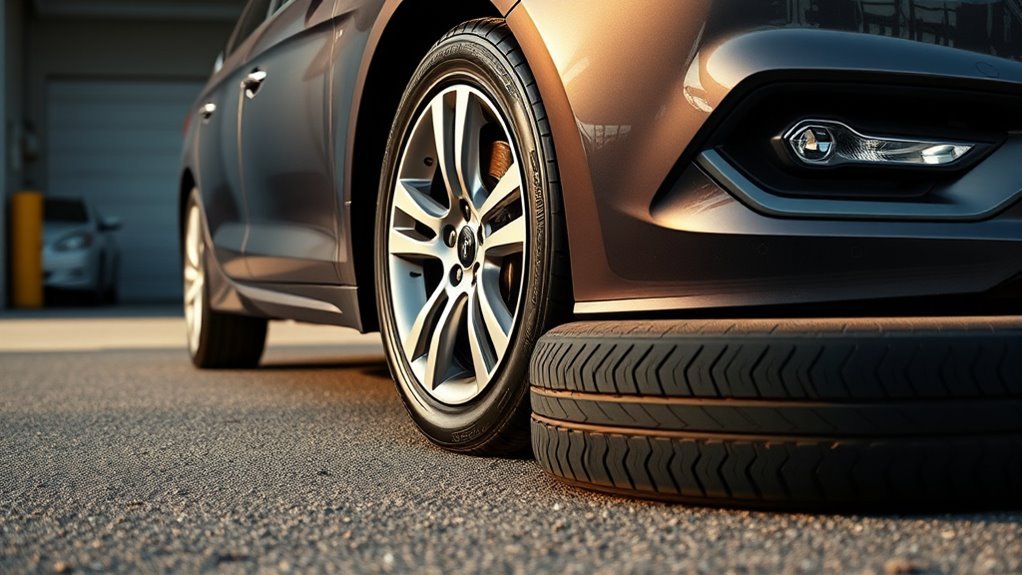
Use the chart below as a starting point for U.S.-market 2014 Hyundai Sonata tire fitment. Your exact car may differ if it has aftermarket wheels, a non-U.S. market package, or a previous owner changed the wheel setup.
| Trim | Common OEM Tire Size | Load / Speed Rating | Common Cold PSI |
|---|---|---|---|
| GLS | P205/65R16 | 94H | 33 PSI; placard final |
| Hybrid | P205/65R16 | 94H | 34 PSI; placard final |
| Hybrid Limited | P215/55R17 | 93V | 34 PSI; placard final |
| Limited 2.4L | P215/55R17 | 93V | 33 PSI; placard final |
| SE 2.4L / SE 2.0T / Limited 2.0T | 225/45R18 XL | 95V | 35 PSI; placard final |
U.S. fitment databases from Goodyear, Firestone, and VehicleTire agree on the three main 2014 Sonata size groups shown above. Pressure references also separate the gasoline GLS/Limited 2.4L values from the Hybrid values, which is why a single “33–35 PSI” number is less useful than the trim-specific table. Your own placard still overrides any online chart.
Warning: Do not use the maximum PSI printed on the tire sidewall as your normal inflation pressure. The correct cold pressure is the pressure listed by Hyundai on the driver-side door label or in the owner information for your vehicle.
[Products Worth Considering]

This portable cordless tire inflator delivers up to 160 PSI with fast 17 L/min airflow to help you quickly top up tires and get back on the road. It features dual power mode, running on a 21V rechargeable battery or a 12V DC adapter for convenient roadside use. An automatic shut-off with digital pressure gauge helps prevent overinflation, and a built-in LED light improves visibility in low-light conditions.

The JACO FlowPro Tire Inflator measures, inflates, and airs down tires up to 100 PSI with battery-free operation and ±2% accuracy after calibration. It features a glowing pressure dial for night visibility, a heavy-duty steel build with a hybrid hose, and a precision push-to-inflate thumb trigger. The patented Lightning Air Chuck locks on for a secure seal, and the kit includes quick-connect hardware for easy inline use with your air compressor.

EVOULTES heavy duty tire inflator with an integrated gauge delivers accurate pressure readings from 10–120 PSI, helping you inflate, deflate, and check tires in one tool. The 16.5-inch extended dual-head air chuck with swivel base reaches hard-to-access dual wheel valves on trucks and RVs. A brass trigger core and side-mounted air release valve make operation smooth, with standard 1/4" NPT threading and quick-connect compatibility for easy setup.
How to Confirm Your Exact OEM Tire Size
Before ordering tires, verify the size in three places:
- Driver-side door jamb: Look for the Tire and Loading Information label. This is the best source for the original size and cold PSI.
- Current tire sidewall: Read the size, load index, and speed rating. If the current tire does not match the placard, ask a tire professional whether the current setup is correct.
- Wheel diameter: The last number in the tire size must match your wheel diameter. A 16-inch tire cannot fit a 17-inch or 18-inch wheel.
NHTSA TireWise says the correct tire pressure and vehicle tire information are found on the Tire and Loading Information label on the driver-side door edge/post or in the owner information. If the current sidewall and placard do not match, do not assume the current tire is correct; confirm whether the car has aftermarket wheels or another approved setup before ordering replacements.
One-Minute Fitment Check
- Placard first: record tire size and cold PSI.
- Sidewall second: confirm the installed size and service description.
- Wheel third: make sure the rim diameter matches the tire’s final number.
- If anything conflicts: stop and have the wheel/tire combination verified before buying.
How to Read a Tire Size: 215/55R17 Explained
A tire size such as P215/55R17 tells you the tire type, width, sidewall height, construction, and wheel diameter:
- P identifies a P-metric passenger-vehicle tire when that prefix is shown.
- 215 is the section width in millimeters.
- 55 is the aspect ratio. The sidewall height is 55% of the tire width.
- R means radial construction.
- 17 means the tire fits a 17-inch wheel.
The numbers after the tire size matter too. In P215/55R17 93V, the 93 is the load index and the V is the speed rating. Replacement tires should meet or exceed the load and speed rating shown on your placard or original tire specification.
Pro Tip: If you want a quieter ride, compare grand-touring all-season tires in the correct OEM size. If you want sharper steering, the 18-inch 225/45R18 size can feel more responsive, but it usually rides firmer and costs more.
Can You Use a Different Tire Size Than 215/55R17?
Changing tire size changes overall diameter, sidewall height, and sometimes tire width. That can affect speedometer accuracy, ride height, ABS behavior, stability control, steering feel, and clearance. The safest direct replacement is the placard size. The examples below are diameter comparisons only, not approved 2014 Sonata fitments; any non-OEM size still needs verification for wheel width, load index, speed rating, suspension and fender clearance, and TPMS compatibility.
How Tire Diameter Changes the Speedometer
Compared with the common 215/55R17 fitment, a smaller-diameter tire makes the speedometer read slightly faster than actual road speed. A larger-diameter tire makes it read slightly slower than actual speed. Small differences may be tolerable, but large differences can affect safety systems and tire clearance.
Diameter Comparison Examples
| Example Size | Diameter vs. 215/55R17 | Expected Effect |
|---|---|---|
| 215/55R17 | Stock baseline | Factory ride, speedometer, and clearance target |
| 225/50R17 | About 1.7% smaller | Slightly lower ride height; speedometer may read slightly high |
| 205/60R17 | About 1.4% larger | Slightly taller sidewall; speedometer may read slightly low |
| 235/45R17 | About 3.7% smaller | Usually too far from stock without careful clearance and speedometer checks |
For most drivers, the direct placard size is the simplest choice. If you are changing wheel or tire dimensions, have the installer verify wheel width, offset, brake and suspension clearance, load capacity, speed rating, and TPMS compatibility before mounting the tires.
What Type of Tire Is Best for a 2014 Hyundai Sonata?
The best tire type depends on the correct fitment first, then climate and driving priorities. Match the placard size and service description before comparing touring, performance all-season, winter, or summer tires.
Trim-Specific Tire Picks
- GLS and Hybrid with P205/65R16: Choose a touring or grand-touring all-season tire if comfort, road noise, and tread life matter most.
- Limited and Hybrid Limited with P215/55R17: Choose a grand-touring all-season tire for a balance of comfort, steering response, wet grip, and wear.
- SE and 2.0T trims with 225/45R18 XL: Choose a performance all-season or touring tire with the correct XL load rating if you want sharper handling without giving up year-round usability.
Seasonal Tire Recommendations
If you drive in mild weather, a quality all-season tire is usually the practical choice. If you regularly drive in snow, ice, or extended freezing temperatures, a dedicated winter tire can improve cold-weather grip and braking. If you drive only in warm weather and want sharper handling, a summer tire can improve dry and wet response, but summer tires are not intended for freezing temperatures, snow, or ice.
Performance vs. Comfort
Smaller wheel sizes with taller sidewalls usually ride softer and cost less. Larger wheel sizes with shorter sidewalls usually feel more responsive but can ride firmer and be more vulnerable to pothole damage. For a daily-driven 2014 Sonata, do not sacrifice load rating, pressure requirements, or wet-weather braking just to get a more aggressive look.
Note: When comparing tire models, look at current wet braking, snow traction, road-noise, warranty, rolling-resistance, and owner-review data in your exact tire size. A tire that performs well in one size may not be available or rated the same way in another size.
Load Index, Recommended Pressures, and Where to Find the Placard
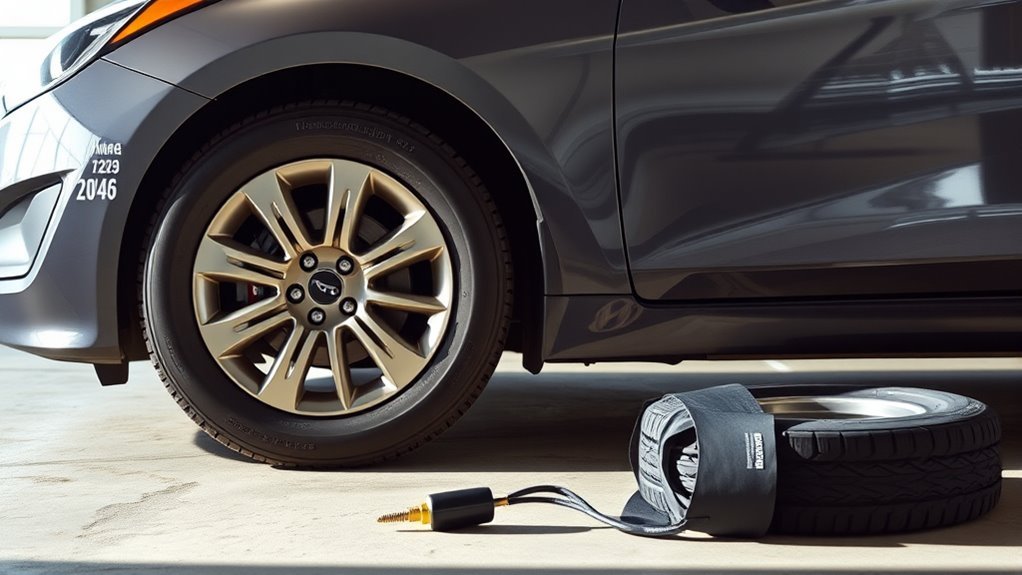
The load index tells you the tire’s rated carrying capacity, while the speed rating identifies its sustained speed capability under specified conditions. Common U.S.-market 2014 Sonata service descriptions include 94H on P205/65R16, 93V on P215/55R17, and 95V XL on 225/45R18. For direct replacement, do not choose a lower load index or speed rating than the correct specification for your car.
If you want a broader year-by-year pressure reference, see the Hyundai Sonata tire pressure guide. For this 2014 page, however, use the trim-specific values above and treat the door placard as final.
Check tire pressure when the tires are cold, ideally before driving or after the car has been parked for at least three hours. NHTSA recommends checking pressure at least monthly and using the vehicle manufacturer’s recommended cold pressure, not the maximum pressure printed on the tire sidewall.
A tire with the right size but the wrong load rating, speed rating, or pressure is still the wrong tire for the car.
[Products Worth Considering]

This cordless portable tire inflator delivers fast, safe inflation with an automatic shutoff when the target pressure is reached, helping prevent overinflation. The built-in LED lighting and real-time digital display make it easier to check pressure and handle roadside tire changes at night. It includes multiple nozzles for use on cars, motorcycles, bicycles, and inflatables like balls and swimming rings.

The AstroAI L7 Air Tire Inflator refills car tires quickly with up to 150PSI max pressure and a fast 1-minute inflation claim. It includes 5 preset modes for car, motorcycle, bicycle, balls, and manual use, along with an auto shutoff to help prevent overinflation. Designed for convenience, it features a digital gauge with unit switching, a top LED light with multiple modes, and USB-C/USB ports for backup power.
Tire Lifespan, Rotation Schedule, and When to Replace Sonata Tires
The 2014 Sonata owner-manual guidance recommends rotating tires every 7,500 miles (12,000 km) or sooner if irregular wear appears. During rotation, inspect for uneven wear, bubbles, bulges, cuts, exposed cord, vibration, and balance problems. Do not include the compact spare tire in a normal tire rotation.
- Pressure: Check all tires, including the spare, at least monthly.
- Tread depth: Replace tires at 2/32 inch tread depth at minimum. Plan earlier replacement for heavy rain or winter driving.
- Damage: Replace a tire immediately if you see bulges, sidewall separation, exposed cord, deep cuts, or recurring pressure loss.
- Age: Find the DOT Tire Identification Number on the sidewall; the last four digits show the week and year of manufacture. The 2014 Sonata manual recommends replacing tires after about six years of normal service even if usable tread remains, because tire strength and performance decline with age.
- Alignment: If one edge wears faster, the steering wheel pulls, or the car vibrates, have alignment and balance checked.
Before You Buy: A 5-Point Replacement Check
Use this order when comparing tires so a lower price or more aggressive tread pattern does not distract from fitment:
- Match the placard: confirm tire size and cold PSI on your own Sonata.
- Match the service description: use the correct load index and speed rating, or a verified higher rating.
- Choose the tire category: touring or grand-touring for comfort, performance all-season for sharper response, winter tires for regular snow/ice, or summer tires for warm-weather performance only.
- Compare the installed package: include mounting, balancing, TPMS service, disposal, and alignment needs instead of comparing tire price alone.
- Check condition and date code: inspect all four tires after installation, verify pressure cold, and keep the DOT manufacturing date in your maintenance records.
For a daily-driven Sonata, the highest-value upgrade is usually better wet braking, predictable handling, reasonable noise, and appropriate seasonal traction in the correct OEM size. A wider or lower-profile tire is not automatically an upgrade if it compromises fitment, ride quality, or load capacity.
Frequently Asked Questions
What tires come on a 2014 Hyundai Sonata?
Common U.S.-market 2014 Hyundai Sonata OEM tire sizes are P205/65R16 94H for GLS and Hybrid trims, P215/55R17 93V for Limited and Hybrid Limited trims, and 225/45R18 XL 95V for SE and 2.0T trims. Always confirm your exact size on the driver-side door label.
What is my OEM tire size?
Your OEM tire size is printed on the Tire and Loading Information label on the driver-side door jamb. If your current tire sidewall does not match that label, ask a tire shop to confirm whether your wheels or suspension were changed before replacing the tires.
Can I put 235/45R18 tires on a 2014 Hyundai Sonata?
Do not treat 235/45R18 as a direct U.S.-market 2014 Sonata replacement. The common 18-inch U.S. fitment for SE and 2.0T applications is 225/45R18 XL 95V. A 235/45R18 tire is wider and taller, so a shop must verify wheel width, inner and outer clearance, load rating, speed rating, and speedometer impact before installation.
What tire pressure should a 2014 Hyundai Sonata use?
Common U.S. references list 33 PSI for GLS and Limited 2.4L fitments, 34 PSI for Hybrid and Hybrid Limited fitments, and 35 PSI for 225/45R18 SE/2.0T fitments. Use the cold PSI on your own driver-side tire label as the final answer.
When should I replace my Sonata tires?
Replace tires when tread reaches 2/32 inch, when treadwear indicators are flush, or sooner for bulges, exposed cord, serious sidewall damage, recurring pressure loss, or unsafe uneven wear. The 2014 Sonata manual also recommends replacement after about six years of normal service because tires age even when tread remains.
Conclusion
For a U.S.-market 2014 Hyundai Sonata, start with the driver-side placard and match the correct P205/65R16 94H, P215/55R17 93V, or 225/45R18 XL 95V fitment for your car. Then compare tire type, wet-weather performance, noise, warranty, and installed cost. Check pressure cold at least monthly, rotate about every 7,500 miles, inspect tread and age, and have any non-OEM size verified before installation.
Sources
- VehicleTire 2014 Hyundai Sonata OEM tire size table — trim-specific tire sizes, load indexes, and speed ratings.
- Goodyear 2014 Hyundai Sonata fitment selector — U.S./North American trim-to-size cross-check for GLS, Hybrid, Limited, SE, and 2.0T applications.
- TirePressures.co 2014 Hyundai Sonata tire pressure and size chart — pressure ranges by tire size.
- NHTSA TireWise — tire placard, cold pressure, tread depth, TPMS, rotation, and tire aging guidance.
- 2014 Hyundai Sonata owner’s manual mirror — 7,500-mile rotation interval, tire inspection guidance, and tire-age guidance from the 2014 manual text.
- Michelin tire-size guidance — how to use the placard and sidewall markings when choosing replacements.
- Tire Rack winter tire guide — winter tire purpose and cold-weather traction guidance.

Related Articles

Danger of Using Summer Tires in Winter on a Hyundai Sonata
Potentially perilous, using summer tires in winter on your Hyundai Sonata can compromise safety—discover the hidden dangers that await you on icy roads.
Read More
Can You Mix Nitrogen and Air in Hyundai Sonata Tires? Answered
Discover the implications of mixing nitrogen and air in your Hyundai Sonata tires—are the benefits worth the risks? Explore the answer inside!
Read More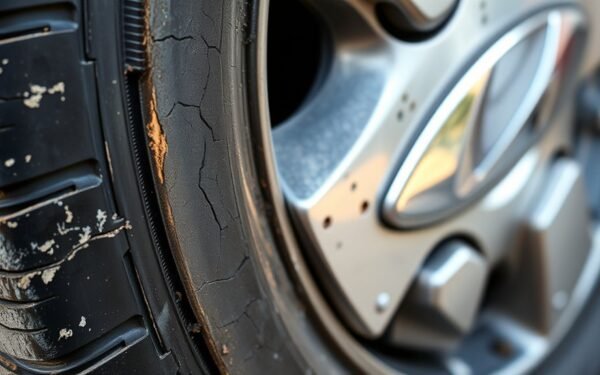
How to Tell If Hyundai Sonata Tires Are Too Old to Use Safely
Understand how to assess the age of your Hyundai Sonata tires and discover crucial signs of deterioration that could compromise your safety on the road.
Read More