
Tire Valve Stem Leak Symptoms on a RAV4: What to Check
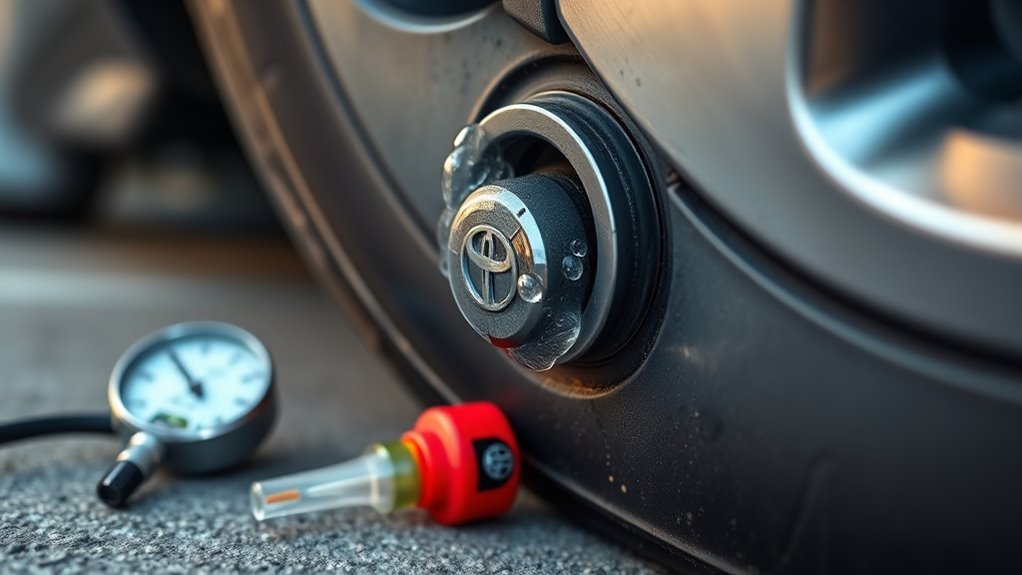
If your RAV4 keeps losing tire pressure or the TPMS warning light comes on, a leaking valve stem is one possible cause. The fastest way to narrow it down is to check the tire pressure cold, inspect the valve cap, valve core, and stem, then use a soapy water test to look for bubbles. A simple valve-core leak may be fixable at home, but a leak at the valve stem base, TPMS sensor, tire bead, or wheel usually needs a tire shop.
Quick Answer
To check for a RAV4 valve stem leak, inflate the tire to the cold pressure listed on the driver-side door placard, remove the valve cap, and spray soapy water on the valve tip and stem base. Bubbles, hissing, or repeated pressure loss from the same tire point to a leak.
Key Takeaways
- A TPMS light means low tire pressure or a possible TPMS issue; it does not prove the valve stem is the leak source.
- Bubbles from the valve tip usually point to the valve core; bubbles from the stem base usually require tire removal and professional service.
- Do not reset or initialize the TPMS until all tires are inflated to the correct cold pressure and the leak is fixed.
- Use OEM-compatible TPMS parts by VIN, wheel type, and model year instead of assuming rubber or metal stems are automatically better.
At a Glance
| Time Required | 10–20 minutes to diagnose; 5–15 minutes to replace a valve core; longer if the tire must be removed from the wheel. |
| Difficulty | Easy for leak diagnosis and valve-core checks; moderate to professional for valve stem, TPMS sensor, bead, or wheel leaks. |
| Tools Needed | Tire pressure gauge, spray bottle with soapy water, replacement valve cap, TPMS-safe valve core tool, and portable inflator or air compressor. |
| Cost | A valve cap or core is usually inexpensive; a shop repair for a full valve stem or TPMS service kit typically costs more because the tire may need to be dismounted. |
How to Identify Symptoms of Tire Valve Stem Leaks in Your RAV4
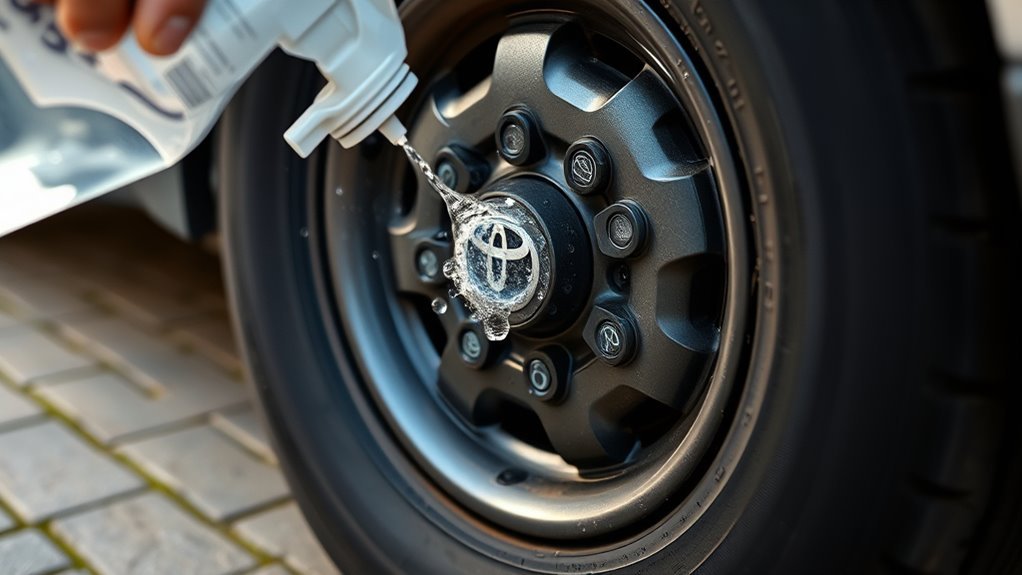
Start with the symptom that sent you looking: a tire that keeps losing pressure. A leaking valve stem usually causes a slow, repeatable loss from the same tire, not random pressure changes across all four tires.
- TPMS warning light: A steady tire-pressure warning means at least one tire may be significantly underinflated. Check all four tires with a gauge before assuming the valve stem is the cause. Toyota explains that if the warning stays on, you should check the tires and refill, repair, or replace any that are below proper pressure through its TPMS support guidance.
- One tire is always lower: If one tire is 3–8 psi lower than the others after sitting overnight, suspect a slow leak at the valve, bead, tread puncture, or wheel.
- Hissing at the valve: Remove the valve cap and listen closely. A hiss from the tip often points to a loose, dirty, or damaged valve core.
- Bubbles during the soapy water test: Spray the valve tip and stem base. Growing bubbles show escaping air.
- Visible cracking or corrosion: Cracked rubber, a tilted stem, missing cap, white corrosion around metal stems, or damage from curb contact can all lead to leaks.
Warning: Do not keep driving on a tire that is visibly low, rapidly losing air, bulging, cut, or separating. Inflate it only if safe, use the spare or roadside assistance if needed, and have the tire inspected before highway driving.
[Products Worth Considering]

This multi-function tire valve stem removal tool set makes it fast to remove, install, bleed, and clean valve cores for easier tire maintenance. It includes valve core removers, a 4-way spool tool, replacement valve caps, and spare cores to handle replacements and repairs with confidence. Universal compatibility suits cars, trucks, motorcycles, bicycles, and more for roadside convenience.

This 4-in-1 tire valve core removal tool helps you deflate, unblock, and remove or install valve cores quickly for easier tire repair. The multifunction design also supports re-taping damaged threads and reaming inside the valve stem for smoother service. Included as a 2-pack, it’s compact for convenient carry and works for cars, bicycles, and motorcycles.

Upgrade your tires with authentic 40mm caliber bullet-shaped stem caps designed to help keep inflation consistent and secure. The patented insert helps protect TPMS and the lacquer coating resists tarnishing for a stylish look. Easy to install on standard Schrader valve stems, these caps fit cars, trucks, SUVs, motorcycles, BMX and bicycles.
Understanding Causes of Valve Stem Leaks in RAV4 Models
A RAV4 valve stem can leak for several reasons. The exact parts depend on model year, wheel type, trim, and previous tire service, so verify replacements by VIN or with a Toyota parts counter or qualified tire shop.
| Likely Cause | What You May Notice | Best Fix |
| Loose or dirty valve core | Bubbles at the valve tip | Gently tighten or replace the valve core with a TPMS-safe tool. |
| Cracked rubber stem | Cracks, brittleness, bubbles near the base | Replace the stem or TPMS service kit at a tire shop. |
| Corroded metal clamp-in stem | White residue, poor sealing, leak near nut or base | Replace the seal, washer, nut, valve core, cap, or complete service kit. |
| Missing or damaged valve cap | Dirt or moisture in the valve | Clean the valve area, replace the cap, and test for leaks. |
| Tire bead or rim leak | Bubbles along the rim edge instead of the valve | Have the tire removed, bead cleaned, and wheel inspected. |
The TPMS valve assembly is not just a filler tube on many modern vehicles. It may connect to a tire pressure warning valve and transmitter. If that transmitter is replaced, the sensor ID may need to be registered so the RAV4 can read it correctly. A simple valve cap or valve core replacement usually does not require TPMS programming, but replacing the transmitter or complete TPMS valve assembly often does.
How to Diagnose a Leaky Valve Stem Effectively
Use this sequence before buying parts. It helps you avoid blaming the valve stem when the real leak is a puncture, bead leak, cracked wheel, or TPMS sensor seal.
- Check pressure when the tires are cold. Use the tire pressure listed on the RAV4’s driver-side door placard or owner’s manual, not the maximum pressure molded on the tire. NHTSA’s TireWise guidance recommends checking tire pressure at least monthly and when tires are cold.
- Find the repeat offender. Write down all four tire pressures, inflate them correctly, and recheck the next morning. The tire that drops again is the one to test.
- Inspect the cap and valve tip. Replace a missing, cracked, or loose cap. Toyota warns that missing valve caps can let dirt or moisture into the valve and contribute to air loss in its RAV4 tire inflation pressure guidance.
- Spray soapy water on the valve tip. If bubbles form at the center pin, the valve core may be loose, dirty, or damaged.
- Spray the valve stem base. Bubbles where the stem enters the wheel usually mean the stem seal, TPMS grommet, or valve assembly needs service.
- Check the tire bead and tread. Spray around the rim edge and inspect the tread for nails, screws, cuts, or embedded debris. A valve stem is not the only slow-leak source.
- Recheck after the fix. Inflate the tire, repeat the soapy water test, then check pressure again after 24 hours.
Pro Tip: If bubbles appear only at the valve tip, try a new valve core and cap first. If bubbles appear at the valve base, do not keep tightening parts from the outside; the tire usually needs to come off the wheel for proper service.
The Impact of Rubber vs. Metal Valve Stems on RAV4 Tire Performance
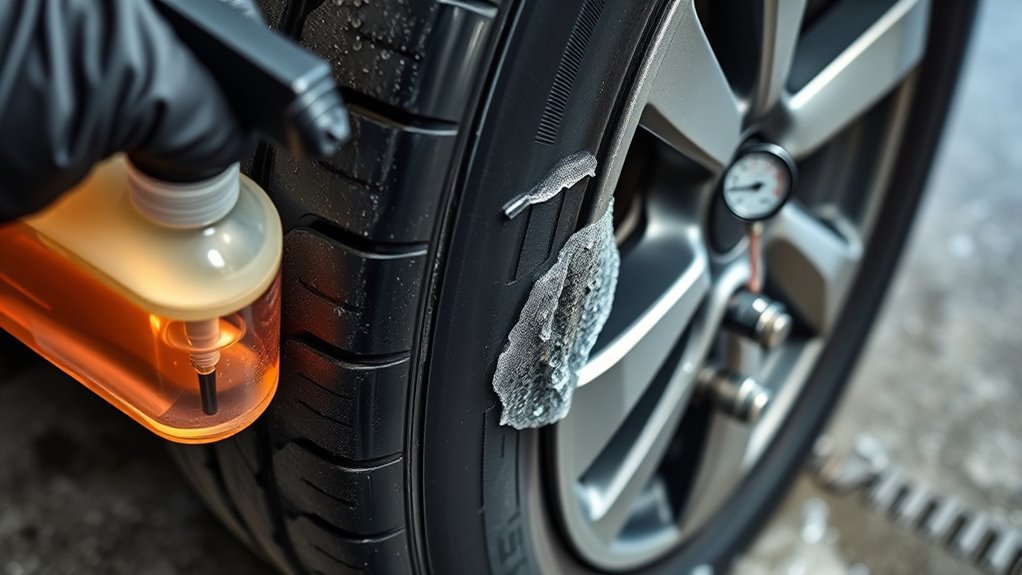
Rubber and metal valve stems can both work well when they match the wheel, TPMS sensor, and service kit. The best choice is the correct OEM-compatible part, not simply “rubber” or “metal.”
- Rubber snap-in stems: Common, affordable, and resistant to some corrosion problems, but they can crack, harden, or tear with age, heat, UV exposure, road chemicals, or improper installation.
- Metal clamp-in stems: Often used with TPMS sensors and some alloy wheels. They can be sturdy, but the nut, washer, grommet, and cap must be compatible and corrosion-resistant.
- Aftermarket wheels: Wheel hole size, sensor angle, and stem type matter. A stem that seals on one wheel may not seal correctly on another.
- Service kits: When a tire is removed from the wheel, TPMS service parts such as seals, washers, nuts, valve cores, caps, and sometimes stems should be renewed. NAPA Echlin’s TPMS service kit guidance recommends replacing these parts whenever the tire is removed from the wheel.
If you are replacing a full TPMS valve assembly on a RAV4, match it by VIN, model year, wheel type, frequency, and sensor style. A tire shop or Toyota dealer can confirm whether the transmitter ID must be registered after replacement.
Key Indicators of Valve Stem Damage in RAV4 Tires
Valve stem damage is usually visible or repeatable. Look for these signs before assuming the tire itself is bad:
- Cracks in the rubber: Bend the stem gently by hand only enough to inspect it. Do not force it. Cracking near the base is a strong replacement sign.
- White corrosion on metal parts: Powdery buildup around a metal stem, nut, or cap can prevent a proper seal.
- Missing cap: Dirt and moisture can reach the valve core and interfere with sealing.
- Stem sits crooked: A tilted stem can indicate impact damage, wheel damage, or poor installation.
- Pressure drops after every refill: If the same tire loses pressure again within a day or two, test it with soapy water.
- TPMS warning returns after inflation: Correct the pressure first, then investigate for a slow leak if the warning comes back.
A TPMS light is an alert, not a diagnosis. The leak could be at the valve stem, valve core, tire tread, bead seal, wheel, or TPMS sensor seal.
Quick Inspection Tips for Valve Stems
Make valve stem checks part of your normal tire-pressure routine. The check takes less than a minute per tire.
- Check the cap: Make sure each valve has a clean, snug cap. Replace cracked or missing caps.
- Look before you spray: Check for cracks, corrosion, bending, or fresh damage near the stem.
- Use soapy water: Spray the valve tip, stem base, and rim edge. Watch for bubbles that keep growing.
- Use a gauge: A tire can look normal even when it is underinflated. Measure pressure instead of guessing.
- Do not overtighten: If the core is leaking, use a TPMS-safe valve core driver. Dorman lists a preset 3.9 in-lb valve core driver for controlled installation, which shows how light the torque should be.
Note: If the TPMS light flashes for about a minute and then stays on, that can indicate a TPMS system malfunction rather than ordinary low pressure. Check the owner’s manual and have the system scanned if the light pattern continues.
How Weather Impacts Valve Stem Integrity
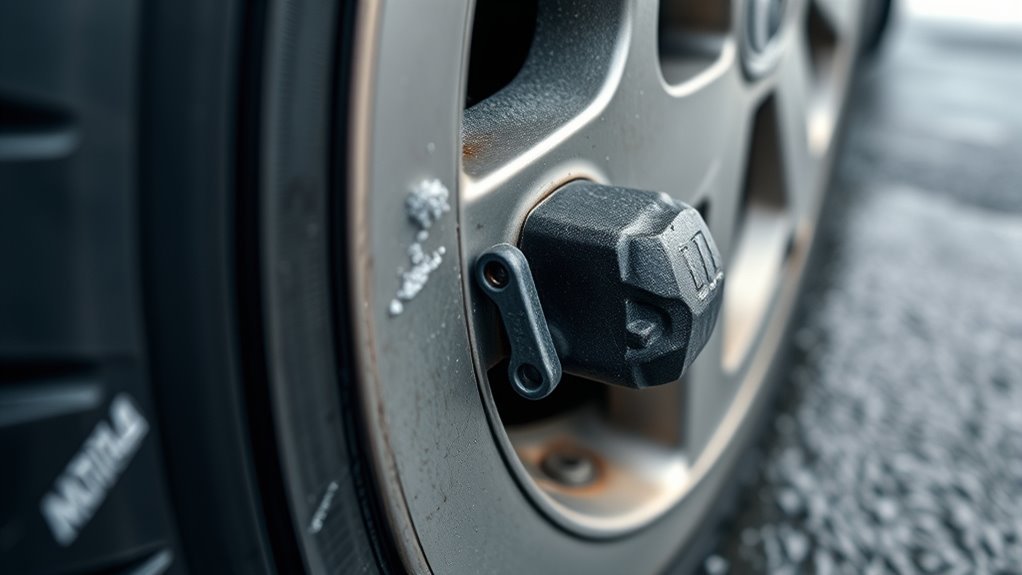
Weather affects both tire pressure and valve-stem condition. Cold weather lowers tire pressure, while heat, UV exposure, road salt, and moisture can speed up wear around the valve area.
[Products Worth Considering]

The AstroAI 2 pack air chucks provide a heavy-duty, closed-flow locking design that helps keep air flowing during inflation while securely attaching to the valve stem. Built with 250 PSI rated brass components and compatible with Schrader valves, they feature 1/4" female NPT threads for a wide fit with common inflators. The straight tip and locking clip make filling tires and monitoring pressure more convenient.

These universal aluminum tire valve stem caps help protect valve cores from corrosion caused by dirt, water, and snow while helping prevent air leaks to maintain steady tire pressure. They’re easy to install with a simple screw-on fit and are suitable for cars, SUVs, trucks, bicycles, motorcycles, and other vehicles. The stylish black caps add a clean, standout look to your wheels while supporting reliable long-term performance.
Temperature Fluctuations Effects
Temperature swings can make an existing slow leak easier to notice. A marginally low tire may trigger the TPMS light on a cold morning, then look normal later after driving warms the tire. That does not mean the issue disappeared; it means you should check the cold pressure with a gauge.
- Cold weather can reveal marginal underinflation.
- Heat and sunlight can harden older rubber stems.
- Repeated expansion and contraction can worsen small cracks.
- Seasonal pressure checks help catch slow leaks early.
UV Exposure Risks
Rubber valve stems sit outside the wheel and face sunlight, heat, ozone, and road grime. Over time, that exposure can make rubber less flexible. During tire rotations or oil changes, ask the technician to inspect the stem condition, especially if your RAV4 is parked outside most of the time.
Moisture Accumulation Concerns
Moisture, road salt, and dirt can collect around the valve cap, valve core, and metal stem hardware. This is why the small cap matters. It helps keep contaminants away from the valve core and reduces the chance of dirt-related air loss.
- Replace missing caps quickly.
- Avoid forcing stuck metal caps because the stem can break.
- Use plastic caps unless the wheel or TPMS manufacturer specifies otherwise.
- After heavy winter driving, rinse road salt from wheels when practical.
DIY Solutions for Fixing a Leaking Valve Stem
Some valve leaks are safe DIY jobs. Others are not. The key is where the bubbles appear.
| Leak Location | DIY? | What to Do |
|---|---|---|
| Valve tip / center pin | Usually yes | Gently tighten the valve core or replace the core and cap. |
| Valve stem base | Usually no | Have a shop replace the stem, TPMS seal, or service kit. |
| Tire bead / rim edge | No | The tire must be dismounted, cleaned, resealed, or the wheel inspected. |
| Tread puncture | Sometimes | Use a proper inside patch-plug repair when repairable; do not plug sidewall damage. |
For a simple valve-core leak, follow these steps:
- Park on a flat surface, set the parking brake, and let the tire cool.
- Remove the valve cap and spray soapy water on the valve tip.
- If bubbles form at the tip, use a valve core tool to gently snug the core. Do not force it.
- If it still leaks, deflate the tire safely, remove the old valve core, and install a new compatible core.
- Inflate the tire to the correct cold pressure listed on the door placard.
- Spray the valve again. No bubbles should appear.
- Install a clean valve cap and recheck the tire pressure the next day.
Do not use tire sealant as a routine valve-stem fix. Sealant can contaminate TPMS sensors and may create extra cleaning or replacement costs.
When Should You Call a Pro for Valve Stem Problems?
Call a tire shop or qualified technician when the leak is not clearly limited to the valve core. Professional help is the safer choice if you notice:
- Bubbles at the base of the valve stem.
- A cracked, torn, or tilted valve stem.
- Corrosion on metal valve hardware.
- A leak at the tire bead or rim edge.
- A damaged wheel, sidewall bulge, cut, or exposed cords.
- A TPMS light that flashes before staying on.
- A tire that loses air fast enough to become unsafe before the next drive.
- A replaced tire pressure warning valve or transmitter that needs ID registration.
A shop can dismount the tire, inspect the wheel, replace the correct TPMS service kit, torque the valve hardware correctly, rebalance the wheel if needed, and confirm the TPMS system is reading properly.
Preventative Measures to Extend the Lifespan of Valve Stems
Preventing valve stem leaks is mostly about clean parts, correct pressure, and proper tire service.
- Check pressure monthly: The NHTSA TireWise tire safety page recommends monthly cold-pressure checks, even on vehicles with TPMS.
- Keep caps installed: Valve caps help keep dirt and moisture away from the valve core.
- Inspect during tire rotations: Ask for a quick valve stem and TPMS hardware check when the tires are rotated.
- Replace service parts during tire service: When the tire comes off the wheel, replace the appropriate TPMS seals, washers, nuts, valve cores, caps, or stems.
- Use compatible parts: Match valve stems and TPMS service kits to the wheel, sensor, and vehicle application.
- Avoid harsh handling: Do not bend the stem sharply, force stuck caps, or use pliers on TPMS hardware unless you are replacing the part.
- Fix slow leaks early: A small valve leak can become a roadside problem if ignored.
Frequently Asked Questions
How do I check if a RAV4 valve stem is leaking?
Inflate the tire to the correct cold pressure, remove the valve cap, and spray soapy water on the valve tip and stem base. Bubbles at the tip usually mean the valve core is leaking. Bubbles at the base usually mean the stem, seal, or TPMS service hardware needs replacement.
Can a valve stem leak cause the TPMS light to come on?
Yes. If a valve stem leak lowers tire pressure enough, the TPMS warning light can come on. However, the light only tells you pressure is low or the system has an issue; it does not identify whether the leak is from the valve stem, tread, bead, rim, or TPMS sensor seal.
Can I replace just the valve core?
You can replace the valve core if the leak is at the valve tip. Use a compatible valve core and a TPMS-safe core tool. If the leak is at the stem base, wheel, bead, or sensor seal, replacing only the core will not fix the problem.
Do I need to reset the RAV4 TPMS after fixing a leak?
Only reset or initialize the TPMS after the leak is fixed and all tires are set to the correct cold pressure. If a tire pressure warning valve or transmitter is replaced, the new sensor ID may need to be registered with the vehicle.
Are metal valve stems better than rubber valve stems?
Not always. Metal stems can be durable, but they can corrode or leak if the wrong hardware is used. Rubber stems are common and reliable when fresh and properly installed. The best choice is the valve stem or TPMS service kit that matches your RAV4’s wheel and sensor design.
Is it safe to drive with a leaking valve stem?
A very slow leak may allow you to drive carefully to a nearby tire shop after inflating the tire, but do not drive on a tire that is visibly low, rapidly losing air, or damaged. Low tire pressure can overheat the tire, damage it, and reduce vehicle control.
Conclusion
A leaking RAV4 valve stem is usually easy to confirm, but it is important not to guess. Start with a cold tire-pressure check, then use soapy water on the valve tip, stem base, bead, and tread area. If bubbles appear at the valve tip, a valve core and cap may solve it. If bubbles appear at the stem base or rim, have the tire professionally serviced. Fixing the leak early protects the tire, helps the TPMS work correctly, and keeps your RAV4 safer on the road.
Sources
- Toyota Support — How the Tire Pressure Monitor System works — TPMS warning behavior and low-pressure response.
- Toyota Owners — RAV4 tire inflation pressure — correct inflation and valve cap guidance.
- NHTSA TireWise — monthly cold-pressure checks, tire safety, and TPMS maintenance context.
- eCFR 49 CFR 571.138 — federal TPMS performance requirements and significant-underinflation warning standard.
- NAPA Echlin TPMS Service Kits — TPMS service parts to replace when a tire is removed from the wheel.
- Dorman Valve Core Driver Tool — valve core tool purpose and light torque guidance.

Related Articles

Toyota RAV4 TPMS Reset: Easy Steps That Work
Unlock the secrets to resetting your Toyota RAV4's TPMS effortlessly—discover the essential steps to ensure your tires are always safe.
Read More
Toyota RAV4 Tire Rotation: DIY Steps & Pattern
Take control of your Toyota RAV4's tire maintenance with our simple DIY rotation guide—discover the best steps for optimal performance and longevity!
Read More
Mix Tire Brands on a Toyota RAV4? Expert Guide
Keeping your RAV4 safe? Learn when mixing tire brands risks traction, ABS/TCS and AWD damage — and what exact matches you must insist on.
Read More