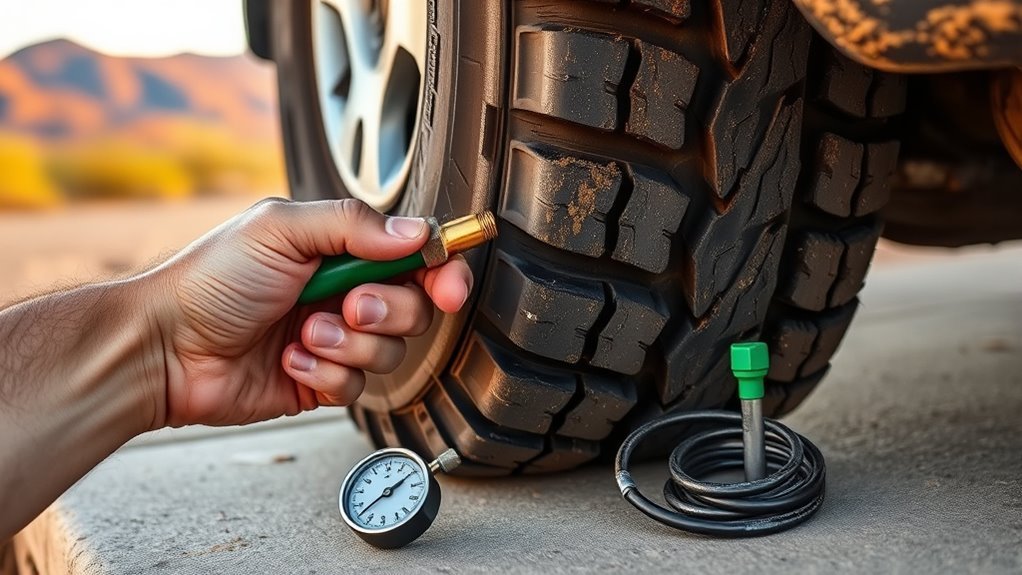
A slow leak at your 4Runner’s valve stem can look harmless at first: one tire drops a few PSI, you refill it, and the warning light stays quiet for a while. Do not ignore it. A leaking valve core, hardened rubber seal, corroded TPMS stem, or damaged base gasket can turn into a flat tire, uneven tire wear, poor handling, or a roadside stop.
Quick Answer
A 4Runner valve stem leak usually shows up as slow, repeat pressure loss in one tire. Confirm it with a soapy water test: bubbles at the valve core, stem base, or TPMS nut show where air is escaping. Replace a valve core if that is the only leak; use a tire shop for TPMS stem, seal, or sensor work.
Key Takeaways
- Check tire pressure with a gauge at least monthly and when the tires are cold; do not rely only on the TPMS light.
- Use soapy water on the valve core, stem base, tire bead, and tread to separate a valve leak from a puncture.
- A leaking valve core may be a simple repair, but a TPMS valve stem or sensor seal usually requires the tire to be separated from the wheel.
- Use TPMS-compatible caps and service parts. Cheap metal caps can seize on some aluminum TPMS stems.
At a Glance
| Time Required | 5–10 minutes to diagnose with soapy water; longer if the wheel needs TPMS service, tire dismounting, balancing, or relearn work. |
| Difficulty | Easy for leak detection; moderate to advanced for full TPMS valve stem replacement. |
| Tools Needed | Tire pressure gauge, spray bottle, dish soap and water, valve core tool, TPMS-compatible service parts, torque driver, and tire-mounting equipment for full stem or sensor service. |
| Cost | A valve core or service kit is usually inexpensive; full TPMS sensor replacement can cost much more because it may include labor, balancing, programming, and a new sensor. |
Is Your 4Runner Safe to Drive? Valve Stem Leak Safety Check
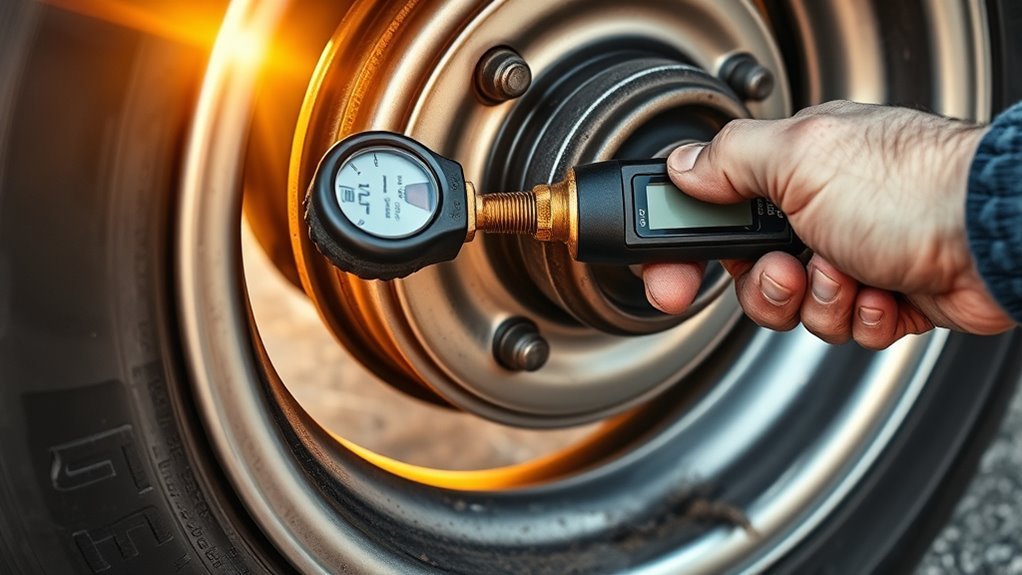
Your first job is not to replace parts. It is to decide whether the tire is safe enough to drive on. Find the correct cold tire pressure on the driver-door tire placard or in the Toyota 4Runner owner’s manual, then check the tire with a reliable gauge before driving.
If one tire keeps dropping while the others stay stable, treat that tire as suspect. A valve stem leak can reduce pressure slowly enough that you do not notice it by eye, but low pressure still increases heat, tire flex, wear, and handling problems. The National Highway Traffic Safety Administration warns that poor tire maintenance can lead to flats, blowouts, or tread separation.
Warning: Do not keep driving if the tire is visibly low, loses pressure again soon after inflation, has sidewall damage, or cannot hold the manufacturer’s recommended cold pressure. Install the spare or have the vehicle towed to a tire shop.
A solid safety check takes only a few minutes:
- Check all four tires and the spare when they are cold.
- Compare the leaking tire against the pressure shown on the door placard, not the maximum PSI molded into the tire sidewall.
- Look for cracks, cuts, missing caps, bent stems, corrosion, or a loose valve core.
- Run the soapy water test before replacing parts.
TPMS Valve Stem Leak Symptoms: Slow Pressure Loss Explained
A 4Runner valve stem leak often starts as a nuisance. You air up the tire, drive for a few days, and the same corner is low again. That pattern points toward a slow leak at the valve core, TPMS seal, bead seat, or a small puncture.
The tire pressure monitoring system helps, but it is not a replacement for a gauge. U.S. TPMS rules are designed to warn drivers of significant under-inflation, and the federal performance threshold is tied to pressure that is 25% below the vehicle manufacturer’s recommended cold pressure or the applicable minimum in the standard. That means a tire can be low enough to matter before the warning light gives you the full story. See 49 CFR 571.138 for the federal TPMS rule.
Slow Leak Indicators
- One tire loses pressure faster than the others.
- The TPMS light comes on after temperature drops, highway driving, or several days of parking.
- You hear a faint hiss when the valve cap is removed.
- Soapy water bubbles at the valve core, stem base, TPMS nut, or rim hole.
- The tire holds air briefly after inflation, then drops again.
Common Leak Sources
Most valve-area leaks come from one of four places:
- Valve core: The small Schrader valve inside the stem may be loose, dirty, corroded, or worn.
- Rubber stem body: Standard snap-in rubber stems can crack, harden, or split with age and weather exposure.
- TPMS sealing grommet or base gasket: On many direct TPMS wheels, the sensor seals to the wheel with replaceable service parts.
- Wheel rim hole or bead seat: Corrosion or debris can create a leak that looks like a valve problem until you test the bead area.
Note: If the TPMS light flashes for about a minute and then stays on, that usually points to a TPMS malfunction rather than simple low tire pressure. Check the tire pressure first, then inspect or scan the sensors.
Valve Stem or Tire Puncture? The Soapy Water Test
The soapy water test is the fastest way to separate a valve stem leak from a puncture. Mix water with a few drops of dish soap in a spray bottle. Inflate the tire to the correct cold pressure, then spray the solution on each possible leak point.
- Spray the valve core: Remove the cap and spray the opening at the end of the stem. Bubbles here usually mean the core is leaking.
- Spray the stem base: Coat the area where the stem exits the wheel. Bubbles here point to a stem, grommet, or wheel-hole seal problem.
- Spray the TPMS nut or housing: On metal clamp-in TPMS stems, bubbles around the nut or washer indicate a sealing issue.
- Spray the bead: Run the spray around both sides of the tire where the tire meets the wheel. Bubbles here mean a bead leak, not a valve core leak.
- Spray the tread and sidewall: A nail, screw, or cracked rubber can leak somewhere away from the valve.
Pro Tip: Watch for fresh bubbles that keep growing. A few old soap bubbles sitting still are not the same as active air escaping.
If bubbles appear only at the valve core, a new valve core may solve the issue. If bubbles appear at the stem base, TPMS nut, bead, or sidewall, plan on tire-shop service.
DIY vs. Shop Repair: What’s Realistic for 4Runner Owners
You can diagnose a valve stem leak at home. You may also be able to replace a leaking valve core at home. Full valve stem or TPMS seal replacement is different because the tire usually has to be separated from the wheel to access the sensor and sealing parts.
Tool Requirements Check
For basic diagnosis and valve-core service, you need:
- Tire pressure gauge
- Dish soap and water
- Spray bottle
- Valve core removal tool
- Replacement valve core compatible with the stem type
For TPMS valve stem service, you may also need:
- Tire machine or safe bead-breaking equipment
- TPMS-compatible service kit
- Torque driver for valve nuts and cores
- Wheel balancer
- TPMS scan/programming tool, depending on model year and sensor type
TPMS Complexity Factor
On a direct TPMS setup, the sensor is mounted inside the wheel. The valve stem may be part of the sensor assembly or attached to it with a screw, nut, seal, or grommet. Forcing the stem from the outside can crack the sensor, strip threads, or create another leak.
TPMS service kits typically replace wear items such as the grommet, valve core, cap, washer, and retaining nut. Bartec explains that TPMS rebuild kits contain the components used to rebuild the sensor valve and are recommended when the tire or TPMS is serviced.
Time Cost Balance
| Repair Path | Best For | Main Risk |
|---|---|---|
| DIY leak diagnosis | Finding the leak before buying parts | Misreading old soap bubbles as an active leak |
| DIY valve core replacement | Bubbles only at the valve opening | Overtightening or using a non-compatible core |
| Professional TPMS service | Bubbles at the stem base, TPMS nut, sensor seal, bead, or rim hole | Higher cost, but lower chance of sensor damage |
Valve Stem Replacement Costs: From Basic Stems to TPMS Sensors

Costs vary because “valve stem replacement” can mean several different jobs. A simple valve core is not the same as a TPMS service kit, and a service kit is not the same as a new sensor.
| Part or Service | What It Fixes | Cost Notes |
|---|---|---|
| Valve core | Leak at the valve opening | Usually the cheapest repair; use the correct core for the stem type. |
| Standard rubber snap-in stem | Cracked or leaking non-TPMS stem | Often replaced during tire installation; many common TR413-style stems are rated for 65 PSI cold, but confirm the exact stem specification. |
| TPMS service kit | Leaking grommet, nut, washer, core, cap, or seal | Less expensive than a full sensor, but the tire normally must be dismounted. |
| Full TPMS sensor | Dead battery, broken sensor, corrosion, or failed transmitter | According to RepairPal, average TPMS sensor replacement can be several hundred dollars once parts and labor are included. |
Ask the shop whether the quote includes the service kit, tire dismounting, balancing, sensor programming, relearn, taxes, and disposal fees. That prevents a low parts price from becoming a surprise invoice.
[Products Worth Considering]

This 100-piece set of snap-in tubeless tire valve stems is designed for standard 0.453 in (11.5 mm) rim holes and helps maintain reliable, steady tire pressure. Made with ozone-resistant rubber and brass cores, the valves are built for durability and long-term use. Easy to install by hand, they support safe driving and are suitable for cars, light trucks, trailers, and more.
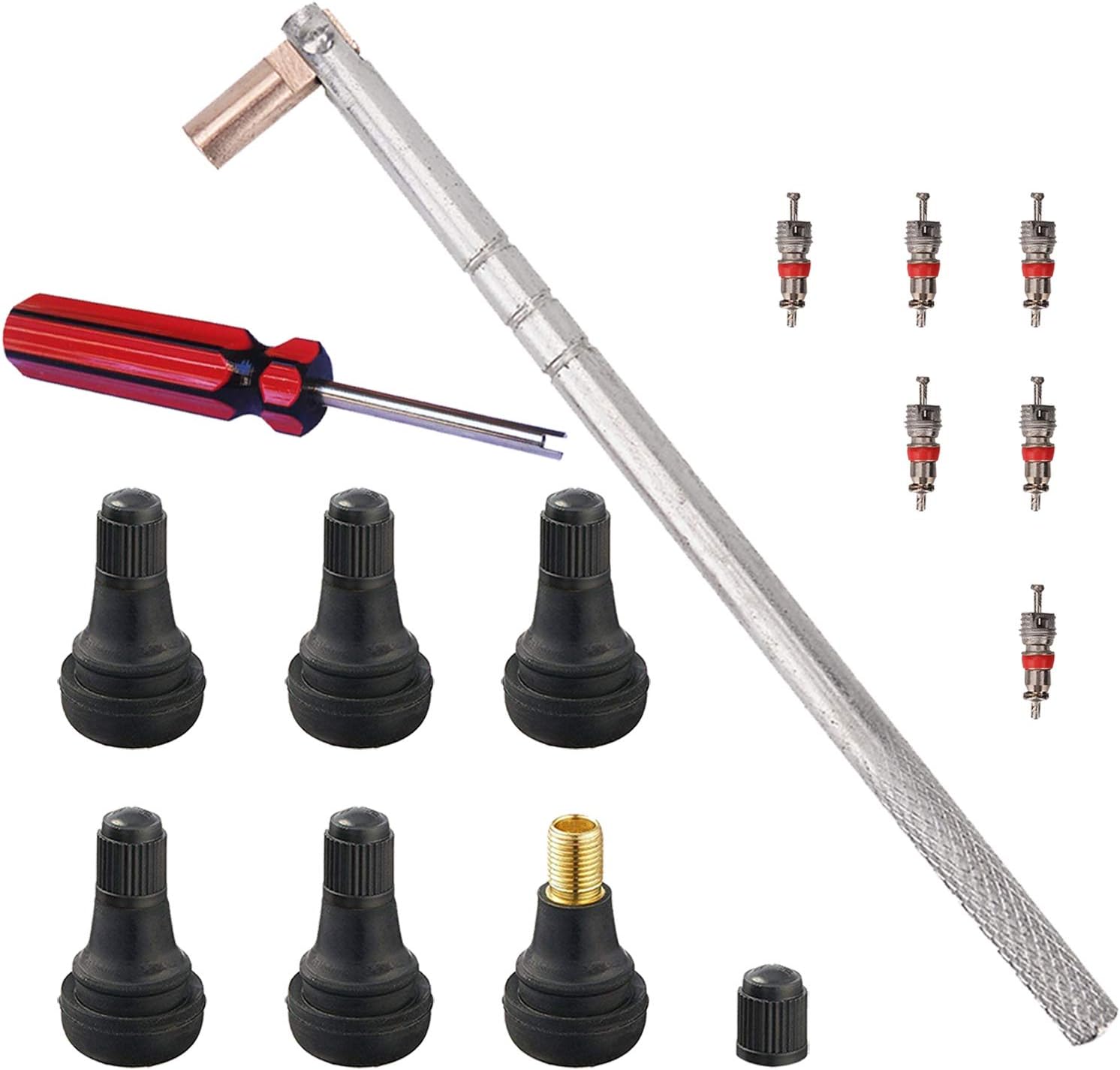
This FEBRYTOLD tire valve stem tool set makes it easy to remove and install standard 0.453 inch snap-in valve stems for tubeless tires. It includes valve stem cores and a single-head valve core remover/installer tool to help you complete repairs quickly. Designed to help avoid scratching wheels and damaging valve stems during service.

This Dr.Roc tire valve stem puller tools set helps install or remove snap-in tubeless valve stems safely and efficiently. It includes ozone-resistant EPDM snap-in valve stems, a valve stem installer, and a valve core remover for quick core removal or installation during tire service. Designed for reliable tubeless tire repair on motorcycles, ATVs, lawn equipment, cars, and trucks.
Rubber Stems vs. TPMS Metal Valves: What 4Runner Owners Must Know
The real choice is not simply rubber versus metal. The correct choice is the valve and sensor design that matches your wheel, sensor type, and model year.
- Standard rubber snap-in stems are simple and inexpensive, but they do not provide TPMS monitoring by themselves.
- TPMS rubber snap-in stems combine a rubber stem with an internal sensor assembly.
- TPMS metal clamp-in stems use a nut, washer, grommet, and sensor body inside the wheel.
Do not replace a factory TPMS stem with a plain non-TPMS rubber stem just to stop a leak. That may stop the air loss, but it disables tire-pressure monitoring for that wheel and can leave the warning light on.
Note: Use sealed plastic caps or caps specifically labeled TPMS-compatible. Avoid cheap metal caps on aluminum TPMS stems because dissimilar metals can corrode and seize.
[Products Worth Considering]
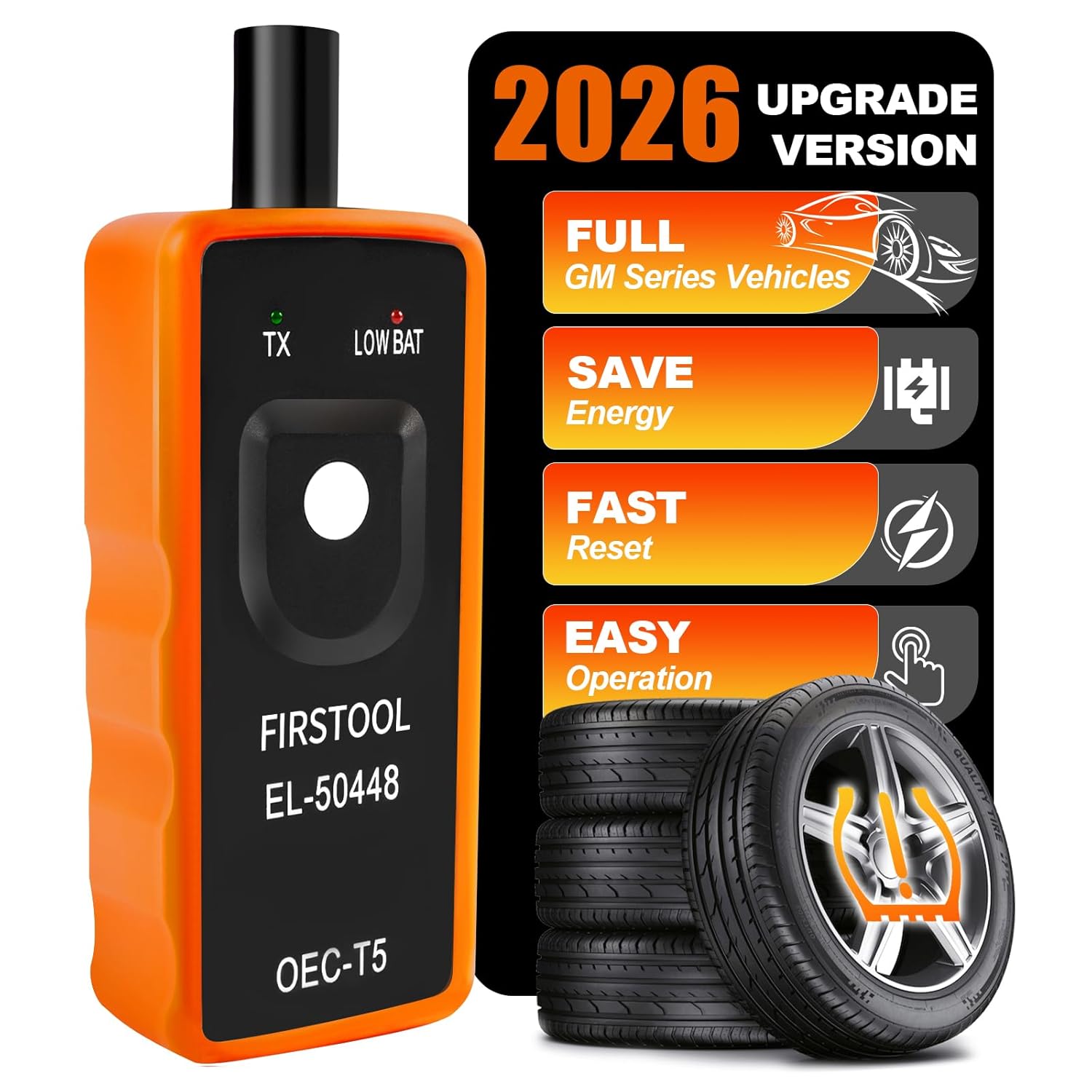
This TPMS relearn tool helps you quickly activate, match, and reset GM tire pressure sensors to keep the vehicle monitoring system working properly. It clears tire pressure alarms and dashboard warning lights after sensor replacement or tire rotation, and supports learning for common 315/433 MHz TPMS sensors. Designed for simple one-button operation, it can help you avoid unnecessary trips to repair shops.
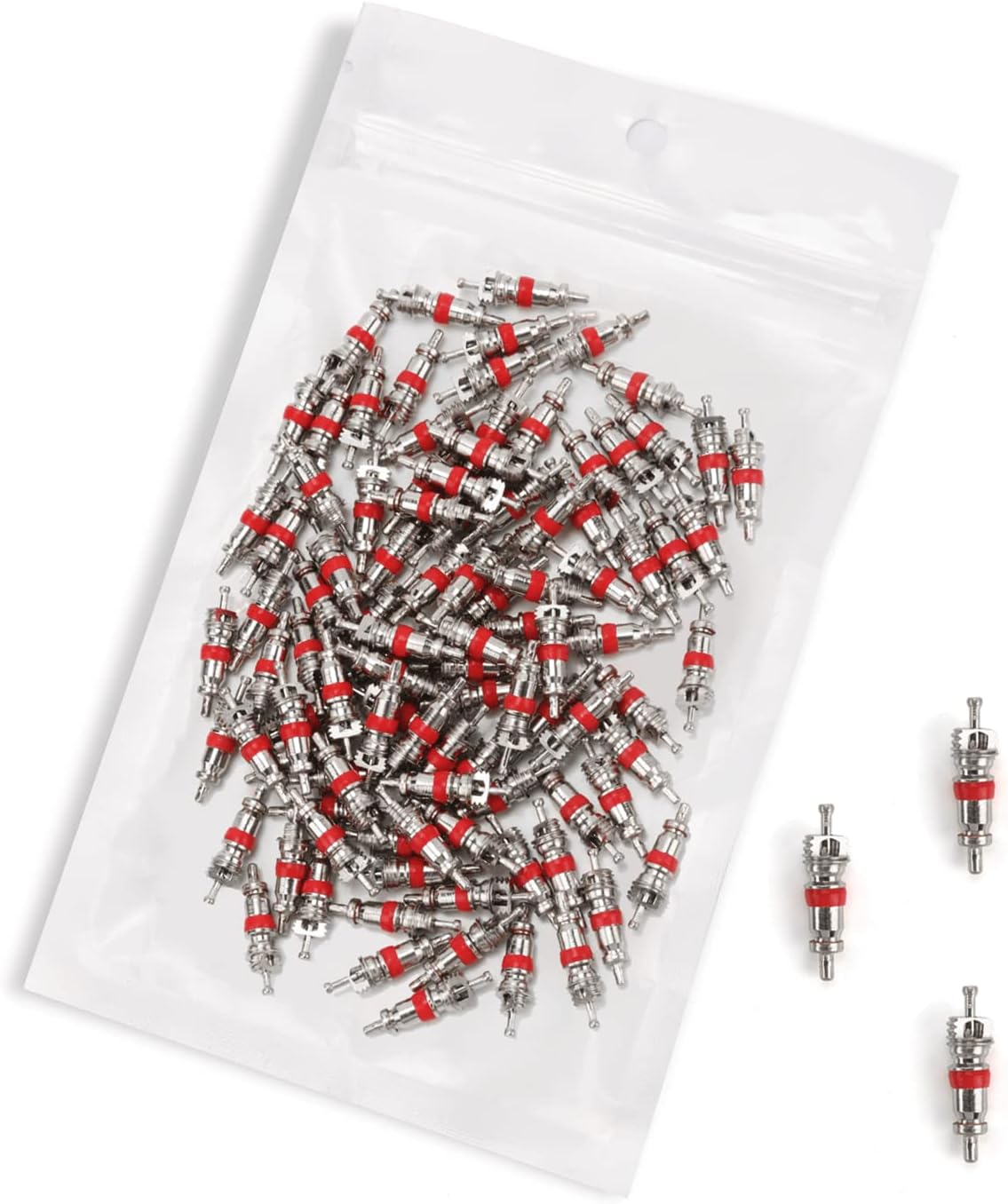
Replace worn Schrader valve cores with durable, nickel-plated replacements designed to resist rust and corrosion for a longer service life. Each core is 100% leakage tested and rated for up to 300 PSI, helping maintain a safe, reliable tire pressure system. Universal fit makes them suitable for cars, RVs, ATVs, motorcycles, bicycles, and many refrigeration/air conditioning applications.

Keep your tires performing with these valve core removal tools designed to quickly disassemble and reinstall standard valve cores. The compact, portable design makes it easy to carry for bicycle, motorcycle, car, or truck repairs. Durable stainless steel construction helps you handle routine tire maintenance with less hassle.
Replacing a 4Runner TPMS Valve Stem: Full Walkthrough
Only attempt a TPMS valve stem replacement if you can safely remove the wheel, separate the tire from the wheel, protect the sensor, and torque the new parts to the correct specification. Exact torque values vary by sensor and service kit, so use the Toyota service information or the TPMS kit instructions.
Warning: Do not pry on the TPMS sensor from outside the wheel. A cracked sensor housing, stripped nut, damaged grommet, or overtightened core can create a new leak or require full sensor replacement.
- Confirm the leak: Inflate the tire to the correct cold PSI and repeat the soapy water test.
- Remove the wheel: Park on level ground, secure the vehicle, and follow safe lifting procedures.
- Break the bead carefully: Keep bead-breaking tools away from the sensor location.
- Inspect the sensor and stem: Look for corrosion, cracks, bent threads, missing cap, loose core, or damaged gasket.
- Replace the correct parts: Use a TPMS service kit or compatible stem/sensor assembly for your 4Runner’s model year and wheel.
- Clean the sealing surface: Remove dirt and corrosion from the wheel’s valve hole without gouging the surface.
- Install and torque: Tighten the nut, screw, or valve core to the kit specification. Do not guess or overtighten.
- Remount and balance: Reinstall the tire, inflate it, and balance the wheel if the tire was dismounted.
- Leak-test again: Spray the valve core, base, and bead before reinstalling the wheel.
- Reset or relearn if required: Follow the Toyota owner’s manual or shop scan-tool process for your model year.
If any step sounds unfamiliar, the shop route is the safer route. Tire and TPMS work affects the only contact points your 4Runner has with the road.
[Products Worth Considering]
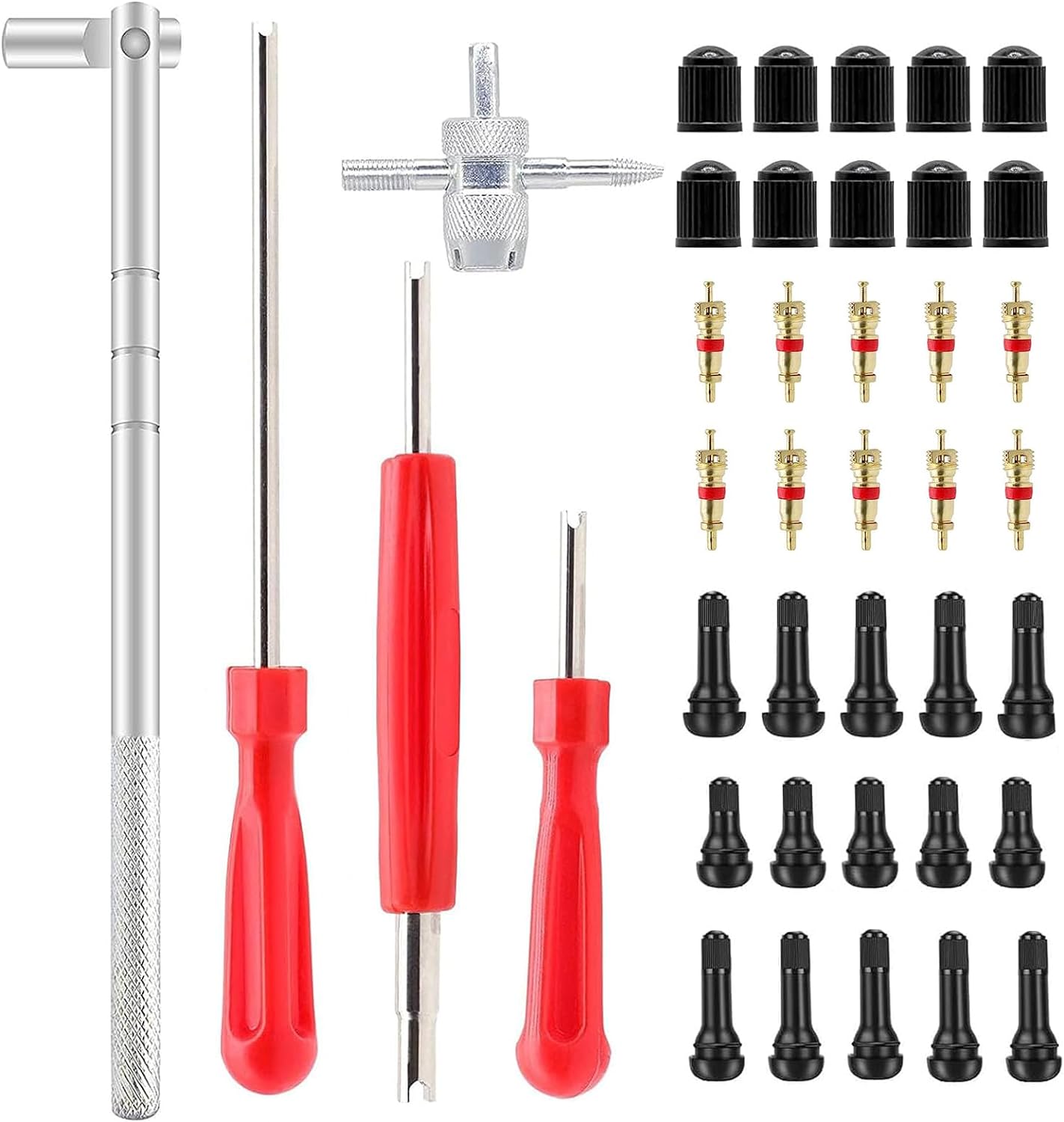
This ZHSMS valve stem puller and installer tool set makes it easy to remove and install tire valve stems without damaging wheels or valves. It uses a leverage design to save effort and includes valve stem tools plus removable valve core functionality for quick tire repairs. Compatible with tubeless tires for passenger cars, motorcycles, ATVs, off-road vehicles, and trucks.

Replace worn or malfunctioning GM TPMS sensors with this 433MHz pre-programmed sensor set designed for compatibility with many Chevrolet, Buick, GMC, and Cadillac models. It includes guidance for proper OBDII relearning/pairing after installation and supports reliable long-term operation with a high-performance CR2032 battery. Quality tested for durability and performance to help restore accurate tire pressure monitoring.

This multi-function tire valve stem removal tool set makes it fast to remove, install, bleed, and clean valve cores for easier tire maintenance. It includes valve core removers, a 4-way spool tool, replacement valve caps, and spare cores to handle replacements and repairs with confidence. Universal compatibility suits cars, trucks, motorcycles, bicycles, and more for roadside convenience.
Maintenance Habits That Prevent Repeat Leaks

Preventing repeat valve stem leaks is mostly about routine inspection and using compatible service parts.
- Check tire pressure monthly, before long trips, and before towing or carrying heavy loads.
- Check pressure when tires are cold, meaning the vehicle has been parked for several hours.
- Inspect valve stems during every tire rotation.
- Replace missing caps immediately with sealed plastic or TPMS-compatible caps.
- Ask for new valve stems or TPMS service kits when tires are replaced or dismounted.
- Do not use tire sealant unless it is approved for your tire and TPMS system; sealant can contaminate sensors.
- After off-road driving, wash mud and grit away from valve stems, beads, and wheels.
- Watch for corrosion if you drive in road salt, sand, mud, or coastal humidity.
TPMS is a warning system, not a maintenance plan. A gauge, a monthly check, and a quick valve-stem inspection catch many leaks before the warning light ever becomes urgent.
When to Replace Valve Stems: Tire Change Intervals & Warning Signs
Replace or service valve stems proactively when the tire is already off the wheel. That is the easiest time to install fresh sealing parts and avoid paying later to dismount the tire again.
Replace the stem, service kit, or sensor if you notice:
- Bubbles at the stem base during the soapy water test
- Cracked, brittle, or bent rubber
- White or green corrosion around a metal TPMS stem
- A missing cap that allowed dirt or water into the valve
- A loose or leaking valve core that will not reseal
- Repeated TPMS warnings from the same tire
- A sensor battery failure or a sensor that no longer communicates
Discount Tire notes that TPMS rebuild kits include the wearable sealing parts for rubber or metal TPMS assemblies, while full sensor replacement may be needed for corrosion, sealant contamination, or weak/dead sensor batteries.
Frequently Asked Questions
Can you replace a rubber valve stem without removing the tire?
You can sometimes replace only the valve core from the outside, but replacing the full rubber valve stem normally requires breaking the tire bead or removing the tire from the wheel. TPMS stems usually require inside-wheel access so the sensor and seal are not damaged.
Is it safe to drive with a slow valve stem leak?
Only drive if the tire is holding the correct cold pressure and you are going directly for repair. Do not drive on a visibly low tire, a tire that loses pressure quickly, or a tire with sidewall damage. Use the spare or call for roadside help instead.
Do I need a full TPMS sensor or just a service kit?
If the sensor still communicates and the leak is at the grommet, nut, cap, core, or seal, a TPMS service kit may be enough. If the sensor is cracked, corroded, contaminated with sealant, or has a dead battery, the full sensor may need replacement.
Why does my 4Runner TPMS light flash and then stay on?
A TPMS light that flashes for about a minute and then stays on often indicates a system malfunction, such as a sensor communication problem. First check all tire pressures with a gauge. If pressures are correct, have the sensors scanned.
Are metal valve caps safe on TPMS stems?
Only if they are compatible with your TPMS stem material and have a proper seal. Many owners are better off using sealed plastic caps because cheap metal caps can corrode or seize on aluminum TPMS stems.
Will a regular rubber stem turn off my TPMS?
A plain non-TPMS rubber stem does not transmit tire pressure data. Installing one on a wheel that should have a TPMS sensor can disable monitoring for that wheel and leave the warning light on.
Conclusion
A 4Runner valve stem leak is small, but it deserves real attention. Start with a gauge and a soapy water test, then match the repair to the leak location. Replace a leaking valve core if that is the only problem. Use a TPMS service kit or professional tire service when the leak is at the stem base, TPMS nut, grommet, sensor, bead, or wheel surface. Keep the correct caps installed, check pressures monthly, and service valve stems whenever the tires are dismounted.
Sources
- Toyota 4Runner Owner’s Manuals — official owner manual access and vehicle-specific tire-pressure guidance.
- Toyota Tire Pressure Monitor Support — TPMS limitations and Toyota guidance to check pressure with a gauge.
- NHTSA Tire Safety — tire maintenance, inflation, and safety risks from poor tire care.
- 49 CFR 571.138 Tire Pressure Monitoring Systems — federal TPMS warning and malfunction requirements.
- Bartec TPMS Service Kits — TPMS rebuild/service kit components and service recommendations.
- Discount Tire TPMS Rebuild Kits — rebuild kit parts, sensor replacement reasons, and approximate TPMS battery life.