What Does a Bubble in Your Tire Mean? Safety Risks & What to Do
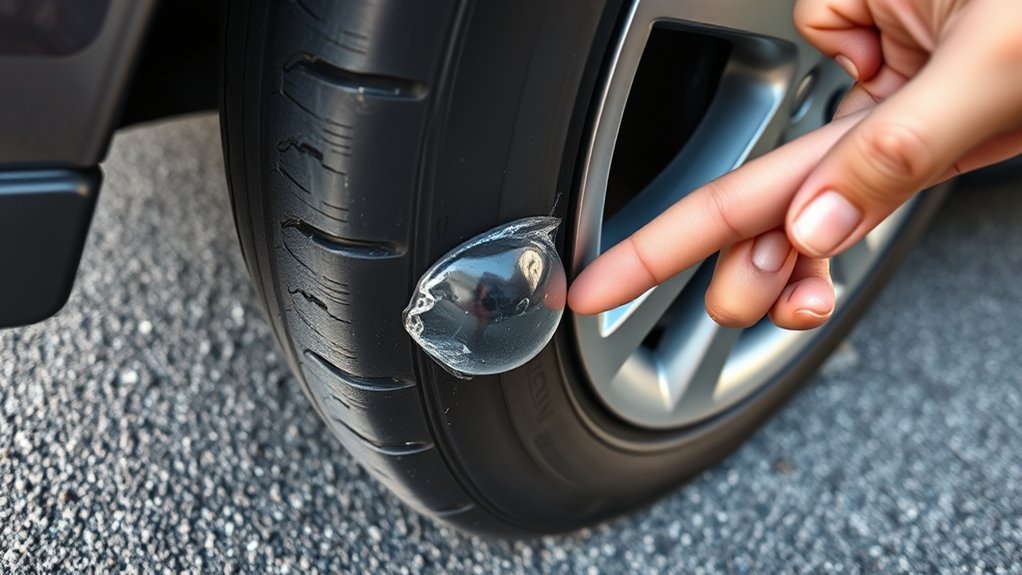
A bubble in your tire means the tire’s internal carcass is damaged, usually from impact, overloading, or underinflation. You shouldn’t drive on it, because the weakened sidewall can suddenly fail and cause a blowout. Stop driving, put on a spare, or tow the vehicle. A tire bubble can’t be repaired, so replacement is the safe fix. If you want the full breakdown, there’s more to know below.
Key Takeaways
- A tire bubble means the tire’s internal structure is damaged, usually from impact or a manufacturing defect.
- Driving on a bubbled tire is dangerous because it can suddenly blow out or lose pressure.
- Stop driving immediately and replace the tire; bubbles cannot be safely repaired.
- Use a spare tire or tow the vehicle to avoid further damage and reduce crash risk.
- Check for warranty coverage and inspect tire pressure, overloading, and road hazards to prevent future bubbles.
What Does a Bubble in Your Tire Mean?
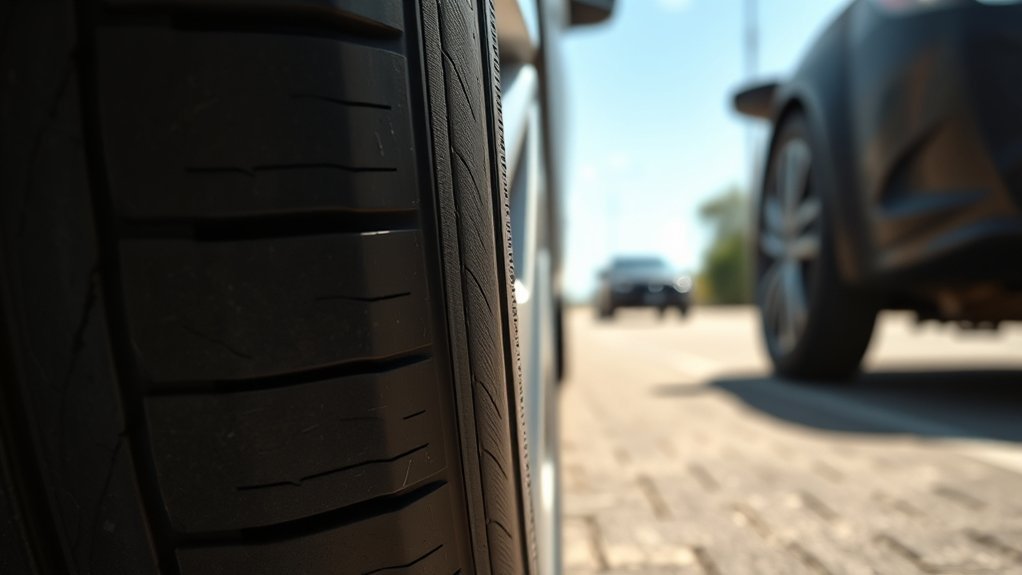
A bubble in your tire means the tire’s internal structure has been compromised, usually from impact damage like striking a pothole or curb. You’re seeing a localized separation in the carcass, and that bulge signals loss of structural integrity. In practical terms, a bubble in the tire can come from a manufacturing defect, but visible external damage usually points to impact as the cause. Either way, the tire won’t heal itself, and no reliable repair restores the damaged layers. You need a qualified technician to inspect it immediately and confirm whether tire replacement is required. If the defect appears without abuse, ask about warranty coverage. Don’t ignore the distortion or try to “watch it for now”; you deserve safe, controlled mobility, not hidden failure modes. Treat the bubble as a non-negotiable service issue, document it, and move toward tire replacement before the situation escalates. Additionally, carrying a reliable spare tire kit can provide peace of mind in case of emergencies.
Is a Tire Bubble Dangerous to Drive On?
Yes—a tire bubble is dangerous to drive on because it means the tire’s internal structure has failed, which sharply raises the risk of a blowout. You’re not dealing with a cosmetic defect; you’re facing a weakened carcass that can lose pressure or fail without warning. NHTSA links tire failures to about 11,000 crashes a year in the U.S., and that risk climbs when you keep driving on tire bubbles.
- Large bulges signal severe damage and unstable pressure retention.
- Sudden rupture can injure you, your passengers, and nearby drivers.
- A tire must be replaced once a bubble appears.
Treat any bulge as a structural fault, not a minor wear issue. The safest path is to stop using that tire as soon as possible and get an inspection. You keep control by acting on the evidence, not by gambling with it. Regular maintenance, including routine tire rotations, can help prevent issues like bubbles from developing.
What Should You Do Right Away?
If you see a bubble in your tire, stop driving immediately to reduce the risk of a blowout. Inspect the tire as soon as it’s safe, and don’t keep using it if the sidewall or tread is bulging. You should replace the tire right away, because a bubble means the internal structure has failed and can’t be repaired. Treadwear ratings can help you understand the importance of tire longevity and safety in your driving experience.
Stop Driving Immediately
Pull over and stop driving immediately when you spot a bubble in your tire, because it usually means the tire’s internal structure is damaged and could fail without warning.
A bulging tire can blow out, and tire failures cause about 11,000 U.S. crashes each year. Act fast:
- Park safely and shut the vehicle off.
- Use a spare or tow the car; don’t keep rolling.
- Get the tire replaced by a skilled technician.
BUBBLES aren’t cosmetic—they signal structural compromise, not a problem you can ignore. If you’re unsure, choose the safer path and have the tire inspected at a service center like Les Schwab or Jiffy Lube. Driving on a compromised tire puts you and others at risk, so protect your freedom by refusing unnecessary danger.
Inspect And Replace
Inspect the tire right away and replace it, because a bubble means the tire’s internal structure is compromised and can fail without warning. You can’t repair a tire bulge, so don’t gamble with a patch or delay. If you’ve got a spare, swap the damaged tire off the wheel and keep the vehicle out of service until a qualified technician checks it. Ask for a full inspection at a shop like Les Schwab or Jiffy Lube, where trained staff can confirm damage and fit a safe replacement. Regular tire inspections help you catch sidewall defects early, maintain roadworthy performance, and keep control in your hands. Act decisively: replace the tire now, and protect yourself, your passengers, and everyone sharing the road.
What Causes Tire Bubbles?
Tire bubbles usually form when the tire’s internal structure gets damaged or weakened, and the most common cause is a hard impact from potholes, curbs, or driving too fast over bumps. You’ll often see this failure on the tire sidewall, where the carcass layers separate and weak spots swell. Causes of tire damage like this are usually mechanical, not cosmetic.
- Impact loading: A sharp hit crushes internal cords and breaks the sidewall structure.
- Overload or low pressure: Too much weight or underinflation makes the tire flex excessively and build heat.
- Flat-tire driving or defects: Even brief driving on a flat, or a hidden manufacturing flaw, can trigger a bubble.
If you want control over your vehicle’s safety, treat any bulge as structural damage, not a surface issue. Inspect it immediately, reduce driving, and replace the tire before it fails. Additionally, regular rotations enhance longevity to prevent uneven wear that can lead to bubble formation.
Can a Tire Bubble Happen Without Visible Damage?
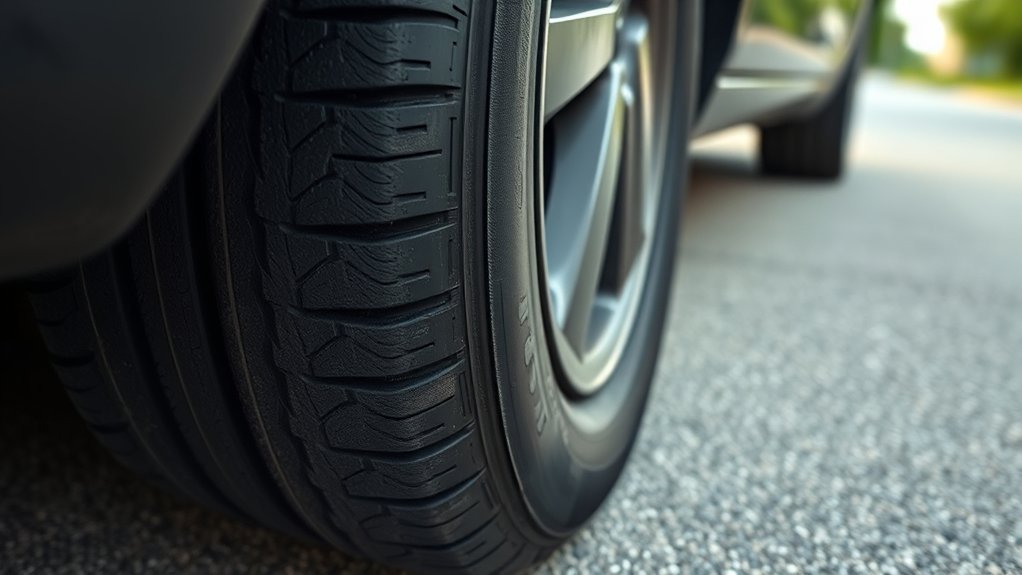
Yes—sometimes a tire bubble forms without any visible exterior damage because the problem starts inside the tire, such as from an internal manufacturing defect or a weakened structural layer. You may not see cuts, scuffs, or impact marks, yet tire bubbles can still develop as air and moisture work into the damaged internal structure. That hidden separation can grow until the sidewall or tread bulges outward. Because nothing obvious shows on the outside, you can’t assume the tire is sound.
Have a qualified technician inspect it soon. They can confirm whether the issue points to a defect rather than road impact, which may strengthen a warranty claim if the manufacturer covers it. Don’t keep driving to “see what happens.” A bubble means the tire’s integrity is compromised, and failure can happen without warning, putting you at serious risk of a blowout. Additionally, all-season tires are designed to provide reliable traction, but a bubble indicates that even the best tires can fail under stress.
Can You Fix a Bubble in a Tire?
No, you can’t fix a bubble in a tire. A bubble means the tire’s internal cords or belt package has failed, and no patch, plug, or sealant can restore that structure safely. If you keep driving, you raise the odds of a blowout and sudden tire failure.
Do this instead:
- Stop using the tire as soon as you spot the bubble.
- Inspect the tire pressure and look for impact damage from potholes, curbs, or hard bumps.
- Replace the tire and schedule a full inspection of the wheel and suspension.
A bubble can appear even without visible damage, including from a manufacturing defect, so don’t assume the tire’s fine because the tread looks normal. Regular inspections help you catch problems early and keep your ride safe. For you, that means protecting your freedom to drive without fear of an unpredictable failure. Additionally, maintaining proper tire pressure is crucial for preventing issues like bubbles from developing in the first place.
When Is Tire Replacement the Only Option?
If you spot a tire bubble, you need to replace the tire because the internal structure’s already compromised. You can’t repair sidewall bubbles, so the only safe option is a full replacement. Before you buy one, check your warranty coverage, since a manufacturing defect may qualify for a claim. Additionally, consider the performance-minded design of budget tires to ensure safety and reliability in various driving conditions.
Bubble Means Replace
A tire bubble means the tire’s internal structure has failed, and replacement is the only safe option. When you see a bubble means replace, don’t gamble with your freedom on the road. Impact damage from potholes or curbs can separate internal belts, and no patch restores that strength.
- Stop driving on it.
- Replace it immediately.
- Check your tire warranty.
Even if the sidewall looks clean, the hidden damage can still trigger a blowout. That risk isn’t abstract: tire failures contribute to thousands of crashes each year, according to NHTSA estimates. If the tire is relatively new, an authorized dealer may inspect it for a defect and determine whether tire warranty coverage applies. Regular pressure checks and inspections help you avoid premature bubbles, but once a bulge appears, replacement is the only practical, precise move.
No Sidewall Repairs
Sidewall bubbles aren’t repairable because the tire’s internal cords and plies have already failed, so replacement is the only safe option. Once you see one, the structure has lost integrity and you can’t restore it with patching, plugs, or heat. Bubbles usually signal hidden damage that can rupture without warning, especially at speed or under load. Driving further only raises the chance of a blowout and loss of control. The tire manufacturer’s guidance is clear: no sidewall repairs are permitted because the risk is too high. Inspect your tires regularly so you catch damage early, then replace the tire immediately. That’s the practical move that protects your freedom to drive confidently, without gambling your safety on a compromised casing.
Check Warranty Coverage
When a tire bubble shows up, replacement is usually the only safe option, but you should still check whether the tire qualifies for warranty coverage. A bulge signals internal carcass failure, and no repair restores that structure. If you didn’t hit a curb or pothole, the defect may reflect a manufacturing issue rather than damage due to misuse.
- Inspect the tire for cuts, scuffs, or impact marks.
- Have a qualified technician document the bubble and assess claim eligibility.
- Review your warranty terms, since coverage differs by manufacturer.
Don’t keep driving on the tire; a blowout can happen fast. Track mileage, rotate tires, and keep records, because maintenance helps preserve warranty rights and keeps you moving safely.
How Can You Prevent Tire Bubbles?
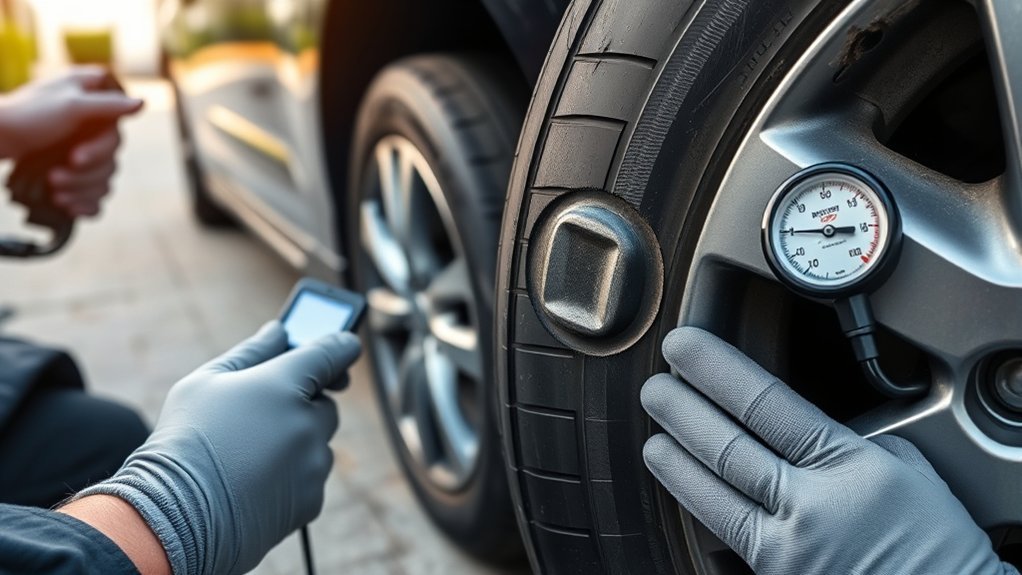
To prevent tire bubbles, you need to reduce the conditions that damage the tire’s sidewall and internal structure. Check your tires regularly with a tire pressure gauge and keep inflation within the manufacturer’s range; underinflation flexes the sidewall too much and weakens it. Watch for every road hazard, and steer clear of potholes, curbs, and speed bumps whenever you can, because sharp impacts can break cords and trigger a bubble. Load your vehicle within its rated capacity so you don’t overload the tires and stress the casing. Drive carefully on rough pavement or gravel, where cuts and bruises happen fast. Schedule routine tire inspections and rotations at a professional service center to catch wear patterns, alignment issues, and hidden damage before they spread. Consistent maintenance gives you more control, less risk, and longer tire life. Additionally, choosing low rolling resistance tires can enhance your vehicle’s fuel efficiency and overall performance.
When Should You Get A Tire Bubble Inspected?
Spot a bubble in your tire, and you should get it inspected immediately, because it means the tire’s internal structure is compromised and could fail without warning. Don’t wait for the tire bubble to grow; even a small bulge can hide severe cord damage. A prompt inspection protects you from blowout risk and keeps your vehicle under your command.
- Stop driving as soon as it’s safe.
- Schedule a professional inspection with a qualified technician.
- Replace the tire if the damage is confirmed.
The NHTSA links tire failures to about 11,000 crashes each year, so delay isn’t neutral—it raises danger for you, your passengers, and everyone on the road. Shops like Jiffy Lube or Les Schwab can check the tire’s sidewall, assess internal damage, and tell you whether repair or replacement is needed. Act fast, because mobility without safety isn’t freedom; it’s exposure. Additionally, dedicated winter tires significantly reduce the risk of tire failure in harsh conditions, making them a wise investment for winter driving.
Frequently Asked Questions
Is It Safe to Drive With a Bubble in the Tire?
No, it isn’t safe to drive with a bubble in your tire. You’re facing serious tire safety problems because the bulge means the tire’s internal structure has failed. That creates major driving risks, including a sudden blowout and loss of control. Don’t keep driving on it. Stop as soon as you can, inspect the tire, and replace it through a qualified technician to protect yourself and others immediately.
What’s the Difference Between a Bulge and a Bubble?
A bulge is the tire’s dramatic, swollen protest: you usually see it after impact damage, and it signals deeper sidewall failure. A bubble is a trapped-air pocket under the tread or outer layer, often from defect or separation. So, bulge causes usually point to road abuse; bubble effects can appear without visible trauma. You shouldn’t treat either lightly—both mean you need inspection and replacement now.
How Long Can You Go With a Bubble in Your Tire?
You can’t safely drive any distance with a bubble in your tire. Stop immediately and get it inspected or replaced, because the tire’s internal cords are already failing. Continuing even a short trip can trigger a blowout and compromise driving safety. For effective tire maintenance, treat a bubble as an urgent defect, not a future repair. You’re protecting your freedom, your passengers, and everyone around you by acting now.
Can a Tire With a Bubble Be Fixed?
No—coincidentally, when you notice a tire bubble, you’re already past the point of repair. A bulge means the tire’s internal structure has failed, and no patch or plug will restore it. For practical tire maintenance, you should replace it immediately. Follow strict safety precautions: don’t drive on it, avoid high speeds, and schedule a full replacement now. That’s the safest, most liberated choice for your vehicle and your control.
Conclusion
If you spot a bubble in your tire, treat it like a weak spot in a bridge: small on the surface, serious underneath. A sidewall bubble means the tire’s internal cords are damaged, and that can fail without warning. In one shop report, technicians found bubbles in tires with no obvious impact damage, proving why inspection matters. Don’t keep driving on it. Replace the tire or get it checked immediately to protect your safety.

Related Articles
What Does a Green Tire Cap Mean on Your Car? Full Guide
Mysterious green tire caps may reveal more than just nitrogen-filled tires—discover what they mean and whether it actually matters.
Read More
What Does a Plastic Bottle on Your Tire Mean? Explained
Suspicious plastic bottle on your tire? See what it could mean, why it’s probably not a theft trap, and what to check next.
Read More
What Does a Green Tire Cap Mean? Nitrogen Inflation Explained
Usually signaling nitrogen inflation, a green tire cap hints at longer-lasting pressure—discover when it matters and why you still should check it.
Read More