
Is a 285 Tire the Same as a 35? Size Comparison Explained
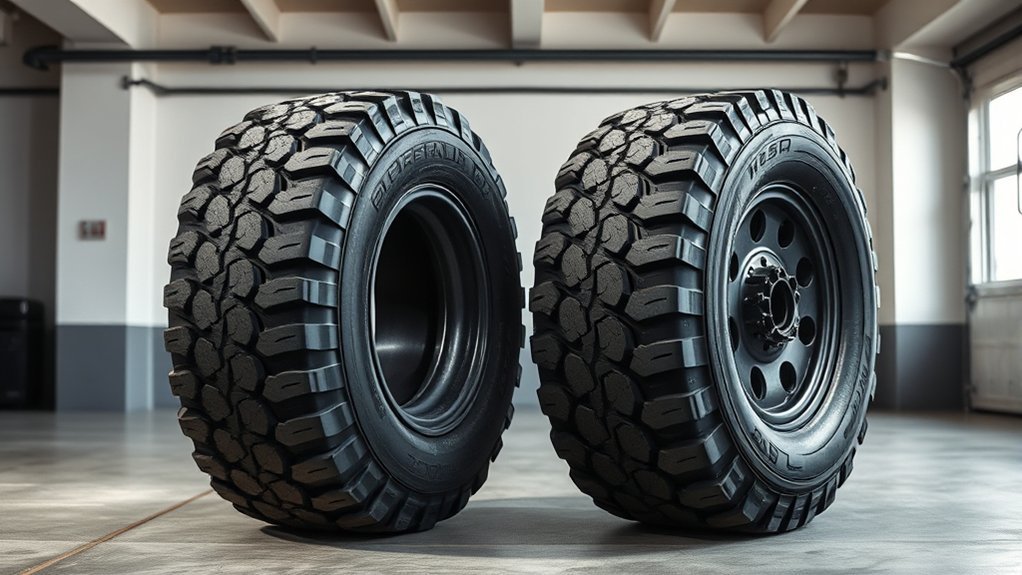
No, a 285 tire is not automatically the same as a 35-inch tire. The number 285 is the tire’s section width in millimeters, while 35 in a size like 35×12.50R17 is the tire’s nominal overall diameter in inches. A 285/75R17 calculates to about 33.8 inches tall and 11.2 inches wide, while a 35×12.50R17 is nominally about 35 inches tall and 12.5 inches wide. That difference can affect clearance, rubbing, speedometer accuracy, gearing, and steering feel.
Quick Answer
A 285 tire is not the same as a 35 unless the full size works out close to 35 inches. For example, a 285/75R17 is about 33.8 inches tall, while a 35×12.50R17 is nominally 35 inches tall and wider. Always compare the full size, not just “285.”
Key Takeaways
- 285 means the tire is 285 mm wide; it does not tell you the tire’s height by itself.
- A 285/75R17 calculates to about 33.8 inches tall and 11.2 inches wide.
- A 35×12.50R17 is nominally about 35 inches tall and 12.5 inches wide.
- A 35 usually needs more wheel-well room, more steering clearance, and more attention to wheel offset.
- The right choice depends on your vehicle, lift, rim width, load rating, gearing, and how much trimming you are willing to do.
285/75R17 vs 35×12.50R17: What’s the Difference?
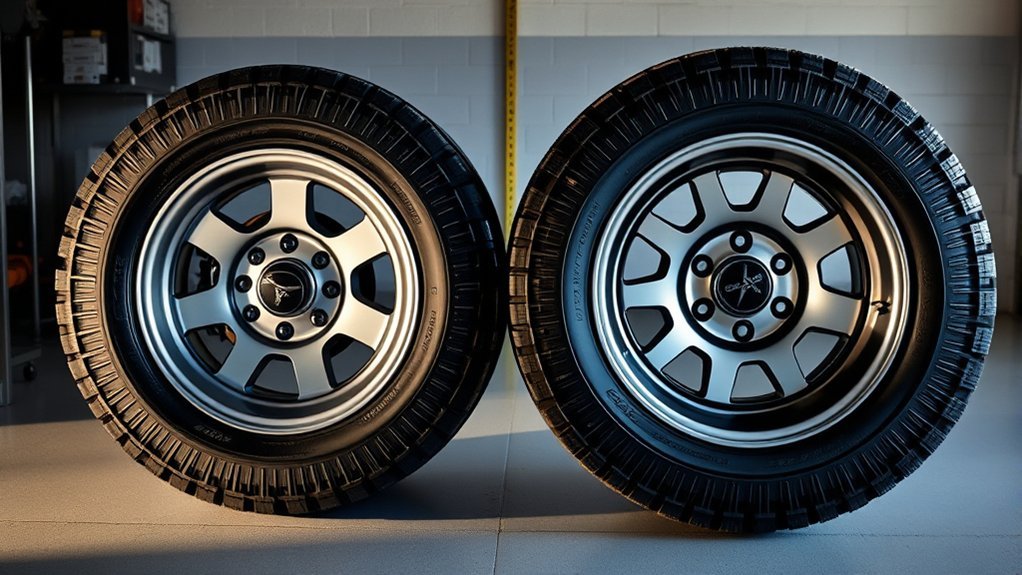
The main difference is that 285/75R17 uses metric sizing, while 35×12.50R17 uses flotation-style light-truck sizing. In a metric size, the first number is section width in millimeters, the second number is sidewall height as a percentage of that width, and the final number is the wheel diameter in inches. Tire Rack’s tire-size guide explains these sidewall markings in the same order: section width, aspect ratio, construction, and wheel diameter. Tire Rack
Using the standard calculation, a 285/75R17 is about 33.8 inches tall and 11.2 inches wide. A 35×12.50R17 is labeled as a 35-inch tire with a 12.5-inch section width. In real life, actual mounted dimensions can vary by brand, model, tread depth, rim width, air pressure, and load, so the manufacturer’s spec sheet matters.
| Size | Approx. Diameter | Approx. Width | Main Fitment Difference |
|---|---|---|---|
| 285/75R17 | 33.8 in | 11.2 in | Usually easier to fit with less rubbing risk |
| 35×12.50R17 | Nominal 35 in | 12.5 in | Taller, wider, and more likely to need clearance work |
Note: Tire labels are nominal. Always check the specific tire’s published overall diameter, section width, approved rim-width range, load index, and load range before buying.
[Products Worth Considering]

Keep your tires properly inflated with this analog VONDIOR tire pressure gauge, designed for fast, easy readings without batteries. The swiveling, two-axis hose and large glow dial help you measure at any tire angle with instant visibility. Built with a protective rubber shield, it supports durable, low-maintenance use for cars and trucks.

The SAFELIFE dial tire tread depth gauge measures tread depth in 1/32 inch increments with clear, easy-to-read 2-inch dial face. Color zones using a traffic light system help you quickly judge whether tread is low, marginal, or ample for safer driving. Built with a durable zinc cast body and a metal detect probe for precise, comfortable use across cars, motorcycles, trucks, and buses.

Measure tyre tread depth precisely with a digital gauge that reads in both MM and inches, helping you monitor safe driving conditions. The large LCD screen is easy to operate, and the compact tool fits for cars, trucks, and motorcycles. It provides high accuracy with a 0-25.4mm range and includes a 1-year warranty for added peace of mind.
How 285 Tire Sizes Convert to Inches
A 285 tire size converts to inches by using the full tire code, not just the number 285. The width is easy: 285 mm ÷ 25.4 = 11.2 inches. The height depends on the aspect ratio and rim diameter.
Use this formula for metric tire diameter:
Overall diameter = wheel diameter + 2 × (section width × aspect ratio ÷ 25.4)
For a 285/75R17, the sidewall is 75% of 285 mm. That gives a sidewall height of 213.75 mm, or about 8.4 inches. Double that sidewall height and add the 17-inch wheel, and the tire calculates to about 33.8 inches tall.
| Metric Tire Size | Calculated Diameter | Calculated Width | Common Shorthand |
|---|---|---|---|
| 285/70R17 | 32.7 in | 11.2 in | Closer to a 33 |
| 285/75R17 | 33.8 in | 11.2 in | Often called a 34 |
| 285/60R20 | 33.5 in | 11.2 in | Between 33 and 34 |
| 295/65R20 | 35.1 in | 11.6 in | Very close to a 35 |
Why a 285 Isn’t Exactly a 35
A 285 is not exactly a 35 because the two labels describe different things. The 285 in 285/75R17 describes width in millimeters. The 35 in 35×12.50R17 describes nominal overall tire diameter in inches.
- 285 = section width in millimeters.
- 75 = sidewall height as a percentage of width.
- R17 = radial tire for a 17-inch wheel.
- 35×12.50R17 = nominal 35-inch diameter, 12.5-inch width, radial construction, 17-inch wheel.
That is why a 285 tire can be close to a 33, 34, or 35 depending on the full size. A 285/75R17 is close to 34 inches, while a 295/65R20 is very close to 35 inches. The width number alone does not tell the whole story.
285/75R17 vs 35×12.50R17 Fitment
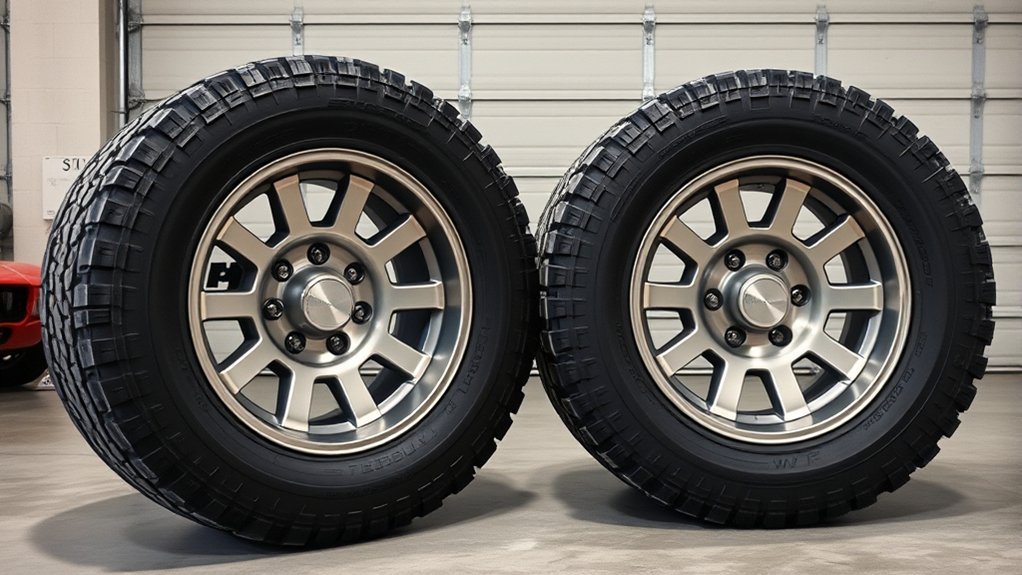
Fitment is where the difference becomes more than a number on the sidewall. A 35×12.50R17 is usually taller and wider than a 285/75R17, so it takes up more room in the wheel well. That can create rubbing at the fender liner, body mount, upper control arm, sway bar, mud flap, bumper edge, or inner wheel well.
A 285/75R17 often fits more easily because it is narrower and slightly shorter. You still need to check clearance, especially if your wheels have aggressive negative offset or if the suspension compresses hard off-road. A 35×12.50R17 usually gives more stance and ground clearance, but it may require a lift, trimming, different wheels, steering-stop adjustments, or other changes.
Warning: Do not choose a larger tire based on diameter alone. The tire must match the vehicle’s load needs, approved rim-width range, suspension clearance, and steering clearance. If you are moving away from the factory size, check the owner’s manual, door placard, and a qualified tire installer.
How Tire Width Affects Look and Clearance
Width changes both appearance and fitment. A 35×12.50 tire is about 1.3 inches wider than a 285 tire. That extra width can make the vehicle look more planted, but it also moves the sidewall closer to suspension parts and body panels.
Width and Stance
A wider tire usually creates a fuller wheel-well look and a more aggressive stance. It may also improve traction in some off-road situations because the footprint is broader. The trade-off is that a wider tire can add weight, increase rolling resistance, create more road noise, and make steering feel heavier.
- Wider footprint: more visual stance and possible traction gain.
- More sidewall bulge: greater chance of rubbing control arms or fender liners.
- More rotating mass: possible hit to acceleration, braking feel, and fuel economy.
- More steering load: heavier feel at low speeds, especially with larger off-road tires.
Clearance and Fitment
Clearance is not only about tire height. A wider tire can rub even when the diameter looks acceptable. Wheel offset and backspacing matter because they change where the tire sits. More negative offset pushes the tire outward, which may clear suspension parts but can increase rubbing at the fender and bumper. More positive offset tucks the tire inward, which may create contact with control arms or sway bars.
| Fitment Factor | Why It Matters | What to Check |
|---|---|---|
| Diameter | Changes height, gearing, and compression clearance | Top of wheel well, bumper edge, fender liner |
| Width | Changes side clearance and stance | Control arm, sway bar, frame, body mount |
| Offset/backspacing | Moves the tire inward or outward | Full-lock steering and suspension compression |
| Rim width | Affects sidewall shape and bead support | Tire manufacturer’s approved rim-width range |
| Load rating | Must support the vehicle and cargo safely | Load index, load range, door placard, owner’s manual |
How a 285 Tire Affects Handling
A 285 tire often feels more responsive than a wider 35×12.50 tire because it has less width and usually less mass. Steering can feel lighter, turn-in can feel quicker, and the vehicle may track better on narrow roads or rutted pavement. That is one reason many drivers choose 285/75R17 as a balanced upgrade instead of jumping straight to a 35.
The trade-off is that a 285 may not give the same wide stance, sidewall presence, or ground clearance as a 35. A 285/75R17 is also taller than many stock truck and SUV sizes, so it can still affect acceleration, braking, and transmission shift behavior. The change is usually milder than a full 35-inch upgrade, but it is still worth checking.
When a 285 Fits Like a 35
A 285 can visually fit like a 35 when the aspect ratio and rim size make it tall enough. The best example is 285/75R17, which calculates to about 33.8 inches. On the right vehicle, with the right tire model and wheel setup, it can fill the wheel well in a way that looks close to a smaller 35-inch tire.
However, “looks close” does not mean “measures the same.” A 35×12.50R17 is still usually taller and wider. If your clearance is already tight, the extra width of the 35 can be the deciding factor even more than the extra height.
[Products Worth Considering]

This metal-free wheel and tire cleaning brush uses dense, fluffy synthetic wool to safely clean rims, spokes, fenders, and engine areas without worrying about damaging surfaces. Its flexible, comfortable design helps you reach detailed areas while maintaining durability, and the extra absorbent fibers work well with wheel spray cleaners for faster cleanup. Reusable and washable performance helps prevent grime and build-up for cleaner vehicles and easier maintenance at home.

Measure tire tread depth quickly and accurately with this LUMITECO dial gauge that reads in 1/32" increments up to 14/32". The color-coded green/yellow/red zones make it easy to judge tire wear and know when replacement is needed. A rugged, compact design with a protective pouch helps keep the gauge ready for use on cars, trucks, motorcycles, and more.

Accurately measure tire tread depth with a calibrated gauge marked from 0 to 1 inch in 1/32 inch increments. The color-coded bar helps you quickly identify tread condition ranges, supporting safe driving for trucks, motorcycles, automobiles, and passenger vehicles.
Actual Diameter Difference
The calculated height gap between a 285/75R17 and a 35×12.50R17 is about 1.2 inches. Since half of that difference sits above the axle and half below it, the ground-clearance gain is roughly half the diameter increase before real-world tire deflection. That means the 35 may add about half an inch of axle clearance compared with a 285/75R17, depending on the actual tire model and pressure.
Fitment and Clearance
Fitment can make a 285 feel like the better “real-world” choice because it may clear where a 35 rubs. If you use the vehicle daily, tow, drive at highway speeds, or do not want to trim body parts, a 285/75R17 can be the cleaner option. If you want maximum stance and off-road height, a 35 can make sense, but you should plan the supporting changes before buying.
How To Check Clearance Before Buying
Before buying a 285 or 35-inch tire, measure your current setup and compare it with the target tire’s published dimensions. Do this with the vehicle on level ground, then check again at full steering lock. If possible, inspect clearance with the suspension compressed or flexed, because many rubbing problems only appear under load.
- Measure the gap from your current tire to the fender liner, bumper edge, mud flap, control arm, sway bar, body mount, and frame.
- Turn the steering wheel fully left and fully right, then recheck the tightest points.
- Compare your current tire’s diameter and width with the new tire’s published dimensions.
- Check wheel width, offset, and backspacing because they change where the tire sits.
- Confirm the new tire’s load index and load range meet or exceed your vehicle’s needs.
- Check whether your vehicle needs speedometer recalibration after the tire change.
- Ask a tire installer to test-fit if the clearance numbers are close.
Pro Tip: Do not rely only on forum photos. Two vehicles with the same tire size can rub differently because of wheel offset, alignment, lift height, bumper shape, worn suspension parts, and tire model.
Speedometer, Gearing, and Load Rating Checks
Moving from a 285/75R17 to a nominal 35-inch tire changes tire circumference. A 285/75R17 calculates to about 106.3 inches of circumference, while a 35-inch tire is about 110.0 inches. That is about a 3.5% increase. If your speedometer is calibrated for the smaller tire, the vehicle may be traveling faster than indicated after the upgrade.
Larger tires can also make the effective gearing feel taller. That may reduce engine rpm at cruising speed, but it can also soften acceleration, affect transmission shift points, and add strain when towing or climbing. Heavier tires can also increase braking distance and suspension workload.
Load rating matters too. NHTSA recommends using the correct tire size from the owner’s manual or the Tire and Loading Information Label on the driver’s door edge or post. NHTSA TireWise If you choose a non-stock size, make sure the replacement tire’s load capacity is suitable for your vehicle, passengers, cargo, and towing use.
Which Tire Size Should You Choose?
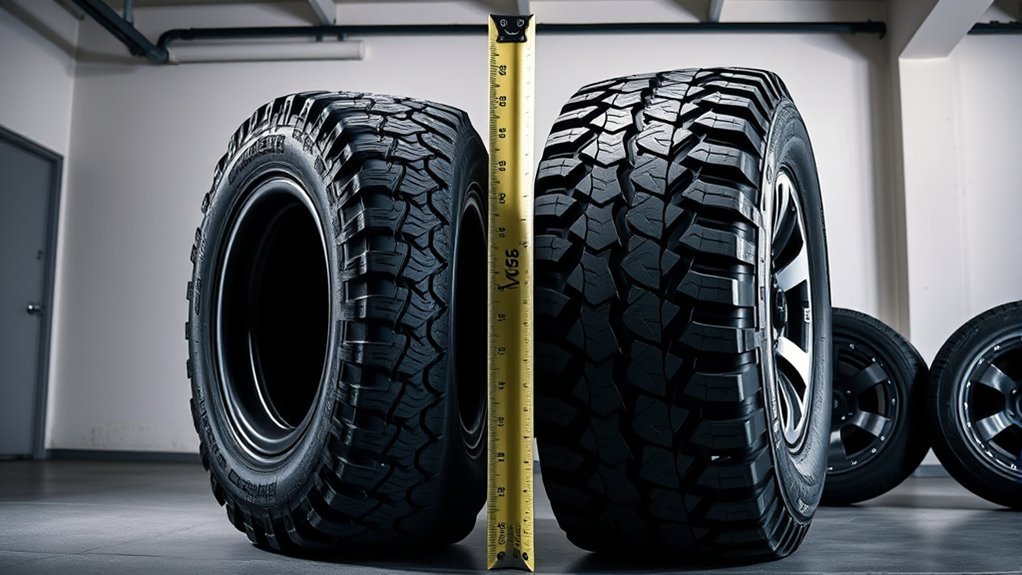
Choose a 285/75R17 if you want a strong upgrade that is easier to fit, lighter to steer, and less likely to require trimming. It is a good choice for daily driving, mild off-road use, and drivers who want more tire without creating a long list of fitment problems.
Choose a 35×12.50R17 if you want the bigger stance, wider footprint, and extra ground clearance, and you are ready to handle the fitment work. A 35 can be the better choice for aggressive off-road builds, but it often needs more supporting changes.
| Goal | Better Choice | Why |
|---|---|---|
| Daily driving with fewer fitment issues | 285/75R17 | Narrower, slightly shorter, and usually easier to clear |
| Maximum stance | 35×12.50R17 | Wider and more aggressive looking |
| Less rubbing risk | 285/75R17 | Less width and slightly less diameter |
| More off-road clearance | 35×12.50R17 | More nominal diameter and more sidewall presence |
| Lower cost and simpler setup | 285/75R17 | Often needs fewer supporting modifications |
Frequently Asked Questions
Is a 285 tire a 33 or 35?
It depends on the full size. A 285/70R17 is about 32.7 inches tall, so it is closer to a 33. A 285/75R17 is about 33.8 inches tall, so it is often treated like a 34. A 285 by itself only tells you width, not height.
How much bigger is a 35 than a 285/75R17?
A nominal 35-inch tire is about 1.2 inches taller than a 285/75R17 by calculated diameter. The 35×12.50R17 is also about 1.3 inches wider than a 285 tire. Actual differences vary by brand and model.
What is the difference between 285/60R20 and 35×12.50R20?
A 285/60R20 calculates to about 33.5 inches tall and 11.2 inches wide. A 35×12.50R20 is nominally 35 inches tall and 12.5 inches wide. The 35 is roughly 1.5 inches taller and 1.3 inches wider, so it needs more clearance.
Is a 295/65R20 a 35-inch tire?
A 295/65R20 calculates to about 35.1 inches tall and 11.6 inches wide, so it is very close to a 35 by calculated diameter. Still, check the tire maker’s published specs because real overall diameter can vary by tread design and construction.
Can I replace 285 tires with 35-inch tires?
You may be able to, but it is not always a direct swap. A 35 is usually taller and wider, so you need to confirm wheel well clearance, full-lock steering clearance, rim width, offset, load rating, and speedometer calibration before making the change.
Do 35-inch tires always need a lift?
Not always, but many vehicles need extra clearance, trimming, or a different wheel setup to run 35-inch tires without rubbing. The answer depends on the vehicle, suspension, wheel offset, tire model, and how much steering and suspension travel you use.
Conclusion
A 285 tire is not the same as a 35 unless the full metric size calculates close to 35 inches. A 285/75R17 is about 33.8 inches tall and 11.2 inches wide, while a 35×12.50R17 is nominally 35 inches tall and 12.5 inches wide. The 285 is usually easier to fit and better for simple daily-driver upgrades. The 35 gives more stance and clearance, but it also brings more rubbing risk, more weight, and more need for supporting changes. Before buying, compare actual manufacturer specs, check your vehicle’s tire placard, measure clearance at full lock, and confirm the tire’s load rating and rim compatibility.
Sources
- Tire Rack: How Do I Read My Tire Size On My Sidewall? — supports section width, aspect ratio, wheel diameter, and light-truck flotation size terminology.
- NHTSA TireWise — supports tire safety guidance, tire placard guidance, tire-size selection, and maintenance checks.
- European Tyre and Rim Technical Organisation — supports standardized tire and rim dimension context.
[Products Worth Considering]

Protect your spare wheel with a waterproof, dustproof tire cover made to resist sun and harsh weather. The elastic band design makes it easy to install and remove without tools, while reinforced stitching helps it keep its shape. Available in multiple sizes, it fits common RV, trailer, Jeep, SUV, and truck spare tires.

Clean grills, fenders, fender flares, bumpers, and wheel wells with a long-handled brush built for detailed car washing. The soft, triple-flagged bristles and dense scrub coverage help lift dirt gently while making coverage fast and easy. Use it with your favorite car wash soap for tires and exterior surfaces, and it also works for bike, motorcycle, boat, or RV cleaning.

ETENWOLF T300 is a calibrated digital tire pressure gauge for accurate readings from 3 to 200 PSI across light and heavy-duty vehicles. It includes thermal compensation for reliable performance in extreme cold or heat, with an auto shut-off to extend battery life and an LED for easier reading. The sturdy design supports rugged everyday use, making it ideal for pickups, RVs, and industrial applications.

Related Articles
How Oversized Tires Affect Your Transmission
Oversized tires strain your transmission more than you think, but the real damage they cause may surprise you.
Read More
Weight on Wheels Meaning: Why Unsprung Weight Matters
C**urious how weight on wheels affects speed, grip, and ride quality? Discover why unsprung weight can make or break your setup.
Read More
Caster, Camber, and Toe: Wheel Alignment Explained
I’m breaking down caster, camber, and toe—three tiny alignment angles that can transform your car’s handling, but one of them may surprise you.
Read More