
How Tall Is a 235 85 R16 Tire? Exact Height, Width & Dimensions
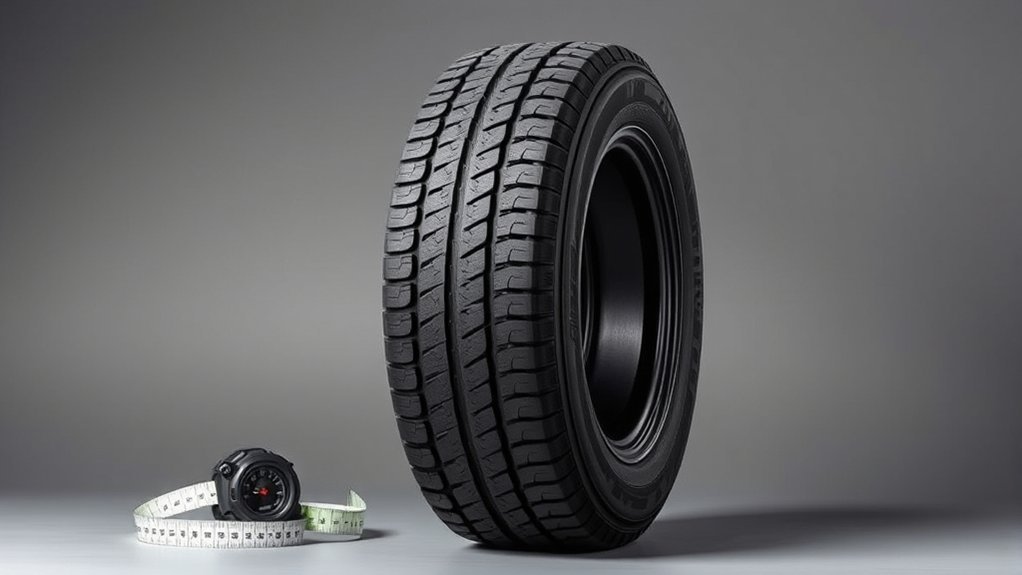
A 235/85R16 tire is a tall, narrow 16-inch tire size often used on light trucks, vans, trailers, and heavy-duty utility setups. The size code gives you the calculated diameter, width, sidewall height, and rim diameter, but the exact mounted measurement, load capacity, and speed rating still depend on the specific tire model.
Quick Answer
A 235/85R16 tire is about 31.7 inches tall by nominal tire-size math. It is 235 mm wide, or about 9.25 inches, with a sidewall around 7.86 inches. Compared with a 235/80R16, it is about 0.9 inch taller and adds about 0.45 inch of ground clearance.
Key Takeaways
- A 235/85R16 tire has a calculated overall diameter of about 31.7 inches.
- Its section width is 235 mm, which equals about 9.25 inches.
- The 85 aspect ratio gives it a sidewall height of about 199.8 mm, or 7.86 inches.
- A 235/85R16 is about 0.9 inch taller than a 235/80R16 by nominal math.
- Load range, load index, speed rating, and LT/ST tire type are not guaranteed by size alone.
How Tall Is a 235/85R16 Tire?
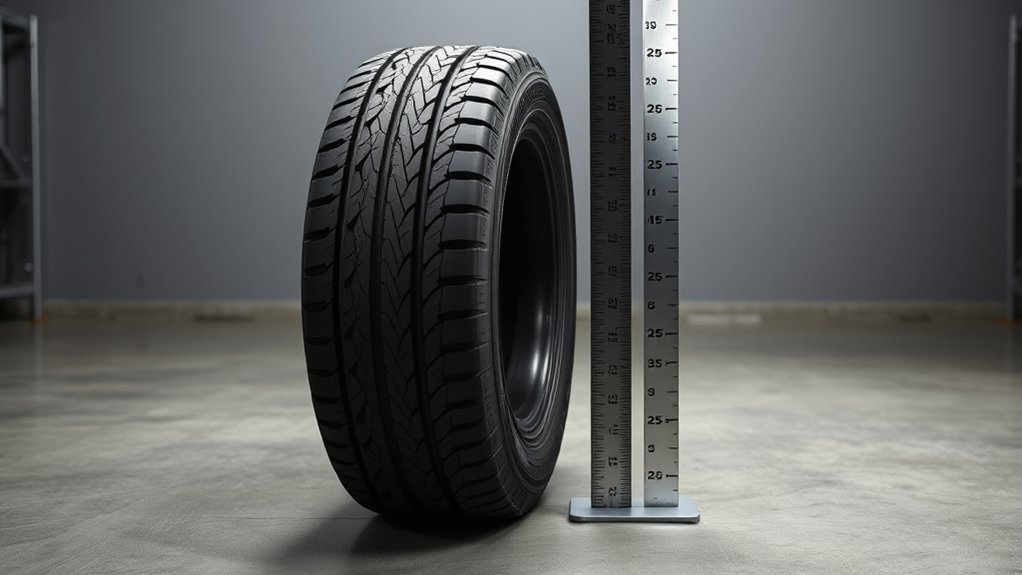
A 235/85R16 tire is about 31.7 inches tall when you calculate its nominal overall diameter. That number comes from the tire’s 235 mm section width, 85% aspect ratio, and 16-inch wheel diameter.
You should treat 31.7 inches as the calculated size, not a guaranteed mounted measurement. Real tires can measure slightly different once mounted, inflated, loaded, and worn. Tread design, rim width, casing construction, and manufacturer specs can all change the actual outside diameter a little.
A 235/85R16 tire is roughly a 32-inch-class tire, but its calculated height is closer to 31.7 inches than a true 32.0 inches.
| Overall Diameter | About 31.7 inches |
| Radius | About 15.86 inches |
| Section Width | 235 mm, or about 9.25 inches |
| Sidewall Height | About 199.8 mm, or 7.86 inches |
| Wheel Diameter | 16 inches |
| Circumference | About 99.7 inches |
| Revolutions Per Mile | About 636 revs per mile, before real-world tire variation |
[Products Worth Considering]

The SAFELIFE dial tire tread depth gauge measures tread depth in 1/32 inch increments with clear, easy-to-read 2-inch dial face. Color zones using a traffic light system help you quickly judge whether tread is low, marginal, or ample for safer driving. Built with a durable zinc cast body and a metal detect probe for precise, comfortable use across cars, motorcycles, trucks, and buses.

This professional wheel and rim cleaning brush set lifts brake dust, grime, and dirt with soft, scratch-free microfiber and synthetic wool fibers. The rim brush bends up to 360 degrees for easy access to hard-to-reach areas around spokes, lips, and faces. Ideal for thorough cleaning of car, truck, motorcycle, bicycle, RV, and more wheel and tire surfaces.

This heavy-duty tire pressure gauge combines measurement, inflation, and deflation in one compact tool for quick roadside and garage use. Its dual-head chuck helps reach inner and outer dual-wheel positions, while the clear indicator bar makes readings easy to see. Built for durability, it supports a wide pressure range and works across cars, trucks, RVs, SUVs, and motorcycles.
How to Calculate 235/85R16 Tire Size
The size code follows the standard metric tire format. The first number is the section width in millimeters, the second number is the aspect ratio, the “R” means radial construction, and the final number is the wheel diameter in inches.
- Find the sidewall height: 235 mm × 0.85 = 199.75 mm.
- Convert sidewall height to inches: 199.75 ÷ 25.4 = 7.86 inches.
- Double the sidewall: 7.86 × 2 = 15.72 inches.
- Add the wheel diameter: 15.72 + 16 = 31.72 inches.
That is why most tire-size charts round a 235/85R16 to about 31.7 inches tall. If you need exact clearance, use the tire manufacturer’s published specs for the exact model you plan to buy.
235/85R16 Tire Width and Sidewall Dimensions
A 235/85R16 tire uses a 235 mm section width, which converts to about 9.25 inches. That width tells you the approximate sidewall-to-sidewall measurement, not the exact tread width.
The sidewall height is about 7.86 inches. This tall sidewall is one reason the size is popular on trucks, vans, trailers, and utility setups. A taller sidewall can help absorb bumps, protect wheels on rough roads, and support heavy-duty tire construction when the tire is properly matched to the vehicle.
Note: Section width and tread width are not the same thing. Two 235/85R16 tires can have the same size code but different tread widths because tread design and casing shape vary by model.
235/85R16 vs. 235/80R16 Height Difference
The main difference between a 235/85R16 and a 235/80R16 is sidewall height. Both sizes use the same 235 mm section width and 16-inch wheel diameter, but the 85-series tire has a taller sidewall.
| Size | Calculated Diameter | Sidewall Height | Width |
| 235/85R16 | About 31.7 inches | About 7.86 inches | About 9.25 inches |
| 235/80R16 | About 30.8 inches | About 7.40 inches | About 9.25 inches |
| Difference | About 0.9 inch taller | About 0.46 inch more sidewall | No nominal width change |
If you switch from a 235/80R16 to a 235/85R16, only about half of the diameter increase becomes extra ride height. That means you gain roughly 0.45 inch of ground clearance, not a full 0.9 inch of lift.
The larger diameter also changes effective gearing and speedometer readings. If your vehicle was calibrated for 235/80R16 tires, moving to 235/85R16 tires can make your actual speed about 3% higher than the speedometer shows. At an indicated 60 mph, your actual speed may be around 62 mph, depending on the exact mounted tire.
Will a 235/85R16 Tire Fit Your Vehicle?
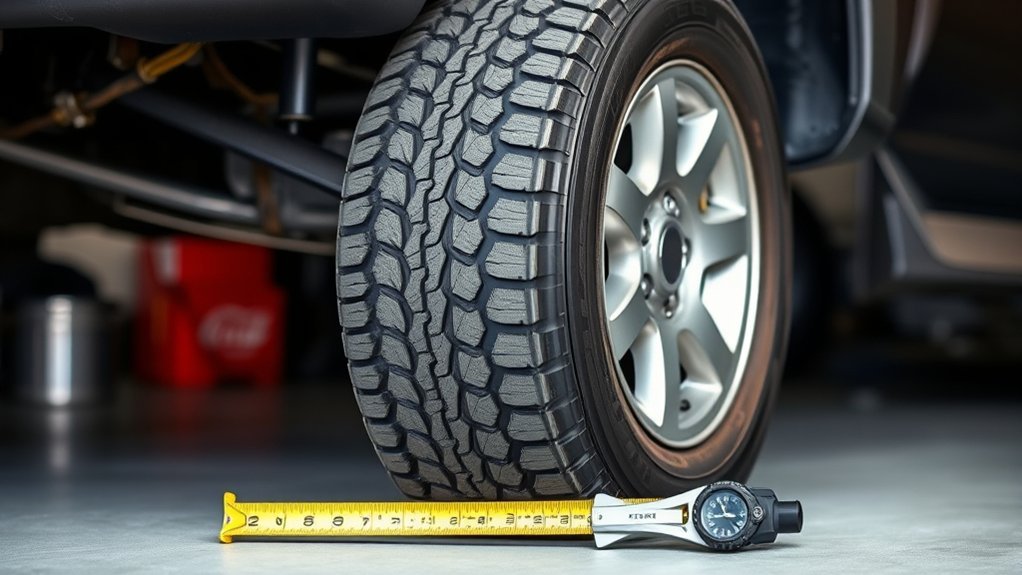
A 235/85R16 tire will only fit if your vehicle has enough room for its 31.7-inch calculated diameter, 9.25-inch section width, and tall sidewall. The size code alone does not confirm fitment.
Start with the tire size shown in your owner’s manual or on the Tire and Loading Information Label. The National Highway Traffic Safety Administration recommends using the vehicle’s manual or tire label to confirm the correct tire size and pressure for your car or truck.
Warning: Do not install a 235/85R16 tire just because the wheel diameter matches. You also need the correct load index, speed rating, wheel rating, inflation pressure, brake clearance, suspension clearance, and fender clearance.
Before installing this size, check these fitment points:
- Wheel diameter: The tire must mount on a 16-inch wheel.
- Approved rim width: Check the tire maker’s spec sheet for the approved wheel-width range.
- Outer clearance: Turn the steering from lock to lock and check the fender, bumper, and mud flap area.
- Inner clearance: Check suspension arms, frame rails, liners, brake lines, and sway-bar clearance.
- Compression clearance: Leave room for the tire to move upward during bumps, towing, and off-road use.
- Wheel offset: Offset can move the tire inward or outward even when the tire size is correct.
- Spare tire location: A taller tire may not fit under the vehicle or inside the factory spare well.
- Dual rear wheels: If your truck has dual rear wheels, confirm dual-load rating and spacing between the tires.
[Products Worth Considering]

This 3-piece wheel and tire brush set makes it easy to clean light, medium, and heavy dirt from wheels, rims, tires, and exterior surfaces. It includes both soft and stiff bristle options for gentle scrubbing and tough grime removal, helping lift brake dust and road buildup. The long-handle design supports comfortable cleaning across cars, trucks, SUVs, RVs, motorcycles, and more, with simple care instructions to restore brush shape.

This 3-piece wheel brush set makes it easy to clean wheels and tires with soft, scratch-free brushes designed for lifting brake dust and grime. The flexible rim brush bends up to 360 degrees to reach hard-to-access areas for a thorough clean, while the comfortable grip helps control during detailing. A dedicated detailing brush supports gentle cleaning for sensitive surfaces, including interior use.

This manual duck head tire changer kit makes tire installation and removal simpler by letting you embed the duck head into the tire with applied pressure. The integrated design and durable steel construction help reduce friction and improve efficiency and safety during use. Suitable for 16–21 inch wheels, it’s convenient for cars, trucks, SUVs, and ATV tires, with 24-hour after-sales support.
235/85R16 Load Range, Capacity, and Speed Rating
A 235/85R16 size code does not tell you the full load capacity or speed rating by itself. Those details come from the tire’s service description, load range, construction type, and manufacturer specifications.
For example, many current 235/85R16 light-truck tires are listed as Load Range E, but their speed symbols can vary by tire model. Goodyear’s current 235/85R16 listings include tires with Q, R, and N speed ratings, depending on whether the tire is a light-truck or trailer design.
Note: E is commonly a load range, not a speed rating. Speed rating is a separate letter in the service description, such as Q, R, S, or N. Always read the full sidewall code.
Load index and speed rating work together. Michelin explains that the load rating identifies the maximum weight a tire can carry when properly inflated, while the speed rating identifies the maximum sustained speed under specified conditions. A higher tire load rating also does not increase your vehicle’s legal or mechanical payload limit, which still depends on the vehicle’s axle ratings and manufacturer specifications.
| Marking | What It Means | Why It Matters |
| LT235/85R16 | Light-truck tire size | Common for trucks, vans, and commercial-use vehicles |
| ST235/85R16 | Special trailer tire size | For trailers only unless the tire maker states otherwise |
| Load Range E or F | Strength/load-pressure category | Does not replace the exact load index or tire spec sheet |
| 120/116R, 120/116Q, 125N, etc. | Load index plus speed symbol | This is the rating you should match to the vehicle or trailer requirement |
Common Mistakes When Choosing 235/85R16 Tires
The biggest mistake is assuming every 235/85R16 tire is the same. The size tells you the general dimensions, but it does not tell you the tire’s load limit, speed limit, tread type, ply rating, inflation requirement, or approved use.
- Do not mix LT and ST tires: LT tires are designed for light trucks. ST tires are designed for trailers.
- Do not assume a taller tire always improves performance: It can reduce acceleration, change braking feel, and affect speedometer accuracy.
- Do not ignore wheel ratings: A heavy-duty tire still needs a wheel rated for the correct load and pressure.
- Do not exceed vehicle limits: A stronger tire does not increase your axle rating, towing rating, or payload rating.
- Do not skip pressure checks: Use the vehicle or trailer manufacturer’s recommended cold pressure when applicable, and never exceed the tire or wheel limits.
Frequently Asked Questions
What is the height of a 235/85R16 tire?
A 235/85R16 tire is about 31.7 inches tall by nominal tire-size calculation. The exact mounted diameter can vary slightly by tire brand, model, tread depth, rim width, inflation, and load.
What size is 235/85R16 in inches?
A 235/85R16 tire is about 31.7 inches tall, 9.25 inches wide, and has a sidewall height of about 7.86 inches. It mounts on a 16-inch wheel.
Is a 235/85R16 the same as a 32-inch tire?
It is close, but not exactly. A 235/85R16 is often treated as a 32-inch-class tire, but its calculated diameter is about 31.7 inches. Actual tire specs may vary slightly by model.
How much taller is a 235/85R16 than a 235/80R16?
A 235/85R16 is about 0.9 inch taller than a 235/80R16 by nominal math. Since only half of that extra diameter sits below the axle, the real ground-clearance gain is about 0.45 inch.
How tall is a 235 R16 tire?
You need the aspect ratio to calculate the height. A “235 R16” size is incomplete because it gives the width and wheel diameter but not the sidewall percentage. If you mean 235/85R16, the tire is about 31.7 inches tall.
Does a 235/85R16 fit the same wheel as a 235/80R16?
Both sizes use a 16-inch wheel and the same nominal 235 mm section width, but you still need to check the tire maker’s approved rim-width range. You also need enough wheel-well clearance for the taller 235/85R16 diameter.
What load range is a 235/85R16 tire?
It depends on the exact tire. Many LT235/85R16 tires are Load Range E, while some trailer-specific ST235/85R16 tires may use different load ranges. Always check the full sidewall service description and the manufacturer’s spec sheet.
Conclusion
A 235/85R16 tire is about 31.7 inches tall, about 9.25 inches wide, and has a sidewall close to 7.86 inches. Compared with a 235/80R16, it is about 0.9 inch taller and can slightly raise ground clearance, change gearing, and affect speedometer readings.
Before you buy or install this size, confirm the tire type, load index, speed rating, approved rim width, wheel rating, axle rating, and physical clearance. Tire fitment is not just a math problem. It is a safety check, and the correct answer depends on your vehicle, wheel, tire model, and how you use it.
Sources
- Bridgestone: How to Read Tire Size — supports width, aspect ratio, radial construction, and wheel-diameter interpretation.
- Michelin: Tire Load Rating and Speed Rating — supports load index, speed rating, and replacement-rating cautions.
- NHTSA TireWise — supports tire-size, tire-pressure, owner’s manual, placard, and maintenance safety guidance.
- Goodyear 235/85R16 Tire Listings — supports current examples showing that load range and speed rating vary by tire model.
- Goodyear Tire Speed Rating Chart — supports speed-rating symbol interpretation.
[Products Worth Considering]

These M14x1.5 closed-end chrome lug nuts are a one-piece replacement designed for secure fitment on compatible GM, Ford, and select Chrysler/Dodge models. Featuring a 60-degree conical seat and anti-rust chrome plating, they help resist corrosion and maintain a bright look for everyday driving. Built for long-term durability, they include OEM-style part references and are backed by 12 months of support.

Secure your trailer or RV tires with a scissor-style wheel chock stabilizer that applies opposing force to help prevent wheel shift. It fits tight wheel gaps from 3.5 inches up to 12 inches and works for travel trailers, campers, fifth wheels, toy haulers, and heavy-duty trucks. The surface uses new electrophoretic technology to help prevent rust for reliable travel use.
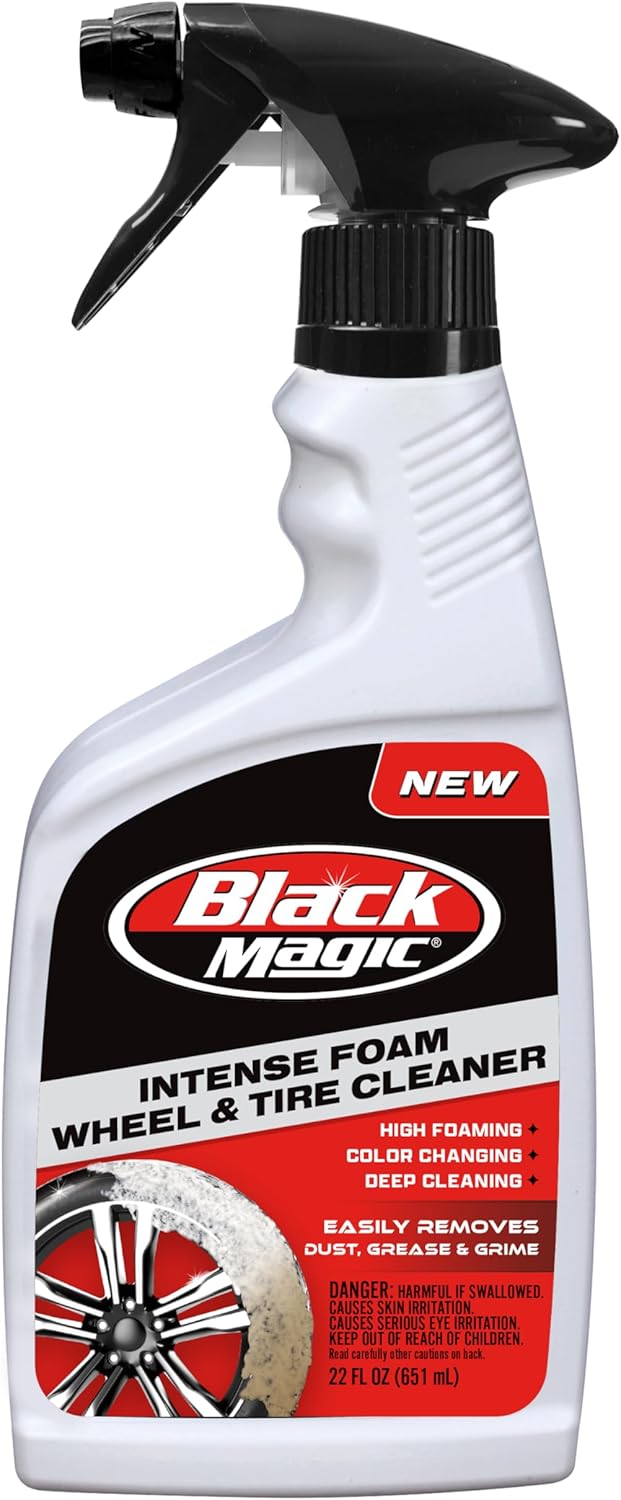
Black Magic Intense Foam Wheel & Tire Cleaner uses a high-foaming action to lift away dirt, grime, and brake dust without scrubbing. The color-changing formula helps show contaminants being dissolved as foam turns from white to brown. Safe for all wheel types and even wheel wells, it leaves a like-new, slick finish with a fresh cherry scent.

Related Articles
305 Tire Size Explained: How Big Is It?
I explain how big a 305 tire really is—and why the exact fit can surprise you.
Read More
Tire Ply Rating Explained: What the Numbers Mean
Tire ply ratings reveal more than numbers, hinting at strength, load capacity, and hidden tradeoffs you’ll want to understand before choosing.
Read More
2 Ply Vs 4 Ply Tires: What’s the Real Difference?
I’ll explain the real difference between 2-ply and 4-ply tires, and the choice may surprise you depending on where you drive.
Read More