
UHP Tire Guide 2026: Pros, Ratings, Sizes & Safety
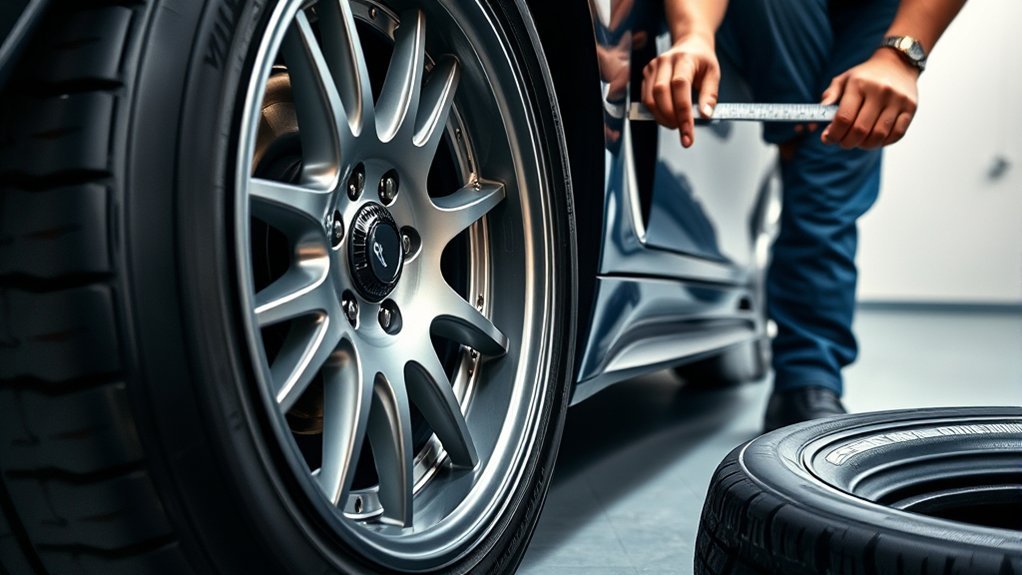
UHP tire means ultra-high-performance tire. It is a performance tire category built for drivers who want sharper steering, stronger cornering grip, and better high-speed stability than a standard touring or basic all-season tire can usually provide. UHP tires can make a sporty car feel more precise, but they also come with tradeoffs: shorter tread life, a firmer ride, higher cost, and weaker winter performance depending on the model.
Quick Answer
A UHP tire is an ultra-high-performance tire designed for responsive handling, strong dry and wet grip, and higher speed capability. It is best for sports cars, performance sedans, sporty coupes, and some performance SUVs. Choose one only if it matches your vehicle’s tire size, load index, speed rating, climate, and driving style.
Key Takeaways
- UHP stands for ultra-high performance, not a tire brand.
- UHP tires focus on grip, braking, steering response, and high-speed stability.
- Summer UHP tires are strongest in warm dry and wet conditions, but they are not safe choices for snow, ice, or sustained cold weather.
- UHP all-season tires trade some peak summer grip for more year-round usability in moderate climates.
- Before buying, check your vehicle placard, owner’s manual, tire size, load index, speed rating, UTQG rating, and treadwear warranty.
What Are UHP Tires?
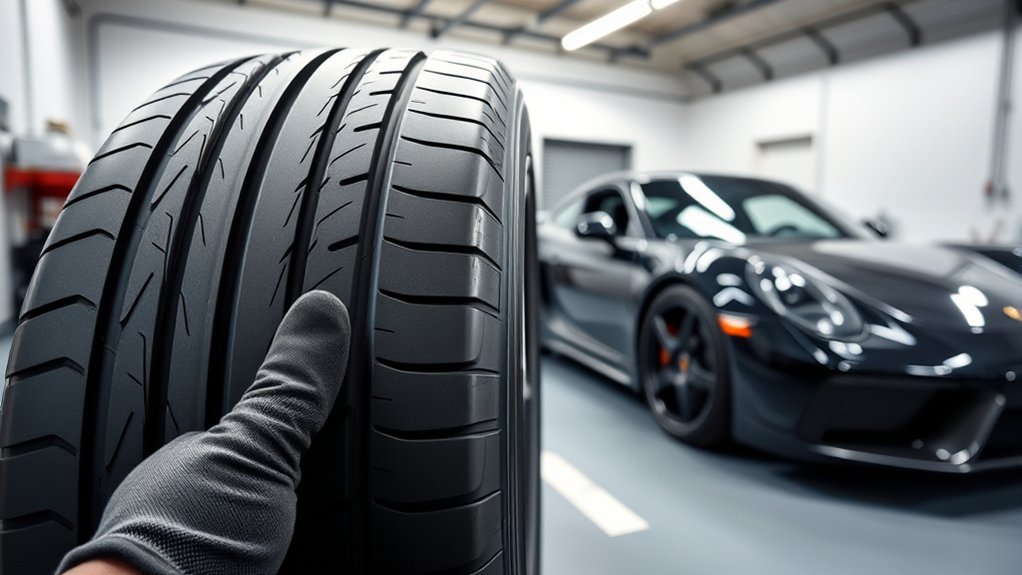
UHP tires, or ultra-high-performance tires, are engineered for vehicles that need more responsive handling than a standard passenger tire provides. You will usually find them on sports cars, performance sedans, luxury coupes, hot hatchbacks, and some sporty crossovers or SUVs.
The main goal is simple: give the driver more control. UHP tires often use performance-focused rubber compounds, lower-profile sidewalls, wider tread blocks, and tread patterns that put more rubber on the road. That combination can improve steering feel, cornering stability, braking response, and wet-road traction.
They are not automatically the best choice for every driver. A commuter car driven gently in a snowy climate may be better served by a touring all-season, all-weather, or winter tire. A sports sedan in a warm climate may feel noticeably better on a UHP tire, especially if the car was factory-equipped with one.
Note: UHP describes a performance category. It does not tell you the season type by itself. A tire can be a UHP summer tire or a UHP all-season tire, and those two choices behave very differently in cold weather.
[Products Worth Considering]
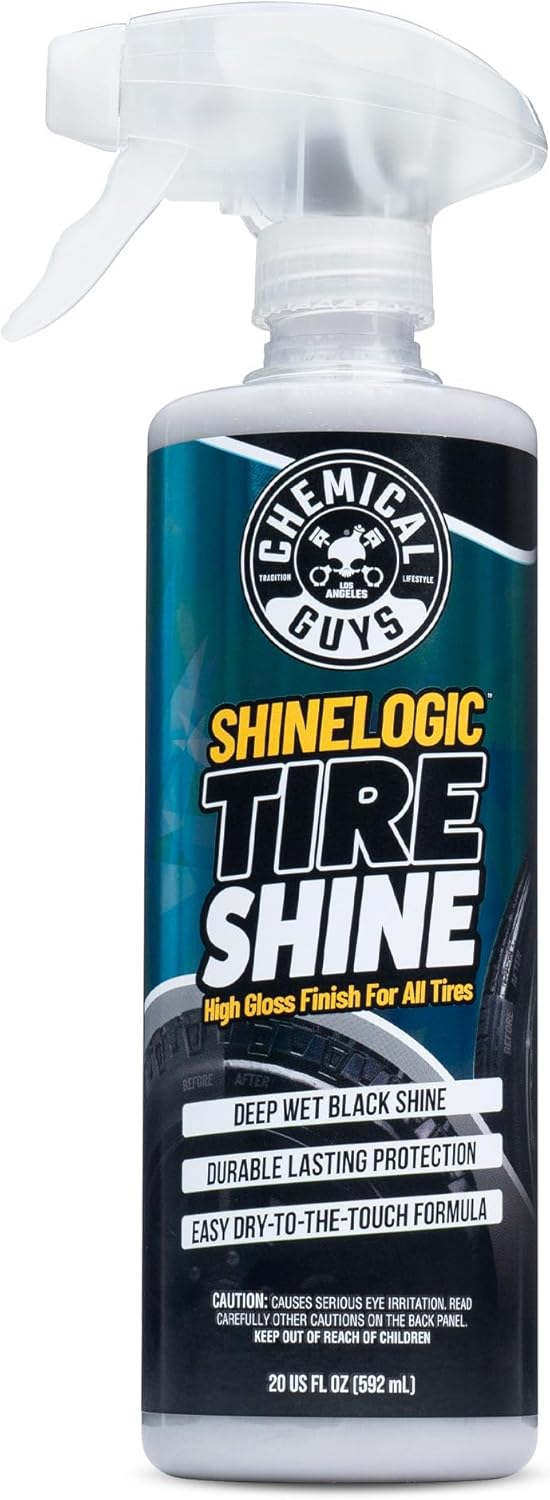
Chemical Guys ShineLogic Tire Shine delivers a deep wet black, high-shine finish for rubber tires with a sleek look. It’s designed for durable, one-step application with minimal drips, streaks, or runs, and it helps produce effortless, long-lasting shine. Choose aerosol or trigger spray for easy use on cars, trucks, motorcycles, RVs, and more.

The Continental Grand Prix 5000 is an allround road bike tire engineered for faster rolling, improved ride comfort, and enhanced puncture protection. It features a Vectran Breaker cut-protection layer, Lazer Grip micro-profile tread for confident cornering control, and Active Comfort Technology to damp vibration for smoother rides. BlackChili compound optimizes grip and speed for everyday performance and long-lasting confidence.

Measure tire tread depth quickly and accurately with this LUMITECO dial gauge that reads in 1/32" increments up to 14/32". The color-coded green/yellow/red zones make it easy to judge tire wear and know when replacement is needed. A rugged, compact design with a protective pouch helps keep the gauge ready for use on cars, trucks, motorcycles, and more.
How UHP Tires Are Built
UHP tires are built around grip and control. Their construction varies by brand and model, but most share a few common design traits.
| Feature | What It Does |
|---|---|
| Performance rubber compound | Improves road adhesion, especially during acceleration, braking, and cornering. |
| Stiffer sidewall | Reduces flex so steering inputs feel quicker and more direct. |
| Large tread blocks | Helps keep the tire stable during hard cornering. |
| Wet-traction grooves | Moves water away from the contact patch to reduce hydroplaning risk. |
| Heat-resistant construction | Helps the tire stay stable during sustained highway driving or spirited use. |
That performance focus is why UHP tires can feel more connected to the road. It is also why they may ride more firmly, create more road noise, and wear faster than comfort-focused touring tires.
UHP Tires vs All-Season Tires
The biggest difference is priority. A UHP tire prioritizes handling and grip. A standard all-season tire prioritizes comfort, tread life, fuel efficiency, and broad everyday use. Some UHP tires are also all-season tires, but they still lean more toward handling than a regular touring all-season tire.
| Category | Best For | Main Tradeoff |
|---|---|---|
| UHP summer tire | Maximum warm-weather dry and wet grip. | Poor choice for snow, ice, or sustained cold temperatures. |
| UHP all-season tire | Sporty handling with more moderate-climate versatility. | Less peak grip than a top summer UHP tire. |
| Standard all-season tire | Daily commuting, comfort, long tread life, and light winter use. | Less steering sharpness and cornering grip. |
| Winter tire | Cold weather, snow, slush, and ice. | Not ideal for warm-weather performance or year-round use. |
Bridgestone explains that summer tires are built for speed, agility, responsiveness, cornering, and braking, while all-season tires are designed for a broader balance of wet, dry, and light winter performance. That is the core tradeoff: UHP tires can feel better when driven hard, while regular all-season tires usually make more sense for relaxed daily driving.
Performance Differences
Compared with standard all-season tires, UHP tires usually deliver quicker turn-in, stronger lateral grip, and more stable braking. You feel this most during fast lane changes, winding-road driving, emergency braking, and aggressive cornering.
That extra control comes from the tire’s compound, tread pattern, and sidewall design. The same design choices can also reduce ride comfort. If you are switching from a soft touring tire to a low-profile UHP tire, expect the car to feel firmer over potholes, expansion joints, and rough pavement.
Weather Suitability
Weather is where the decision gets serious. A summer UHP tire can perform very well in warm dry and wet conditions, but it should not be treated as a four-season tire. When temperatures drop, the rubber compound can harden, reducing grip. In near-freezing conditions, some summer performance tires may also be damaged by cracking or tread block chipping.
Warning: Do not use summer UHP tires in snow, ice, or sustained cold weather. If your area regularly sees temperatures near or below 45°F / 7°C, consider UHP all-season, all-weather, or dedicated winter tires instead.
All-season tires can handle more temperature variety, but they are still not the same as winter tires. If you regularly drive in heavy snow, ice, or mountain winter conditions, dedicated winter tires are the safer choice.
Cost and Longevity
UHP tires often cost more because they use performance-focused materials and construction. They may also wear faster because grip is a higher priority than maximum mileage. That does not mean every UHP tire wears out quickly, but it does mean you should compare the tire’s treadwear warranty, UTQG rating, reviews, and independent test results before buying.
For everyday cost control, a standard touring all-season tire usually wins. For sharper handling and stronger performance feel, a UHP tire may be worth the premium.
Where UHP Tires Perform Best

UHP tires perform best on paved roads where grip, steering response, and stability matter. They are especially useful for drivers who enjoy precise handling or own a vehicle engineered around performance tires.
UHP tires are not about basic transportation. They are about making a performance vehicle respond more quickly, brake more confidently, and corner with more control.
You will notice their strengths most in these situations:
- Quick steering inputs on curvy roads.
- Stable highway lane changes.
- Hard braking on dry or rain-slick pavement.
- Sporty driving in warm weather.
- Vehicles that came factory-equipped with performance tires.
You may not notice enough benefit if you drive gently, mostly commute in traffic, prioritize quiet comfort, or live in a cold climate where seasonal tire changes are not practical.
What Vehicles Need UHP Tires?
Vehicles that benefit most from UHP tires include sports cars, performance sedans, luxury sport coupes, hot hatchbacks, and performance-oriented SUVs. These vehicles often have suspension, steering, and braking systems designed to take advantage of a grippier tire.
If your car came from the factory with UHP tires, replacing them with the same category helps preserve the handling balance the manufacturer intended. If you switch to a softer touring tire, the ride may become quieter and more comfortable, but steering response and braking feel may change.
Pro Tip: Before buying UHP tires, check the Tire and Loading Information Label on the driver’s door jamb and your owner’s manual. Match the recommended size, load index, speed rating, and inflation pressure unless a qualified tire professional confirms a safe alternative.
UHP Tires Pros and Cons
UHP tires can make the right vehicle feel much more responsive, but they are not a free upgrade. The same design that improves handling can reduce comfort, winter usability, and long-term value.
UHP Tire Advantages
- Sharper steering: Stiffer sidewalls and performance tread designs make the vehicle respond more quickly.
- Stronger cornering grip: More road contact and grippier compounds improve stability in turns.
- Better braking feel: Many UHP tires provide more confident braking on warm dry and wet roads.
- Higher speed capability: Many UHP tires carry V, W, Y, or ZR-related markings, depending on the model.
- Sportier driving feel: The car feels more connected to the road.
UHP Tire Drawbacks
| Drawback | What It Means |
|---|---|
| Higher price | Performance construction usually costs more than basic touring tire construction. |
| Shorter tread life | Grip-focused compounds can wear faster, especially with aggressive driving. |
| Firmer ride | Low-profile sizing and stiffer sidewalls can transmit more road impact. |
| More road noise | Some performance tread patterns are louder than comfort-focused touring tires. |
| Limited winter use | Summer UHP tires are not built for snow, ice, or sustained cold temperatures. |
UHP Tire Sizes and Speed Ratings
UHP tires commonly appear in lower-profile sizes with larger wheel diameters, but size alone does not make a tire UHP. The important details are the full sidewall code, the load index, the speed rating, and whether the tire matches your vehicle’s original requirements.
Here is a simple example:
225/45ZR18 95Y
- 225 = section width in millimeters.
- 45 = aspect ratio, meaning the sidewall height is 45% of the tire width.
- ZR = radial tire with speed capability above 149 mph when used in this type of performance size designation.
- 18 = wheel diameter in inches.
- 95 = load index.
- Y = speed rating, commonly listed as up to 186 mph when properly applied by the tire maker.
Common performance speed symbols include V, W, and Y. Tire Rack lists V at 149 mph, W at 168 mph, and Y at 186 mph. A ZR marking can still appear in the size, but the service description gives the more specific modern speed rating.
Note: A speed rating is not permission to drive at that speed. It is a tire capability rating under controlled conditions. Always follow posted speed limits and keep tires properly inflated, undamaged, and correctly loaded.
[Products Worth Considering]

Steelman white tire marking crayons provide high-contrast, semi-permanent marks for repairing and inspecting tires and equipment. They write on wet or dry, smooth or coarse surfaces including rubber, metal, glass, and wood, making them ideal for puncture location and damage outlining. The lead- and zinc-free crayons resist weather and fading yet wipe away when you no longer need the marks.

The SAFELIFE dial tire tread depth gauge measures tread depth in 1/32 inch increments with clear, easy-to-read 2-inch dial face. Color zones using a traffic light system help you quickly judge whether tread is low, marginal, or ample for safer driving. Built with a durable zinc cast body and a metal detect probe for precise, comfortable use across cars, motorcycles, trucks, and buses.

Monitor tire tread wear with a smart, color-coded depth gauge that shows clear condition ranges at a glance. The bar is range marked for fast, easy readings, helping you maintain safer traction and performance. Each gauge is portable with a pocket clip, and the set includes 20 units for daily use and sharing.
Load Index, Ply Rating, and UTQG
When choosing UHP tires, do not focus only on the word “performance.” Three ratings matter for safety and value: load index, speed rating, and UTQG.
Load Index vs Ply Rating
The load index tells you how much weight each tire can carry when properly inflated. Passenger-car UHP tires are usually chosen by load index, not by old-style ply language. Terms like 10-ply or 12-ply are more common in light-truck tire discussions, towing, and heavy-duty applications.
If your vehicle requires a certain load index, do not install a tire with a lower one. A higher load index may be acceptable in some cases, but it can also change ride feel, so verify fitment before buying.
What UTQG Tells You
UTQG stands for Uniform Tire Quality Grading. In the United States, many passenger tires show UTQG ratings for treadwear, traction, and temperature resistance. NHTSA explains that UTQG helps compare tire treadwear, traction performance, and temperature resistance.
- Treadwear: A comparative wear rating, not a guaranteed mileage number.
- Traction: A wet straight-line braking grade.
- Temperature: A heat-resistance grade.
Use UTQG as a comparison tool, not as the only buying factor. Two tires with similar ratings can still feel different because of tread design, compound, vehicle weight, alignment, road surface, and driving style.
UHP Tires in Wet and Dry Conditions

UHP tires are usually strongest on dry pavement. Their wider contact patch, stiff tread blocks, and performance compound help the car hold a line through corners and respond quickly to steering inputs.
Many UHP tires also perform well in rain. Wet traction depends on the tire’s compound and groove design. Tread channels help move water away from the contact patch, reducing the risk of hydroplaning. Still, worn UHP tires can lose wet grip quickly, so tread depth matters.
Wet Grip Performance
In wet conditions, a good UHP tire should feel predictable during braking, cornering, and acceleration. Look for deep circumferential grooves, strong wet-test reviews, and a traction grade that supports your driving needs.
No performance tire can overcome standing water, bald tread, or excessive speed. If water is pooling on the road, slow down and increase following distance.
Dry Cornering Control
Dry handling is where UHP tires usually shine. They reduce tread squirm, improve steering feedback, and help the vehicle stay composed under load. This is why many enthusiasts choose them for spirited road driving and why manufacturers often fit them to performance trims.
The tradeoff is that the tire may be less forgiving. A low-profile UHP tire can be more vulnerable to pothole damage, wheel damage, and harsh impacts than a taller-sidewall touring tire.
How to Maintain UHP Tires
UHP tires need consistent maintenance because their performance depends on proper pressure, alignment, tread depth, and even wear.
- Check pressure monthly: Measure when the tires are cold and use the pressure listed on your vehicle placard, not the maximum pressure molded on the tire sidewall.
- Inspect tread depth: Replace tires before wet traction becomes unsafe. Do not wait for cords, cracks, bulges, or severe uneven wear.
- Rotate when allowed: Michelin recommends rotation every 5,000 to 7,000 miles or according to the vehicle manufacturer. Some staggered or directional setups cannot be rotated normally.
- Watch alignment: A performance tire can wear quickly if the vehicle has bad alignment, worn suspension parts, or incorrect pressure.
- Store seasonal tires correctly: Keep removed tires in a cool, dry place away from sunlight, ozone, and extreme temperatures.
If you feel vibration, pulling, thumping, sudden noise, or a change in steering feel, have the tires and wheels inspected. A performance tire can hide damage until it becomes a safety problem.
How to Choose the Right UHP Tire
Choosing the right UHP tire starts with your vehicle, not with a brand name. Use this checklist before buying:
- Confirm the exact size on the driver’s door placard or owner’s manual.
- Match or exceed the required load index unless a qualified professional approves another fitment.
- Match the required speed rating for your vehicle and driving needs.
- Choose the right season type: summer UHP for warm climates and peak grip; UHP all-season for moderate climates; winter tires for snow and ice.
- Compare treadwear warranty and UTQG: These help set expectations, but they do not guarantee real-world mileage.
- Read wet-braking and comfort reviews: A tire can be grippy but noisy, firm, or weak in rain.
- Consider your roads: Rough pavement and potholes may make a lower-profile UHP tire less practical.
If your goal is maximum comfort and long tread life, a touring all-season tire may be the better choice. If your goal is sharper handling and stronger road feel, a UHP tire makes more sense.
Frequently Asked Questions
Is UHP a good tire brand?
No. UHP is not a brand. It means ultra-high performance, which is a tire category. Many brands sell UHP tires, including Michelin, Bridgestone, Continental, Pirelli, Goodyear, Yokohama, Hankook, and others. Compare the exact model, not just the category name.
Should I get a 10-ply or 12-ply tire?
For most passenger-car UHP tires, focus on load index instead of 10-ply or 12-ply language. Ply ratings are more common for light trucks, towing, and heavy-duty use. Choose the load index listed by your vehicle manufacturer, and do not go lower than the required rating.
Are HP tires a good value for the money?
HP, or high-performance, tires can be a good value if you want better handling than a basic touring tire but do not need the sharpest UHP response. They often sit between standard all-season tires and UHP tires in grip, comfort, cost, and tread life.
Do I need UHP tires?
You need UHP tires if your vehicle is performance-oriented, your owner’s manual calls for them, or you value sharp steering, strong grip, and confident braking. You probably do not need them if you prioritize quiet comfort, long tread life, low cost, or winter traction.
Can UHP tires be used in rain?
Yes, many UHP tires are excellent in rain when they have enough tread depth and a wet-focused tread design. However, worn tires, standing water, and excessive speed increase hydroplaning risk. Always slow down in heavy rain.
Are UHP tires bad in snow?
Summer UHP tires are bad choices for snow, ice, and sustained cold weather. UHP all-season tires may handle light winter conditions better, but they still do not replace dedicated winter tires in severe winter climates.
Do UHP tires wear out faster?
Often, yes. Many UHP tires use grip-focused compounds that can wear faster than touring all-season tires. Real tread life depends on the tire model, alignment, pressure, rotation pattern, vehicle weight, driving style, and road surface.
Conclusion
UHP tires are the right choice when you want sharper handling, stronger grip, and a more connected driving feel from a vehicle built to use that performance. They are not the best choice for every driver, especially if comfort, long tread life, low cost, or winter traction matter more.
Before buying, match the tire to your vehicle placard, climate, driving style, and budget. A summer UHP tire can be excellent in warm dry and wet conditions. A UHP all-season tire can be a better compromise for moderate climates. A winter tire is still the safer choice for snow, ice, and sustained cold weather.
Sources
- NHTSA TireWise — tire placards, UTQG, tire safety ratings, inflation, and maintenance.
- Tire Rack Speed Rating Guide — V, W, Y, and ZR speed-rating explanations.
- Bridgestone Summer vs. All-Season Tires — performance and weather tradeoffs.
- Continental Winter Tire Guidance — cold-weather and winter tire recommendations.
- Michelin Tire Rotation Guide — rotation intervals and maintenance guidance.
- Consumer Reports Tire Treadwear Testing — real-world tread-life variability and rotation notes.
[Products Worth Considering]

TP-M13W combination repair unit kit includes wrapped stems with matching patches for fast, reliable tire repairs. It’s suitable for both radial and bias ply tires and is designed for chemical or heat vulcanization. Gray vulcanizing gum with blue backing helps create a strong bond, with the stem portion wrapped for added effectiveness.

This manual duck head tire changer kit makes tire installation and removal simpler by letting you embed the duck head into the tire with applied pressure. The integrated design and durable steel construction help reduce friction and improve efficiency and safety during use. Suitable for 16–21 inch wheels, it’s convenient for cars, trucks, SUVs, and ATV tires, with 24-hour after-sales support.

Milton S-921 pencil tire pressure gauge helps you maintain optimal tire pressure for passenger cars with accurate readings in PSI and kPa. It features a built-in deflator valve for convenient pressure adjustments, plus a single chuck head and nylon indicator bar for easy use on the go. Built from durable plated brass and designed for reliable performance, it’s a practical road trip and cold-weather maintenance tool.

Related Articles
Racing Tire Technology: How They’re Built for Speed
Ultimate racing tire technology blends grip, heat, and precision in ways that can shave seconds—discover what really makes them so fast.
Read More
Changing Wheel Size: What a Bigger Rim Does to Your Car
Wider rims can sharpen handling and change your car’s feel, but the hidden tradeoffs may surprise you—discover what really happens next.
Read More
How Tire Tread Patterns Work: The Science Behind Grip
Tire tread patterns channel water, grip snow, and shape traction—discover the science behind why their design matters more than you think.
Read More