What Is a Uhp Tire? Complete Guide & Best Options
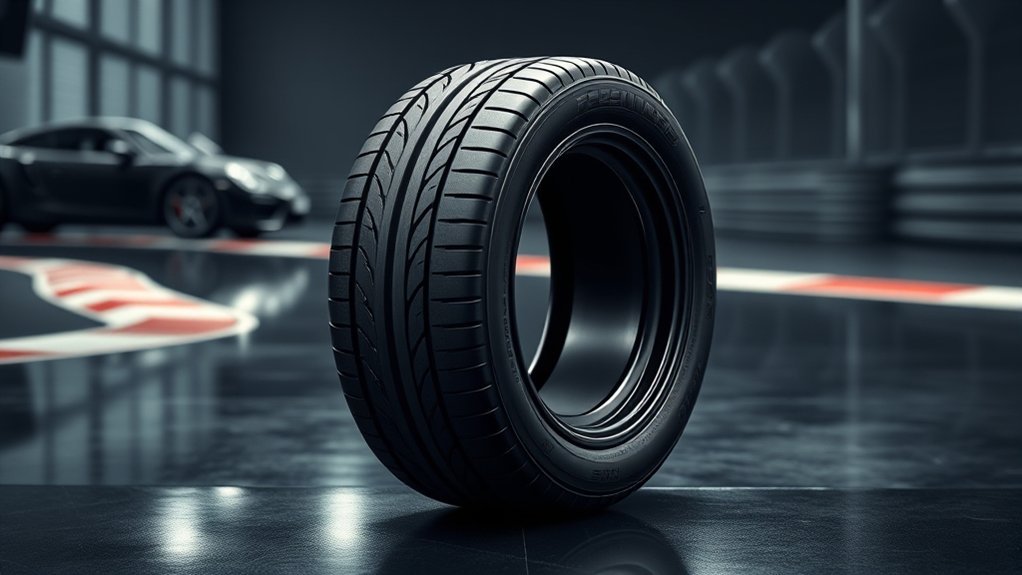
A UHP tire is an ultra-high performance tire made for drivers who want sharper steering, stronger cornering grip, and confident braking from a performance car, sporty sedan, or performance SUV. The tradeoff is simple: UHP tires usually cost more, ride firmer, wear faster, and need more careful seasonal matching than regular touring or all-season tires.
Quick Answer
A UHP tire is built for high-speed stability, fast steering response, strong dry and wet grip, and shorter braking on performance-focused vehicles. Choose UHP summer tires for warm-weather handling, UHP all-season tires for broader daily use, and dedicated winter tires for cold, snow, or ice.
Key Takeaways
- UHP means ultra-high performance, a tire category focused on grip, steering precision, braking, and high-speed stability.
- UHP summer tires offer the sharpest warm-weather handling, while UHP all-season tires trade some peak grip for wider daily usability.
- Compared with regular all-season tires, UHP tires usually ride firmer, make more road noise, wear faster, and cost more.
- Summer UHP tires should not be treated as winter tires; cold pavement, snow, and ice can sharply reduce traction.
- Always match the tire size, load index, and speed rating recommended on your vehicle placard or owner’s manual.
What Is a UHP Tire?
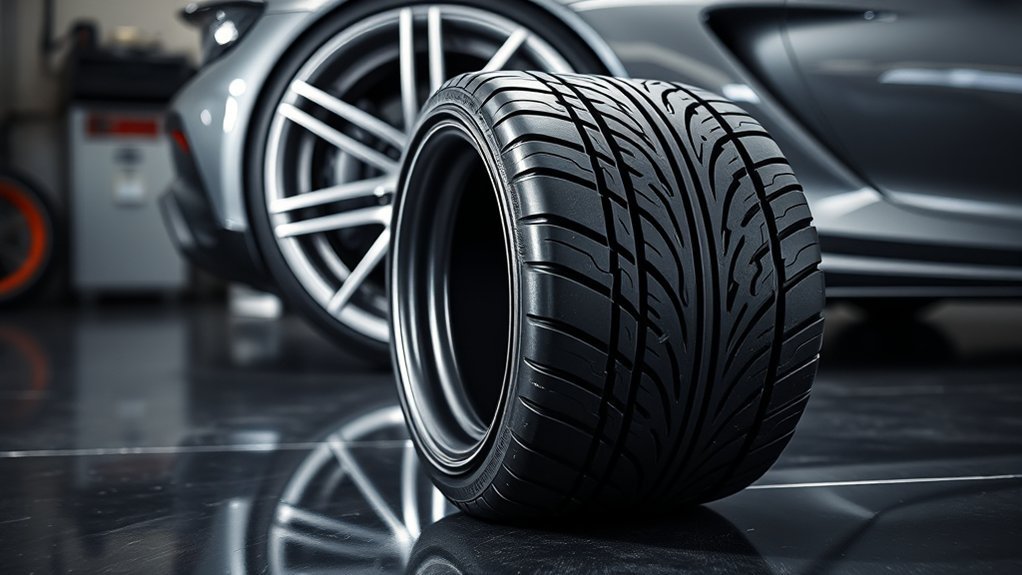
A UHP tire, or ultra-high performance tire, is designed for vehicles that need more responsive handling than a normal touring tire can provide. These tires are common on sports cars, sport sedans, luxury performance cars, modern muscle cars, and some performance SUVs or crossovers.
The main goal is control. UHP tires use performance-focused tread designs, rubber compounds, and internal construction to improve steering response, cornering stability, braking feel, and grip at higher speeds. Tire Rack describes UHP summer tires as tires built for excellent grip and predictable handling on warm dry or wet roads, while UHP all-season tires add more year-round usability with responsive handling and wet/dry traction.
That performance focus comes with compromise. A UHP tire is usually not the best choice if you want the quietest ride, the longest tread life, the lowest replacement cost, or the best snow traction. It is a good choice when your vehicle and driving style can actually use the extra grip and sharper response.
[Products Worth Considering]

Monitor tire tread wear with a smart, color-coded depth gauge that shows clear condition ranges at a glance. The bar is range marked for fast, easy readings, helping you maintain safer traction and performance. Each gauge is portable with a pocket clip, and the set includes 20 units for daily use and sharing.

Measure tire tread depth quickly and accurately with this LUMITECO dial gauge that reads in 1/32" increments up to 14/32". The color-coded green/yellow/red zones make it easy to judge tire wear and know when replacement is needed. A rugged, compact design with a protective pouch helps keep the gauge ready for use on cars, trucks, motorcycles, and more.

Milton S-921 pencil tire pressure gauge helps you maintain optimal tire pressure for passenger cars with accurate readings in PSI and kPa. It features a built-in deflator valve for convenient pressure adjustments, plus a single chuck head and nylon indicator bar for easy use on the go. Built from durable plated brass and designed for reliable performance, it’s a practical road trip and cold-weather maintenance tool.
How UHP Tires Work
UHP tires feel different because they are built differently from most standard all-season or touring tires. The exact design varies by brand and model, but most UHP tires share a few traits.
Performance Rubber Compound
UHP tires often use softer, more grip-focused rubber compounds. That helps the tire conform to the road surface during acceleration, braking, and cornering. The downside is faster wear, especially on powerful vehicles, aggressive alignments, rough pavement, or spirited driving routes.
Stiffer Sidewalls
A stiffer sidewall helps the tire react quickly when you turn the steering wheel. This is one reason UHP tires often feel more direct than comfort-focused tires. The tradeoff is ride quality. You may feel more bumps, pavement seams, and pothole impacts through the cabin.
Speed Rating, Load Index, and Fitment
Many UHP tires carry higher speed ratings such as V, W, Y, or related high-performance service descriptions. A speed rating is not permission to exceed legal limits; it is part of the tire’s tested capability and construction. Goodyear’s load index and speed rating guide explains how those markings help match a tire to the vehicle’s requirements.
Note: Do not choose a UHP tire by the letters alone. Match the full tire size, load index, speed rating, XL or load-range marking, and wheel diameter recommended by your vehicle placard or owner’s manual.
UHP Tire Pros and Cons
UHP tires are best understood as a tradeoff. They improve driver control and road feel, but they usually give up comfort, tread life, and winter confidence.
| Main Benefits | Sharper steering, stronger dry grip, better cornering feel, more stable high-speed handling, and confident braking on suitable roads. |
| Main Tradeoffs | Firmer ride, more road noise, faster tread wear, higher replacement cost, and weaker snow or ice performance than winter tires. |
| Best For | Sports cars, sport sedans, performance coupes, luxury performance vehicles, and performance-oriented SUVs or CUVs. |
| Poor Fit For | Drivers who prioritize long tread life, low cost, maximum comfort, gravel/off-road use, or severe winter traction. |
You’ll notice the advantages most during quick lane changes, hard braking, tight on-ramps, mountain roads, and spirited driving. If most of your driving is slow city commuting on rough roads, a grand touring all-season tire may feel better day to day.
UHP Summer vs UHP All-Season vs Winter Tires
The most important buying decision is not simply “UHP or not.” It is choosing the right UHP category for your weather and driving style.
| Tire Type | Best Use | Main Limitation |
| UHP Summer | Warm dry and wet roads, sharp handling, spirited driving, and performance cars. | Not for snow, ice, or near-freezing conditions. |
| UHP All-Season | Drivers who want sporty handling with broader wet and mild cold-weather usability. | Still not equal to a dedicated winter tire in snow or ice. |
| All-Weather / 3PMSF | Four-season driving where light to moderate winter traction matters. | Usually less sporty than a true UHP summer tire. |
| Winter Tire | Cold temperatures, snow, slush, and ice. | Not ideal for warm-weather handling or hot-road tread life. |
Warning: Do not rely on UHP summer tires for winter driving. High-performance summer tires can lose traction in cold weather and are not intended for snow or ice. If your area sees freezing temperatures, snow, or icy roads, switch to winter tires or a properly rated all-weather tire.
How UHP Tires Compare With All-Season Tires
Compared with regular all-season tires, UHP tires trade comfort and long life for sharper performance. A standard all-season tire is usually designed to balance ride comfort, tread life, wet traction, light-snow ability, and price. A UHP tire leans harder toward steering response, grip, and braking.
- Grip: UHP tires usually provide stronger dry-road grip and more confident cornering.
- Steering: UHP tires often feel quicker and more direct when you turn.
- Comfort: Regular all-season tires usually ride smoother and quieter.
- Tread life: UHP tires generally wear faster, especially summer models and aggressive fitments.
- Winter use: Regular all-season tires may be more usable in mild cold weather, but neither standard all-season nor UHP all-season tires replaces a true winter tire in severe conditions.
If you want the most balanced tire for commuting, long highway trips, and changing weather, a normal touring or grand touring all-season tire may be smarter. If you care more about steering feel, cornering grip, and performance driving, UHP tires make more sense.
What Vehicles Work Best With UHP Tires?

You’ll get the best results from UHP tires on vehicles designed for dynamic driving. The chassis, suspension, brakes, wheels, and alignment should all support the extra grip. If the vehicle came from the factory with UHP tires, replacing them with a similar category often preserves the handling balance the manufacturer intended.
Best Vehicle Types
UHP tires are most useful on sports cars, sport compact cars, performance sedans, luxury coupes, modern muscle cars, and performance-tuned SUVs or crossovers. They can also suit drivers who enjoy curvy roads or want a more connected steering feel during daily driving.
Performance Car Fit
Performance cars benefit from UHP tires because they can use the extra grip during acceleration, braking, and cornering. A tire with the wrong speed rating, load index, or sidewall construction can change the way the car responds, so matching the original equipment specifications matters.
SUV And CUV Use
Some performance SUVs and CUVs can use UHP tires well, especially models with sport-tuned suspension and larger performance brakes. However, standard family SUVs may not benefit enough to justify the firmer ride and shorter tread life. Confirm the load rating carefully because SUVs are heavier than sedans and coupes.
How Long UHP Tires Last and What They Cost
UHP tire life varies widely by tire model, vehicle weight, alignment, rotation schedule, driving style, climate, and road surface. In general, expect UHP tires to wear faster than regular touring or standard all-season tires. Consumer Reports’ treadwear testing has found that some UHP tires can project to only 25,000 to 30,000 miles, while many family-car all-season tires can last much longer.
Cost also varies by size and speed rating. Larger wheel sizes, low-profile sidewalls, XL load ratings, run-flat construction, and premium performance brands can raise the price quickly. Instead of relying on a universal price range, compare the installed cost for your exact size, including mounting, balancing, valve stems or TPMS service, alignment if needed, and disposal fees.
The real cost of a UHP tire is not just the tire price. It is the tire price plus faster wear, alignment sensitivity, seasonal swaps, and the value you place on sharper handling.
Look at the treadwear warranty, UTQG treadwear grade, owner reviews, and independent testing, but do not treat any single number as a guarantee. The NHTSA TireWise program explains that tire safety depends on proper inflation, tread condition, and correct vehicle fitment, not just the tire’s marketing category.
[Products Worth Considering]

Protect tire valves from water, dust, and sand to help prevent leaks and support safe driving. These universal stem caps install quickly by hand and feature durable aluminum alloy construction with an inner sealing ring for better air retention. Compatible with cars, SUVs, trucks, motorcycles, and bicycles for everyday convenience.

The SAFELIFE dial tire tread depth gauge measures tread depth in 1/32 inch increments with clear, easy-to-read 2-inch dial face. Color zones using a traffic light system help you quickly judge whether tread is low, marginal, or ample for safer driving. Built with a durable zinc cast body and a metal detect probe for precise, comfortable use across cars, motorcycles, trucks, and buses.

Accurately measure tire tread depth with a calibrated gauge marked from 0 to 1 inch in 1/32 inch increments. The color-coded bar helps you quickly identify tread condition ranges, supporting safe driving for trucks, motorcycles, automobiles, and passenger vehicles.
Can You Use UHP Tires Year-Round?
You can use some UHP all-season tires year-round in mild climates, but you should not treat all UHP tires as year-round tires. The answer depends on the exact tire category and your local winter conditions.
Year-Round UHP Use
UHP all-season tires are the best UHP choice if you want one set of tires for daily driving in warm, wet, and mildly cold weather. They usually give up some peak summer grip compared with UHP summer tires, but they offer better versatility.
If your winters are cold but mostly dry, a UHP all-season tire may work. If your winters include regular snow, ice, or freezing rain, use dedicated winter tires or all-weather tires with the Three-Peak Mountain Snowflake symbol. Tire Rack explains that all-weather tires meet the industry’s Severe Snow Service requirement and carry the 3PMSF symbol, while standard all-season tires do not necessarily meet that test.
Seasonal Driving Limits
UHP summer tires are built for warm-weather performance. They are not designed for snow, ice, or near-freezing conditions. Tire Rack’s Michelin Pilot Sport 4S listing notes that this max-performance summer tire is not intended to be driven, serviced, or stored in near- and below-freezing temperatures, or driven through snow or on ice.
Best Tire Swaps
The safest seasonal setup for a performance vehicle in a four-season climate is often two sets of tires: UHP summer tires for warm months and winter tires for cold months. In milder climates, UHP all-season tires can be a reasonable compromise.
- Use UHP summer tires when warm-weather grip and steering precision matter most.
- Use UHP all-season tires when you want sporty handling with wider daily usability.
- Use winter tires when snow, ice, and sustained cold temperatures are normal.
- Store off-season tires in a cool, dry place away from sunlight, ozone, and petroleum products.
Best UHP Tires and Buying Tips

The best UHP tire is the one that fits your vehicle, climate, budget, and handling goals. Do not choose only by brand name or price. Compare the full set of specs and the kind of driving you actually do.
- Match your vehicle first: Use the tire placard, owner’s manual, or a trusted fitment database for size, load index, and speed rating.
- Choose the right season: Summer UHP for warm grip, UHP all-season for broader daily use, winter or all-weather for snow-focused driving.
- Check wet performance: Strong dry grip does not always mean strong wet braking or hydroplaning resistance.
- Review tread life: Compare warranty, UTQG treadwear grade, independent testing, and owner feedback for your size.
- Consider noise and comfort: Some UHP tires are much quieter and smoother than others.
- Budget for alignment: A fresh alignment can protect expensive UHP tires from uneven wear.
Pro Tip: If your current tires wore unevenly, fix the alignment, suspension, or inflation issue before installing new UHP tires. Otherwise, the new set may wear out quickly too.
UHP Tire Maintenance Checklist
UHP tires reward proper maintenance because their grip-focused compounds and low-profile designs can be sensitive to pressure, alignment, and rotation habits.
- Check pressure when cold: Use the cold inflation pressure on the vehicle placard, not the maximum pressure printed on the tire sidewall.
- Inspect tread depth: USTMA says tires are worn out at 2/32 inch tread depth, but wet-weather performance can decline before that point.
- Rotate on schedule: Follow your vehicle and tire manufacturer’s rotation guidance unless the tire is directional, staggered, or otherwise restricted.
- Watch for uneven wear: Feathering, cupping, inner-edge wear, or one-sided wear can point to alignment, suspension, or pressure problems.
- Avoid mixing categories: Do not mix summer UHP, all-season UHP, winter, and touring tires on the same vehicle unless a tire professional confirms it is safe and appropriate.
- Protect from potholes: Low-profile UHP tires can be more vulnerable to impact damage, sidewall bubbles, and wheel bends.
Frequently Asked Questions
Is a UHP tire a good tire?
Yes, a UHP tire can be a very good tire if you value sharp steering, strong grip, and confident braking. It is not the best tire for every driver, though. If you want the quietest ride, lowest cost, longest tread life, or best snow traction, a touring all-season, all-weather, or winter tire may be a better fit.
Are UHP tires good in snow?
UHP summer tires are not good in snow and should not be used as winter tires. UHP all-season tires may handle light snow better than summer tires, but they still do not match the cold-weather grip of a dedicated winter tire. For regular snow or ice, choose winter tires or a properly rated all-weather tire.
Are UHP tires noisy?
Some UHP tires are noisier than touring tires because their tread patterns, wider footprints, and stiffer construction are tuned for grip and response. Noise varies by model, tread wear, road surface, inflation pressure, and alignment. If road noise matters to you, compare comfort and noise ratings before buying.
Should I get a 10-ply or 12-ply tire?
Most UHP tires for passenger cars are not chosen by old-style 10-ply or 12-ply labels. Use the vehicle placard and owner’s manual to match the correct load index, speed rating, and size. Ply or load-range decisions are more common for trucks, towing, and commercial-duty tires.
Do UHP tires wear out faster?
Usually, yes. UHP tires often use grip-focused compounds and performance construction, so they tend to wear faster than standard touring or regular all-season tires. Driving style, alignment, tire pressure, vehicle weight, and rotation habits can make a big difference.
Can I put UHP tires on a regular car?
You can install UHP tires on some regular cars if the size, load index, and speed rating are correct, but it may not be worth it. If the car is used mostly for commuting, a grand touring or performance all-season tire may provide a better balance of comfort, tread life, cost, and all-weather usability.
Conclusion
UHP tires are worth it when you want sharper steering, stronger road grip, and a more connected performance feel from a vehicle built to use those advantages. They are not the best choice for every driver. If you drive in harsh winter weather, want maximum tread life, or prefer a soft and quiet ride, another tire category may suit you better. For the best result, match the UHP tire to your vehicle specs, climate, and real driving habits.
Sources
- Tire Rack — Ultra High Performance Summer Tires — supports UHP summer tire purpose and warm-road performance.
- Tire Rack — Ultra High Performance All-Season Tires — supports UHP all-season handling and usability claims.
- Goodyear — Load Index and Speed Rating — supports speed rating and load index guidance.
- NHTSA TireWise — supports cold inflation pressure, tire safety, and vehicle placard guidance.
- U.S. Tire Manufacturers Association — Tire Care Essentials — supports tread depth, inspection, and tire care guidance.
- Consumer Reports — Tire Treadwear Testing — supports tread-life caution for UHP tires.
[Products Worth Considering]

The Continental Grand Prix 5000 is an allround road bike tire engineered for faster rolling, improved ride comfort, and enhanced puncture protection. It features a Vectran Breaker cut-protection layer, Lazer Grip micro-profile tread for confident cornering control, and Active Comfort Technology to damp vibration for smoother rides. BlackChili compound optimizes grip and speed for everyday performance and long-lasting confidence.

Steelman white tire marking crayons provide high-contrast, semi-permanent marks for repairing and inspecting tires and equipment. They write on wet or dry, smooth or coarse surfaces including rubber, metal, glass, and wood, making them ideal for puncture location and damage outlining. The lead- and zinc-free crayons resist weather and fading yet wipe away when you no longer need the marks.

Check tire pressure with the Milton S-925 pencil gauge built for trucks, RVs, and bicycles. It features a single-head chuck with a built-in deflator valve, and it displays readings in both PSI and kPa for convenient use. The gauge is designed for accurate, repeatable pressure checks within its working range.

Related Articles
10 Ply Vs 14 Ply Tires: Load Range Compared
A 10 ply vs 14 ply tire comparison reveals surprising load range differences, but the best choice depends on more than just ply count.
Read More
4 Ply Vs 6 Ply Tires: Which Do You Actually Need?
Better understand 4 ply vs 6 ply tires before you buy—one choice could change your ride, safety, and load capacity.
Read More
6 Ply Vs 8 Ply Tires: Which Do You Need?
Torn between 6 ply and 8 ply tires? Discover which one fits your driving needs before you buy.
Read More