
What Does 245 Mean on a Tire? Load, Speed & Rating Guide
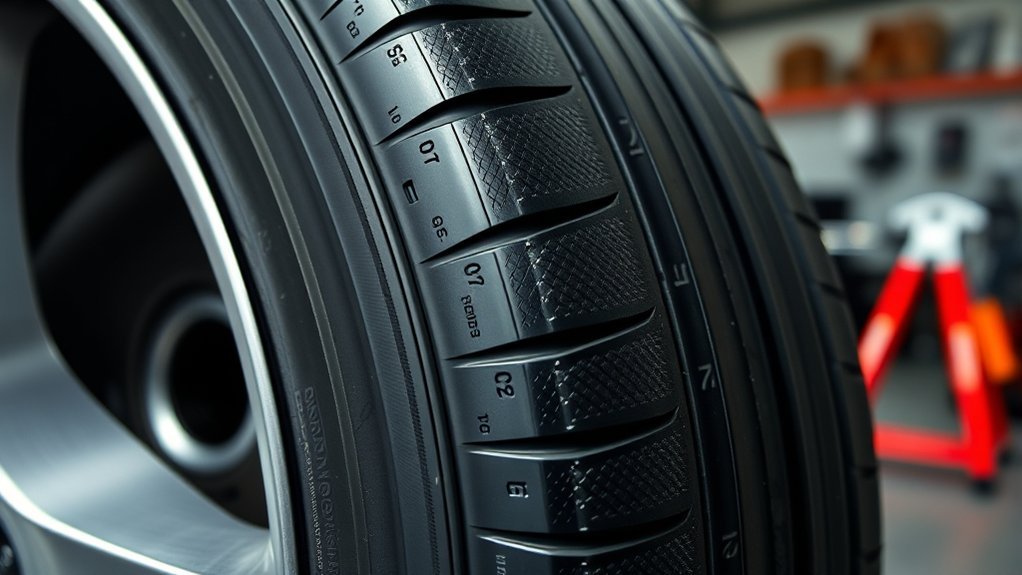
A 245 tire means the section width is 245 millimeters, so you’re looking at a wider tire that can improve grip, cornering stability, and handling. You still need to check the full size code, because the aspect ratio, load index, and speed rating tell you how tall the sidewall is, how much weight it can carry, and how fast it’s rated to run. Get those details right, and you’ll see why the rest matters.
Key Takeaways
- 245 on a tire means the section width is 245 millimeters.
- Wider tires usually improve traction, cornering stability, and steering response.
- Tire load index shows the maximum weight each tire can safely carry when properly inflated.
- Tire speed rating shows the maximum safe speed the tire is designed to sustain.
- Match tire size, load index, and speed rating to your vehicle requirements for safe, proper fitment.
What Does 245 Mean on a Tire?

You should match the width to your rim and vehicle spec, because the right fit keeps handling predictable and avoids uneven wear. A wider tire can improve traction, but it isn’t free power; you still need the correct load index and speed rating for safe operation. When you choose 245 wisely, you claim better road presence, firmer response, and the freedom to drive with precision, not compromise. Additionally, understanding tire performance criteria can further enhance your driving experience.
How to Read a 245 Tire Size Code
A 245 tire size code breaks down into specific measurements that tell you how the tire will fit and perform. You read it left to right: 245 is the section width in millimeters, measured across the tires from sidewall to sidewall. That width changes grip and handling; wider tires usually bite harder on the road. Next comes the aspect ratio, which shows the sidewall height as a percentage of the section width, so you can judge ride comfort and stability.
- 245 = section width
- /60 = aspect ratio
- R = radial construction
After that, you’ll see the load index and speed rating, which complete the code and help you choose tires that match your vehicle’s demands. Keep the full size string in view, because each part works together. When you understand the code, you can select fitment with confidence and drive with more freedom. Understanding tire performance characteristics is essential for making informed choices that enhance your driving experience.
What Tire Load Index Means
The load index is the number that tells you how much weight a tire can safely carry when it’s properly inflated. You’ll find this tire’s load index number on the sidewall, and it points to a standardized maximum load rating. For passenger tires, the load index usually runs from 70 to 126, so you can compare capacities across brands without guesswork. For example, a load index of 94 supports about 1,477 pounds, or 670 kg. If you drive Light Truck Tires, you may see dual load indexes like 104/101, showing different capacities for single and dual rear wheel use. That distinction matters when you match tires to your vehicle’s real demands. Don’t exceed the listed maximum load; overloading can damage the tire and threaten control. Read the load index as a practical limit, not a suggestion, and choose tires that fit your vehicle’s requirements with precision and freedom. Additionally, replacement tires must match the vehicle’s required specifications to ensure safety and performance.
What Tire Speed Rating Means
Speed ratings tell you the maximum speed a tire can safely maintain under its recommended load and proper inflation, and they’re shown by letters such as L, H, V, or Z. You use speed ratings to match the tire can support with real driving demands, not guesswork. A tire’s load index number tells you load capacity; the speed code tells you the maximum speed it can sustain under test conditions.
- L means up to 75 mph.
- H means up to 130 mph.
- V means up to 149 mph; Z means above 149 mph.
These ratings come from standardized testing, so they’re technical limits, not suggestions. If you exceed them, you risk heat buildup, structural failure, and loss of control. Keep your tires properly inflated and inspect for damage, because speed ratings apply only when conditions stay within spec. When you understand speed ratings, you make freer, safer choices behind the wheel every day. Additionally, maintaining proper tire maintenance is essential to ensure optimal performance and safety under various driving conditions.
How 245 Tires Affect Fit and Handling
With 245 tires, width matters because that 245 number is the section width in millimeters, and it directly affects the contact patch, grip, and overall handling. You’ll notice stronger cornering stability and firmer response, but the wider footprint can raise rolling resistance and trim fuel efficiency. Your aspect ratio also shapes the ride: a lower profile feels sportier, while a taller one cushions more. Fitment is critical. If the 245 tire doesn’t match the rim width, you can get uneven wear and weaker handling. Check that your suspension and wheel wells have room for the extra width, or the tire may rub under load or at full lock. When you choose replacements, confirm the load index and speed rating still meet your vehicle’s requirements. That way, you keep the freedom of precise control without sacrificing safety, comfort, or durability. Additionally, consider tire type to optimize performance based on your driving habits and preferences.
Frequently Asked Questions
Can I Replace 235 Tires With 245?
Yes, you can replace 235 tires with 245 tires if your vehicle specifications allow it. You’ll need to confirm tire compatibility, because the wider tire can create handling differences, slight performance impact, and minor fuel efficiency loss. Check wheel-well clearance, load index, and speed rating before you buy. Also weigh cost considerations, since 245s often cost more. If you’re unsure, consult your owner’s manual or a trusted tire professional.
Is There a Big Difference Between 225 and 245 Tires?
Yes, there’s a noticeable difference between 225 and 245 tires. You’ll get wider contact, which can improve tire performance, grip, and stability, especially in changing weather conditions. But you may lose some fuel efficiency and alter handling characteristics. Tread patterns matter too, since a 245 can increase ride comfort or road noise depending on design. Check fitment first, because your vehicle’s clearance and suspension must support the larger size.
Which Tire Is Wider, 245 or 255?
255 is wider, so you’ll get more tire width than with a 245. That extra 10 mm can change handling characteristics, improve grip, and create a noticeable performance impact, especially with aggressive tread design. You should also check vehicle compatibility, because a wider tire can affect clearance, steering feel, and fuel efficiency. If you want stability and traction, 255 often fits the role better than 245.
Are 245 Tires Good?
Yes, 245 tires can be a good choice if you want stronger tire performance and sharper handling characteristics. You’ll get a wider contact patch, which can improve grip, especially with a performance-focused tread design. They can also ride smoothly, though you may see slightly lower fuel efficiency and more road noise. In varying weather conditions, they work well when you match them to your vehicle and driving needs.
Conclusion
When you read 245 on a tire, you’re seeing more than a number—you’re seeing width, fit, load, and speed working together. If you match the code to your vehicle’s specs, you get the right balance of safety, handling, and tire life. Choose carefully, and the tire fits the road as naturally as the road fits the tire. In the end, the right 245 tire gives you confidence, control, and consistency, mile after mile.

Related Articles

What Does 110H Mean on a Tire? Load, Speed & Rating Guide
On a tire, 110H reveals load and speed limits, but the real-world impact may surprise you—keep reading to see why.
Read More
How Wide Is a 215 Tire? Exact Width & Fitment Guide
Keen to know how wide a 215 tire really is? Discover the exact width, fitment limits, and what might surprise your wheel setup.
Read More
How to Hang a Tire Swing: Safe Step-by-Step Installation Guide
Installing a tire swing safely takes the right branch, hardware, and setup—discover the simple steps to make it fun and secure.
Read More