
How Does a Tire Get a Bubble? Causes & Why You Need to Act Fast
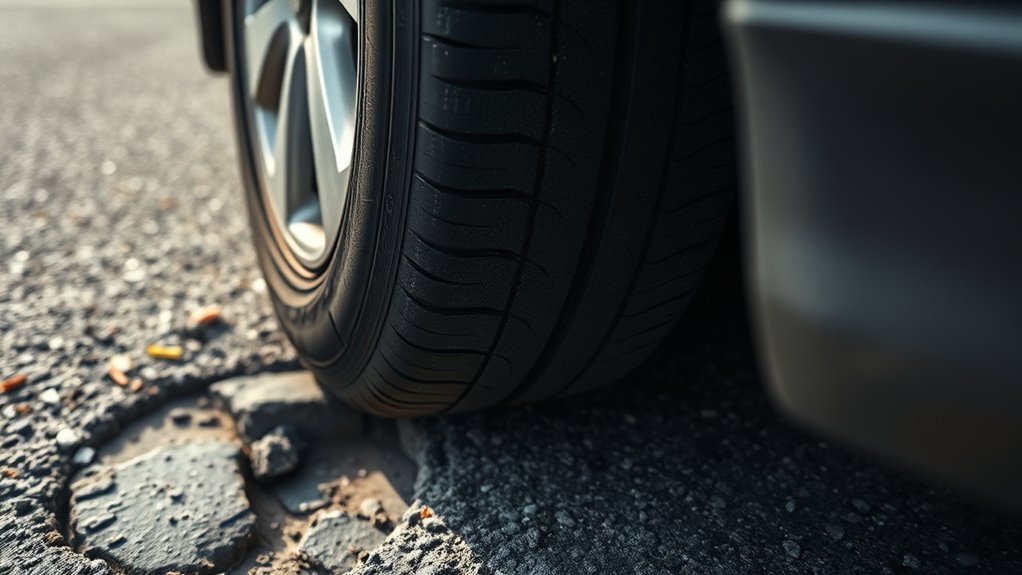
A tire bubble forms when impact damage or chronic underinflation breaks the tire’s internal cords, usually from potholes, curbs, or road debris. You may not see the damage right away, but the sidewall can swell as the weakened layers separate. Don’t drive on it: a bubble means the tire can fail suddenly and blow out. You should replace it and get a professional inspection fast, because the cause can also be a defect and there’s more to check.
Key Takeaways
- Tire bubbles usually come from impact damage, like hitting potholes, curbs, or road debris.
- Low tire pressure can weaken the sidewall and cause a bulge over time.
- Hidden internal damage may appear days after a hard hit, even if the tire looks fine at first.
- A bubble means the tire’s internal structure is compromised and could suddenly blow out.
- You should replace the tire immediately and get a professional inspection to check for defects or warranty coverage.
Is a Tire Bubble Safe to Drive On?
No—a tire bubble is not safe to drive on. When you see a tire bubble, you’re looking at a compromised internal structure, and that means the tire can fail without warning. Even a short drive can worsen the damage, raise pressure loss risk, and trigger a sudden blowout. That isn’t a minor defect; it’s a direct safety hazard for you and everyone near you.
The NHTSA estimates about 11,000 crashes each year from tire failure, and a bubble puts you in that danger zone. Don’t try to repair the bulge; it isn’t repairable. Instead, get the tire inspected and replaced by a qualified technician immediately. If you’ve hit a pothole or curb and now see sidewall bulging, treat it as an urgent stop signal. Your safest choice is to remove the vehicle from service until you’ve restored full tire integrity and regained control on the road. Additionally, regular tire inspections can help identify issues like treadwear warranties before they become critical.
What Causes a Tire Bubble?
You’ll often get a tire bubble after impact damage, such as hitting a pothole, curb, or road debris hard enough to weaken the tire’s internal structure. Low tire pressure can also raise the risk, because an underinflated tire flexes more, builds heat, and stresses the sidewall. If you keep driving this way, that weakened area can swell into a visible bubble. Regular tire maintenance can help prevent issues like hydroplaning resistance, ensuring your tires remain safe and effective on the road.
Impact Damage Causes
A tire bubble usually starts with impact damage that weakens the tire’s internal structure. When you hit a pothole, strike road debris, or slam a curb, the force can tear cords inside the tire sidewall and create a hidden weak spot. Driving too fast over a speed bump can do the same. You may not see the injury right away, but the damaged area can swell as the tire flexes under load. If you keep driving on a tire with a bruise, the bulge can grow and compromise handling, speed control, and safety. Even a short trip on a flat tire can worsen the internal damage. Inspect your tires after hard impacts, and replace any tire showing a bubble immediately.
Low Pressure Risks
Low tire pressure can also set up a bubble by letting the sidewall flex more than it should. When you run underinflated, the casing bends too much, and that repeated stress weakens internal cords and sidewall rubber. That’s one of the main low pressure risks: a bulge can form after a pothole, curb strike, or even normal road load. If you drive on a near-flat tire, even briefly, you can speed up hidden damage and raise blowout risk. Check inflation with a gauge, not your eyes, and keep pressure at the placard spec. Regular checks protect handling, extend tire life, and may preserve your tire warranty. Stay ahead of failure so you keep control and stay free on the road.
Why Potholes and Curbs Cause Tire Bubbles?
Potholes and curbs can damage a tire’s sidewall with enough force to compromise its internal structure, which lets air pressure push the weakened rubber outward and form a bubble. When you hit a pothole, the impact can break cords inside the sidewall, even if the outer rubber looks fine. That hidden damage weakens the tire’s shape, and a bulge can appear days later.
- A sharp curb strike compresses the sidewall and can bruise internal layers.
- Repeated pothole hits magnify the damage and raise failure risk.
- Any visible bubble means the tire’s structure is compromised and needs prompt replacement.
If you keep driving, you’re risking sudden blowout, loss of control, and unnecessary dependence on a damaged tire. The National Highway Traffic Safety Administration links tire failure to about 11,000 crashes a year, so treat sidewall bubbles as urgent. You deserve wheels that answer to you, not road hazards. Additionally, regular tire rotations can help maintain the integrity of your tires, reducing the likelihood of issues caused by road hazards.
Can Low Tire Pressure Cause a Tire Bubble?
Yes—underinflation can contribute to a tire bubble. When you drive with low tire pressure, the sidewalls flex more than they should, and that extra motion heats the tire and weakens its internal layers. You also create uneven stress across the carcass, so the tire can’t absorb impacts as designed. Hit a pothole or debris while underinflated, and the damaged area may swell into a visible bulge in the sidewall.
You can prevent this by checking pressure regularly and inflating to the manufacturer’s recommended setting. That’s a practical way to protect your freedom to drive without unexpected failures. If you spot a bubble, don’t keep rolling on it. The structure is already compromised, and the risk of a blowout rises fast. In that condition, the tire must be replaced. Additionally, maintaining proper rolling resistance can significantly enhance your tire’s longevity and performance.
Can a Tire Bubble Be a Defect?
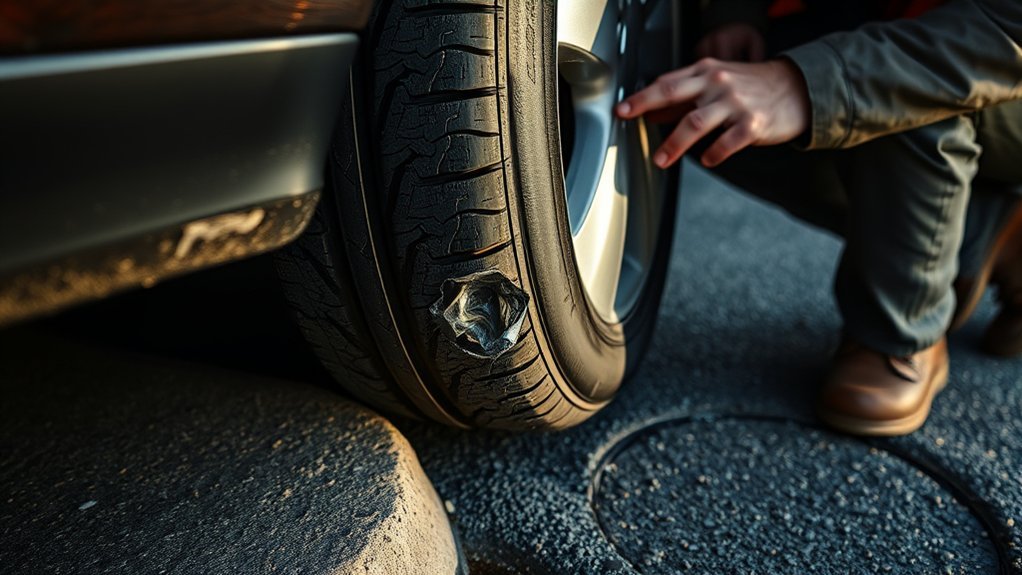
Absolutely—a tire bubble can sometimes be a manufacturing defect. When you see an air bubble on the sidewall, you may be looking at an internal structural failure, not an impact injury. That matters because the tire manufacturer’s warranty may cover hidden defects when no external damage is present. You should act fast and get a qualified technician to inspect it.
- Check for cuts, curbs, or impact marks.
- Ask for a professional diagnosis of internal cord separation.
- Submit a warranty claim if the evidence supports a defect.
Additionally, regular inspections can help identify dedicated winter tires that may also show signs of wear or defects early, ensuring your safety on the road. Don’t keep driving and hoping it’ll hold. A bubble means the carcass has lost integrity, and that can lead to sudden tire failure. Regular inspections help you catch these defects early, so you stay in control of your vehicle and your freedom on the road.
Can You Fix a Tire Bubble?
No—you can’t safely fix a tire bubble, especially when it appears on the sidewall. A bubble means the tire’s internal cords have failed, often from impact damage or a defect, and the structure can’t be restored. Any repair attempt leaves you exposed to sudden failure, pressure loss, and blowout risk.
| Condition | Action |
|---|---|
| Sidewall tire bubbles | Replace immediately |
| Visible bulge | Do not patch |
| Internal cord damage | Irreversible |
| Safety risk | High |
You need to treat this as damage due to compromised construction, not a surface blemish. Tire bubbles signal that the tire no longer carries load safely. If you keep driving, you’re gambling with control, freedom, and safety; tire failures contribute to thousands of crashes each year. Regular inspections help you catch issues early, but once a bubble forms, replacement is the only sound technical response. Consider that tire quality significantly affects vehicle performance, making timely replacements crucial for safe driving.
What Should You Do About a Tire Bubble?
If you spot a tire bubble, inspect it immediately and don’t drive on it, because the sidewall can fail without warning. A bubble isn’t a repair candidate, so you should replace the tire or install a spare and tow the vehicle if needed. Have a trusted shop or authorized dealer examine it right away to confirm the damage and check warranty coverage. Additionally, ensure your tire choice matches your driving style and location to prevent future issues.
Inspect the Tire Immediately
Inspect the tire immediately, since a bubble usually signals internal damage that can progress to a sudden tire failure. When you inspect the tire, look for bulges, cuts, and sidewall distortion around the bubble. Don’t drive farther than necessary; you need to protect yourself and everyone on the road.
- Park safely and check the affected area in good light.
- Compare the tire with the others for uneven swelling.
- If the bubble’s condition isn’t clear, fit a spare and stop driving.
A professional technician should perform a visual inspection to judge severity and confirm the damage. Delaying action raises blowout risk fast. Routine inspections help you catch a bubble early, so you keep control, preserve freedom, and avoid preventable danger.
Replace, Don’t Repair
A tire bubble means the tire’s internal structure is damaged, so you shouldn’t try to patch or repair it. You need to replace the tire immediately because a sidewall bubble can’t be fixed safely. Driving on it raises the chance of a blowout, sudden failure, and crash.
| Condition | Risk | Action |
|---|---|---|
| Bubble on sidewall | Structural failure | Replace |
| Bubble ignored | Blowout risk | Stop driving |
| Tire inspected early | Damage found | Replace as needed |
Act fast and protect your freedom on the road. Ignoring a bubble can turn a simple tire issue into costly repairs and serious harm. A qualified inspection can confirm the damage, but the outcome is the same: replace the tire, don’t gamble with safety.
Use a Trusted Shop
When you spot a tire bubble, take it to a trusted shop such as Jiffy Lube or Les Schwab for a professional inspection right away. You need fast, precise tire inspections because the bulge usually signals internal structural damage, not a cosmetic flaw. Technicians can tell whether an impact or a manufacturing defect caused it, and they can check warranty coverage.
- Don’t drive far; a bubble can fail suddenly.
- Ask for immediate replacement, since repair isn’t safe.
- Schedule routine tire inspections to catch problems early.
Act now to protect your freedom on the road and avoid a blowout that can destroy control. Visit Us for expert help, honest diagnosis, and a replacement that restores safe performance.
Frequently Asked Questions
Can I Drive on a Tire With a Bubble?
No, you shouldn’t drive on a tire with a bubble. You’re facing serious safety concerns and higher driving risks, because the bulge means the tire’s internal structure has failed. You could trigger a sudden blowout, lose control, or cause further pressure loss. Stop driving, replace the tire, and have a qualified technician inspect the wheel and suspension for hidden damage.
Can a Tire Bubble Be Fixed?
No, you can’t fix a tire bubble. You don’t have safe repair options because the sidewall’s internal structure is already damaged, and patching it won’t restore strength. Replace the tire immediately to prevent a blowout. For bubble prevention, keep tires properly inflated, avoid potholes, and inspect sidewalls regularly. You protect your freedom on the road by acting fast and refusing to gamble with a compromised tire.
What’s the Difference Between a Bulge and a Bubble?
A bulge is a larger, obvious outward swell in your tire’s sidewall, usually from impact damage, while a bubble is often a smaller blister that can come from a defect or underinflation. You should treat both as structural failure. For solid tire maintenance, include regular safety checks and replace either one fast. Don’t keep driving; you need reliable freedom from blowouts and control on the road.
What Causes a Tire to Develop a Bubble?
In a flash, your tire can develop a bubble when road hazards damage its tire construction. You might hit a pothole, curb, debris, or speed bump hard enough to break internal cords and let air push the sidewall outward. Overloading, driving on a flat, or manufacturing defects can also trigger it. You shouldn’t ignore it, because the tire’s structure has failed and the risk of sudden blowout rises fast.
Conclusion
A tire bubble is like a cracked shield: it still looks whole, but one hard hit can make it fail. You can’t safely drive on a bubbled tire because the internal structure is already damaged. Inspect your tires often, keep them properly inflated, and avoid potholes and curbs when you can. If you spot a bubble, don’t wait. Replace the tire fast, because a weak sidewall can burst without warning and put you at risk.

Related Articles
How Big Is an Airplane Tire? Size, Weight & Fun Facts
Keen to know how airplane tires can weigh over 200 pounds and still handle brutal landings? Discover their surprising size, strength, and secrets.
Read More
Does Insurance Cover Tire Replacement? What’s Actually Covered
Tire replacement isn’t usually covered—unless your policy has a surprising exception worth knowing.
Read More
Why Put a Plastic Bottle on Your Tire? The Viral Trick Explained
A viral plastic bottle on your tire may signal more than you think, but does it actually protect you or warn of danger?
Read More