
How to Remove Paint From a Tire: Effective Methods & Products
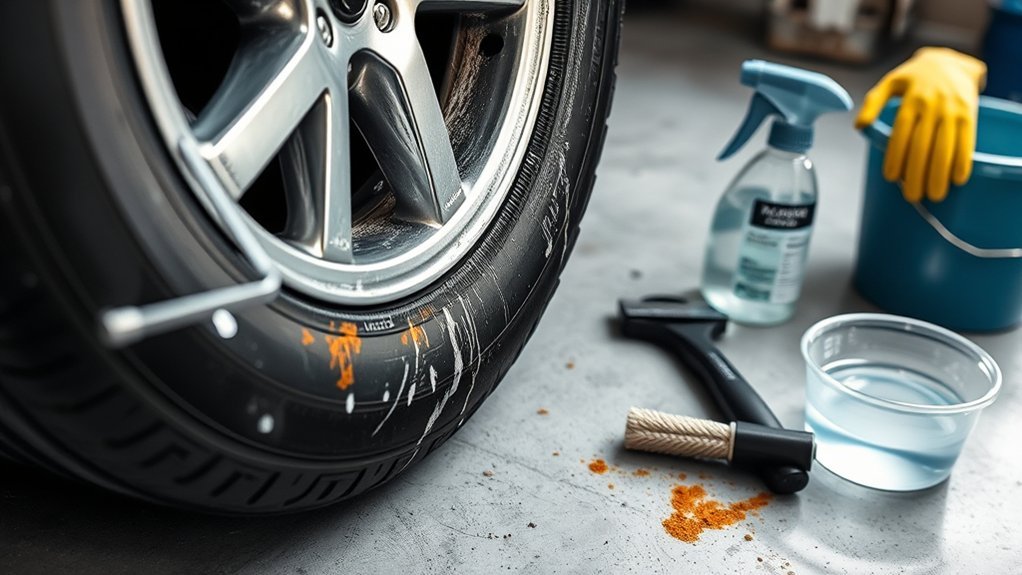
Start by testing rubbing alcohol on a hidden spot, then wipe the paint with a cloth and use a Scotch-Brite pad for light scrubbing. For tougher or older paint, apply lacquer thinner sparingly and work in small sections. Avoid acetone and brake fluid, which can damage rubber. Rinse the tire with warm, soapy water when you’re done, then dry it and apply a tire protectant to keep the rubber in good shape.
Key Takeaways
- Test rubbing alcohol on a hidden spot first; it often removes fresh paint without harming rubber.
- For tougher paint, use lacquer thinner sparingly with a Scotch Brite pad and scrub gently.
- Work in small sections and rinse frequently with warm, soapy water to prevent rubber damage.
- Avoid acetone, brake fluid, and caustic cleaners because they can weaken or dry out tire rubber.
- For old baked-on paint, consider careful spot blasting, but stop if the tire shows swelling or discoloration.
How to Remove Paint From Tires Safely?
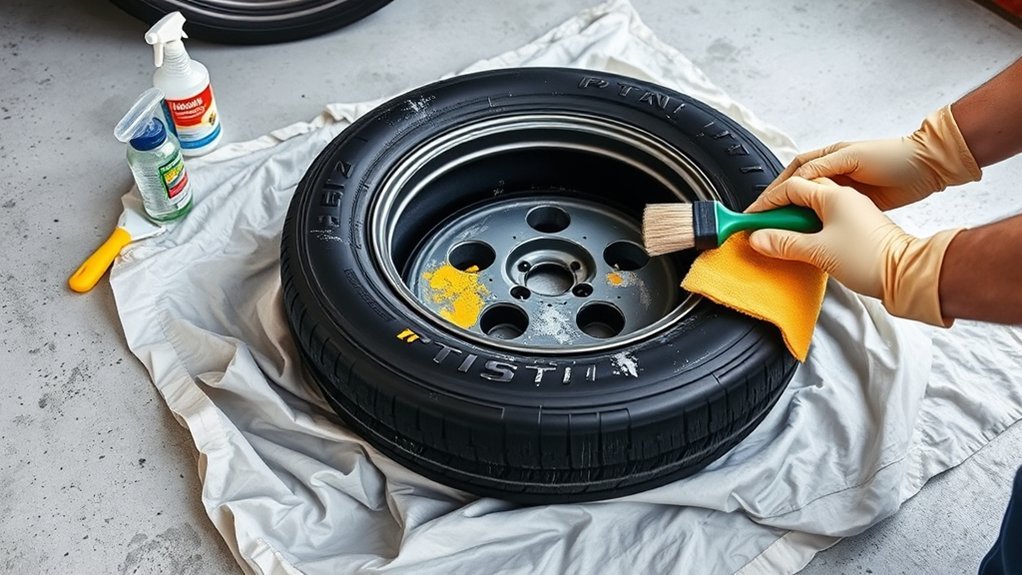
To remove paint from tires safely, start with rubbing alcohol or lacquer thinner and test the product on an old tire first to make sure it won’t harm the rubber. You can then work in small sections, applying the cleaner sparingly and letting it soften the paint. Use a Scotch Brite pad or a soft brush to remove paint without gouging the sidewall. Keep your pressure light and steady so you don’t bruise the rubber. Avoid acetone and brake fluid; they can weaken tire flexibility and create lasting damage. After the paint lifts, rinse the area thoroughly with warm, soapy water to clear away residue and protect the tire’s integrity. If the coating won’t budge, you may need pressure washing or sandblasting, but shield nearby rubber parts carefully. You’re aiming for clean tires and safe results, not shortcuts that compromise freedom or durability. Additionally, be mindful of tire durability when selecting your cleaning method to ensure you maintain the integrity of the rubber.
How to Remove Fresh Paint From Tires?
Act fast while the paint’s still fresh, and test a small hidden spot before you use any cleaner. Apply rubbing alcohol with a soft cloth or sponge, then gently scrub with a scouring pad or 3M Scotch pad. Finish by pressure washing the tire and rinsing it well with soapy water to remove residue. For best results, ensure the tire is free from road noise and debris before starting the cleaning process.
Act Fast
Fresh paint comes off tires far more easily if you get to it right away, so don’t wait before cleaning it up. To protect the rubber and keep your ride free, act quickly and treat the spot before the paint sets. Start by testing a small hidden area with rubbing alcohol on a soft cloth or sponge. If the tire stays intact, gently scrub the paint in short passes. You can use a 3M Scotch pad for extra lift, but don’t press hard. Work carefully and avoid digging into the tread. Once the paint loosens, pressure wash the tire to flush away residue and cleaning agents. Check the surface again and repeat only as needed.
Gentle Solvents
If the paint is still wet, you can often lift it with a gentle solvent before it bonds to the rubber. Start with rubbing alcohol, one of the safest gentle solvents for fresh paint on tires. Test a hidden spot first, then dampen a cloth and work the paint softly so you don’t scar the rubber. For stubborn spots, pair the alcohol with a 3M Scotch pad and scrub lightly in short strokes. If you need an easier option, spray WD-40 on the paint, let it sit briefly, then remove it with a pressure washer. Stay controlled and deliberate so you keep your tire intact and reclaim a clean, free-looking finish without harsh chemicals.
Rinse And Scrub
Once you’ve used a gentle solvent, move straight to rinsing the tire with water so the paint doesn’t have time to set, especially within the first 30 minutes. Rinse from top to bottom, clearing loose paint and residue before it bonds deeper into the rubber. Then scrub lightly with a soft cloth or Scotch pad dampened with rubbing alcohol. Keep pressure controlled; you’re freeing the tire, not grinding it down. Test the method on a small hidden spot first to check for discoloration or damage. After the paint lifts, rinse again with warm, soapy water to wash away leftover cleaner and paint traces. Finish by drying the tire and, if you want, apply a tire protectant to help restore flexibility, shine, and future resistance.
How to Remove Old Paint From Tires?
When you’re removing old paint from tires, start with the safest method that won’t damage the rubber. You can test a small hidden spot with lacquer thinner and a Scotch Brite pad, but use both sparingly and watch for any surface reaction. If the paint won’t budge, a spot blaster can strip it more effectively, but you’ll need to control the blast carefully and avoid overexposing the tire. Additionally, using all-season tires can help maintain your vehicle’s performance while you work on tire upkeep.
Safe Removal Methods
For safe removal of old paint from tires, start with the least aggressive method and test it on a small, hidden area first. Use rubbing alcohol on a cloth to loosen light paint while protecting the rubber. If the paint remains, apply a little lacquer thinner sparingly; don’t soak the tire, and work in short passes. A Scotch Brite pad can help you lift softened paint without scraping too hard. For larger, hardened areas, a spot blaster can remove paint efficiently with less risk than broad blasting. Keep your pressure controlled, inspect the surface often, and stop if you see rubber swelling or discoloration. By choosing measured techniques, you keep control, protect the tire, and free it from unwanted paint safely.
Stubborn Paint Solutions
Stubborn paint may need a stronger approach, but you still need to work carefully to protect the rubber. Test any method on a hidden spot first. For fresh spots, dab lacquer thinner on a Scotch Brite pad, then scrub lightly. For old, baked-on paint, sandblasting is the most thorough option, and it frees the tire fast without stressing the structure. If overspray lingers, you can use gasoline sparingly, but its fumes and flammability demand respect.
| Method | Note |
|---|---|
| Lacquer thinner | Strong on fresh paint |
| Scotch Brite pad | Gives controlled abrasion |
| Sandblasting | Best for stubborn buildup |
| Gasoline | Use only with caution |
| Test spot | Prevents costly damage |
Best Tire-Safe Paint Removers
Rubbing alcohol is often the safest place to start, because it can lift paint from tire rubber without causing damage when you apply it gently. You can dampen a cloth, work in small sections, and let the solvent do the lifting instead of scrubbing hard. If you need more bite, try the automotive version of Goof Off on fresh paint; it’s built for surfaces like yours. For tougher spots, a little lacquer thinner can work, but use only a tiny amount and wipe it off quickly. Avoid soaking the tire with any paint thinner, since excess exposure can weaken rubber. A Scotch Brite pad or stiff wire brush can help, but pair it with a safe solvent and light pressure. Always test your remover on a hidden patch first. That quick check helps you protect your tires while you reclaim a clean, free-looking ride. Additionally, using dedicated winter tires can prevent paint buildup from harsh road conditions.
Safe Solvents for Tire Paint
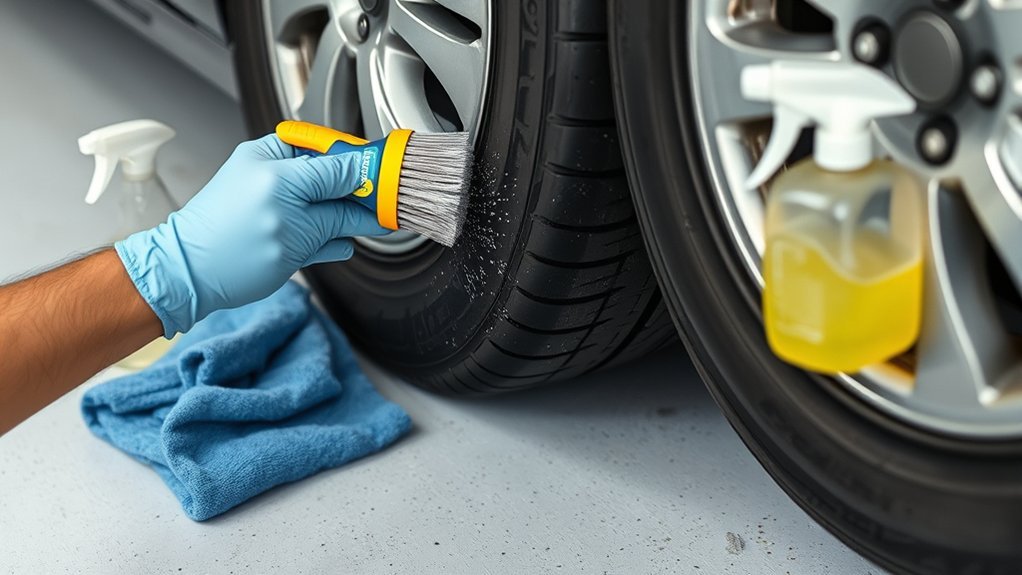
If the gentler spot-cleaning methods haven’t finished the job, choose a solvent that matches the paint and the tire’s condition. Start with rubbing alcohol; it’s a mild solvent that can lift paint without harming rubber, so it’s often your safest first test. Apply it sparingly to a cloth, dab the paint, and check the result before moving on. If the paint stays put, you can step up to WD-40, let it sit a few minutes, then wipe it away. For tougher residue, lacquer thinner can work, but keep exposure brief and controlled because it can degrade rubber. Chemical paint strippers are powerful too, yet you should test them on an old tire first. Whatever you use, finish by rinsing thoroughly with soapy water to remove every trace of residue and keep your tire intact, clean, and ready for the road. Additionally, ensure that the solvent you choose is compatible with deep tread depth, as this can impact the tire’s traction and durability.
How to Scrub Tire Treads Without Damage?
To scrub tire treads without damaging the rubber, start by testing your cleaner on a small, hidden spot, then apply rubbing alcohol or a mild solvent like Goof Off directly to the paint. Let it sit briefly, so you can scrub paint from tires with less force and more control. Use a soft-bristle brush, a coarse drill attachment, or a 3M Scotch pad, but keep your pressure light. Hard scrubbing can wear down tread detail and weaken the surface. All-season tires, like the Fullway HP108, are designed for reliable traction and comfort, making them a practical choice for everyday driving.
| Tool | Use |
|---|---|
| Soft-bristle brush | Gentle hand scrubbing |
| Drill brush | Faster tread cleaning |
| 3M Scotch pad | Controlled abrasion |
| Warm, soapy water | Final rinse |
Work in small sections and stop once the paint lifts. Then rinse the tire thoroughly with warm, soapy water to remove residue and loosened particles. This careful method helps you reclaim clean tires without giving up safety or control.
Chemicals to Avoid on Rubber Tires
When you’re removing paint from rubber tires, avoid brake fluid, acetone, paint thinner, and cleaners that contain caustic soda, since these chemicals can damage the rubber, cause brittleness or checking, and weaken the tire over time. These chemicals to avoid on rubber tires can turn a simple cleanup into costly tire damage, so choose gentler options instead.
- Don’t use brake fluid; it can deteriorate rubber and create safety risks.
- Skip acetone and other strong solvents; they may dry out the tire and trigger checking.
- Avoid caustic soda in any cleaner, because it can compromise tire integrity.
- Test any product on a hidden spot first, and limit contact time.
You should work quickly, rinse off residues promptly, and stop if the rubber looks dull, soft, or cracked. Additionally, maintaining tire durability is essential for safety and performance. Freedom on the road starts with protecting the tire you depend on.
How to Clean and Protect Tires After Paint Removal
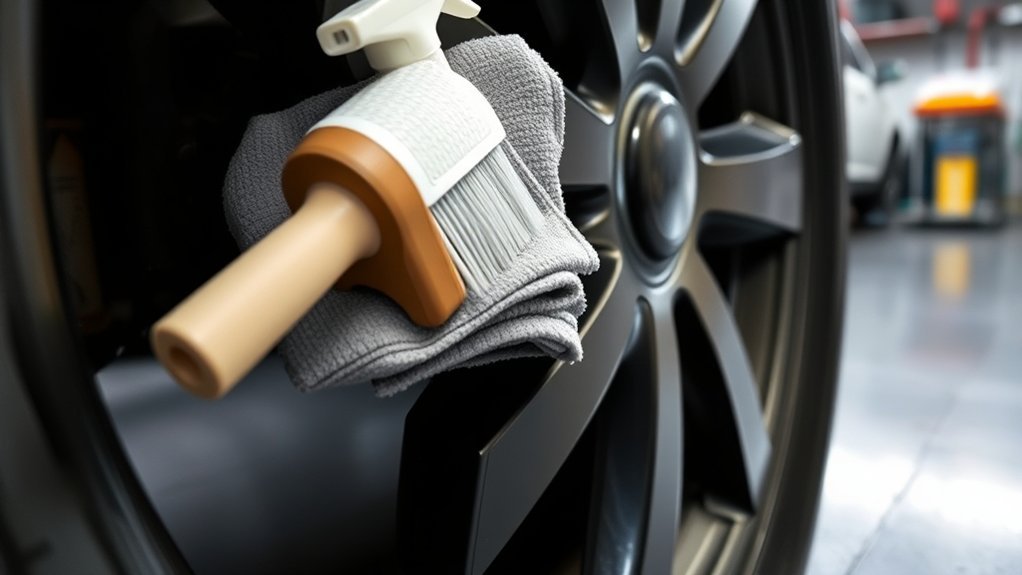
After you’ve removed the paint, rinse the tires thoroughly with warm, soapy water to wash away any chemical residue that could harm the rubber. Then clean the tires with your hands or a soft brush, using a mild automotive cleaner made for rubber. Skip harsh solvents; they can dry the sidewalls and weaken flexibility. Once the surface is clean, dry the tires with a soft cloth so you don’t leave water spots, streaks, or grime-catching residue. Next, apply a quality tire protectant to restore moisture and help guard against cracking. Spread it evenly, then let it absorb before driving. If paint splatter shows up again later, routine cleaning will keep buildup from taking hold and preserve a sharp, finished look. By choosing safe products and steady care, you protect the rubber, extend tire life, and keep your vehicle looking free, clean, and ready for the road. Additionally, using tires with higher UTQG ratings can enhance durability and performance, further contributing to their longevity.
Frequently Asked Questions
How to Get Paint off a Tire Without Damaging It?
Use rubbing alcohol on a small spot first, then gently wipe the paint with a soft brush or 3M Scotch pad. You’ll protect Tire Care by avoiding harsh scrubbing and keeping pressure low. If needed, you can use a pressure washer from a safe distance, but don’t blast the rubber. Rinse with soapy water afterward to remove residue. Test every method first, so you stay safe and keep control.
What Is the Best Thing to Get Paint off Rubber?
Lacquer thinner is the best thing to get paint off rubber, but you’ve gotta use it carefully. For stubborn spots, you can try Goof Off or automotive Goof Off, then wipe and rinse fast. Rubbing alcohol works better if you want a gentler option. Always test a small area first, and keep Solvent Safety in mind so you don’t damage the rubber while you free it from paint.
Will Vinegar Remove Automotive Paint?
Yes, vinegar can lift some automotive paint, but think of it like a soft rain against a stubborn wall. Vinegar Effectiveness is best on fresh overspray, not thick or cured paint. You should dab it on, wait a few minutes, then scrub gently. Test a small spot first, and don’t let it sit too long. Afterward, rinse the tire thoroughly with soapy water to protect the rubber.
Will WD-40 Remove Paint From Tires?
Yes, WD-40 can remove paint from tires in many cases, especially fresh spots, because its solvents help loosen the coating. You should spray it on, let it sit a few minutes, then wipe or scrub gently with a scouring pad. Always check Paint Compatibility on a small hidden area first. Afterward, wash the tire with soapy water to clear residue and protect the rubber.
Conclusion
When you remove paint from your tires, always start with the gentlest method and work up only as needed. You’ll protect the rubber and avoid costly damage that way. In fact, a well-maintained tire can last up to 30% longer than a neglected one, so careful cleaning really pays off. Finish by rinsing, drying, and applying a tire protectant to help restore flexibility and keep your tires looking clean and ready for the road.

Related Articles
How to Remove a Nail From a Tire: Step-By-Step Safe Guide
I’ll show you how to safely remove a nail from a tire, but one wrong move could turn a small puncture into a roadside headache.
Read More
How to Read a Tire’s Year Code: Finding the DOT Date Explained
Find your tire’s age from the DOT code, but there’s a hidden detail that could change everything.
Read More
How to Measure Tire Wear: Tread Depth Check Guide
Get the simple tire wear checks that reveal when your tread is dangerously low and what most drivers miss until it’s too late.
Read More