
How to Find Tire Width From the Sidewall Numbers
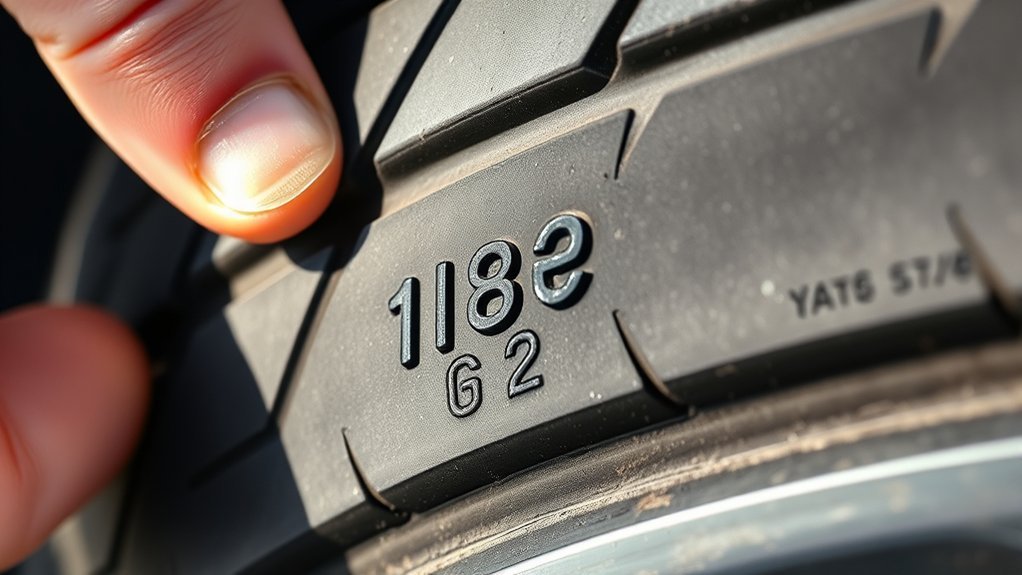
To find tire width from the sidewall numbers, look at the first three-digit number in the tire size code. That number gives the tire’s width in millimeters, measured from sidewall to sidewall. For example, 225 in P225/70R16 means the tire is 225 mm wide. You should also check the rest of the code for aspect ratio and wheel diameter, since fit and performance depend on the full size. There’s more to sizing than width alone.
Key Takeaways
- The first three digits on the tire sidewall show the tire width in millimeters.
- For example, 225 in P225/70R16 means the tire is 225 mm wide.
- Tire width should match your vehicle’s recommended specifications for safe fitment.
- Wider tires can improve traction, but they may reduce fuel efficiency and affect handling.
- Check the owner’s manual or doorjamb placard to confirm the correct tire width.
Decode Tire Width From Sidewall Numbers
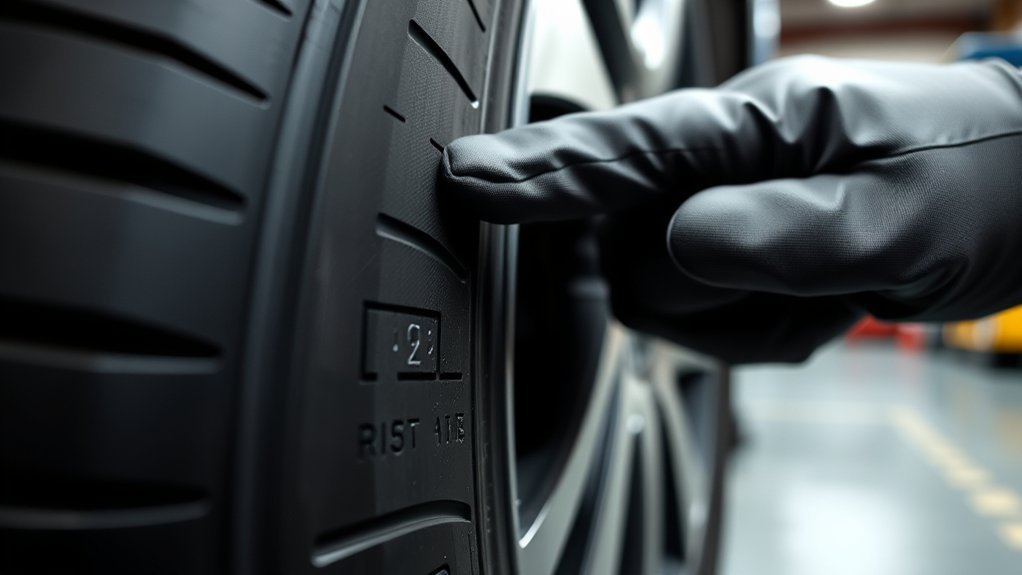
The first three-digit number on your tire’s sidewall tells you the tire width in millimeters—for example, the “225” in P225/70R16. You can use that number to read sidewall numbers fast and identify the tire’s section width, the distance across a mounted, inflated tire on a standard rim. In a passenger car tire, these measurements help you match the tire size to your vehicle specifications without guesswork. If you compare 225 mm and 255 mm tires, the wider option can improve traction, but it may also change fuel efficiency and handling. That tradeoff matters when you choose replacements or upgrades. Always check tire specifications against your vehicle specifications so you don’t compromise performance or safety. When you know how to decode tire width, you take control of the decision and select tires that fit your driving needs, road conditions, and freedom to move with confidence. Additionally, understanding all-season tire benefits can guide you in making informed choices for year-round performance.
Read the Full Tire Size Code
Once you’ve identified the width number, read the entire tire size code to understand how that width fits with the rest of the tire’s dimensions. In sidewall numbers like P225/70R16, the first three-digit value gives you tire width in millimeters. The full tire size code also shows the aspect ratio and wheel diameter, so you can judge section width in context. To measure section width accurately, the tire should be mounted and inflated on the correct wheel. Match replacement tires to your vehicle specifications, because the wrong width can compromise performance and safety. A lower aspect ratio usually means a shorter sidewall and can support sharper handling performance. Wider tires may improve traction, but they can also change efficiency and steering feel. Additionally, consider UTQG ratings to assess tire durability and performance. Read every part of the code before you buy, and choose a size that respects your vehicle’s limits while preserving control, comfort, and liberated movement on the road.
What Tire Width Means for Fit and Performance
Tire width directly affects how your vehicle fits and performs on the road. You read it from the sidewall numbers—the first three-digit value—and use it to judge fitment, handling, stability, and traction. A wider tire can sharpen cornering and road grip, but it can also raise rolling resistance and trim efficiency. A narrower tire often improves ride comfort and can feel lighter and more efficient. For real-world fit, you need the tire width to stay within the vehicle’s specs and align with rim width so the contact patch works as intended.
Tire width shapes fit, grip, comfort, and efficiency, so matching it to specs matters.
- Wider tire: more grip, stronger feedback
- Narrower tire: smoother ride, easier rolling
- Correct fitment: safer clearance and control
- Proper rim width: balanced performance
When you match tire width to your setup, you keep the car responsive without sacrificing safety or freedom on the road. Additionally, considering reliable wet and dry traction is crucial for optimal performance in varied driving conditions.
Match Tire Width to Wheel Size
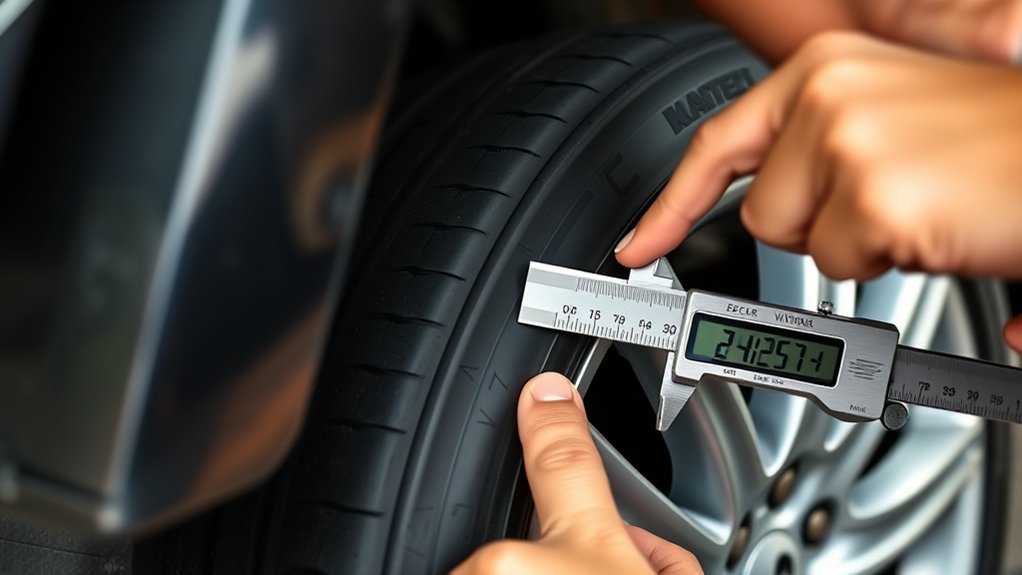
To match tire width to wheel size, start with the tire’s first three-digit number on the sidewall, since that width in millimeters helps determine whether the wheel is an appropriate fit. You read the sidewall numbers to confirm tire measurements, then compare them with the wheel size for proper tire sizing. In practice, the wheel width should sit close to the tire width; a wheel about 0.5 to 1 inch narrower often works well. Wider wheels can sharpen handling response, while narrower wheels may soften ride comfort. For performance vehicles, you can allow the tire width to exceed wheel width slightly for added grip, but keep clearance in mind. Don’t guess—check manufacturer specifications for both tires and wheels, because wheel compatibility affects stability, steering, and safety. When you align these measurements carefully, you keep control in your hands and make the machine serve your freedom, not limit it. Furthermore, consider the UTQG rating of the tire, as it provides insights into tread life and performance expectations.
Choose the Right Tire Width for Your Vehicle
Choosing the right tire width starts with the size code on the sidewall: the first three-digit number shows the width in millimeters, such as 225 in P225/70R16. Use those sidewall numbers to confirm your tire size, then compare the tire width with your vehicle specifications. Wider tires can improve traction and stability, but they may reduce fuel efficiency and soften ride comfort.
Check the sidewall’s first three digits to confirm tire width, then match it to your vehicle specs.
- Check your owner’s manual for the recommended tire width.
- Read the doorjamb placard to verify the factory tire size.
- Keep the aspect ratio and overall diameter in range.
- Recalculate speedometer accuracy before you change widths.
You want performance without compromise, so match the width to the wheel and preserve handling characteristics. If you’re chasing a freer, more capable drive, choose a width that supports control, not just appearance. The right tire width gives you predictable response, safer grip, and honest road feel. Additionally, consider how different tire options can impact your vehicle’s performance and comfort.
Frequently Asked Questions
How Do I Tell What Width My Tires Are?
You tell your tire width by reading the first three digits in the sidewall markings, like 225 in 225/50R16; that’s the width measurement in millimeters. Check tire sizing carefully, then compare tire profiles, aspect ratio, load index, and speed rating for fit. If you’re doing tire conversions, confirm rim compatibility and ignore tread patterns for width. You’ll know the tire’s section width, not the tread width, for precise, practical selection.
Which Tire Is Wider, a 50 or 55?
A 55 isn’t wider than a 50; it’s like a taller boot, not a bigger foot. In tire sizing, you use the sidewall markings to compare width: the first number sets width, while the aspect ratio changes sidewall height. That affects performance impact, tread design feel, load capacity, driving conditions, tire pressure, and seasonal changes. For true width comparison, check the first number, not the 50 or 55.
Is 285 the Height or Width of a Tire?
285 is the tire’s width, not its height. You’re reading tire specifications: 285 mm is the section or tread width, while the sidewall measurement comes from the aspect ratio, like 70 in 285/70R17. That affects tire performance, load capacity, rim compatibility, tire conversions, performance ratings, and tire types. Measure height separately if you need fitment data. Knowing this helps you choose freely and accurately for your vehicle.
Is a 225 or 235 Tire Wider?
A 235 tire is wider than a 225 tire, so you’ll get 10 millimeters more section width. In tire sizing, that width difference can change handling characteristics, load capacity, and performance impact. Your aspect ratio stays separate from width, but tread design and inflation pressure still affect tread wear. If you want better off road suitability or stability, the 235 may suit you better, though fitment matters.
Conclusion
Now that you can decode the sidewall numbers, you can find tire width with confidence. You’ll read the full size code, spot the width first, and match it to your wheel and vehicle specs. When the width fits the rim, the tire supports proper handling, tread contact, and load balance. In the end, the right number on the sidewall matches the right tire on the road, and that coincidence makes your choice clear.

Related Articles
How Does Tire Sizing Work? Decoding Every Number & Letter
Know what those tire numbers and letters really mean, and you’ll avoid costly fitment mistakes—until one crucial code changes everything.
Read More
How Does a Tire Gauge Work: Complete Guide, Tips & Expert Advice
Tire gauges reveal your PSI by sealing onto the valve stem, but the real accuracy tricks and expert tips might surprise you.
Read More
How Big Is a 265 Tire? Full Size Breakdown & Dimensions
How big is a 265 tire, really? Discover the full dimensions, hidden differences, and fitment surprises before choosing the wrong size.
Read More