
Does a Bigger Tire Affect Your Speedometer? Full Explanation
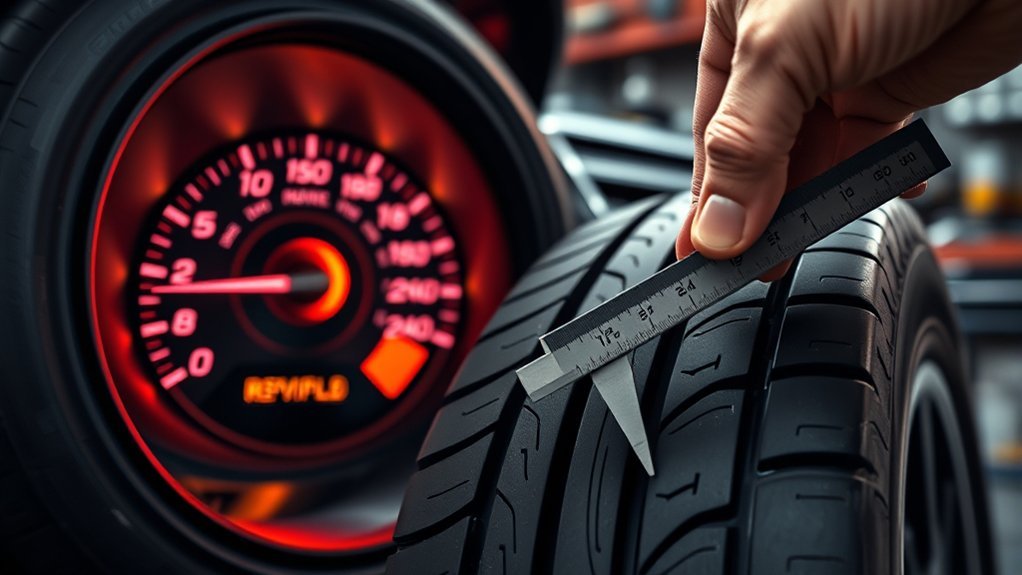
Yes, a bigger tire affects your speedometer because it changes the tire’s circumference. Each revolution covers more ground, so your wheels turn fewer times per mile and the dash reads lower than your actual speed. A small change may be minor, but over about 5% diameter difference, the error can become significant. Your odometer can also undercount distance. If you want, you can also recalibrate it or compare it with GPS for a precise check.
Key Takeaways
- Yes, bigger tires usually make the speedometer read slower than your actual speed because each rotation covers more distance.
- Larger tire diameter reduces wheel revolutions per mile, which also causes the odometer to undercount distance traveled.
- Tire size changes under about 5% often cause minor error, but larger changes can create noticeable speedometer inaccuracy.
- Plus sizing can keep overall tire diameter similar, helping maintain speedometer accuracy while changing width and sidewall height.
- If tire size changes significantly, recalibrate the speedometer or verify accuracy with GPS or mile markers.
Do Bigger Tires Affect Your Speedometer?
Yes—bigger tires do affect your speedometer because increasing tire diameter changes the distance covered per wheel revolution. You’re no longer matching the factory calibration when tire size grows, so the instrument cluster can’t infer road speed correctly. With larger tires, each rotation covers more ground, and that reduces speedometer accuracy unless you recalibrate. The effect comes from tire size, not wheel size, because the rolling circumference drives the reading. If your tires are 3% taller than stock, your dash may show 60 mph while you’re actually traveling 63.3 mph. That gap can expose you to speeding violations even when you think you’re compliant. For practical control, keep overall diameter changes within about 5% of original spec. If you want precise data, recalibrate after any tire change. You deserve the freedom to modify your vehicle without letting incorrect readings control your decisions. Additionally, all-season tires provide dependable performance across various conditions, which can be crucial when considering tire size changes.
Why Larger Tires Read Slower on the Dash
When you install larger tires, their increased circumference means each rotation carries you farther down the road. Because the tires make fewer revolutions per mile, the speedometer—still calibrated for the original size—reads a lower speed than you’re actually traveling. That’s why a dash set for smaller tires can underreport speed until you recalibrate it. Additionally, tire fitment FAQs highlight the importance of ensuring proper sizing to maintain accurate measurements.
Tire Circumference Increase
A larger tire has a greater circumference, so each revolution covers more road than a smaller tire, which causes the speedometer to underreport your actual speed. Your tire circumference directly changes distance per rotation, so speedometer accuracy drops unless you recalibrate.
| Tire size change | Effect |
|---|---|
| 28″ to 32″ | Gauge reads low |
| 3% taller tire | Noticeable error |
| Larger diameter | More road per turn |
| Uncalibrated system | Misstates actual speed |
| Recalibrated setup | Restores accuracy |
If you swap to a 32-inch tire, a displayed 60 mph can equal about 63.3 mph. That gap isn’t freedom; it’s hidden constraint. Keep overall diameter change within 5% when possible, or reset the system so your dashboard reflects real motion and you stay in command on the road.
Fewer Revolutions Per Mile
That lower speedometer reading happens because larger tires complete fewer revolutions per mile than the stock size. When you fit larger tires, each rotation covers more ground, so the odometer pulse rate drops and the gauge interprets less distance per unit time. The result is fewer revolutions per mile, which makes the speedometer reading lag behind your actual road speed. For example, a 28-inch tire replaced with a 32-inch tire can underreport speed, and even a 3% diameter increase can show 60 mph when you’re really near 63.3 mph. You need this data to defend your mobility and avoid hidden speeding violations that come from inaccurate instrumentation.
Dash Reads Lower Speed
Larger tires make your dash read lower because each rotation travels farther, so the speedometer—calibrated for the original tire diameter—sees fewer revolutions per mile and underreports your true speed. When you fit larger tires, the greater circumference changes overall diameter, and your speedometer loses accuracy. A 28-inch tire swapped for a 32-inch tire can show 60 mph while you’re actually near 65 mph. That gap matters if you value informed, autonomous driving. Keep the size change within about 5% to preserve accuracy, or expect systematic error. You can verify the drift by comparing dash readings with GPS data. If the numbers diverge, your speedometer isn’t broken; it’s simply calibrated for a smaller rolling distance.
How Much Tire Size Change Affects Accuracy
When your tire diameter changes by more than about 3% from the factory size, speedometer accuracy can shift enough to matter. With any tire size change, your speedometer must account for the new circumference. Taller tires roll farther per revolution, so the dash reports a slower speed than you’re actually driving. Smaller tires do the opposite and make the gauge read high. A 28-inch tire swapped for a 32-inch tire can show 60 mph when you’re really near 63.3 mph. That gap isn’t trivial; it affects compliance, distance tracking, and your control over the machine. You shouldn’t accept a passive instrument that misstates reality. Recalibrate after the change so the speedometer reflects true road speed and odometer data stays trustworthy. Precision gives you freedom: you can choose your setup, but you still need correct numbers to drive with confidence and protect your rights on the road. Additionally, incorrect tire sizing can impact treadwear ratings and overall vehicle performance, making it crucial to choose compatible options.
How Plus Sizing Keeps Speedometer Accuracy
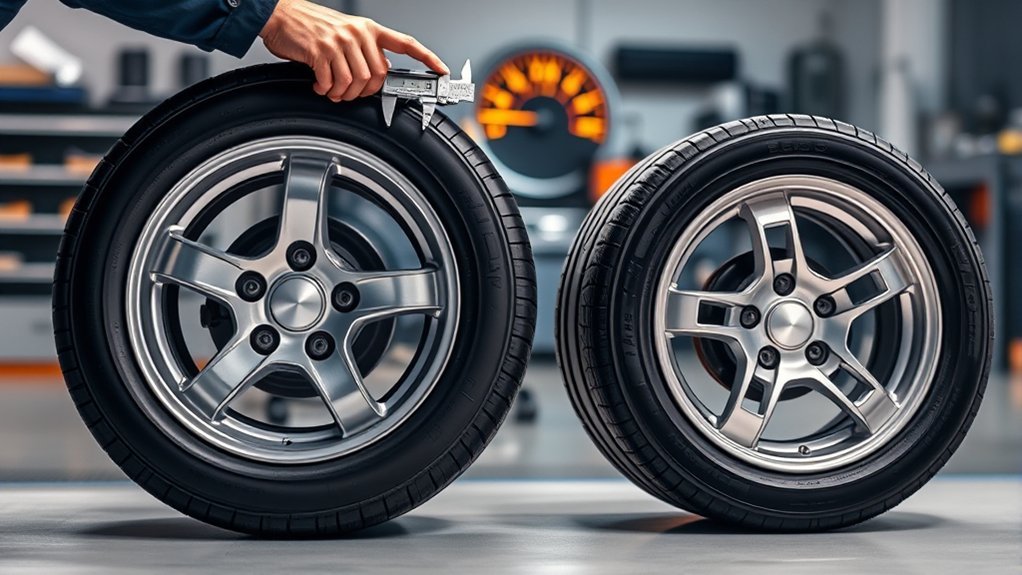
Plus sizing lets you change tire width and sidewall profile while keeping the overall diameter close to stock, so your rolling circumference stays nearly the same and your speedometer remains accurate. You can make a tire size change that preserves speedometer accuracy because the wider tire uses a lower-profile sidewall to offset added section width. That balance keeps the effective height consistent, so the wheel travels about the same distance per revolution. In practice, plus sizing gives you a cleaner stance and sharper handling without forcing you into a recalibration workflow. If you keep the diameter shift within about 5% of the original spec, you minimize error and avoid the common underestimation that comes with taller tire installations. For you, that means you can access the visual and dynamic benefits of larger tires while maintaining reliable readings and retaining the freedom to upgrade on your terms. Additionally, selecting tires with a UTQG rating can help ensure durability and performance in various conditions.
How to Recalibrate Your Speedometer
Even with careful plus sizing, you may still need to recalibrate your speedometer if the new tire diameter moves beyond the factory tolerance. When your tire size changes by more than 5%, you should treat recalibration as essential, not optional, because the speedometer can underreport road speed and distort legal compliance. You can visit a professional auto shop to recalibrate the cluster, or, on some modern vehicles, adjust settings through the onboard computer. Use a speedometer calibration calculator first to estimate the gap between indicated and actual speed; it helps you quantify how tire circumference alters the reading. Then choose the method that fits your vehicle’s architecture and access level. If you don’t recalibrate, you may unknowingly travel faster than displayed, which raises the risk of speeding violations. Accurate data gives you control, preserves safety, and lets you drive with confidence rather than mechanical guesswork. Additionally, selecting the right off-road tires can significantly impact your vehicle’s handling and speedometer accuracy.
How to Test Speedometer Accuracy at Home
How can you verify your speedometer after a tire-size change? Drive on a freeway with mile markers and use a stopwatch. Hold a steady 60 mph, then time how long you take to cover one mile. Convert seconds to hours; if the trip takes 60 seconds, your actual speed is 60 mph. Repeat the run several times, because road grade, traffic, and tire size can affect the accuracy. Average your results to reduce random error. Then compare that measured speed with what your speedometer reads. If the gauge differs from the benchmark tied to your original tire size, you’ve got a calibration mismatch. For a second reference, run a GPS device or mobile app at the same time. That cross-check gives you a cleaner data set and helps you reclaim precision. This method doesn’t need a shop, only discipline and attention to measurement. Additionally, consider that tire size changes can impact overall vehicle dynamics and performance.
What Bigger Tires Do to Your Odometer
When you install larger tires, your odometer starts undercounting distance because each revolution carries you farther than the factory calibration expects. That means your tire size directly changes the distance the odometer records, and you lose accuracy immediately. If you move from 26-inch tires to 30-inch tires, you can see roughly a 15% gap between displayed miles and actual travel. Over time, that error compounds: every trip adds more uncounted distance, so maintenance intervals drift and resale data weakens. You’re not just changing stance or clearance; you’re altering the measurement system that tracks your freedom on the road. If the odometer was calibrated for stock dimensions, bigger tires will make your vehicle appear to have traveled less than it really has. To keep readings trustworthy, stay within 3% of factory tire size or recalibrate the system. Additionally, consider the impact of tire tread depth on overall performance and accuracy.
Frequently Asked Questions
Can I Go From 235 to 225 Tires?
Yes, you can go from 235 to 225 tires if the tire size and overall diameter stay within about 3% of the original. You’ll likely notice handling differences, including slightly quicker steering and less rolling resistance. Check speedometer accuracy, because a smaller diameter can make it read fast. If the variance is significant, you’ll need speed calibration. Always verify load rating and fitment before you swap.
What Is the 3 Tire Rule?
You use the 3% tire rule to keep tire diameter impact small, so your speedometer accuracy stays close to factory specs. If your new tire’s overall diameter differs by more than 3%, you’ll likely read too fast or too slow, and ABS or traction control can suffer. You can verify the change with online calculators, then use recalibration methods if you’ve already exceeded that limit.
Can I Use 275 Tires Instead of 265?
Yes, you can often use 275 tires instead of 265 tires if your wheels and clearance allow it. The Tire width differences add 10 mm, so you’ll notice a Performance impact in grip and steering feel. Your Handling characteristics may improve in cornering, but you should verify overall diameter, offset, and suspension space. If the tire’s circumference changes too much, your speedometer can read incorrectly, so use a size calculator first.
How Do I Fix My Speedometer After Getting Bigger Tires?
You can fix your speedometer by getting a speedometer calibration that matches your new tire size. The tire size impact changes wheel rotation, so your dash reads slower than reality. If your vehicle supports it, you can make accuracy adjustments through the onboard computer; otherwise, use a shop calibration tool or professional service. Check mileage with mile markers and a stopwatch, then record the change for ongoing precision.
Conclusion
So, yes—when you fit bigger tires, your speedometer usually reads slower than your actual road speed because each wheel rotation covers more ground. That means your odometer also undercounts mileage. You can limit the error with plus sizing or eliminate it by recalibrating the system. If you’ve changed tire diameter, test accuracy with GPS or a measured mile so you know the real numbers, not some Stone Age guess from the dash.

Related Articles
What Is an RT Tire? Complete Guide & Best Options
I’ll reveal what makes RT tires the perfect middle ground—and which best options might surprise you.
Read More
What Is an HT Tire? Highway Terrain Type Guide
Tired of guessing if an HT tire is right for your driving? Discover what makes highway terrain tires different—and why the answer may surprise you.
Read More
What Is a Uhp Tire? Complete Guide & Best Options
Oversize your knowledge of UHP tires—discover what they are, how they differ, and which options could transform your drive.
Read More