
What Does 112T Mean on a Tire? Load, Speed & Rating Guide
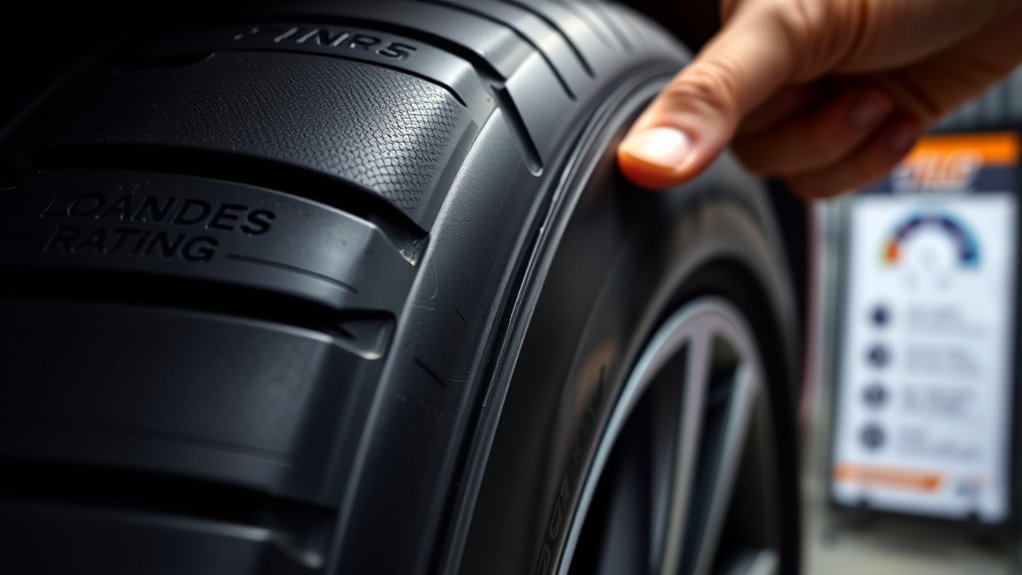
A tire marked 112T is showing its service description: 112 is the tire’s load index, and T is its speed rating. In plain terms, one 112T tire is rated to carry 1,120 kg, or about 2,469 lb, when it is the correct tire for the vehicle and is inflated to the proper cold pressure. The T speed symbol means the tire is rated up to 190 km/h, or about 118 mph, under specified test conditions. Before you buy or install one, compare the full tire size, load index, speed rating, and inflation requirement with your vehicle placard and owner’s manual.
Quick Answer
A 112T tire has a 112 load index, which equals 2,469 lb per tire at the correct pressure, and a T speed rating, which equals 118 mph (190 km/h). It is safe to use only when the full tire size and ratings meet your vehicle manufacturer’s requirements.
Key Takeaways
- 112 is the load index and equals 1,120 kg / 2,469 lb per tire at the proper inflation pressure.
- T is the speed rating and equals 190 km/h / 118 mph under specified conditions.
- The load rating is not your vehicle’s payload rating; your GVWR, GAWR, placard, and owner’s manual still control how much weight the vehicle can carry.
- Correct cold tire pressure matters because underinflation can increase heat buildup and reduce safe tire performance.
- Do not install a lower load index or lower speed rating than the vehicle requires unless the vehicle manufacturer or a qualified tire professional confirms it is acceptable.
At a Glance
| Time Required | 5–10 minutes |
| Difficulty | Easy |
| Tools Needed | Vehicle placard, owner’s manual, tire pressure gauge, and a calculator for load checks |
| Cost | Free if you are only checking the rating |
What Does 112T Mean on a Tire?
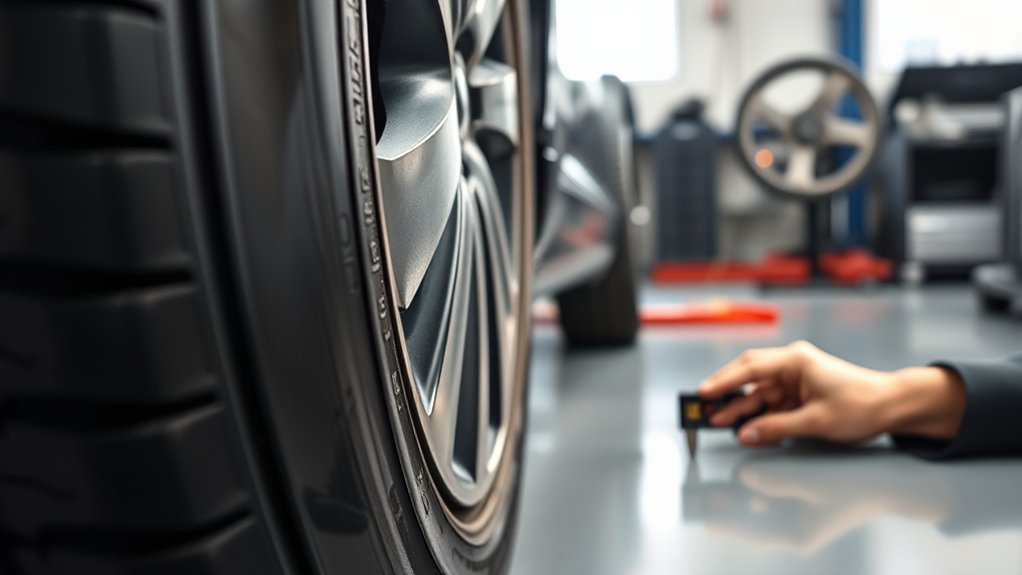
A tire marked 112T tells you two important limits about that tire. The number 112 is the load index, which matches a standardized chart showing how much weight one tire can support. The letter T is the speed symbol, which shows the tire’s maximum tested speed capability when the tire is properly inflated, correctly loaded, and in good condition.
You will usually see 112T at the end of a complete tire size, such as 265/65R17 112T. In that example, the size comes first, followed by the load index and speed rating. The 112T part does not tell you the tire width, rim diameter, tread type, or whether it is the best tire for your vehicle. It only identifies the tire’s load and speed service rating.
| Marking | Meaning | Rating |
| 112 | Load index | 1,120 kg / about 2,469 lb per tire |
| T | Speed rating | 190 km/h / about 118 mph |
Note: A speed rating is not permission to drive at that speed. Road laws, tire condition, vehicle load, weather, heat, inflation pressure, and wheel alignment all affect safe driving speed.
What 112 Means for Load Capacity
The 112 load index means one tire can carry 1,120 kg, or about 2,469 lb, when used at the correct pressure and within the tire maker’s conditions. That number is per tire, not for the whole vehicle.
For four 112-rated tires, the simple tire-capacity total is:
2,469 lb × 4 tires = 9,876 lb of combined tire load capacity, but that does not mean your vehicle can carry 9,876 lb.
Your vehicle’s own ratings still matter. The GVWR tells you the maximum allowed total vehicle weight, while the GAWR tells you the allowed load on each axle. Tire capacity must match the vehicle’s placard, axle ratings, tire size, and recommended cold inflation pressure. Federal tire selection rules also treat some passenger tires differently when used on multipurpose passenger vehicles, trucks, buses, or trailers, so do not rely only on four-tire math when checking fitment.
- 112 = load index value.
- 2,469 lb = approximate maximum load per tire.
- 1,120 kg = metric maximum load per tire.
- Correct inflation is required for the rating to apply.
- Vehicle placard and owner’s manual decide whether 112 is acceptable for your vehicle.
Warning: Never use a tire with a lower load index than your vehicle requires. Overloading or underinflating a tire can increase heat buildup, shorten tire life, and raise the risk of tire failure.
What the T Speed Rating Means
The T speed rating means the tire is rated for speeds up to 190 km/h, or about 118 mph, under specified test conditions. The speed rating appears right after the load index because load and speed work together: a tire must be able to carry the required weight while managing heat and stress at its rated speed.
Many everyday passenger vehicles, crossovers, and light SUVs use tires with T, H, or similar ratings, depending on the model. You should always match the rating listed on your tire placard or owner’s manual. A higher speed rating may be acceptable when the tire size, load index, construction, and fitment also match, but a lower speed rating can reduce the safety margin the vehicle manufacturer intended.
| Speed Symbol | Maximum Speed | Common Meaning |
| S | 180 km/h / 112 mph | Lower than T |
| T | 190 km/h / 118 mph | Common touring/SUV rating |
| H | 210 km/h / 130 mph | Higher speed capability than T |
Pro Tip: If your vehicle placard lists an H-rated tire, do not replace it with a T-rated tire just because the size fits. Match or exceed the original speed rating unless your owner’s manual gives a specific exception.
Where to Find 112T on the Sidewall
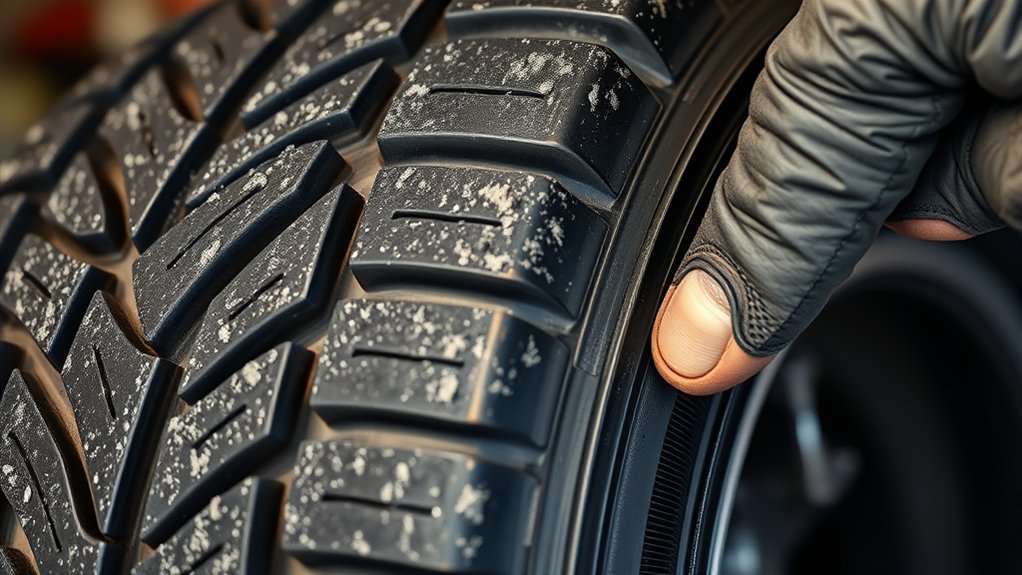
Look at the tire sidewall and find the full size code. The load index and speed rating usually appear near the end of that code. For example:
265/65R17 112T
- 265 = tire width in millimeters.
- 65 = aspect ratio.
- R = radial construction.
- 17 = wheel diameter in inches.
- 112 = load index.
- T = speed rating.
You may also see extra markings such as XL, LT, P, M+S, or the three-peak mountain snowflake symbol. These markings can affect how the tire should be used, so do not compare only the 112T portion when replacing tires.
How to Check If 112T Fits Your Car
To check whether 112T fits your car, compare it against the tire information chosen by the vehicle manufacturer. The best sources are the tire placard on the driver’s door jamb or door edge and the owner’s manual. The National Highway Traffic Safety Administration advises using the vehicle’s Tire and Loading Information Label or owner’s manual for correct tire size and cold tire pressure.
- Find the placard. Look on the driver’s door jamb, door edge, or nearby pillar. It usually lists tire size, cold tire pressure, seating/cargo limits, and sometimes load/speed information.
- Match the full tire size. Do not approve a tire just because it says 112T. The width, aspect ratio, construction, and rim diameter must also match an approved size.
- Compare the load index. A 112 load index is acceptable only if it meets or exceeds the required load rating for that tire size and axle position.
- Compare the speed rating. A T rating is acceptable only if it meets or exceeds the manufacturer’s required speed rating, unless your manual gives a specific exception.
- Check cold inflation pressure. Inflate to the vehicle manufacturer’s recommended cold pressure, not the maximum pressure molded on the tire sidewall.
- Check axle limits if you tow or haul. Make sure the tires fitted to each axle meet the vehicle’s front and rear GAWR requirements.
- Ask a tire professional if anything differs. If the tire type, size, load range, or speed rating is different from the placard, get confirmation before installing it.
[Products Worth Considering]

EVOULTES heavy duty tire inflator with an integrated gauge delivers accurate pressure readings from 10–120 PSI, helping you inflate, deflate, and check tires in one tool. The 16.5-inch extended dual-head air chuck with swivel base reaches hard-to-access dual wheel valves on trucks and RVs. A brass trigger core and side-mounted air release valve make operation smooth, with standard 1/4" NPT threading and quick-connect compatibility for easy setup.

This portable cordless tire inflator delivers up to 160 PSI with fast 17 L/min airflow to help you quickly top up tires and get back on the road. It features dual power mode, running on a 21V rechargeable battery or a 12V DC adapter for convenient roadside use. An automatic shut-off with digital pressure gauge helps prevent overinflation, and a built-in LED light improves visibility in low-light conditions.

The JACO FlowPro Tire Inflator measures, inflates, and airs down tires up to 100 PSI with battery-free operation and ±2% accuracy after calibration. It features a glowing pressure dial for night visibility, a heavy-duty steel build with a hybrid hose, and a precision push-to-inflate thumb trigger. The patented Lightning Air Chuck locks on for a secure seal, and the kit includes quick-connect hardware for easy inline use with your air compressor.
Load Index vs. Load Range: Why 112T Is Not a Load Range
112T is not a load range. It is a load index plus a speed rating. Load range is a different marking, often seen on light truck tires as letters such as C, D, or E. Load range relates to the tire’s strength category and inflation capacity, while load index tells you the actual maximum load number from a chart.
This matters because two tires can look similar but behave differently. A P-metric passenger tire, an LT light-truck tire, and an XL extra-load tire may have different inflation requirements and load rules even if the size looks close. Michelin explains that load and speed ratings form the service description and should be checked against the vehicle placard and owner’s manual when replacing tires.
[Products Worth Considering]

The Fanttik X10 Pro is a cordless portable tire inflator that reaches up to 150 PSI and can inflate an R15 tire in about 35 seconds for quick roadside or home top-ups. With AccuInFlate auto-stop and smart start/stop controls, it helps maintain accurate pressure and frees your hands once the target is reached. A high-visibility digital display and preset modes make it easy to set and monitor inflation for cars, motorcycles, bikes, and balls.

This portable cordless tire inflator delivers fast, efficient inflation for cars, motorcycles, bikes, and sports balls with a digital pressure gauge. Use the one-click PSI preset with auto shut-off for accurate, hands-free topping to your target pressure up to 150 PSI. It’s compact and rechargeable with a built-in emergency LED light plus valve adapters and accessories for quick, ready-to-go use.

Size : 5 size for choice(1 inch=2.54cm)
Can You Use a Higher or Lower Rating Than 112T?
You can often use a tire with a higher load index or higher speed rating if the full tire size, construction, rim fitment, and vehicle requirements still match. However, a higher tire load rating does not increase your vehicle’s GVWR, payload, towing capacity, or axle ratings. The vehicle’s own limits still apply.
Using a lower load index is not recommended because the tire may not support the vehicle safely. Using a lower speed rating is also not recommended unless the vehicle manufacturer allows it for a specific tire type, such as some winter tire applications. When in doubt, choose the tire rating listed on the placard or owner’s manual.
[Products Worth Considering]

Covered by Nexen's best-in-class Total Coverage Warranty which includes a 70,000 mile tread wear warranty for P-metric sizes and a 50,000 mile warranty for LT sizes, Road Hazard for the first 3/32" or 2 years, 36-months of Roadside Assistance, and a 45-day/500-mile Free Trial
Covered by Nexen's best-in-class Total Coverage Warranty which includes a 70,000 mile tread wear warranty for P-metric sizes and a 50,000 mile warranty for LT sizes, Road Hazard for the first 3/32" or 2 years, 36-months of Roadside Assistance, and a 45-day/500-mile Free Trial

Country of Origin : South Korea
Frequently Asked Questions
What load range is 112T?
112T is not a load range. The 112 is a load index worth 2,469 lb per tire, and the T is a speed rating worth 118 mph. Load range is a separate marking, often used on LT tires, such as Load Range C, D, or E.
Which speed rating is better, H or T?
H is the higher speed rating because it is rated to 130 mph (210 km/h), while T is rated to 118 mph (190 km/h). “Better” depends on what your vehicle requires. If your placard calls for H, use H or higher. If it calls for T, a T-rated tire may be correct.
What does the T mean in tires?
The T means the tire’s speed rating. A T-rated tire is rated up to 118 mph, or 190 km/h, under specified conditions. It should still be matched with the correct load index, tire size, pressure, and vehicle requirements.
What is the difference between 112S and 112T?
112S and 112T have the same 112 load index, so they carry the same rated load when properly inflated. The difference is speed rating: S is rated to 112 mph (180 km/h), while T is rated to 118 mph (190 km/h).
Does a 112T tire mean my vehicle can carry 9,876 lb?
No. Four 112-rated tires add up to 9,876 lb of combined tire load capacity, but your vehicle’s GVWR, GAWR, payload rating, tire placard, and owner’s manual still control the actual legal and safe load limit.
Can I replace 112T tires with 112H tires?
Usually yes, if the full tire size, tire type, load index, rim fitment, and vehicle requirements all match. A 112H tire has the same load index as 112T but a higher speed rating. Still, always confirm the replacement tire is approved for your vehicle.
Conclusion
A 112T tire gives you two clear pieces of information: 112 means the tire is rated for 2,469 lb per tire, and T means it is rated for 118 mph (190 km/h). Those numbers are useful, but they are only part of the fitment check. Match the complete tire size, load index, speed rating, tire type, and cold inflation pressure to your vehicle placard and owner’s manual. When the ratings match, you get a tire that supports the vehicle the way the manufacturer intended.
Sources
- Bridgestone Speed & Load Ratings — supports the load index 112 value and T speed rating value.
- NHTSA TireWise Tire Safety — supports tire placard, cold inflation pressure, tire maintenance, and safety guidance.
- Michelin Tire Load Rating and Speed Rating — supports service description, load rating, speed rating, and replacement tire guidance.
- 49 CFR § 571.110 via Cornell Law School Legal Information Institute — supports vehicle tire selection, placard, GAWR, load limit, and inflation-pressure context.

Related Articles
How to Stop Tires From Rubbing: 10 Clearance Fixes
Baffled by tire rub? Discover 10 proven clearance fixes that can save your setup—and find out which one actually works best.
Read More
How to Reduce Road Noise From Tires: 8 Proven Fixes
Muffle tire drone with 8 proven fixes that reveal the easiest ways to quiet your ride—and one overlooked step may surprise you.
Read More
Racing Tire Technology: How They’re Built for Speed
Ultimate racing tire technology blends grip, heat, and precision in ways that can shave seconds—discover what really makes them so fast.
Read More