What Does 98W Mean on a Tire? Load, Speed & Rating Guide
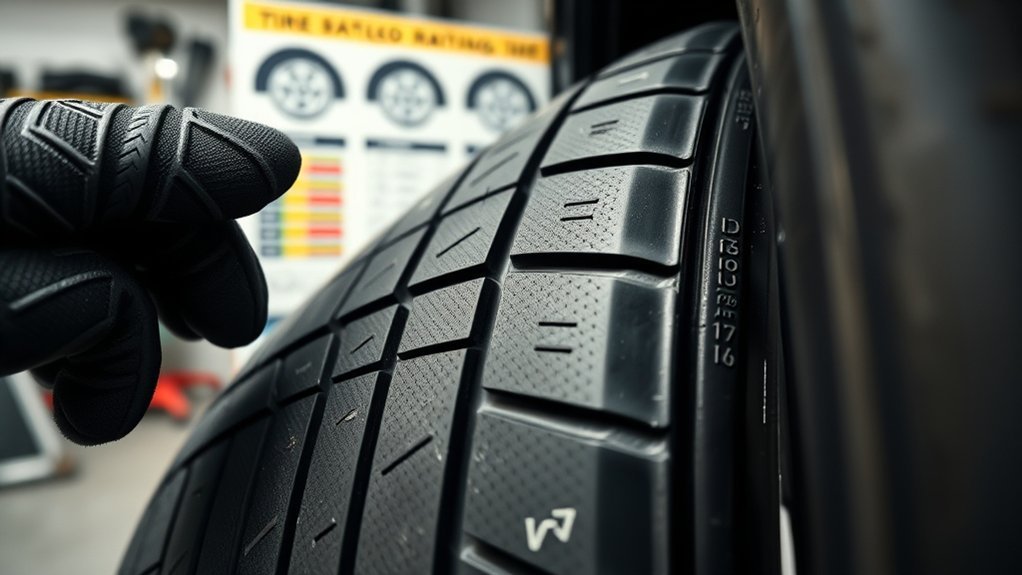
A tire marked 98W tells you two things: 98 is the load index, meaning each tire can carry up to 1,653 pounds, and W is the speed rating, meaning it’s rated for sustained speeds up to 168 mph. You should match both ratings to your vehicle’s requirements for safe handling and proper load support. If you want to compare ratings or check fitment, the details on the sidewall can clarify a lot more.
Key Takeaways
- 98W means the tire has a load index of 98 and a W speed rating.
- The 98 load index supports up to 1,653 pounds per tire.
- The W speed rating allows a maximum sustained speed of 168 mph.
- Tire markings appear on the sidewall and should match the vehicle placard and manual.
- Use the correct rating to maintain safety, handling, and vehicle performance.
What Does 98W Mean on a Tire?
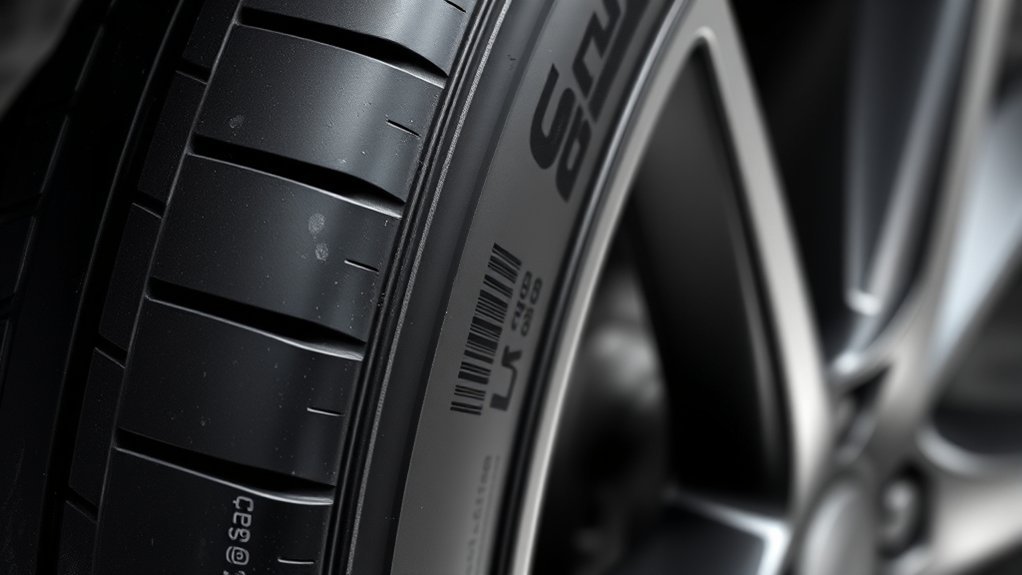
A tire marked 98W tells you two key performance limits: the 98 is the load index, which means the tire can carry up to 1,653 pounds when properly inflated, and the W is the speed rating, indicating a maximum safe speed of 168 mph under ideal conditions. You’ll find this code on the tire’s sidewall, alongside the tire size, so you can match the tire to your vehicle’s demands. The load index sets maximum load capacity, while the speed rating defines maximum speed capability and affects grip, handling, and overall performance. When you choose a tire, you’re choosing how freely it can support your drive without compromising safety. Never exceed either limit; doing so can trigger heat buildup, structural stress, and failure. Read 98W as a compact engineering statement: it tells you the tire is built for specific weight and speed demands, not arbitrary use. Additionally, understanding your tire’s UTQG rating can provide insight into its durability and performance characteristics.
What the 98 Load Index Means
The 98 in a tire’s load index means it can support up to 1,653 pounds when properly inflated, so you’re looking at a specific weight-carrying limit rather than a general size marker. In practice, this load index tells you the tire’s maximum load and helps you match the tire to the demands of your vehicle without guesswork. You’ll usually see this value on the tire’s sidewall, where it works with the rated speed to define the full service rating. A vehicle manufacturer sets load requirements for safety and control, so your tire’s load capacity should meet or exceed those specs. A 98 rating is common on mid-sized vehicles because it balances carrying ability and performance. If you choose the right number, you keep the vehicle stable, protect the casing from overload, and preserve driving confidence under real-world conditions. Additionally, understanding the treadwear warranty of your chosen tires can provide further insight into their longevity and value.
What the W Speed Rating Means
| Spec | Meaning |
|---|---|
| W | 168 mph max sustained speed |
| 98 | Load index for weight support |
| V | 149 mph reference rating |
| Maintenance | Protects performance |
| Inflation | Keeps heat and stability in check |
Your tire’s speed rating tells you how much velocity the tire can tolerate while staying stable. Compared with V, W gives you more headroom and more freedom on open roads, but only when you keep proper maintenance and inflation exact. That discipline preserves control, confidence, and safety. Choosing the right tires, especially dedicated winter tires, can significantly impact your driving experience in cold conditions.
Can You Use Tires With Different Ratings?
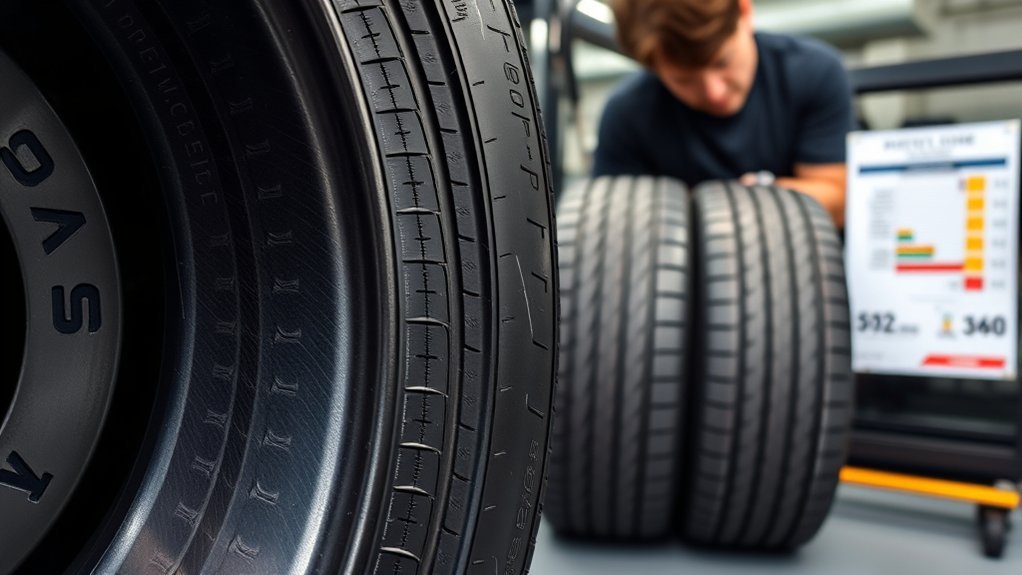
Yes, you can physically run tires with different speed ratings, but it isn’t recommended because the vehicle’s overall speed capability is limited by the lowest-rated tire. In the tire speed rating system, every tire must match the vehicle’s load, tire size, and intended performance envelope. When you start mixing tires, you reduce uniformity and can compromise vehicle handling, especially during braking, cornering, and emergency maneuvers. If you must use a lower speed rating, mount those tires on the front axle to help prevent oversteer and preserve stability. Still, the safest choice is to keep all four positions uniform in type, size, and speed ratings. You should always follow the manufacturer’s specifications, because they define the minimum requirements for safety and control. Matching tires gives you predictable response, balanced grip, and the freedom to drive with confidence rather than uncertainty. Additionally, consider tire performance in rain and snow conditions, as mismatched tires can lead to unpredictable handling in adverse weather.
Where to Find Tire Size and Ratings
| Location | What You’ll See | Why It Matters |
|---|---|---|
| Sidewall | Full code | Confirms current specs |
| Tire placard | Recommended size | Sits on driver’s side door jamb |
| Vehicle manual | Manufacturer specifications | Verifies compatibility |
The tire placard gives you the approved tire size and ratings for your vehicle, while the vehicle manual explains manufacturer specifications in detail. If you’re replacing tires, compare the sidewall code with the placard before you buy. That simple check helps you preserve compatibility, avoid guesswork, and keep your setup aligned with the engineering you rely on. Additionally, understanding the UTQG rating can help you choose tires that offer optimal tread life and performance.
Frequently Asked Questions
What Is the Difference Between 98W and 98Y Tyres?
98Y tires let you run faster than 98W tires: both share the same Load Capacity, but 98Y has a higher Speed Rating, 186 mph versus 168 mph. You’ll usually get sharper Tire Performance, Handling Characteristics, and Tire Construction tuned for ultra-high speeds, though Price Comparison, Noise Levels, Mileage Expectations, Brand Variations, and Weather Conditions can differ. Choose what your vehicle’s maker recommends, and keep both tires matched on each axle.
What Does 98S Mean on a Tire?
98S means your tire supports 1,653 pounds and tops out at 112 mph. You need this Tire load rating to meet Speed ratings and Safety standards. Proper Tire pressure, Tire construction, Weather conditions, Tire maintenance, and Driving habits all affect Performance factors, Fuel efficiency, and control. If you choose 98S, you’re matching your vehicle’s needs, not submitting to guesswork, and you’re protecting your freedom to drive with confidence.
What Is the Difference Between 98V and 98W Tires?
98V and 98W tires share the same load capacity, but their speed ratings differ: V reaches 149 mph, while W reaches 168 mph. You’ll get similar tire specifications and load capacity, yet W usually delivers stronger tire performance, handling characteristics, and temperature resistance at higher speeds. Tread design and tire durability may vary by model, so check inflation pressure and follow tire maintenance and your vehicle’s tire specifications.
What Is the Difference Between 98V and 98H Tires?
98V and 98H tires share the same load capacity, but they differ in speed ratings: V supports up to 149 mph, while H tops out at 130 mph. You’ll notice better tire performance, handling characteristics, and cornering with V-rated tires, though H may offer slightly better tire longevity and fuel efficiency. Keep tire pressure correct, consider weather conditions, and follow tire maintenance to preserve safety, road noise control, and stability.
Conclusion
When you see 98W on a tire, you’re looking at two key limits: the 98 load index and the W speed rating. Together, they tell you how much weight the tire can carry and how fast it can safely run. Check these ratings before you replace tires, because the right match protects handling, safety, and tire life. As the adage goes, “better safe than sorry.” Always verify your vehicle’s required specifications first.

Related Articles

Is Crossmax a Good Tire Brand? Performance, Value & Reviews
Understanding whether Crossmax is a good tire brand can save you money, but which model truly delivers the best value depends on your driving needs.
Read More
2 Pack 20 x 1.75/1.95/2.125 Bike Inner Tube Review: Tire Tubes with Repair Tool Kit
You rely on your bike to get around, exercise, or unwind, and a flat tire can turn a short ride into a hassle. This…
Read More
Tallew 40 Pcs Tire Patch Kit Review: Heavy-Duty Radial Repair Patches for Vehicles
You want a simple, affordable way to handle punctures without waiting for a tow or an expensive shop visit. The Tallew 40 Pcs Tire…
Read More