
All-Weather Tires for RAV4: All-Season Comparison
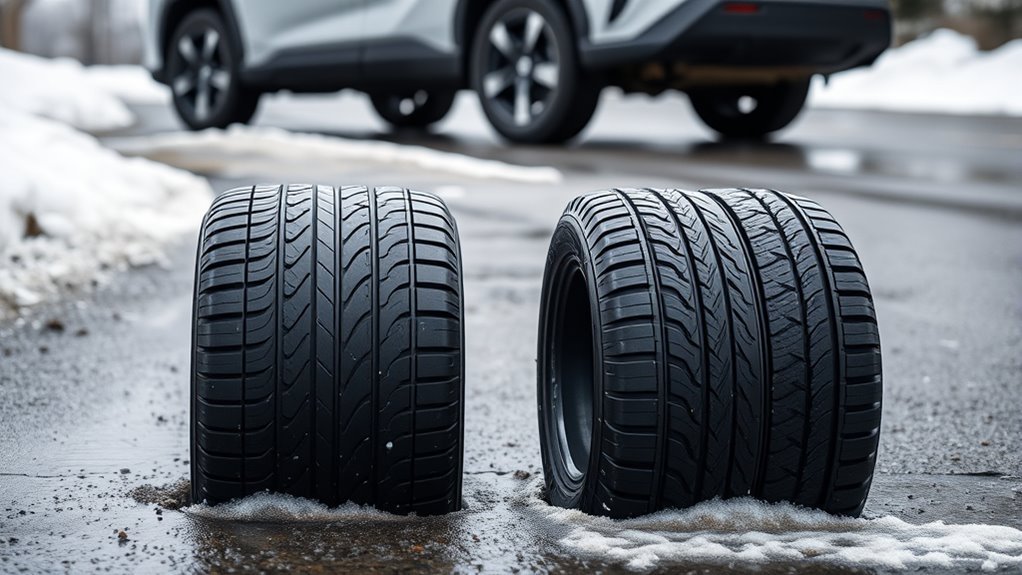
Choosing between all-season and all-weather tires for your Toyota RAV4 can affect how safely you drive in rain, slush, light snow, and cold weather. The right choice depends on your climate, winter road conditions, budget, and how much you want to avoid seasonal tire swaps. This guide explains the key differences, the trade-offs, and which option fits your RAV4 best.
Quick Answer
All-season tires work best for your Toyota RAV4 if you drive mostly in mild weather with rain, dry roads, and only light snow. All-weather tires make more sense if you face regular snow, slush, freezing rain, or cold winter roads. They cost more up front, but they can replace the need for seasonal tire changes in many four-season climates.
Key Takeaways
- Choose all-season tires if you drive your RAV4 in mild weather and want a quiet, fuel-friendly ride.
- Choose all-weather tires if you need better traction in snow, slush, and cold winter conditions.
- Look for the three-peak mountain snowflake symbol if winter grip matters in your area.
- Expect all-weather tires to cost more than all-season tires, but they may reduce tire-change hassle.
- Check your owner’s manual and tire placard before buying tires for your specific RAV4 trim.
What Are All-Season Tires and Their Benefits?

All-season tires give your Toyota RAV4 balanced performance in dry, wet, and mild cold weather. They suit moderate climates where you see rain, warm pavement, and only light snow.
Their tread designs help manage water on wet roads while keeping the ride smooth and quiet. Many drivers also choose them because they often cost less than all-weather or winter tires.
All-season tires do have limits. Their rubber compounds can lose grip as temperatures drop, especially on ice, packed snow, or untreated winter roads.
[Products Worth Considering]

These pre-assembled 15x6.00-6 front tire and wheel assemblies are designed for quick replacement on riding lawn mowers and lawn tractors. Built with natural rubber pneumatic tires and turf-friendly tread for solid traction and improved shock absorption. A thickened welded rim and 3/4" sintered iron bushing help provide stable, heavy-duty support for everyday mowing use.

Upgrade your vehicle’s wheels with these stylish valve stem caps featuring a resin emblem and a durable metal design. The caps rotate 360 degrees for a versatile fit across cars, trucks, motorcycles, SUVs, and bikes, and they’re quick to install without tools. Rubber rings help prevent flat tires and support stable tire pressure for safer driving.
![[2026NEW] 5000A Jump Starter with Air Compressor (150PSI)](https://m.media-amazon.com/images/I/71oG4PFNsmL._AC_SL1500_.jpg)
The 2026 Povasee 5000A jump starter is an all-in-one car power solution that jump-starts 12V vehicles and also inflates tires with a high-output air compressor. It supports multiple inflation presets with an LCD display, plus LED lighting and SOS signaling for safer roadside help. With secure protection systems, fast charging for phones, and 24-month standby, it’s built for reliable emergency performance in a wide temperature range.
Key Differences Between All-Season and All-Weather Tires
All-season and all-weather tires both aim to work across more than one season. The main difference comes from winter traction.
All-weather tires usually carry the three-peak mountain snowflake (3PMSF) symbol, which means they meet a snow-traction performance standard. All-season tires may handle light snow, but most don’t meet that winter-focused standard.
| Feature | All-Season Tires | All-Weather Tires |
|---|---|---|
| Best use | Mild weather, rain, dry roads, and light snow | Year-round use with better snow and slush traction |
| Winter rating | Usually lacks 3PMSF certification | Often carries the 3PMSF symbol |
| Ride comfort | Often quieter and smoother | May create more road noise |
| Fuel efficiency | Often more efficient | May slightly reduce fuel economy |
| Seasonal changes | May need winter tires in harsh climates | Can reduce the need for seasonal swaps |
Note: The 3PMSF symbol confirms snow-traction performance, but it does not make a tire equal to a dedicated winter tire on ice.
How Do All-Weather Tires Enhance Winter Performance for Your RAV4?
All-weather tires can improve your Toyota RAV4’s control in snow, slush, and cold rain. Their tread patterns and rubber compounds focus more on winter grip than standard all-season tires.
The three-peak mountain snowflake (3PMSF) symbol helps you identify tires built for stronger snow traction. That matters if you drive through New England winters, mountain roads, or areas with frequent freeze-thaw cycles.
You also gain convenience because you may not need a separate winter tire set. But you should still choose dedicated winter tires if you often drive on ice, steep snowy roads, or poorly plowed routes.
Quick Verdict: Which Tire Type Is Better for Your RAV4?
Choose all-season tires if your RAV4 sees mostly dry roads, rain, mild temperatures, and rare light snow. They fit drivers who value low noise, longer tread life, and better fuel economy.
Choose all-weather tires if your RAV4 faces snow, slush, freezing rain, or cold winter mornings for much of the season. They fit drivers who want one tire set that can handle more winter weather without seasonal changes.
Choose All-Season Tires If…
All-season tires make sense if you live in a moderate climate and rarely deal with real winter roads. They work well for commuting, highway driving, school runs, and daily errands in mostly dry or rainy weather.
- You want a quieter ride for daily driving.
- You want better fuel efficiency from your RAV4 or RAV4 Hybrid.
- You face only light snow once in a while.
- You plan to use dedicated winter tires during harsh winter months.
Choose All-Weather Tires If…
All-weather tires suit your RAV4 if winter weather shows up often but you don’t want to swap tires twice a year. They offer stronger snow and slush traction than typical all-season tires.
- You drive in snow, slush, or freezing rain each winter.
- You want one tire set for most year-round conditions.
- You live in a four-season region such as New England.
- You want better cold-weather confidence without storing winter tires.
[Products Worth Considering]

Upgrade your wheelbarrow, garden wagon, hand truck, or trolley with solid flat-free 13 inch replacement tires designed to avoid punctures and eliminate inflation time. Built with durable polyurethane and thickened steel for impact resistance and smooth rotation, the serrated tread improves traction on wet or slippery surfaces. Includes spacers and pins for easier installation and a universal 5/8 inch axle bore hole for a stable fit.

This 13-inch flat-free wheelbarrow tire uses solid polyurethane foam construction with steel rims, so it will not puncture, rot, or go flat. The anti-skid tread improves stability and maneuverability across garden, lawn, and mixed terrain. It includes pre-installed 5/8-inch bearings plus extra 3/4-inch bearings and a versatile adapter kit to fit compatible wheel sizes and cart hubs.

This dual head and ball air chuck set provides closed-flow tire inflation that routes air only through the chuck engaged with the valve. It includes both dual-head and ball-head chucks plus quick plug fittings for easy, fast connections to air lines and compressors. Built for reliable, leak-resistant operation, it’s ideal for filling Schrader valves on bikes, motorcycles, cars, trucks, and more.
Key Factors to Consider When Selecting Tires for Your RAV4

Start with your local weather, then match the tire to how you drive. A RAV4 used for short city trips needs different priorities than one used for ski trips or rural winter roads.
- Driving habits: Think about how often you drive in snow, slush, heavy rain, or freezing temperatures.
- Tire size: Check your driver-side door placard and owner’s manual before buying.
- Load and speed rating: Match or exceed the ratings Toyota lists for your RAV4.
- Road noise: Choose all-season tires if quiet highway driving matters most.
- Winter traction: Choose all-weather tires if cold-weather grip matters more than maximum comfort.
Pro tip: Replace all four tires at the same time when possible, especially on all-wheel-drive RAV4 models.
Cost: All-Season vs. All-Weather Tires
All-season tires often cost less than all-weather tires. Many RAV4-size all-season options fall near the lower end of the price range, while all-weather tires often cost more because they add stronger winter capability.
The higher price can still make sense if you avoid seasonal tire swaps, mounting fees, and storage costs. All-weather tires may also save time if you don’t want to schedule tire changes every spring and fall.
Price should not guide the whole decision. Safety, winter traction, tread life, warranty terms, and your local roads matter just as much.
Expert Recommendations for All-Weather Tires for Your RAV4 in New England
New England drivers often deal with rain, slush, snow, potholes, and quick weather changes. That makes all-weather tires a practical choice for many Toyota RAV4 owners.
Models such as the Michelin CrossClimate2 and Pirelli Cinturato WeatherActive often appear on shortlists because they focus on year-round traction and winter grip. Still, you should compare current sizes, warranties, prices, and test results before choosing a specific tire.
- Look for the three-peak mountain snowflake (3PMSF) symbol for snow performance.
- Compare treadwear warranties before you buy.
- Read independent test results when available.
- Confirm the tire fits your exact RAV4 year, trim, and wheel size.
Frequently Asked Questions
Are All-Weather Tires Worth It Over All Seasons?
Yes, all-weather tires can be worth it if you drive your RAV4 in regular snow, slush, or freezing rain. They give you better winter traction than most all-season tires while still working year-round.
What Are the Best All-Season Tires for a Toyota RAV4?
The best all-season tire depends on your RAV4’s size, trim, budget, and ride priorities. Many drivers compare options such as the Michelin Defender line and Bridgestone Dueler line because they focus on comfort, tread life, and daily-road stability.
What Are the Drawbacks of All-Weather Tires?
All-weather tires may cost more, create more road noise, and reduce fuel efficiency slightly compared with all-season tires. They also don’t replace dedicated winter tires for drivers who face frequent ice, deep snow, or steep mountain roads.
Do All-Weather Tires Work on a RAV4 Hybrid?
Yes, all-weather tires can work on a RAV4 Hybrid if they match the correct size, load rating, and speed rating. You may notice a small change in fuel economy because winter-focused tread designs can add rolling resistance.
Should You Use Winter Tires Instead of All-Weather Tires?
Use winter tires if you often drive on ice, deep snow, steep hills, or roads that crews don’t plow quickly. Choose all-weather tires if you want stronger winter grip than all-season tires without owning two tire sets.
Conclusion
The best tire for your Toyota RAV4 depends on the worst weather you expect, not the average day you drive. Choose all-season tires for mild climates, quiet rides, and strong daily comfort. Choose all-weather tires if snow, slush, and cold rain shape your winter driving. Match the tire to your roads, check your RAV4’s tire specs, and you’ll drive with more confidence all year.
[Products Worth Considering]

This 2-pack bicycle inner tube set is designed for kids, road, and MTB bikes with 20-inch tires in the 1.75 to 2.125 width range, using a 32mm AV Schrader valve. Each tube includes two tire levers for easier installation and safer handling while swapping tubes. Butyl rubber delivers reliable air retention, elasticity, and comfort for everyday rides.
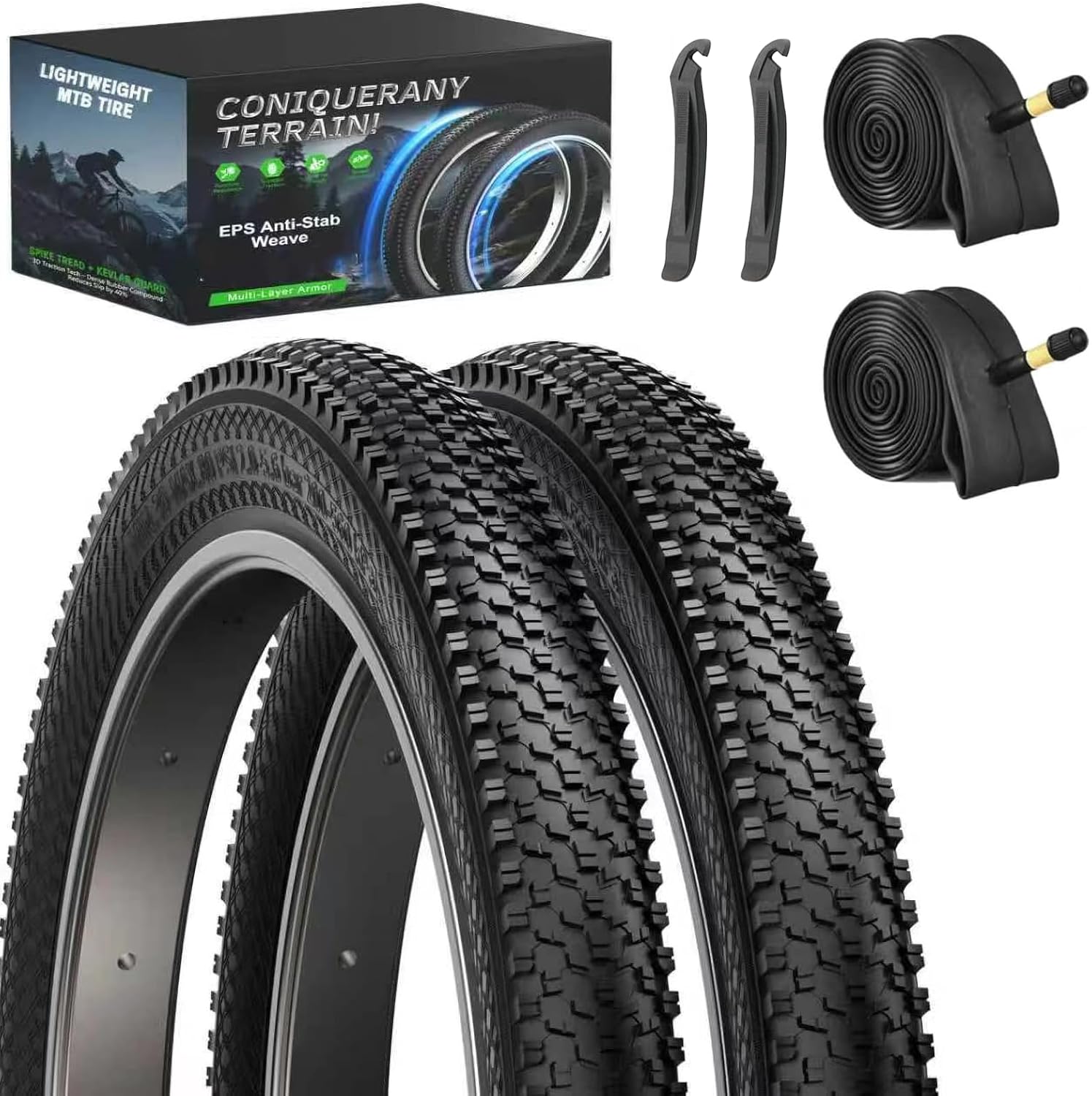
This 2-pack set includes two folding mountain bike tires, two inner tubes, and two tire levers for quick, budget-friendly replacements. The tires feature an anti-stab weave for added protection, plus strong grip and durable construction to help you stay stable across common trail and road conditions. Foldable design makes storage and travel convenient, while the included tubes provide a matched fit for smoother setup.

This 4-in-1 tire valve core removal tool helps you deflate, unblock, and remove or install valve cores quickly for easier tire repair. The multifunction design also supports re-taping damaged threads and reaming inside the valve stem for smoother service. Included as a 2-pack, it’s compact for convenient carry and works for cars, bicycles, and motorcycles.

Related Articles

Toyota RAV4 TPMS Reset: Easy Steps That Work
Unlock the secrets to resetting your Toyota RAV4's TPMS effortlessly—discover the essential steps to ensure your tires are always safe.
Read More
Toyota RAV4 Tire Rotation: DIY Steps & Pattern
Take control of your Toyota RAV4's tire maintenance with our simple DIY rotation guide—discover the best steps for optimal performance and longevity!
Read More
Mix Tire Brands on a Toyota RAV4? Expert Guide
Keeping your RAV4 safe? Learn when mixing tire brands risks traction, ABS/TCS and AWD damage — and what exact matches you must insist on.
Read More