Why Does My Tire Pressure Keep Going Down? Causes & Fixes
Your tire pressure keeps going down because air slowly escapes through the tire, valve stem, or bead seal, and cold weather can drop pressure by about 1 psi for every 10°F. Damage, rim corrosion, or a worn valve can speed the loss. Check all four tires monthly, use soapy water to find bubbles, and repair punctures or replace bad stems. If the leak keeps returning, the fix gets more specific from there.
Key Takeaways
- Tires naturally lose 5–10% of pressure monthly, and cold weather can lower pressure further.
- Slow leaks often come from damaged valve stems, punctures, or worn rubber sidewalls.
- Bead leaks and rim corrosion can break the tire-rim seal and cause repeated low-pressure warnings.
- Use soapy water on the tire, valve, and rim to find bubbles and pinpoint the leak.
- Fix minor punctures, replace damaged valve stems, and check pressure monthly to prevent future loss.
Why Do Tires Keep Losing Air?
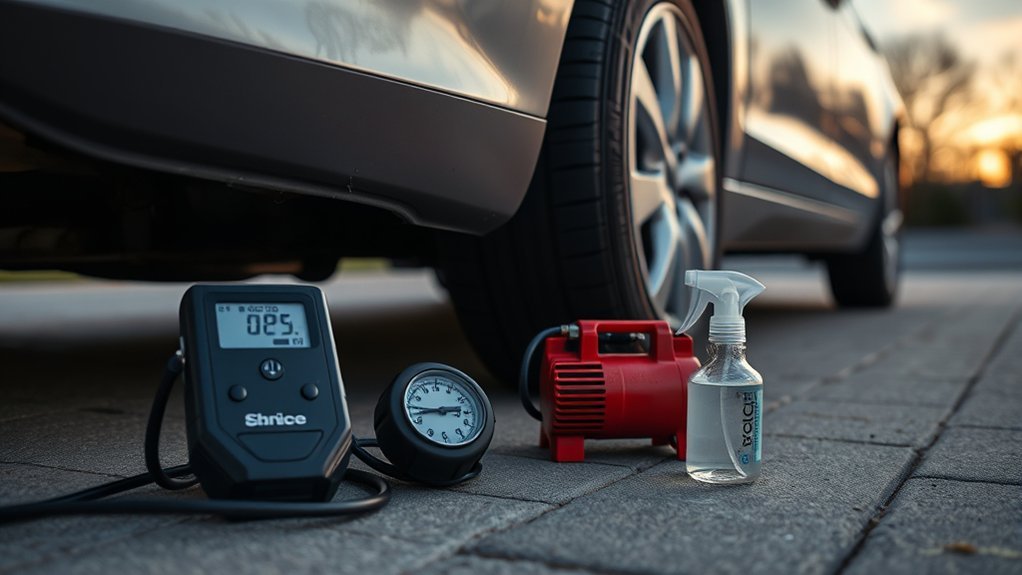
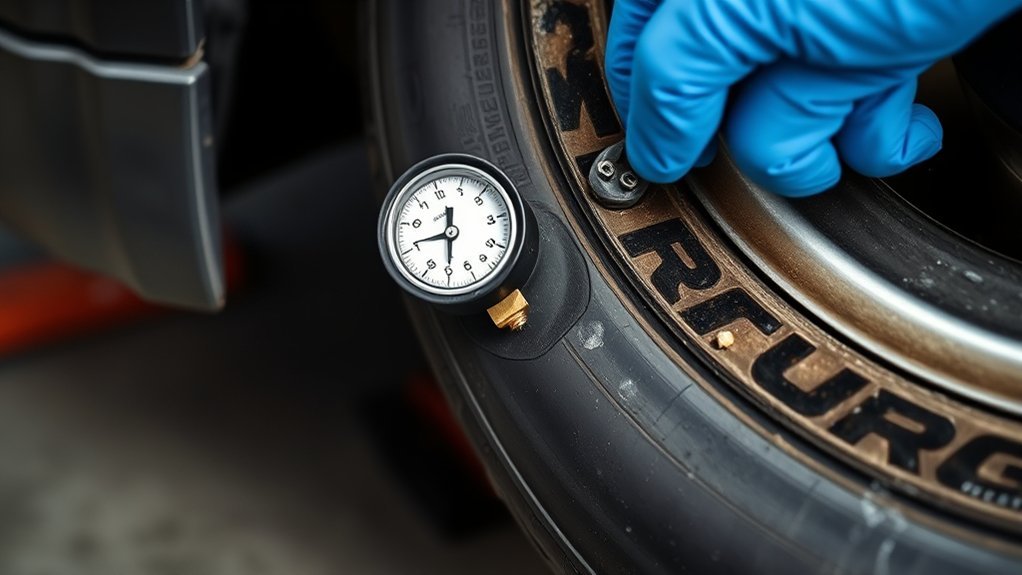
Tires lose air for a few normal reasons, even when they seem intact. You’re not imagining it: a tire can lose about 5-10% of its pressure each month, so check it with a tire pressure gauge before you blame a bigger fault. The common reasons are simple mechanical wear points. Damaged valve stems can let air escape. Punctures from road debris can do the same. A compromised bead seal can also create slow leaks that aren’t obvious at first. If you notice one tire losing pressure faster than the others, inspect it closely. Use a visual check, then spray soapy water on the tire, valve stems, and bead area; bubbles show where air is escaping. Catching these losses early helps you keep control, improve efficiency, and avoid being pushed around by preventable under-inflation. Additionally, maintaining proper tire pressure is crucial for optimal performance and safety.
Cold Weather and Normal Tire Pressure Loss
Cold weather lowers your tire pressure, often by about 1 psi for every 10°F drop, so winter can trigger low-pressure readings fast. Even in normal conditions, your tires lose roughly 5-10% of air each month, and colder temperatures can make that loss more noticeable. Check pressure regularly during seasonal changes to keep your tires properly inflated and your vehicle handling safe. Additionally, using dedicated winter tires can significantly improve performance in cold conditions.
Cold Weather Pressure Drops
As temperatures fall, tire pressure typically drops by about 1 psi for every 10°F decrease, so normal air loss can become more noticeable in fall and winter. In cold weather, the air inside your tires condenses, which reduces pressure and creates a predictable tire pressure drop. You may see a 3-4% loss for every 18°F temperature change, enough to trigger a warning light. Don’t ignore it. Check pressures when tires are cold, then adjust to the vehicle placard spec. Make regular inspections part of your tire maintenance, especially during seasonal swings. Quick checks help you stay independent, avoid underinflation, and keep handling and braking predictable.
Normal Tire Air Loss
Even outside temperature swings, you’ll still see gradual tire air loss over time. Your tires can lose 5–10% monthly, or 10–20 kPa, from normal tire air loss. Cold weather adds more pressure loss: about 1 psi for every 10°F drop, and another 3–4% per 18°F drop.
| Condition | Effect | Action |
|---|---|---|
| Monthly seepage | 5–10% loss | Check inflation |
| Cold snap | ~1 psi/10°F | Reinflate sooner |
| TPMS alert | Significant drop | Inspect tires |
Use regular maintenance to stay in control. Your tire pressure monitoring system helps, but it can’t replace manual checks. To protect handling and safety, check your tires weekly in winter and before long drives. Keeping correct pressure preserves performance, reduces wear, and gives you more freedom on the road.
How Permeation and Valve Leaks Happen
Tire pressure can drop gradually through two common sources: permeation and valve leaks. Permeation happens when air moves through the tire’s rubber sidewalls because the material is slightly porous. You may see a slow 1-2 psi loss each month, even when the tire looks fine. Valve leaks start when the valve stem or core wears, cracks, or loosens, letting air escape faster than permeation. A faulty valve can bleed off 1-3 psi per day, so small damage matters. Because neither issue usually leaves visible signs, you can’t rely on appearance alone. Make routine pressure checks part of tire maintenance, and inspect valve stems regularly for wear or damage. If you catch a leak early, you protect performance, extend tire life, and keep your ride free from avoidable pressure loss. Timely valve replacement and awareness of permeation help you stay in control. Additionally, carrying a reliable spare tire kit can provide peace of mind during unexpected situations.
How Wheel Damage Causes Tire Air Leaks
Wheel damage can also cause slow air leaks by breaking the seal between the tire and the rim. If the wheel bends, cracks, or corrodes, you lose contact at the tire bead and pressure escapes over time. You may notice a low tire pressure light after several days, not instantly, because the leak is gradual. Low-profile tires are especially vulnerable to pothole impacts, which can deform the wheel enough to compromise the seal. Proper tire installation matters too; if the tire isn’t seated correctly, the bead won’t lock evenly and air leaks can start right away. You should treat wheel integrity as nonnegotiable, because even minor wheel damage can drop performance and efficiency. Use regular inspections to catch bends, cracks, and visible damage before they weaken the seal. If you keep your wheels sound, you keep more control, less waste, and fewer pressure problems. Additionally, maintaining tire pressure is crucial to ensure optimal performance and safety.
Spot Bead Leaks and Rim Corrosion
If you’re losing pressure slowly, check for bead leak signs like a tire that goes flat overnight, repeated low-pressure alerts, or bubbles at the rim edge. Look for rim corrosion clues such as pitting, flaking, or white oxidation on aluminum wheels, since these defects can break the seal. You can often fix the issue with proper cleaning, sealing, or remounting, but severe corrosion may require rim repair or replacement. Additionally, ensure that your tires are compatible with your vehicle’s load indexes to prevent pressure loss due to improper fitment.
Bead Leak Signs
A bead leak happens when the seal between the tire and rim is compromised, letting air escape slowly through the bead area. You may notice your tire losing air without visible damage, which points to a bead leak. Check for air pressure drops, then spray soapy water around the bead; bubbling shows escaping air. You should inspect the rim and tire edge during regular inspections, because debris, poor mounting, or a shifted tire can open tiny gaps. Keep the area clean and confirm the tire sits evenly on the rim after installation. If the leak returns, have the wheel reseated before you keep driving. Fast checks keep you in control, protect tire life, and help you move freely without constant pressure loss.
Rim Corrosion Clues
Rim corrosion can mimic a bead leak by opening tiny gaps between the tire and wheel, so slow air loss isn’t always from the tire itself. Check the wheel rim where the bead seats; corrosion can nick the seal and drop tire pressure. Aluminum rims often pit when moisture or debris stays trapped, and that damage can keep bleeding air. Look for these clues:
- White, chalky buildup along the rim edge
- Dark spots or flaky metal inside the bead area
- Uneven seating after mounting or rotation
Inspect both inside and outside rim edges. Clean away grime, then watch for recurring slow air. If you spot corrosion early, you keep control, extend tire life, and protect performance. Proper installation matters too, because misalignment can turn a minor flaw into a leak. Inspections can help you catch it.
Seal Repair Options
Spot bead leaks usually start where the tire bead and rim no longer seal tightly, so you’ll want to isolate the source before you repair it. Inspect the bead seat and rim edge for debris, damage, or rim corrosion, then check for bubbles with soapy water. If you find bead leaks and the rim is clean, sealant products can stop minor air loss fast. If corrosion has pitted the wheel, you may need professional refinishing or replacement to restore a true seal. Don’t force a damaged tire onto a rough rim; correct installation matters. Re-seat the tire with proper alignment and inflation, then verify the fix. These repair options help you regain control, keep pressure steady, and avoid surrendering time and money to preventable leaks.
Find a Tire Leak With Soap and Water
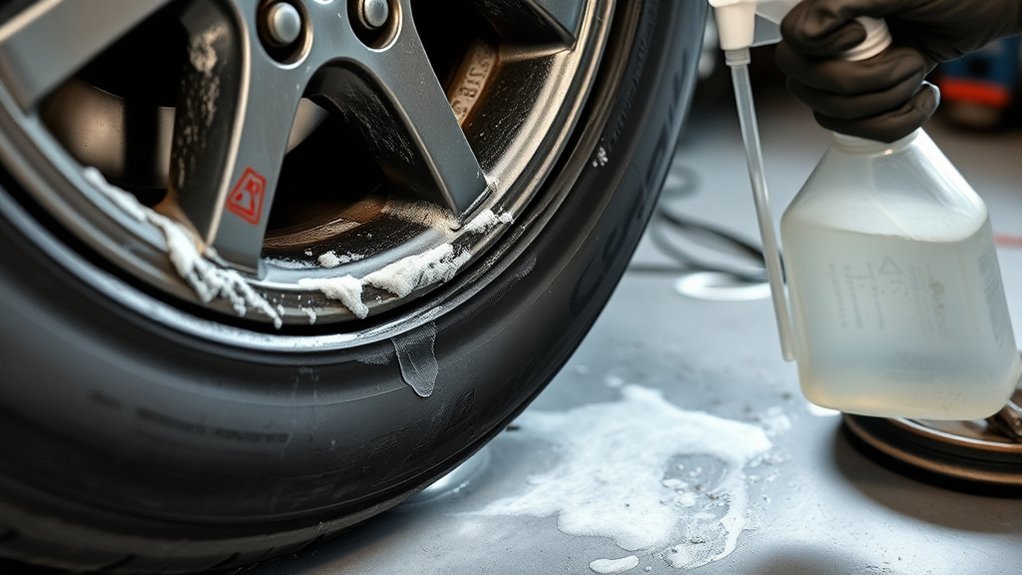
To find a tire leak with soap and water, mix soap with water and spray it over the tire and rim, then watch for bubbles where air is escaping. This soapy water test helps you see why your tire loses air, even without a visible puncture. Keep the tire deflated, then inspect the valve stem, rim edge, and sidewall. Spray each area evenly and wait about 5 minutes; slow leaks often need time to show. Look for steady bubbling, which marks the leak source.
- Tiny bubbles around the valve stem
- A foamy line at the rim bead
- Patches of fizz on the sidewall
Use this method to expose hidden slow leaks from small punctures or bead leaks. Once you spot bubbles, mark the area clearly so you can move forward with a repair plan. This quick check gives you control, saves time, and keeps your vehicle rolling freely. Additionally, having a tubeless tire repair kit on hand can help you make quick fixes until professional assistance is available.
How to Fix a Tire That Keeps Losing Air
Once you’ve found the leak with soapy water, fix the source before the tire loses more air. Inspect the regular tire for punctures, cuts, embedded nails, or debris, then patch any small damage with a proper repair kit or have it repaired correctly. Keep tire pressure at spec after every fix, because underinflation can return fast. If bubbles appear at the valve stem or core, replace the damaged parts and reseal them tightly. Check the rim area for bead leaks; if the seal is poor, the tire may need to be remounted and aligned on the wheel. After repairs, reinflate and retest with soap to confirm the leaks are gone. Monitor the tire for several days, since slow leaks can hide. If it’s still losing air, stop guessing and call a professional for a deeper inspection. Reliable repairs keep you mobile, reduce waste, and put control back in your hands. Additionally, consider regular tire rotation to enhance overall tire performance and longevity.
When to Replace the Valve Stem or Tire?
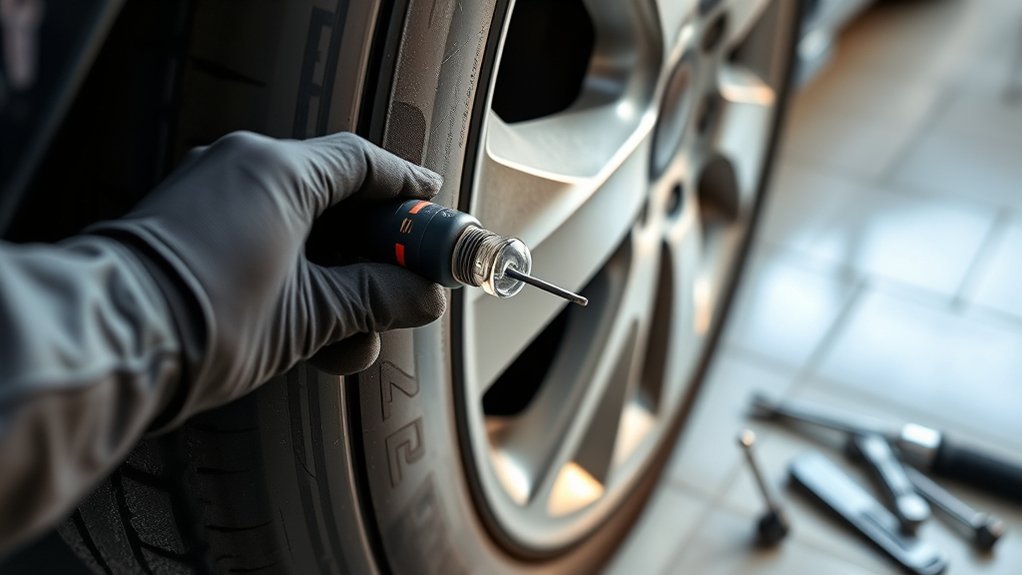
When should you replace the valve stem or even the tire itself? You should replace the valve stem when you see signs of wear like cracks, discoloration, or bubbling around the base. Those defects often create air leaks that drop tire pressure without warning. If your tire keeps losing air and you can’t find punctures or sidewall damage, suspect the valve stem first. When you install new tires, replace the stems too; old rubber can fail and steal performance from the fresh set.
- Cracked rubber around the valve cap
- A slow hiss during inflation
- Repeated low-pressure readings after filling
If you’ve punctured or damaged a tire, inspect the valve stem closely. Replace it if it leaks, because a weak valve can mimic tire failure. If the tire itself has structural damage, cuts, or repeated leaks that won’t seal, replace the tire. Regular checks help you stay free from hidden drag and keep pressure where it belongs. Additionally, pay attention to the tread life and performance of your tires, as worn-out tires can also contribute to pressure loss.
How to Prevent Future Tire Pressure Loss
To keep tire pressure from dropping again, check it at least once a month, since tires can lose 5–10% of their air each month from normal seepage and temperature changes. Use a gauge, compare all four tires, and top off to spec. Secure valve caps so dirt and moisture can’t enter the valve stem and start leaks. Clean rims during maintenance to prevent corrosion and bead leaks. Inspect for punctures, cuts, and dry rot, then repair or replace damaged tires fast. A TPMS can warn you in real time when pressure falls, helping you act before bigger failures. Additionally, choosing the right tire type for your vehicle can enhance performance and reduce the likelihood of pressure loss.
| Action | Why it matters | Frequency |
|---|---|---|
| Check pressure | Catches slow loss | Monthly |
| Inspect valve stem | Prevents leaks | Monthly |
| Clean rims | Preserves seal | As needed |
| Scan tires | Finds damage | Monthly |
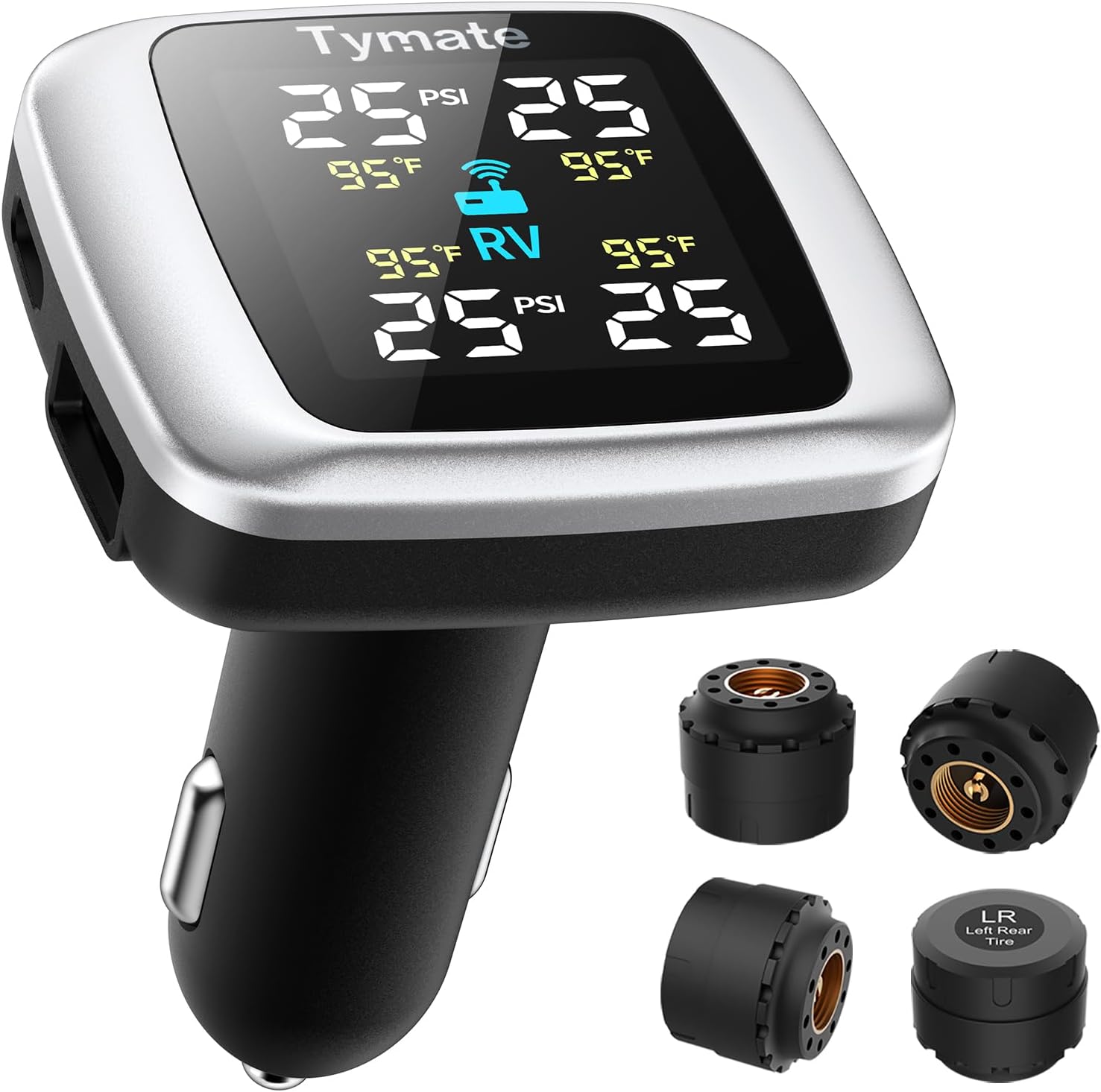
| Use TPMS | Alerts early | Continuous |
Stay disciplined; your tires shouldn’t control your freedom.
Frequently Asked Questions
Why Is My Tire Losing Air but No Hole?
Your tire’s losing air because you’ve got hidden air leakage causes, not always a puncture. Check valve stem issues, bead sealing problems, and tire aging factors that let air seep through rubber or the rim. Temperature effects can also drop pressure as air contracts in cold weather. Use soapy water on the stem, bead, and tread, then repair leaks or replace worn parts to reclaim reliable pressure.
Is 40 PSI Too Much for 35 PSI Tires?
No, 40 psi is too high for tires rated at 35 psi. You’re pushing past the spec, and that can stiffen the ride, cut traction, and raise blowout risk. In the grand scheme, check tire pressure when cold, then set it to the door-jamb spec. Watch for air leaks, valve stems, and temperature effects. Smart tire maintenance keeps you safer, improves wear, and lets your vehicle move with more freedom.
What PSI Should My Mini Cooper Tires Be?
Your Mini Cooper tires should usually sit between 30 and 35 PSI, but you’ve got to check your owner’s manual for your exact model. For tire pressure maintenance, measure when cold, and adjust for seasonal tire adjustments. Use tire pressure monitoring if equipped, and follow ideal inflation tips to boost handling and economy. Watch tire wear indicators, since underinflation or overinflation can limit your drive and freedom.
What PSI for RAV4 Tires?
Your RAV4 tires usually need 30–35 PSI, but you should check the driver’s door jamb or owner’s manual for your exact spec. For example, if you set 33 PSI cold in winter, seasonal changes can drop it by morning. Use tire pressure monitoring, follow tire maintenance tips, and remember air pressure effects. Don’t trust common misconceptions; correct PSI keeps you safer, freer, and more efficient on the road.
Conclusion
Your tire is like a guarded castle, and every leak is a sneaky gate left ajar. When pressure keeps dropping, check the usual culprits: cold weather, worn valve stems, bead leaks, wheel damage, or slow punctures. Use soapy water to spot escaping air, then fix or replace the damaged part fast. Keep your tires inflated, inspect them often, and you’ll protect your ride, improve safety, and stop small leaks from becoming costly problems.

Related Articles
Can You Drive With a Screw in Your Tire? What Experts Recommend
A screw in your tire may seem minor, but experts warn the right move depends on where it is, how much air remains, and what happens next.
Read More
What Is NOT Proper Tire Maintenance? Common Mistakes to Avoid
Lack of proper tire care can quietly wreck safety and performance, but are you making these common mistakes without realizing it?
Read More
Where Is the Date on a Tire? How to Find & Read the DOT Code
Learn where to find the tire date in the DOT code and why those four digits could reveal more than you expect.
Read More