What Does 99H Mean on a Tire? Load, Speed & Rating Guide
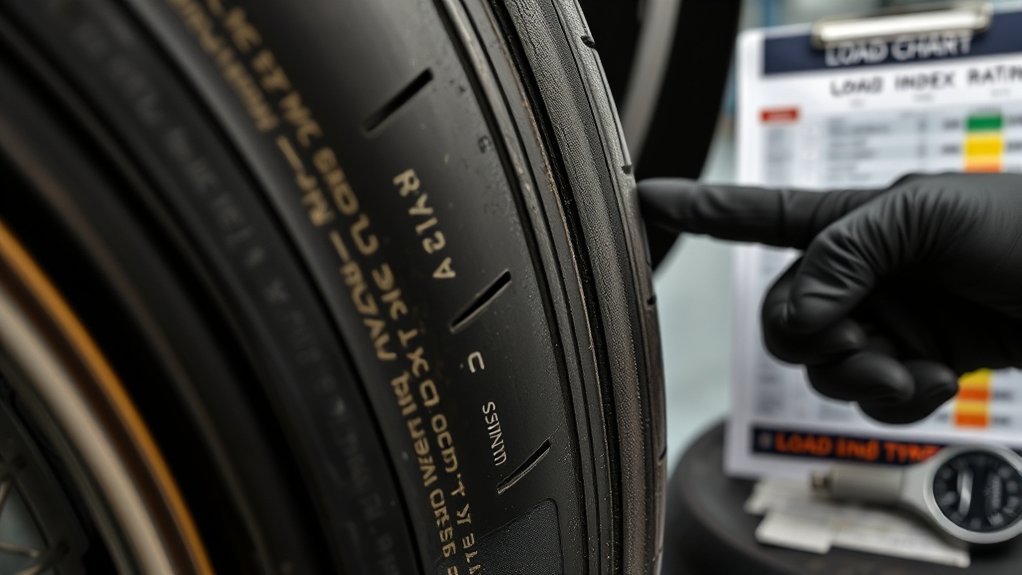
A tire marked 99H tells you two things: 99 is the load index, meaning each tire can support 1,709 pounds (775 kg), and H is the speed rating, meaning it’s approved for sustained speeds up to 130 mph (210 km/h). You’ll usually see it in the sidewall size code, such as 205/55 R17 99H. Use tires that match or exceed your vehicle’s specs, and you’ll see how the rating system works in practice.
Key Takeaways
- 99 is the tire’s load index, meaning it can support 1,709 lb (775 kg) per tire.
- H is the speed rating, meaning the tire is approved for sustained speeds up to 130 mph (210 km/h).
- The full 99H marking appears in the tire service description, such as 205/55 R17 99H.
- Always match or exceed your vehicle’s OEM load index and speed rating for safety and proper handling.
- Using tires below the required rating can reduce stability and increase the risk of tire failure.
What Does 99H Mean on a Tire?
A tire marked 99H tells you two important things about its capability: 99 is the load index, meaning it can support up to 1,709 pounds when properly inflated, and H is the speed rating, meaning it’s rated for speeds up to 130 mph (210 km/h) under specified conditions. You read this code to verify tire safety, not guess. The load index tells you the tire’s maximum load capacity, while the speed rating tells you its maximum speed limit and heat tolerance. When you match both ratings to your vehicle and driving conditions, you protect handling, steering response, and stopping power. If you exceed either limit, you risk tire failure and lose control of your own mobility. You deserve equipment that supports your movement without compromise. So check the sidewall code, respect the 99 specification, and choose tires that meet the demands you place on them. Additionally, understanding the UTQG ratings can further enhance your decision-making process regarding tire compatibility and performance.
What a 99 Load Index Supports
| Item | Meaning |
|---|---|
| 99 load index | 1,709 lb / 775 kg |
| Standardized rating | Same capacity across brands |
| Check | Why it matters |
| Manufacturer spec | Preserves safe load margin |
| Tire speed ratings | Must be read separately from load |
Use the correct rating pair, and you keep your vehicle ready for movement without surrendering control, dignity, or performance. Understanding the load index ratings is crucial for selecting the right tires for your vehicle’s needs.
What the H Speed Rating Means
The H speed rating means your tire’s maximum safe speed is 130 mph (210 km/h) under ideal conditions, so it’s built for sustained highway performance. You’ll also get better grip and handling than with lower-rated tires, which is why H-rated tires are common on sports sedans and coupes. If you ignore the H rating when choosing tires, you can compromise fitment, performance, and safety at higher speeds. Additionally, all-season tires with appropriate speed ratings can enhance year-round driving confidence.
H Rating Speed Limit
An H speed rating means the tire is engineered to safely sustain speeds up to 130 mph (210 km/h), making it a common choice for sports sedans and coupes that need a balance of performance and ride comfort. When you see 99H, the 99 indicates tire load capacity, and the H speed rating defines maximum sustained speed, not peak burst speed. This H rating sits between U and V in the speed rating scale, signaling high-performance capability without excess. You should match replacement tires to the vehicle manufacturer’s recommended speed rating, because a lower-rated tire can compromise handling and safety at highway speeds. If you ignore the specified speed rating, you risk reduced control, especially when you drive fast or carry full load.
H Rating Benefits
Beyond the 130 mph limit, an H-rated tire gives you tangible performance benefits in everyday driving. With a 99H tire, the 99 indicates load capacity, while the H speed rating tells you it’s built for up to 130 mph (210 km/h). That higher speed rating usually delivers sharper steering, enhanced grip, and more confident cornering than lower-rated options. You’ll often notice better ride comfort and handling, especially in sports sedans and coupes tuned for responsive driving. Because the tire meets a standardized test system, you can trust its tire performance under controlled conditions. Choosing H-rated tires also keeps your vehicle aligned with its design intent, helping you maintain the balance, control, and freedom your driving experience demands without unnecessary compromise.
H Rating Safety Factors
When you see an H speed rating on a tire, it means the tire is engineered to safely sustain speeds up to 130 mph (210 km/h) under ideal conditions. For your 99H tire, the speed rating works with the load index to define the tire’s service description, so you get the right fit for your vehicle. Stay within that limit, and you preserve steering response, stability, and vehicle safety. Exceed it, and tire performance can drop fast, especially at highway speeds. H-rated tires usually balance comfort and handling, making them a solid choice for sports sedans and coupes. If you choose a lower-rated tire, you risk compromised control and greater failure potential, which can undermine your freedom on the road.
Where to Find 99H on the Sidewall
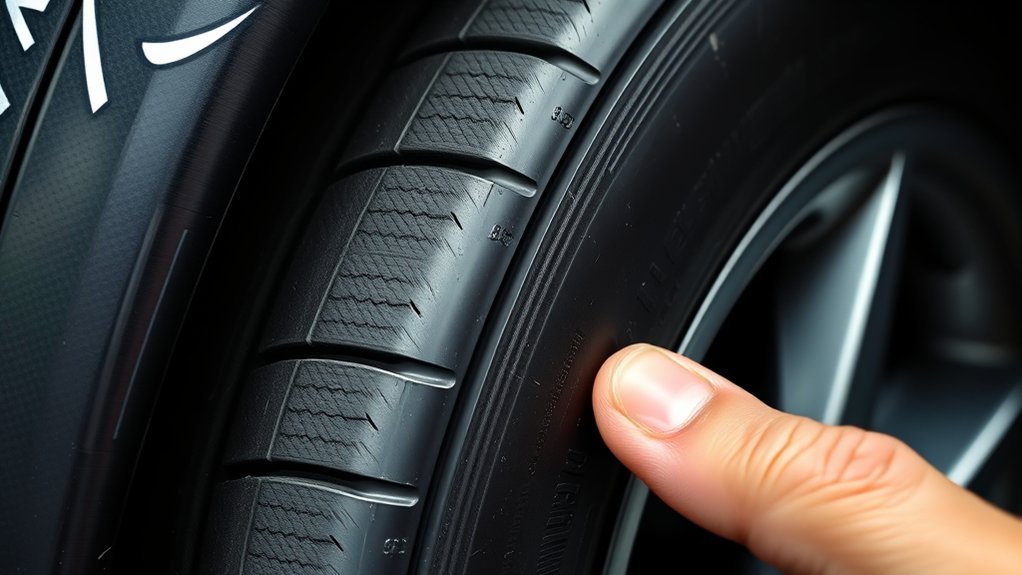
You’ll usually find the 99H marking on the tire sidewall in the service description, placed after the tire size and load index. On your sidewall, scan the alphanumeric string for codes like `205/55 R17 99H`; the tire size comes first, then the load index, then the speed rating. That’s where the 99H designation lives. The “99” tells you the load index, and the “H” gives you the speed rating. Check all four tires, since manufacturers print the same format on each sidewall, though one side may be easier to read. Understanding the load index helps ensure you choose a suitable tire for your vehicle, so you can drive with confidence and control.
| Marking | Meaning | Location |
|---|---|---|
| 205/55 R17 | tire size | service description |
| 99 | load index | after size |
| H | speed rating | after load index |
Can You Use a Different Rating?
You can usually choose a higher speed rating than OEM, but the tire still has to meet the vehicle’s load and fit requirements. Lower ratings carry risk because the vehicle’s safe operating limit is only as high as the lowest-rated tire, and mixed ratings can reduce handling stability. For best performance and safety, you should match the manufacturer’s specified tire rating on all four positions. Additionally, it’s important to consider load rating when selecting tires to ensure they can handle the weight of your vehicle and any additional cargo.
Higher Ratings Are Okay
Yes—if a tire’s load and speed ratings meet or exceed your vehicle’s original requirements, a higher-rated replacement is generally acceptable. For a 99H tire, you can move to 99V or 99W, gaining a higher speed rating without reducing load carrying capabilities. That said, always verify vehicle manufacturer’s specifications before you buy. | Option | Effect |
| — | — |
|---|---|
| 99H | Baseline fit |
| 99V | Higher speed reserve |
| 99W | Higher speed reserve |
| Match load | Preserves capacity |
| Meet spec | Supports safety and performance |
You shouldn’t mix different tire’s speed rating across axles unless the maker explicitly allows it, because balanced handling matters. By choosing a higher-rated tire, you keep control, preserve safety and performance, and maintain the freedom to drive confidently.
Lower Ratings Carry Risk
Lower-rated tires are a different story. If you choose a lower speed rating than the tire speed rating indicates, you can compromise handling and safety, especially as speeds rise. Your vehicle’s safe top speed drops to the lowest-rated tire, which can hurt vehicle stability and raise accident risk. If you mount lower-rated tires on the front axle, you may trigger oversteer and lose control in turns. You’ll also notice slower steering response and faster tread wear, both of which weaken driving precision. Proper tire selection means meeting or exceeding the manufacturer’s load and speed rating requirements, not guessing. When you want freedom on the road, you still need disciplined specification compliance; that’s how you protect performance, control, and safety.
Match OEM Specs
When replacing tires, match the OEM load index and speed rating unless a qualified tire professional confirms a different setup is compatible. A 99H tire means your load index supports 1,709 pounds and your speed rating allows 130 mph under ideal conditions. To preserve safe performance, keep these OEM specifications in view:
- Verify the vehicle placard before buying.
- Avoid lower-rated tires; they can reduce handling and safety.
- Consider higher-rated tires only if fitment, clearance, and load needs align.
You can usually use higher-rated tires without issue, but don’t assume every upgrade works. Check the axle load, inflation range, and driving demands, then confirm with a tire expert. Matching ratings protects control, gives you freedom to choose confidently, and keeps the tire system working as designed.
How 99H Compares to Other Ratings
A 99H tire combines a 99 load index and an H speed rating, so you get a maximum load capacity of 1,709 pounds per tire and safe operation up to 130 mph under ideal conditions. Compared with a 91 load index, 99H lets you carry more tire’s load, which makes it a stronger match for heavier vehicles and loaded driving. The H speed rating sits between U and V, giving you a balanced mix of comfort and performance without pushing into higher speed territory. If you choose V or W, you gain more performance at increased speeds, but you may give up tread life. With 99H, you keep solid durability while still getting capable handling for many sports sedans and coupes. Additionally, tire performance is influenced by factors like tread design and warranty offerings, making the 99H a practical choice for diverse driving conditions. When you compare ratings, 99H often offers the most practical middle ground for drivers who want control, capacity, and freedom from unnecessary tradeoffs.
Frequently Asked Questions
Are T or H Tires Better?
Neither is universally better; you should choose based on your driving habits and vehicle. H tires usually deliver stronger tire performance, sharper tread design response, and better grip in varied weather conditions, especially at higher speeds. T tires can improve fuel efficiency, ride comfort, and tire lifespan for daily commuting. If you drive a performance sedan, H’s the better fit. For calm, practical use, T often makes more sense.
Which Is Better, S or H Speed Rating?
Short answer: H is better if you want stronger tire performance and handling characteristics at higher speeds. You’ll get a higher speed rating, usually better grip, and more confident cornering in varied driving conditions. S can still work for calm daily use, and it may improve tire longevity, but it’s less capable. Factor in weather impact, then choose the rating that frees you to drive safer, not slower.
What Does 99S Mean for Tires?
99S means your tire has a load index of 99 and an S speed rating. You can carry up to 1,709 pounds per tire, and you shouldn’t exceed 112 mph. When you check tire specifications, match the load index and speed ratings to your vehicle’s manual. That keeps tire performance predictable, protects tire safety, and helps you make informed choices when selecting tires.
Which Load Range Is Better, G or H?
H is usually better if you need higher load capacity and steadier tire performance under tougher driving conditions. You’ll want G only when your vehicle compatibility and weight distribution call for its specific limits. Check tire pressure closely, because it affects both ratings in real use. Don’t be penny wise and pound foolish: choose the range that matches your load and keeps your ride safe, efficient, and free.
Conclusion
Now you know what 99H means on your tire: the 99 load index supports up to 1,709 pounds per tire, and the H speed rating is approved for speeds up to 130 mph. You can find this code on the sidewall, alongside the tire’s full size and service description. Don’t swap ratings without checking fit, capacity, and vehicle specs. Choose wisely, drive dependably, and keep your tires matched for safe, steady performance.

Related Articles
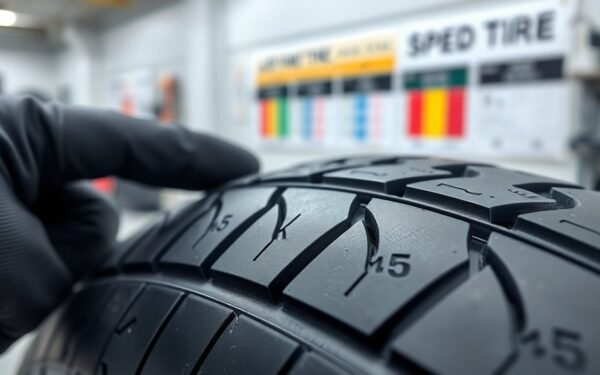
What Does 94V Mean on a Tire? Load, Speed & Rating Guide
Uncover what 94V really means on a tire and why its load and speed ratings could change your next replacement choice.
Read More
Best Tire Brands Ranked: Top-Rated Options by Experts & Drivers
Discover the best tire brands ranked by experts and drivers, and find out which top-rated option could transform your next drive.
Read More
ShapeX Bike Tubeless Tire Repair Kit Review: Reamer, Plug Tool, Valve Core, and Bacon Strips
You want a compact, reliable way to fix tubeless flats without walking your wheel home or nesting expensive roadside repairs. This ShapeX kit packs…
Read More