What Does SL Mean on a Tire? Load, Speed & Rating Guide
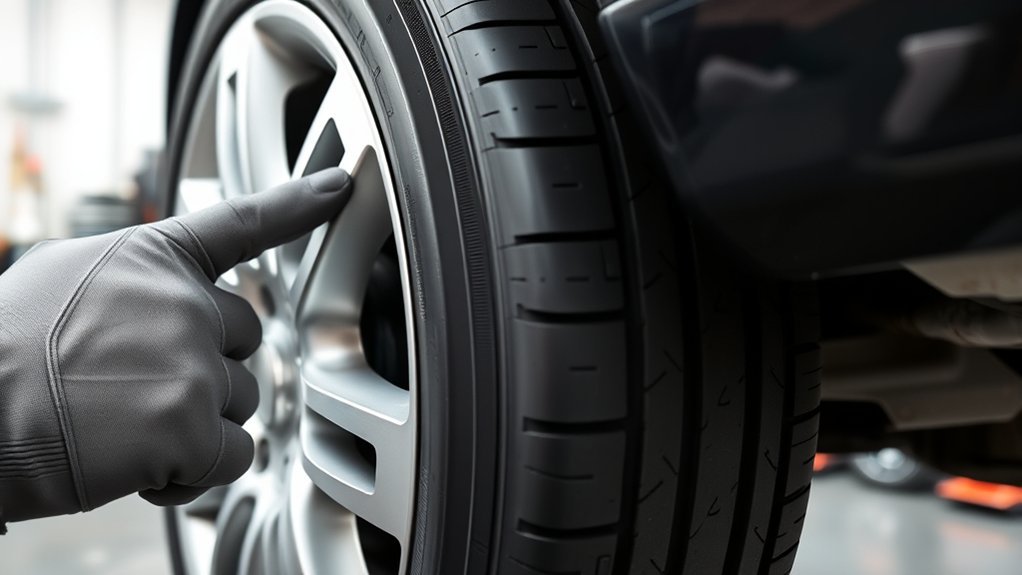
SL on a tire means Standard Load, which tells you it’s built for normal passenger-car use at a maximum inflation pressure of 35 psi. Compared with XL, or Extra Load, SL tires carry the baseline load capacity and usually use lighter construction for better efficiency. You should always check the tire’s load index and speed rating on the sidewall, because those numbers show how much weight and speed the tire can handle. More details follow.
Key Takeaways
- SL means Standard Load, a tire designed for normal passenger vehicle loads and typically rated for 35 psi maximum inflation.
- SL tires are usually lighter, helping improve fuel efficiency and providing a comfortable ride for everyday driving.
- The tire’s load index shows how much weight it can safely carry, and it must match the vehicle’s manufacturer specifications.
- Speed ratings indicate the maximum safe speed, with common examples like H for 130 mph and V for 149 mph.
- XL means Extra Load, offering higher pressure capacity, greater load support, and more stability for towing or heavier vehicles.
What Does SL Mean on a Tire?
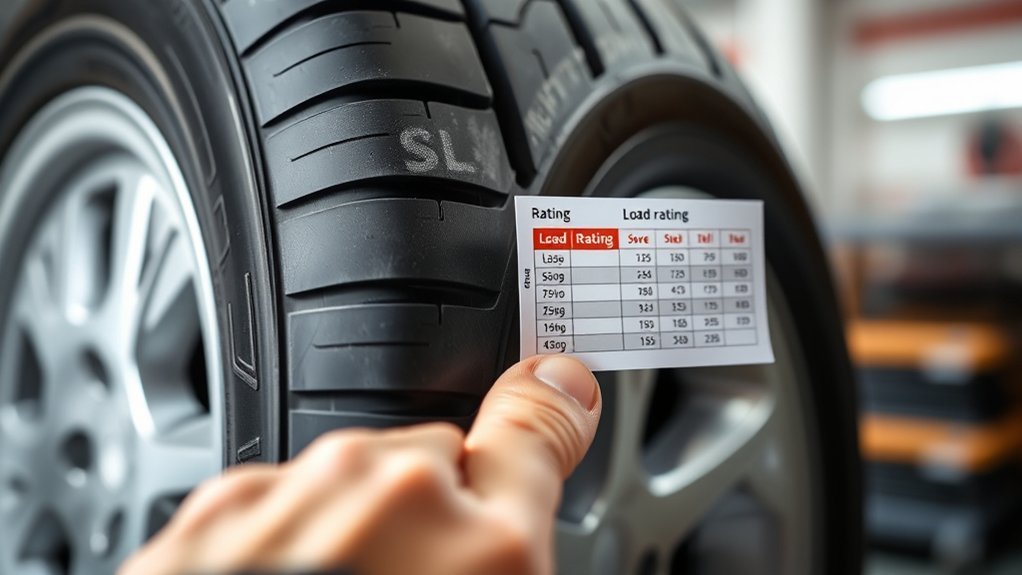
SL on a tire stands for Standard Load, which means the tire is built for regular passenger vehicles and designed to carry normal loads at a maximum inflation pressure of 35 psi. When you see SL, you’re looking at a tire with standard load capacity, not a reinforced design. Its internal structure is built for average driving conditions, so you should use it within the load range the manufacturer specifies. You may see SL stamped on the tire sidewall, or you may see no special marking at all. That label helps you identify the tire’s maximum load limits and service intent. Because SL tires use lighter materials than reinforced alternatives, they often support better fuel efficiency. If you keep inflation within spec, you preserve handling, wear patterns, and safety. Overinflation can compromise the tire’s performance and create serious hazards, so you need to respect the stated pressure limits and capacity. Additionally, understanding treadwear ratings can help you choose a suitable tire that meets both your needs and expectations.
SL Tires vs. XL Tires
SL tires are Standard Load tires built for regular passenger use, with a 35 psi maximum and a lighter construction that can improve fuel efficiency. XL tires use a reinforced structure and a 41 psi maximum, so you get higher load capacity, better damage resistance, and longer tread life under the same conditions. You can upgrade from SL to XL when your vehicle allows it, but you shouldn’t go the other way if your specifications require XL capacity. Understanding the difference between all-season and all-terrain tires can help you make a more informed choice based on your driving needs.
SL Tire Basics
When you’re comparing standard passenger tires, the key difference is load capacity and construction: Standard Load, or SL, tires are built for normal driving use with a maximum inflation pressure of 35 psi and no internal reinforcement, while Extra Load, or XL, tires use reinforced construction to carry higher loads at higher pressures. On your passenger car, an SL tire usually shows SL or no marking on the sidewall, and its tire load rating matches everyday service. You can expect lighter weight and efficient rolling for routine use. Don’t overinflate it; pressure beyond spec can create serious safety risks. If you replace SL with XL, that’s acceptable, but not the reverse, because load capacity and performance differ. Choose the rating that fits your drive.
XL Tire Advantages
Compared with standard load tires, XL tires add a reinforced internal structure that lets them carry heavier loads and tolerate higher inflation pressures, up to 41 psi versus the 35 psi limit typical of SL tires. You get Extra Load capacity, so your vehicle handles higher loads with more stability and less sidewall flex.
- Greater load-carrying capacity for towing or cargo
- Better resistance to mechanical damage on rough roads
- Stronger control at maximum weight and speed
If you drive a heavier vehicle, XL tires help you keep composure under stress. They usually cost more and weigh more than SL tires, but the tradeoff is real: improved stability, longer tread life, and better resistance when freedom means carrying more without compromise.
How Tire Load Index Ratings Work
The tire load index is a numeric code on the sidewall that shows the maximum weight a tire can safely carry, and you’ll use a load index chart to convert that number into pounds. When you match the Load index to your tire size, you verify the tire’s load capacities and protect yourself from overload. Standard Load (SL) tires carry the baseline load ratings, while Extra Load (XL) tires support a higher maximum weight without changing the fit. Passenger-car values usually run from 70 to 124, and each step increases capacity. You should always choose tires that are properly rated for your vehicle’s manufacturer specification, because the wrong rating can trigger heat buildup, flex, and failure. If you’re upgrading for payload or hauling freedom, the load index tells you exactly how much margin you’ve got. Check all four tires, since one underrated tire can compromise the whole setup and reduce safe performance on the road. Additionally, it’s essential to consider the treadwear warranty offered by various tire brands, as this can indicate durability and performance longevity.
What Tire Speed Ratings Mean
Tire speed ratings tell you the maximum speed a tire can safely sustain under specified conditions, and you’ll see them as a letter on the sidewall next to the load rating. Ratings run from L at 75 mph to Z above 149 mph, with common marks like H at 130 mph and V at 149 mph. You should match or exceed your vehicle manufacturer’s required speed rating, because running beyond that limit can build heat and raise the risk of tire failure. Additionally, selecting tires with the appropriate load index and speed rating ensures optimal performance and safety for your vehicle.
Speed Rating Basics
When you see a tire’s speed rating, you’re looking at the maximum speed it can safely sustain under specified conditions, shown as a letter code such as V for up to 149 mph. Your tire’s speed rating works with the load index to define what your tire can carry and how it responds to your vehicle’s performance requirements.
- L means 75 mph.
- Z means over 149 mph.
- Properly inflated, undamaged tires keep the rating valid.
If you push past the speed rating, heat builds fast and can trigger tire failure. For SL tires, the rating still matters: it helps you choose a tire that matches the vehicle’s design without limiting control. When you replace tires, meet or exceed the original speed rating to preserve safety, confidence, and freedom on the road.
Matching Speed Limits
Speed ratings tell you the highest speed a tire can safely sustain under specified conditions, and they work hand in hand with the load index in the tire’s service description. When you read SL, check that the load index and speed ratings meet your vehicle’s needs. Each letter sets a maximum allowable speed, from L at 75 mph to Z above 149 mph. If you drive faster than the rating, heat builds up and can weaken the tire. That matters even more with heavy loads, because the tire can support less stress at speed. Keep your tires properly inflated and inspect them regularly, so the rating performance stays reliable. Matching speed limits isn’t about restriction; it’s about choosing the spec that lets you move safely, freely, and with control.
When XL Tires Are the Better Choice
If you tow trailers, haul heavy cargo, or drive an SUV or light truck that calls for extra load capacity, XL tires are usually the better fit. XL tires, or Extra Load tires, use a reinforced structure and a higher load-carrying rating, so they can support more weight a tire can safely manage. Check the load index number in your owner’s manual; vehicles that require this spec need the added carrying capacity for stable braking, cornering, and control.
- Max inflation reaches 41 psi, not 35 psi
- Tougher construction resists damage on rough roads
- Better traction and tread life support reliable performance
You’ll notice firmer handling under load, especially when your setup pushes hard on the suspension. That’s the tradeoff for more freedom to haul, tow, and explore with confidence. When your driving demands real capacity, XL tires deliver the margin you want. Additionally, opting for all-terrain tires can enhance off-road capabilities while maintaining comfort on highways.
Can You Replace SL Tires With XL Tires?
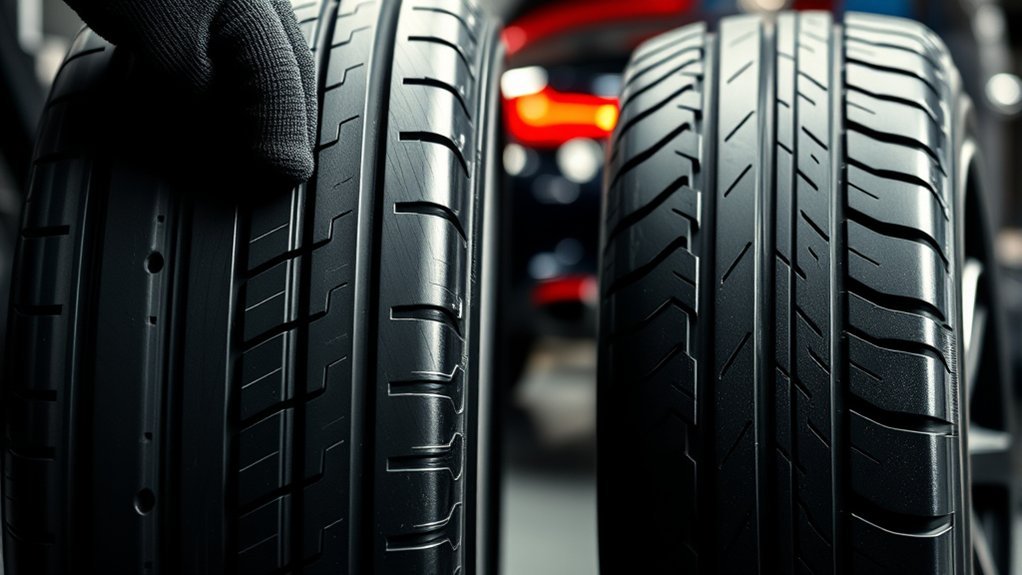
Yes, you can replace SL tires with XL tires, since XL tires are built with a stronger structure and a higher load-carrying capacity. That upgrade can give you more margin for heavier loads, better stability, and improved resistance to damage. However, you should confirm the vehicle’s owner’s manual allows this tire change, because some vehicles need a specific Standard Load fitment for proper dynamics and calibration.
XL tires usually accept a maximum air pressure of 41 psi, while SL tires top out at 35 psi. That extra pressure helps the tire support added load capacity without excessive flex. In normal driving, SL tires work well, but XL tires can offer a firmer, more controlled feel, especially on performance cars or loaded vehicles. You can move from SL tires to XL tires, but don’t switch the other way, since SL tires don’t have the reinforced construction needed for higher loads or the same safety margin.
Where to Find Tire Ratings on the Sidewall
You’ll find a tire’s ratings printed on the sidewall as a string of alphanumeric markings that identify its size, load capacity, and speed rating. This is where you confirm whether a Standard Load (SL) tire meets your needs. The sidewall tells you the Load rating, the load index, and the speed rating in one compact code, so you can verify performance without guesswork. Keep the tire properly inflated when checking specs, because the maximum weight value depends on that condition.
- Look for the molded code near the tire bead or outer shoulder.
- Find the numeric load index to identify maximum weight support.
- Find the letter speed rating to verify safe operating limits.
A marking like 205/55 R 17 91 V shows you the essentials at a glance. When you inspect tire ratings directly on the sidewall, you gain the knowledge to choose replacements that match or exceed factory requirements, protecting safety and preserving control. Additionally, understanding treadwear ratings can help you evaluate the longevity of your tires.
How to Read the Sidewall Markings
Now that you’ve found the sidewall code, you can break it down piece by piece to verify a tire’s specifications. On the sidewall of your tire, the tire size appears first, such as 205/55 R 17. Here, 205 is width in millimeters, 55 is aspect ratio, R means radial construction, and 17 is wheel diameter in inches. After that, read the load index, like 91, to identify the maximum weight the tire can carry when inflated correctly. If you see SL, it means Standard Load tire, which matches a normal tire’s load capacity. Extra Load tires carry a higher load index and support more weight than SL. The next letter, such as V, gives the speed rating, showing the maximum safe speed under specified conditions. Reading each mark lets you confirm fitment, capacity, and performance without guesswork, so you can choose a tire that supports your freedom on the road. Additionally, understanding all-season tire performance can help you select tires that best suit your driving needs.
Frequently Asked Questions
What Load Range Is SL?
SL is Standard Load, so you’re looking at a normal load range for everyday driving. It matches tire specifications for typical passenger vehicles, with a lower load capacity than XL tires. You should maintain correct inflation pressure to preserve tire performance, tire lifespan, and safe weight distribution. For tire maintenance, check SL markings and sidewall data, especially when road conditions change. These tires usually suit standard use and don’t need extra reinforcement.
What Is the Difference Between SL and LT Tires?
SL tires suit passenger cars and daily commuting, while LT tires handle heavier loads, towing, and rugged use. You’ll notice SL tire features like a softer ride, lower SL inflation pressure, and passenger-focused SL tread design; in an SL performance comparison, they’re quieter and more efficient. Compared with SL vs. P metric, SL tire applications are broader. LT tires last under stress, but SL tire lifespan and SL tire brands often cost less.
Are SL Tires Ok for Towing?
No, they usually aren’t ok for towing. You should test the theory that any tire can handle a trailer, but SL tires often fall short on towing capacity, tire durability, and safety considerations. Check your vehicle compatibility, tire inflation, weight distribution, terrain suitability, and legal regulations before you hitch up. For heavier loads, choose XL or tow-rated tires; they’ll give you stronger performance and more freedom on the road.
Should I Get a 10 Ply or 12 Ply Tire?
Get 12-ply tires if you haul heavy loads, tow often, or drive rough terrain; choose 10-ply if you want a softer ride and lower replacement costs. You’ll get higher load capacity, better tire performance, and longer tire longevity with 12-ply construction, but it’ll need correct inflation pressure. Check your vehicle’s tread patterns, driving conditions, and terrain suitability before you decide. Match the tire to your freedom, not the label.
Conclusion
Now you know what SL means on a tire: Standard Load. You can see how it compares with XL tires, how load index and speed ratings work, and where to find those numbers on the sidewall. When you match the right rating to your vehicle and driving needs, the choice gets clear fast. If the markings line up, the fit usually does too. Check the sidewall, confirm the specs, and you’ll drive with confidence.

Related Articles
How Much Does a Semi Truck Tire Weigh? Exact Weight Guide
Know the exact weight of a semi truck tire, from standard steer tires to heavy-duty options, and discover what changes it next.
Read More
How Much Does a Car Tire Weigh? Exact Weight Guide
Discover how much a car tire weighs and why the exact number depends on size, build, and vehicle type.
Read More
How Heavy Is a Car Tire? Average Weight by Size & Type
Just how heavy is a car tire? Find the average weight by size and type, and discover what else changes before you choose.
Read More