What Are Tire Dimensions? How to Read Width, Aspect & Diameter
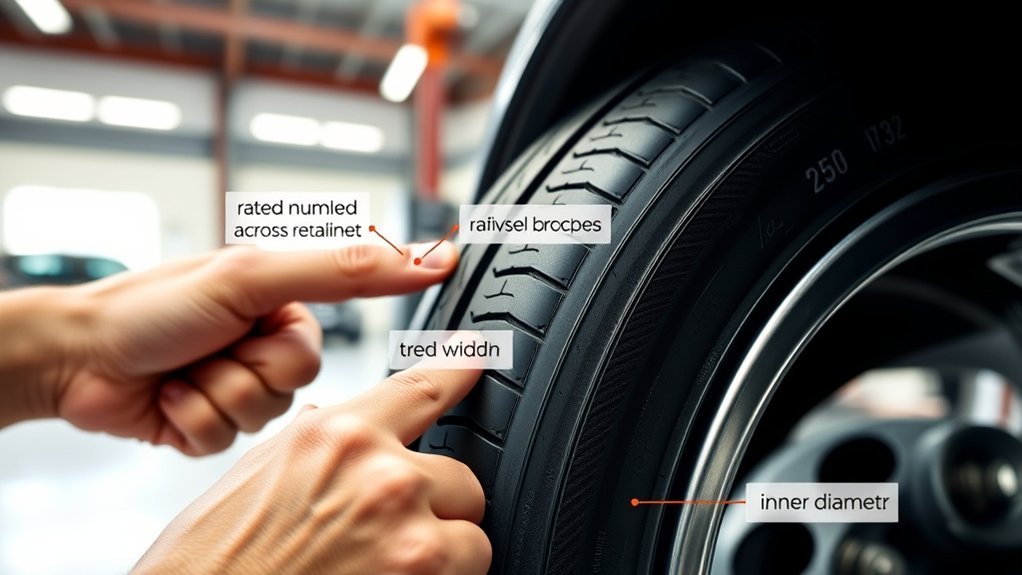
Tire dimensions tell you a tire’s size and fitment: width, aspect ratio, construction, and wheel diameter. You read a code like P225/70R16 from left to right: P means passenger tire, 225 is the width in millimeters, 70 is the sidewall height as a percentage of width, R means radial construction, and 16 is the wheel diameter in inches. Use these numbers to match the right tire and keep performance predictable, and there’s more to decode after this.
Key Takeaways
- Tire dimensions are shown in codes like P225/70R16, which describe type, width, aspect ratio, construction, and wheel diameter.
- The width is the first three-digit number, measured in millimeters, and it affects fitment, handling, and stability.
- The aspect ratio is the next number and shows sidewall height as a percentage of tire width.
- The letter after the aspect ratio indicates construction, usually R for radial, while the final number gives wheel diameter in inches.
- Changing tire dimensions can affect ride comfort, speedometer accuracy, load capacity, and overall vehicle performance.
What Do Tire Dimensions Mean?
What Do Tire Dimensions Mean?
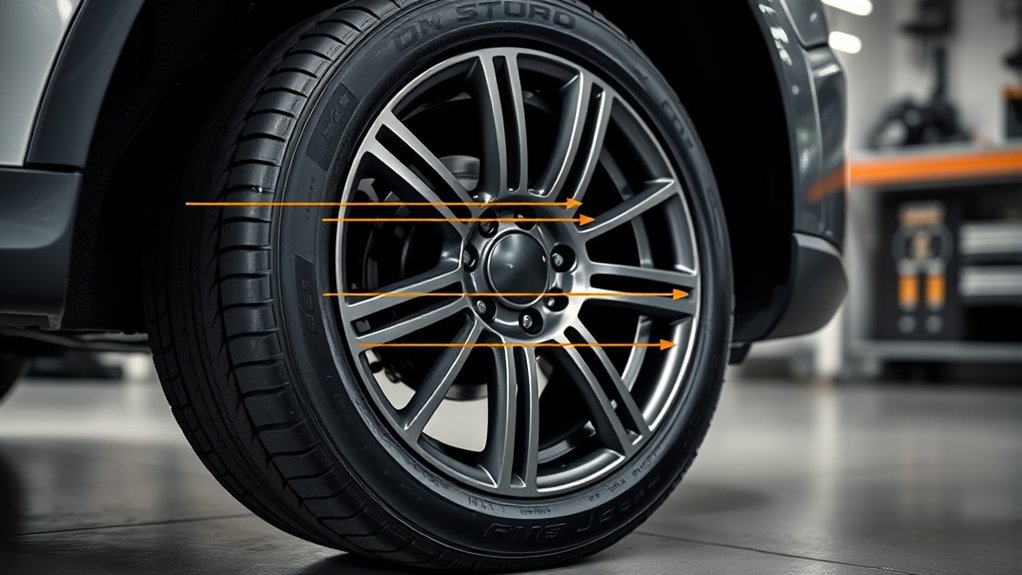
Tire dimensions tell you exactly how a tire is built and what it fits, and a code like P225/70R16 breaks that information into specific parts. You read Tire Size as a set of constraints, not guesswork. The P marks a passenger tire; the 225 gives width in millimeters. That width influences handling and stability, while wider tires can add traction. The 70 is the aspect ratio, so the sidewall height equals 70% of the width. R means radial construction, and 16 is the diameter of the wheel in inches, which must match for proper fit. You should also verify the load index and maintain correct tire pressure, because both affect safety, comfort, and performance. When you decode these numbers, you make informed choices and refuse dependence on vague assumptions. Additionally, understanding tire tread life can help you select the best options for your driving needs.
How Do You Read Tire Width?
You read tire width from the three-digit number at the start of the size code, and it gives the section width in millimeters from sidewall to sidewall—for example, 225 in P225/70R16. That number tells you the tire width, not the diameter of the wheel, so you can evaluate tire sizing with precision. When you compare widths, you’re choosing how much rubber meets the road. A wider tire can improve handling and stability by increasing cornering grip, but it may also use more fuel than a narrower one. It can feel firmer, too, because the larger contact patch often transmits more road texture. For proper fitment, match the section width to the rim width your vehicle requires. If you ignore tire dimensions, you can compromise performance, safety, and control. Reading this code lets you make an informed, liberated choice rather than accept a factory setup blindly. Additionally, selecting the right tire can significantly influence ride comfort and fuel economy.
What Does Tire Aspect Ratio Tell You?
The aspect ratio is the two-digit number that follows tire width in the size code, and it shows sidewall height as a percentage of that width. You use it to convert tire width into actual sidewall height, so your tire dimensions become measurable and comparable. For example, a 225 mm tire with an aspect ratio of 70 has a 157.5 mm sidewall height. A higher aspect ratio means taller sidewalls, which usually increase ride comfort because they absorb more road input. However, they can reduce handling performance and steering precision. A lower aspect ratio means shorter sidewalls, which typically sharpen response and improve vehicle performance in cornering, but they also transmit more impact to you. When you choose tires, don’t treat aspect ratio as a cosmetic detail; it directly shapes how the vehicle feels, responds, and moves. By matching it to your driving style, you keep control, comfort, and freedom aligned. Additionally, tires like the Hankook Kinergy ST H735 demonstrate how tread depth affects overall performance and comfort on the road.
How Does Tire Construction Affect Fit?
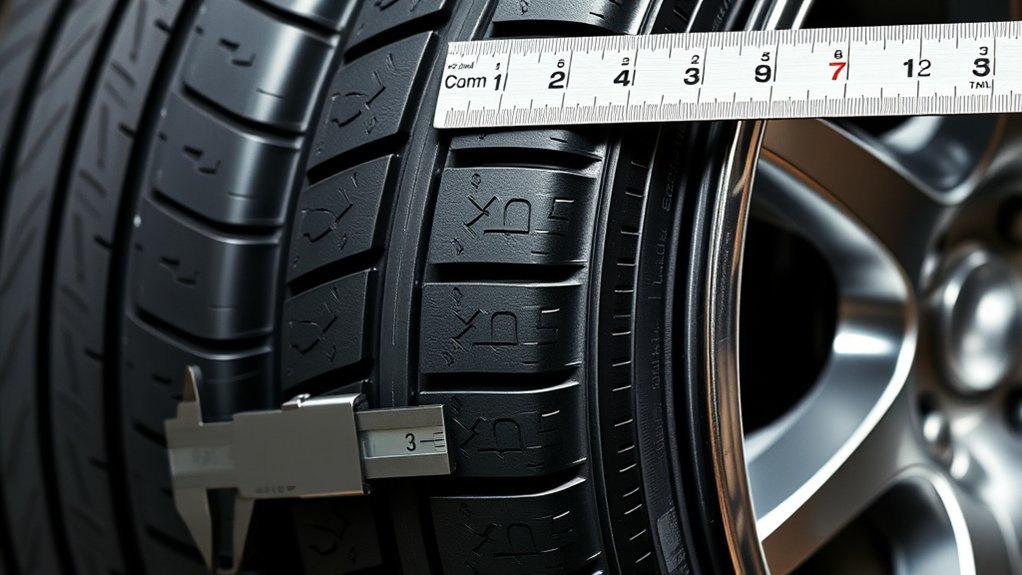
Tire construction, such as radial versus bias-ply, changes how the tire flexes, supports load, and fits the vehicle’s intended dynamics. You’ll usually find radial tires offer more sidewall compliance and better contact patch stability, while bias construction can increase stiffness and alter clearance behavior in the wheel well. That difference can affect suspension interaction, alignment response, and whether the tire clears nearby components without rubbing. Additionally, tread design plays a crucial role in traction and stability, influencing overall performance in various driving conditions.
Radial Vs Bias Construction
Radial and bias construction change how a tire fits and performs under load because the internal ply orientation directly affects stiffness, grip, and wear. When you choose a radial tire, marked R, you get cords that run perpendicular to rotation, which improves grip, reduces rolling resistance, and usually extends tire durability. Bias-constructed tires, marked D or B, use angled plies; they can suit certain trailers or motorcycles, but they often trade away stability and grip. This internal construction shapes load capacity, tire performance, and handling characteristics, so you shouldn’t treat construction as a minor detail. You gain better control by matching the tire’s design to your vehicle’s demands, not to habit or marketing. That choice helps you move freely, safely, and with less waste.
Construction And Sidewall Flex
Construction isn’t just a structural detail; it changes how the tire flexes, carries load, and fits within the wheel well. You should read the Tire construction type first, then compare sidewall flex with aspect ratio and width of the tire.
| Factor | Effect |
|---|---|
| Radial | More stable, lower rolling resistance |
| Diagonal | More compliant, less precise |
| Stiff sidewall | Sharper handling characteristics |
| Flexible sidewall | Better shock absorption |
| Diameter in inches | Sets overall envelope |
A radial tire’s cords run perpendicular to travel, so you gain grip and consistency. A stiffer sidewall can tighten response, but it also reduces comfort; a more flexible one does the opposite. Match these dimensions to your vehicle’s suspension system, and you’ll keep fit, control, and freedom in balance.
Fitment Impacts On Vehicles
Even when the size looks correct, the construction code on the sidewall can change how the Tire fits and behaves on your vehicle. You need to check fitment beyond width, aspect ratio, and rim diameter, because construction affects suspension compatibility, steering response, and handling.
- Radial construction usually gives better grip, lower rolling resistance, and cleaner stability.
- Bias construction can alter ride quality and make fitment feel less precise.
- Mixing constructions on one vehicle can create uneven handling and braking behavior.
- Any mismatch can disrupt suspension loading and reduce safety.
For liberation from guesswork, match the manufacturer’s specs exactly. When you choose the right construction, your Tire works with your vehicle instead of against it, preserving control, efficiency, and predictable performance.
Where Can You Find Wheel Diameter?
You can usually find the wheel diameter on the tire sidewall, where it appears after the construction type letter, such as the “R” in P225/70R16, with the diameter given in inches. This tire sidewall marking gives you direct tire size information, so you can match compatible tire sizes without guesswork. If you want a second source, check your vehicle owner’s manual; manufacturers often list the recommended wheel diameter for proper fitment. You can also inspect the doorjamb placard, where the same specification is commonly printed for quick reference. When you’re comparing options, tire fitment guides and online charts can help you verify the correct wheel diameter for your vehicle model or tire code. If you need to confirm by measurement, measure bead seat to bead seat, not outer lip to outer lip, because that’s the standard used in tire sizing. Using these sources together lets you identify the right wheel diameter with confidence and precision. Additionally, keeping a portable tire inflator handy can help you quickly adjust tire pressure to the recommended levels.
What Is a Tire Load Index?
The load index is a numerical rating that tells you the maximum weight a tire can carry when fully inflated. You read the tire load index as a code, usually from 1 to 150, and it defines load capacity with precision. For example, 89 equals 1,279 pounds. Check the sidewall after the tire size code to identify it quickly.
- Match the index to your vehicle specs.
- Verify it on replacement tires.
- Use the rating to protect safe performance.
- Note dual ratings on light truck tires.
For passenger vehicles, choosing the correct load index helps you preserve control, stability, and freedom from avoidable failure. If you exceed the maximum weight rating, you stress the casing and compromise handling. When you shop, compare the sidewall marking against the manufacturer’s data so you don’t accept less than the tire’s real load capacity. Additionally, recommended tire sizes play an essential role in ensuring compatibility with your vehicle’s load index.
What Do Tire Speed Ratings Mean?
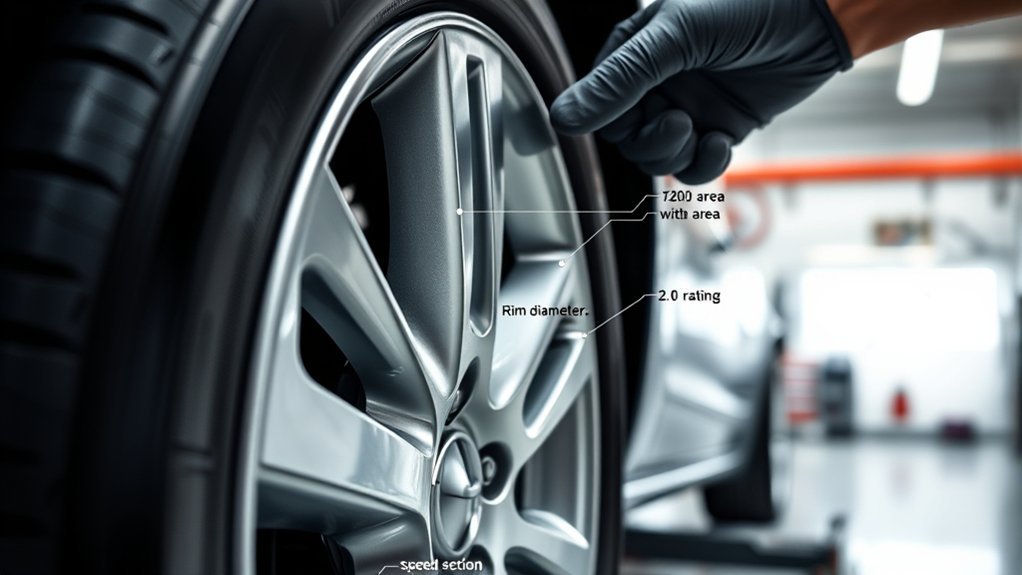
After checking load index, look at the tire speed rating, the letter at the end of the size code that shows the maximum speed a tire can sustain under specified conditions. Tire speed ratings tell you the tire’s speed capability and heat tolerance, so you can judge whether it can handle your driving demands. The rating runs from L, 75 mph, to Y, 186 mph; higher letters mean a higher speed rating and better resistance to heat buildup. An H-rated tire, for example, supports up to 130 mph, which suits many performance-oriented vehicles. You should match the tire size code’s rating to your vehicle’s specifications to protect safety and peak performance, especially when you drive fast. If you fit a tire with a lower rating than your vehicle requires, you risk vague handling, overheating, and possible tire failure. Choose the right rating, and you keep control while preserving your freedom to drive with confidence. Additionally, many all-season tires, like the Evoluxx Capricorn HP, are designed to provide reliable performance at various speeds.
How Is Tire Size Calculated?
You can read tire size from its code, such as P225/70R16: the first letter identifies the tire type, 225 is the section width in millimeters, 70 is the aspect ratio, and 16 is the rim diameter in inches. You calculate section height by multiplying width by aspect ratio, then determine overall diameter by adding twice that height to the rim diameter. When you change any of these values, you alter fitment, load geometry, and handling response. Understanding hydroplaning resistance is essential for selecting the right tires to ensure safety in wet conditions.
Tire Code Breakdown
A tire code like P225/70R16 breaks down into several measurable parts: P identifies a passenger tire, 225 is the section width in millimeters, 70 is the aspect ratio, R indicates radial construction, and 16 is the rim diameter in inches. You read tire code to verify tire sizes, match width, and protect load capacity. Each symbol serves your control.
- P = tire type
- 225 = width
- 70 = aspect ratio
- 16 = diameter
The code doesn’t give full performance data, but it gives you the baseline for fitment. Check the load index separately, because it states maximum carrying capacity. Then review the speed rating for safe operating limits. When you decode the tire type and measurements precisely, you claim better fit, steadier handling, and more informed mobility.
Width Aspect Diameter Formula
To calculate tire size, start with the width, aspect ratio, and rim diameter in the code, because each value defines a different physical dimension. You read width in millimeters, then aspect ratio as a percentage, then diameter in inches for tire fitment and overall tire diameter. Use the formula: overall tire diameter = rim diameter + 2 × (width × aspect ratio). Convert the aspect ratio to a decimal first.
| Element | Meaning | Unit |
|---|---|---|
| Width | Section width | mm |
| Aspect ratio | Sidewall height factor | % |
| Diameter | Wheel size | in |
This calculation helps you assess vehicle handling and select tire size with precision. When you know each variable, you can choose fitment that supports control, stability, and accurate speed readings.
Size Change Effects
Once you know the width, aspect ratio, and wheel diameter, you can calculate how a tire size change will affect the vehicle’s overall diameter. Use this tire size formula: tire diameter = wheel diameter + 2 × (aspect ratio × tire width). For a P225/70R16, your tire width is 225 mm and the aspect ratio is 70%, so each sidewall measures 157.5 mm. That yields about 26.6 inches total.
- Check the original tire diameter.
- Compare the new diameter to it.
- Keep the change within 3%.
- Avoid mismatched tire sizes.
If you exceed that range, you’ll compromise speedometer accuracy, odometer readings, and vehicle handling. Precise sizing gives you control, freedom, and safer performance on every road.
What Happens When You Upsize Tires?
When you upsize tires, you can gain a larger contact patch that improves traction and handling, especially in demanding driving conditions, but the tradeoff is often higher rolling resistance and reduced fuel efficiency. For performance-minded drivers, upsizing can sharpen response, yet you should keep tire diameter within 3% of factory spec to preserve vehicle stability and speedometer accuracy. Matching the new size to your suspension and brakes matters too, because mismatched tires can increase wear or reduce system performance. Additionally, selecting tires with strong treadwear warranties can offer long-term value while maintaining performance.
| Factor | Upsizing Effect | Result |
|---|---|---|
| Contact patch | Larger | Better grip |
| Rolling resistance | Higher | Lower fuel efficiency |
| Tire diameter | Must stay close | Stable calibration |
A taller setup also changes ride height, which can shift the center of gravity and alter handling characteristics. Choose tires deliberately, and you keep control over performance instead of letting size changes dictate it.
How Do Tire Dimensions Affect Handling?
- Width: more grip, less efficiency.
- Aspect ratio: sharper response or smoother ride.
- Diameter: gearing and speedometer effects.
- Match tire characteristics: preserve stable handling. Additionally, selecting the right tire width can directly influence traction and comfort, enhancing your driving experience.
Frequently Asked Questions
What Size Tire Does Tadej Pogacar Use?
He usually rides 25mm performance tires on his road cycling bike. You’d see tire brands like Continental or Vittoria, paired with low tire tread for speed and grip. Tire pressure often sits near 80–100 psi, adjusted for conditions. If you’re handling bike maintenance, compare this setup with mountain biking tires, which are wider and knobbier. His choice prioritizes aerodynamics, rolling efficiency, and control, not freedom from physics.
What Size Tire for Tacoma?
For your Tacoma, you’ll usually run 245/75R16, 265/70R17, or 275/65R18, depending on trim. You should verify tire fitting on the door jamb placard, then match load capacity, tire pressure, and speed rating exactly. If you want off road tires, choose rugged tread patterns; for mixed use, seasonal tires work well. Compare tire brands carefully, because precise fit frees your truck to move with confidence.
What Does 225 65 17 Mean?
225/65R17 means you’ve got a tire that’s 225 mm wide, with a 65% sidewall height, radial construction, and a 17-inch wheel fit. For tire measurement basics, that’s tire width explained and understanding aspect ratio in action. The diameter significance affects handling, ride comfort, and load response, so you’re choosing the right tire by comparing common tire sizes and evaluating impact on performance with precision, not guesswork.
What Does 20 Lt Mean on a Tire?
It means you’ve got a light truck tire with a 20-inch nominal width; the writing’s on the wall. You should verify tire load, tire pressure, and tread patterns against your vehicle specs. Compare tire brands, seasonal tires, and tire maintenance requirements to protect tire lifespan. LT tires use reinforced sidewalls for towing, hauling, and rough use, so you gain safer control when you match the rating to your needs.
Conclusion
Now that you know how to read tire dimensions, you can make smarter, safer choices for your vehicle. When you check width, aspect ratio, construction, and wheel diameter, you’re not just reading numbers—you’re decoding how your tires will perform. Think of tire size as your vehicle’s fingerprint: subtle changes can reshape handling, comfort, and speed. Use the specs carefully, and you’ll keep your ride balanced, predictable, and ready for the road.

Related Articles
How Much Does a Semi Truck Tire Weigh? Exact Weight Guide
Know the exact weight of a semi truck tire, from standard steer tires to heavy-duty options, and discover what changes it next.
Read More
How Much Does a Car Tire Weigh? Exact Weight Guide
Discover how much a car tire weighs and why the exact number depends on size, build, and vehicle type.
Read More
How Heavy Is a Car Tire? Average Weight by Size & Type
Just how heavy is a car tire? Find the average weight by size and type, and discover what else changes before you choose.
Read More