What Does Tire Mean? Definition, Types & How They Work
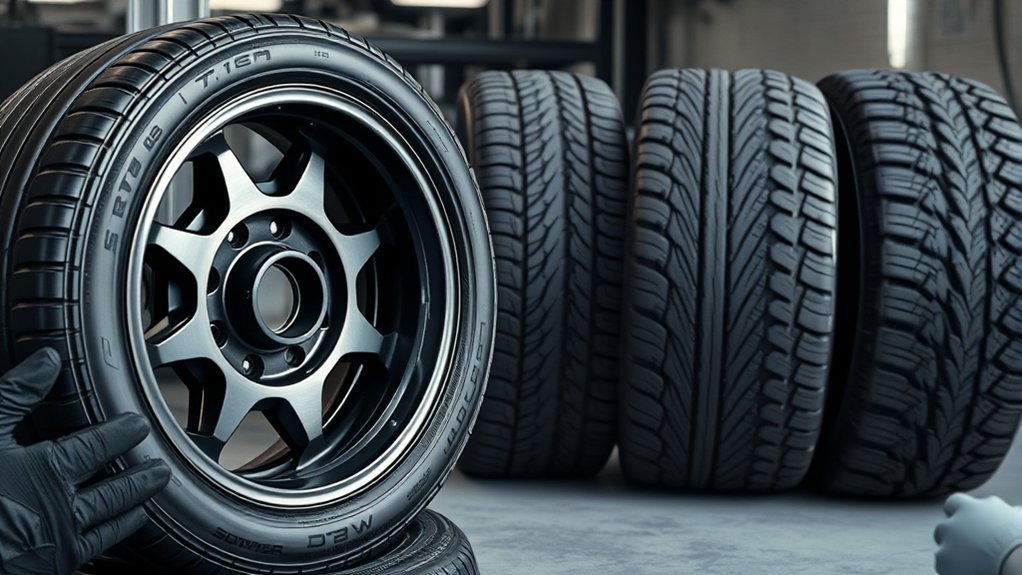
A tire is the rubber covering around your wheel that supports your vehicle’s load and keeps it in contact with the road. You’ll also see the British spelling, tyre. Tires come in types like LT, ST, metric, and EV, and their size codes show width, aspect ratio, load index, and speed rating. Their tread, sidewall, bead, and liner work together for grip, stability, and air retention. Keep going to see how they work.
Key Takeaways
- A tire is a rubber covering around a wheel that supports load, provides traction, and affects safety, handling, and efficiency.
- In American English, “tire” is standard; “tyre” is the British spelling for the same vehicle component.
- Common tire types include LT, ST, metric, and EV tires, each designed for specific loads, vehicles, and performance needs.
- Tires work through tread, sidewall, bead, and inner liner, with tread channels helping grip the road and reduce hydroplaning.
- Replace tires at 2/32 inch tread depth, inspect for damage, and maintain proper pressure to extend tire life and performance.
What Does Tire Mean?
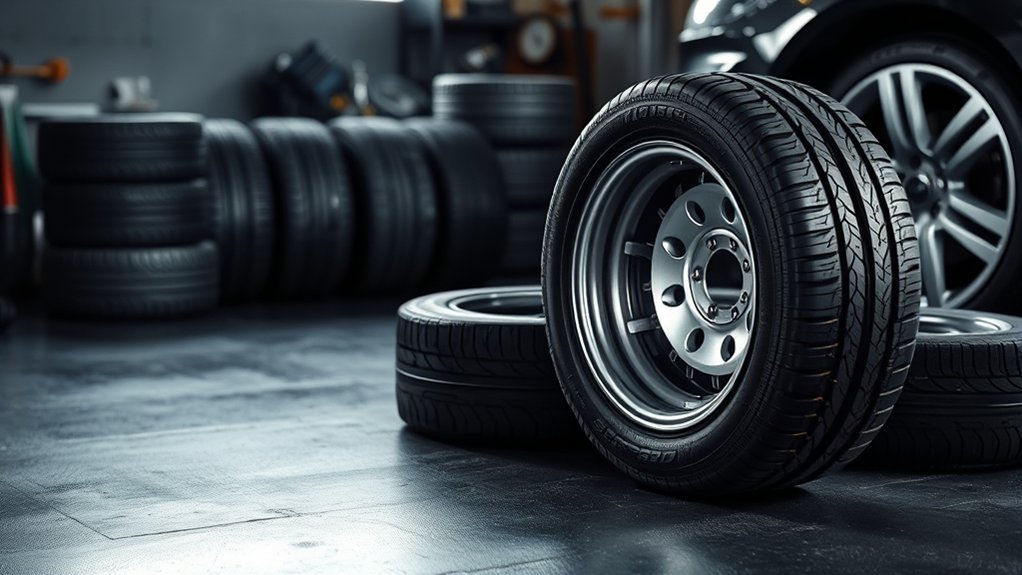
A tire is the rubber covering that fits around a vehicle wheel, but the word can also mean to exhaust or fatigue someone or something. When you use tire as a noun, you’re naming a safety-critical component that supports load, transmits steering inputs, and maintains road contact. You’ll see tires specified by width in millimeters, aspect ratio, and load index; these numbers tell you how wide the tire is, how tall its sidewall is relative to width, and how much weight it can carry. Different tire types serve different jobs, including passenger, light truck, and special trailer use. You need the right tire for your vehicle and operating conditions because proper fit affects traction, handling, and efficiency. If you neglect tire maintenance, you reduce performance and safety. In practical terms, choosing and caring for the correct tire helps you drive with control, confidence, and less wear. Additionally, all-season tires are designed to provide reliable traction in varied weather conditions.
Tire vs. Tyre: Spelling Differences
You may also notice that the word appears as tire in American English and tyre in British English, even though both refer to the same rubber component fitted to a vehicle wheel. When you compare **tire vs. tyre**, you’re looking at **regional spelling**, not a different part. Use tyre in the UK and **most Commonwealth countries**; use tire in the United States. Their plurals follow the same pattern: **tyres and tires. That difference matters when you write manuals, order parts, or communicate across markets, because precise spelling keeps your message clear and avoids friction. The British form traces back to a word meaning to dress or cover, which fits the role of this protective wheel layer. If you want technical accuracy and practical freedom in global communication, match the spelling to your audience every time. Additionally, understanding tire performance characteristics** can help you choose the best option for your vehicle.
Tire as a Verb
As a verb, tire means to become fatigued or to cause fatigue, usually through physical effort. You can use it transitively when you make someone weary: the long hike tired him. You can also use it intransitively when you feel your own energy drop: she began to tire after the first mile. In practical terms, the verb tracks declining capacity, whether from sustained labor, stress, or repetition. You may also tire of something when you lose interest or patience with it, such as a repetitive task or oppressive routine. That usage shows mental fatigue, not just bodily strain. Related verbs like exhaust, weary, and drain sharpen the meaning, but tire stays flexible and direct. Use it when you want a precise term for reduced stamina or fading engagement. It fits technical writing, everyday speech, and any context where you name fatigue clearly. Additionally, understanding how to maximize tire life can improve your overall driving experience.
Parts of a Tire
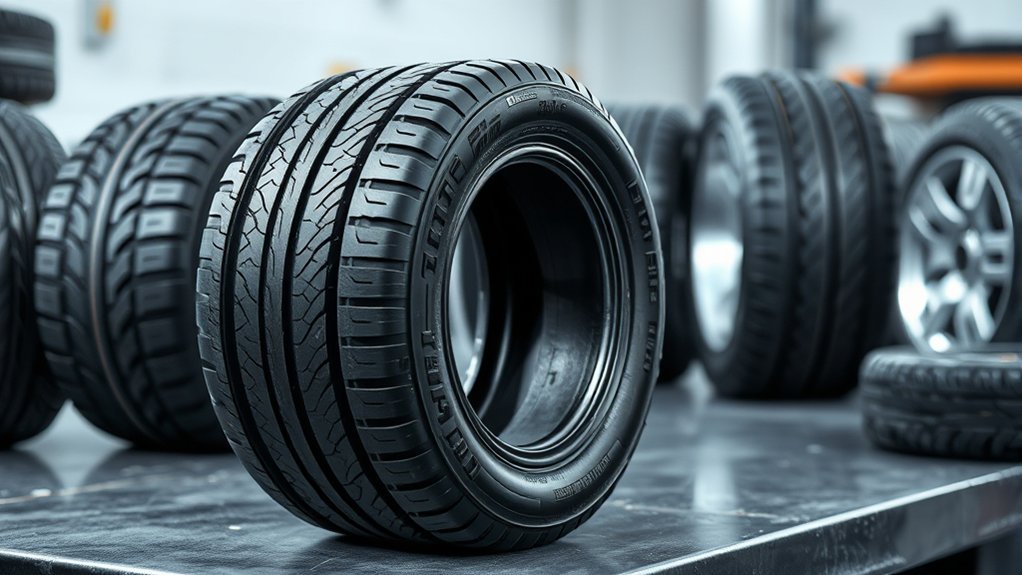
Understanding a tire’s parts makes it easier to see how it performs under load, heat, and road contact. The tread is the outer layer that meets the road, and its patterns help you get grip in dry, wet, or snowy conditions. The sidewall links the tread to the bead, flexes as you drive, and absorbs impacts while keeping the tire stable. The bead uses steel wire to lock the tire onto the wheel rim, so it can seal air and hold inflation. Inside, the inner liner slows air loss and supports durability, helping the tire keep steady pressure over time. When you know these parts, you can inspect wear, spot damage, and choose replacements with more confidence. That knowledge gives you control over safety, efficiency, and long-term value, rather than leaving performance to chance. Additionally, understanding the importance of air-impermeability additives in the inner liner can further enhance your tire’s performance and longevity.
Tire Size Numbers Explained
When you read a tire size like P215/65R15, you can decode its format to identify the tire type, width, aspect ratio, and construction. The three-digit width tells you how wide the tire is, and the two-digit aspect ratio shows how tall its sidewall is relative to that width, which affects handling and ride quality. At the end of the size, the load index and speed rating tell you how much weight the tire can carry and how fast it’s rated to run safely. Additionally, understanding the all-season tire characteristics can help you choose the best option for your vehicle’s needs.
Tire Size Format
A tire size is written in a standardized code that tells you the tire’s width, aspect ratio, construction type, load index, and speed rating. In a tire size format, you read the code from left to right, and each element guides fitment and performance. The first three digits show width in millimeters; the next two show sidewall height as a percentage of width. Then the construction letter appears.
| Code | Meaning | Example |
|---|---|---|
| 225 | Width in mm | 225 mm |
| 55 | Aspect ratio | 55% |
| R | Radial construction | Standard |
After that, the load index and speed rating tell you how much weight the tire can carry and how fast it’s rated to run. Use this code to choose safely, precisely, and independently.
Reading Width And Aspect
Tire size numbers start with width and aspect ratio, and those two values do most of the work in telling you how a tire will fit and feel. The first three-digit number gives tire width in millimeters, measured side to side. Wider tires usually increase contact patch, sharpen handling, and improve stability. The next two-digit number is the aspect ratio: sidewall height as a percentage of tire width. A higher ratio means taller sidewalls, which can soften impacts and improve comfort, but may reduce crispness in cornering. Read these numbers together, because they shape overall diameter and vehicle compatibility. When you understand them, you can choose fitment with confidence and match performance to your driving needs instead of accepting guesswork.
Load And Speed Codes
Beyond width and aspect ratio, the next numbers and letters on the sidewall tell you how much weight and speed a tire can safely handle. You’ll see the load index, a two- or three-digit code showing maximum carrying capacity. For example, load index 89 means the tire can support 1,279 pounds at its rated pressure. Right after that comes the speed rating, a letter that sets the tire’s top safe speed; H means 130 mph. Higher ratings usually improve heat resistance and handling. Match both codes to your vehicle manufacturer’s specs, not guesswork. You’ll find them after the tire size markings on the sidewall. Reading these codes helps you choose tires that protect control, safety, and performance without limiting your freedom.
Common Tire Types and Uses
Different tire types serve different jobs, and you need to match the tire to the vehicle and the load it carries. Passenger Vehicle tires, marked P, suit cars, SUVs, and minivans; you get balanced comfort and performance for daily driving. Light Truck tires, or LT, carry heavier loads and handle towing, so you should choose them for trucks and work-focused vehicles. Special Trailer tires, ST, fit fifth wheels and utility trailers, where stability under load matters most. Metric tires use no letter prefix; you’ll see them on vehicles that need a specific load rating and performance profile. Electric Vehicle tires use compounds and tread designs that support efficiency and help preserve battery range. When you mount any tire on the wheel rim, confirm the size and designation match the vehicle maker’s spec. That way, you keep control of your setup and avoid mismatched equipment. Additionally, selecting the right tire type can significantly impact fuel economy and performance, ensuring your vehicle operates optimally.
How Tires Grip the Road
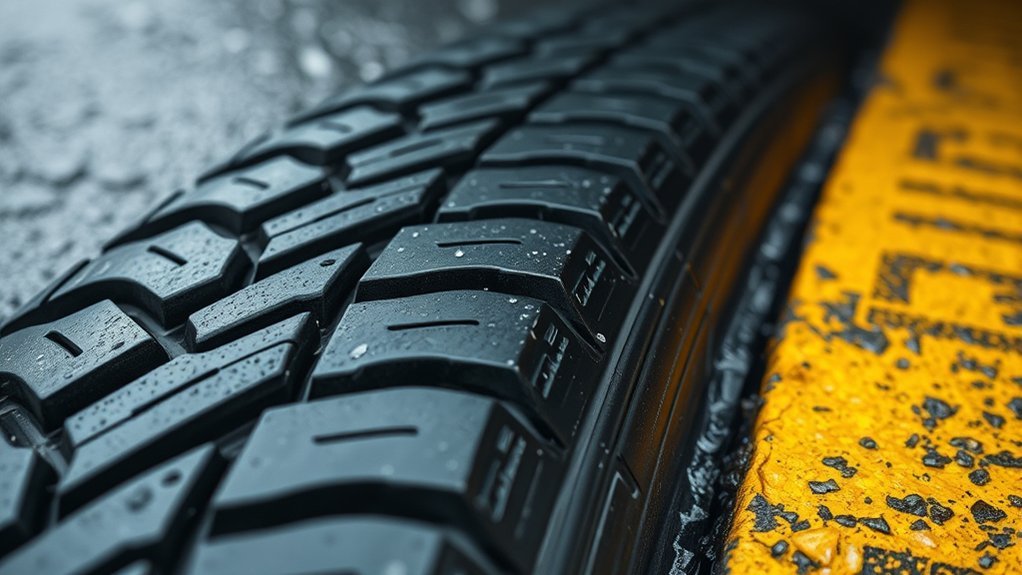
You get grip from the tire’s tread and rubber compound working together to maximize friction with the road surface. The tread’s grooves and patterns keep more rubber in contact with the pavement while channeling water away to reduce hydroplaning. When you understand road surface contact, you can see why tire design and inflation directly affect traction and handling. Additionally, selecting dedicated winter tires can significantly enhance grip in icy and snowy conditions, providing better performance when it matters most.
Tire Tread And Traction
Tire tread is what helps your tires bite into the road by moving water out of the contact patch, which lowers the chance of hydroplaning and improves control on wet surfaces. You need enough tread depth to keep traction; many states set 2/32 inch as the legal minimum, but deeper tread gives you more margin.
| Tread type | Best use |
|---|---|
| All-season | Mixed conditions |
| Winter | Snow and ice |
Tire tread compounds matter too: softer rubber grips better, while harder rubber lasts longer. Your inflation pressure also shapes performance; under-inflation reduces tread contact and can increase wear. Choose the tread pattern that matches your climate and driving demands so you can move with confidence, not caution, every mile.
Road Surface Contact
Road grip comes from the tire’s contact patch working with tread patterns and rubber compounds to manage how the rubber meets the surface. You control road surface contact through inflation, load, and speed. Deeper grooves channel water and improve wet traction; shallower patterns usually give you more dry-road bite. If you run under-inflated tires, you raise rolling resistance and lose precise grip. Over-inflation shrinks the contact area, cutting stability and braking confidence. The rubber blend and reinforcing materials also matter, because they balance flexibility, durability, and traction. Temperature, ice, rain, and rough pavement change how the tire behaves, so you need to match your setup to conditions. That’s how you keep control and move with freedom.
When to Replace Your Tires
When should tires be replaced? You should replace a tire when tread depth reaches 2/32 of an inch, because that’s the legal minimum and traction drops sharply, especially on wet roads. Check the sidewalls too: cracks, cuts, or bulges mean the tire’s structure has failed and replacement isn’t optional. Age matters as well. Even if tread looks adequate, tires usually need replacement after 6 to 10 years because rubber compounds harden and lose performance. Watch your tire pressure regularly; chronic under-inflation can accelerate uneven wear and shorten service life. If you feel vibrations or see irregular wear patterns, your tires may be out of alignment or already compromised. Get them inspected promptly and replace any tire that no longer meets safe operating standards. Your mobility depends on tire integrity, and you deserve control through informed, timely decisions. Additionally, consider carrying a spare tire kit for emergencies, which can provide peace of mind during unexpected roadside situations.
How to Care for Your Tires
Start with a simple monthly check of your tire pressure, since under-inflated tires reduce fuel efficiency and wear out faster. Use a reliable gauge and inflate each tire to the manufacturer’s recommended level. Rotate your tires every 5,000 to 8,000 miles so each one shares the load evenly; this slows uneven tread loss and extends service life. Inspect tread depth with the penny test: insert the coin into the groove, and if Lincoln’s entire head shows, replace the tire because traction is no longer sufficient. Keep each tire clean and clear of stones, tar, and other debris, and avoid rough roads when you can, since impacts and cuts weaken the casing. If you store tires off the vehicle, place them in a cool, dry area away from sunlight. These habits help you preserve performance, protect safety, and keep control of your mobility.
Frequently Asked Questions
What Does the Slang Tire Mean?
In slang, you tire when you feel bored, weary, or emotionally drained by a person, topic, or routine. You’d use it to say you’re losing interest or running out of patience, like “I tire of this.” This Slang Usage works in both British and American English. You can treat it as a precise marker of fatigue, helping you name when something no longer serves you and you need distance.
What Is the Other Meaning of Tire?
You mean to grow bored or lose interest, a medieval glitch in modern speech. You’ll hear it in sentences like, “I tire of this task.” That use signals mental fatigue, not physical strain. In practice, you can read it as disengagement caused by repeated exposure. Think of Tire Materials: context shapes interpretation, just as composition shapes performance. You can choose clarity, reject confusion, and speak with precision.
Does Tire Mean Tired?
Yes, you can treat tire as a verb meaning to become tired. When you tire, you feel fatigue, and Fatigue Factors like effort, stress, sleep loss, and repetition can speed that process. You don’t use it as the adjective tired, though; that word describes your state. So you might say, “You tire quickly,” or “You’re tired.” This distinction helps you communicate clearly and reclaim precision.
What Does It Mean to Tire of Someone?
You tire of someone when repeated interactions drain your interest, like a lamp dimming after too many hours. You’ve lost novelty, and Emotional Fatigue sets in. You no longer find their behavior engaging, so you start feeling bored, frustrated, or impatient. Practically, it means your attention’s shifting away because the connection no longer nourishes you. You can recognize this as a signal to set boundaries and protect your energy.
Conclusion
So, when you choose a tire, you’re really choosing safety, traction, and efficiency. You now know what a tire is, how to read its size, and why different types matter for different roads and vehicles. For example, if your sedan’s tread depth drops below 2/32 inch, you shouldn’t wait—replace the tires to keep stopping distances short and grip reliable. If you inspect and maintain them regularly, they’ll perform better and last longer.

Related Articles
How to Find Your Tire’s Diameter and Width: Sidewall Reading Guide
Know your tire’s diameter and width from the sidewall code, but the hidden ratings could change everything—learn what they mean next.
Read More
How Much Does a Tractor Tire Weigh? Exact Weight Guide
Discover how tractor tire weight varies from 300 to 1,000 pounds, and why your exact setup could change everything.
Read More
How Much Does a Car Tire Weigh? Weight Breakdown by Category
Tire weights vary widely by category, and the numbers may surprise you when you compare passenger, SUV, motorcycle, and heavy-duty options.
Read More