How to Find Your Tire’s Diameter and Width: Sidewall Reading Guide
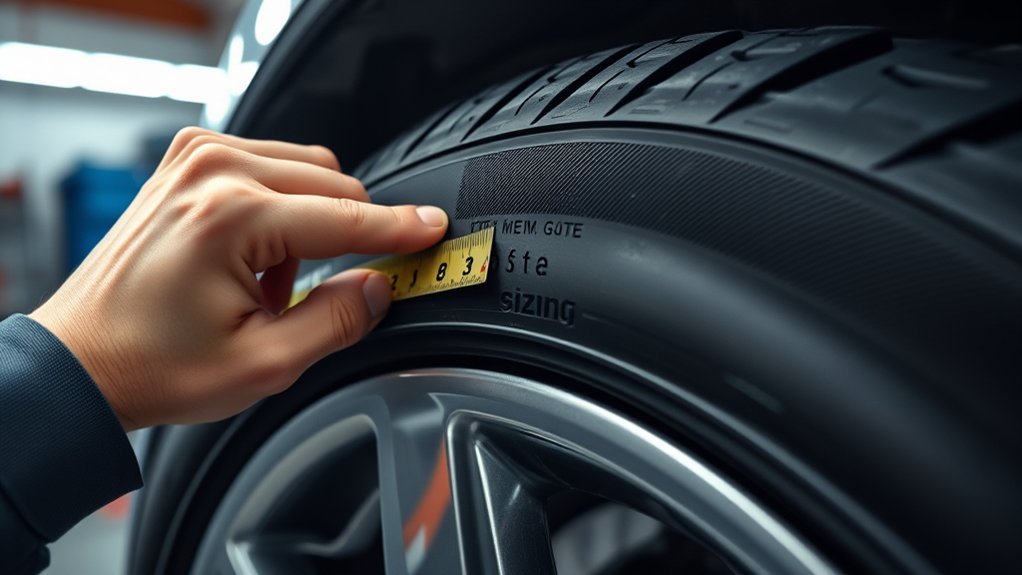
You can find your tire’s width and diameter by reading the sidewall code, such as P225/70R16. The first three-digit number is the width in millimeters, the number after the slash is the aspect ratio, and the number after R is the rim diameter in inches. Check the load index and speed rating after that. Matching these specs matters for fit, handling, and safety, and there’s more to decode if you keep going.
Key Takeaways
- Read the tire sidewall code, such as P225/70R16, to identify width, aspect ratio, and rim diameter.
- The first three digits show tire width in millimeters, like 225 mm.
- The number after the slash is the aspect ratio, meaning sidewall height as a percentage of width.
- The number after R shows rim diameter in inches, such as 16 inches.
- Check load index, speed rating, and tire type prefix to ensure the tire matches your vehicle’s requirements.
How to Find Tire Size on the Sidewall
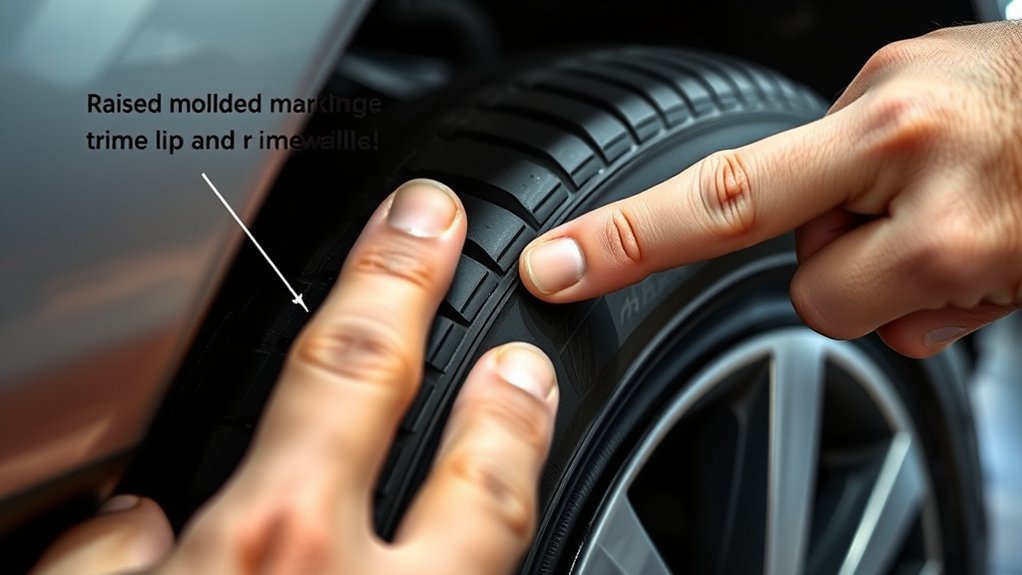
You’ll also see a load index such as 91, which tells you the maximum weight the tire can carry when inflated correctly. At the end, a speed rating letter, like S, indicates the tire’s top safe speed. Other marks such as M/S, MS, or XL may appear too. Check the full sidewall code carefully so you can choose tires with confidence and keep your vehicle moving freely. Understanding the UTQG ratings can also help you select a tire that meets your performance needs.
Read Tire Width, Aspect Ratio, and Rim Diameter
You can read the tire width from the first three-digit number in the size code; for example, 225 means the tire is 225 mm wide. The aspect ratio follows the width and tells you the sidewall height as a percentage of that width, so 70 means the height is 70% of 225 mm. Check the number after the R for the rim diameter, which you’ll measure in inches, because all three values must match your wheel for proper fitment and performance. Understanding tire specifications is crucial for selecting the right tires for your vehicle.
Tire Width Basics
Reading a tire size starts with the width, aspect ratio, and rim diameter. You’ll see the tire width as the first three-digit number in the tire size; it measures the inflated section from sidewall to sidewall in millimeters. For example, P225 means 225 mm wide. Next comes the aspect ratio, a two-digit percentage that describes sidewall height relative to width. After that, the rim diameter tells you the wheel size in inches, like 16 in P225/70R16. These numbers aren’t arbitrary—they determine proper fitment, performance, and handling. Match the tire width and aspect ratio to your vehicle specifications, or you may get rubbing, instability, or other problems. Read the sidewall carefully so you can choose with precision and protect your freedom to drive.
Aspect Ratio Meaning
The aspect ratio is the second number in a tire size and tells you how tall the sidewall is compared with the tire’s width, expressed as a percentage. You read the tire width first, then the aspect ratio, then the rim diameter. In P225/70R16, 225 is the section width in millimeters, and 70 means the sidewall height equals 70% of that width. This measurement helps you judge fitment and performance without guesswork. A lower aspect ratio usually sharpens handling performance because the sidewall flexes less. A higher ratio can soften the ride, but it may reduce response. Check the load index too, since size alone doesn’t guarantee safe vehicle fitment. When you read tire size correctly, you make informed choices and keep your vehicle free to perform.
Rim Diameter Check
Start by reading the tire size from left to right so you can separate the width, aspect ratio, and rim diameter at a glance. The first number tells you tire width in millimeters, from sidewall to sidewall, while the next two digits give the aspect ratio. The final number is your rim diameter in inches, and it has to match the wheel exactly for correct fitment. If you see P225/70R16, the 16 means a 16-inch rim diameter. Check that your rim width also suits the tire’s section width, because that affects mounting and load support. Precise measurements protect handling, performance, and safety, and they keep your tire size aligned with the freedom to drive without guesswork.
Decode Load Index and Speed Rating
Next, check the load index and speed rating stamped on the tire’s sidewall, usually after the tire size. In your sidewall reading, this tire size information lets you see the load index number, a code from 1 to 150 that tells you the maximum weight the tire can carry when fully inflated. For example, 91 means 1,356 pounds. The speed rating follows as a letter and defines the highest safe speed the tire can maintain, such as P, S, or H. Match both values to your vehicle specifications, because the tire’s aspect ratio and tire’s internal construction don’t compensate for an undersized load index or weak speed rating. You won’t gain real performance advantages by mixing different ratings; the lowest rating governs the setup. Keep all four tires consistent, or you’ll limit handling, load capacity, and safety. Decode these markings precisely, and you’ll choose tires that support freedom through dependable, informed driving. Additionally, ensure the tire’s treadwear ratings align with your driving needs for optimal performance and longevity.
Identify P, LT, T, and ST Tire Types
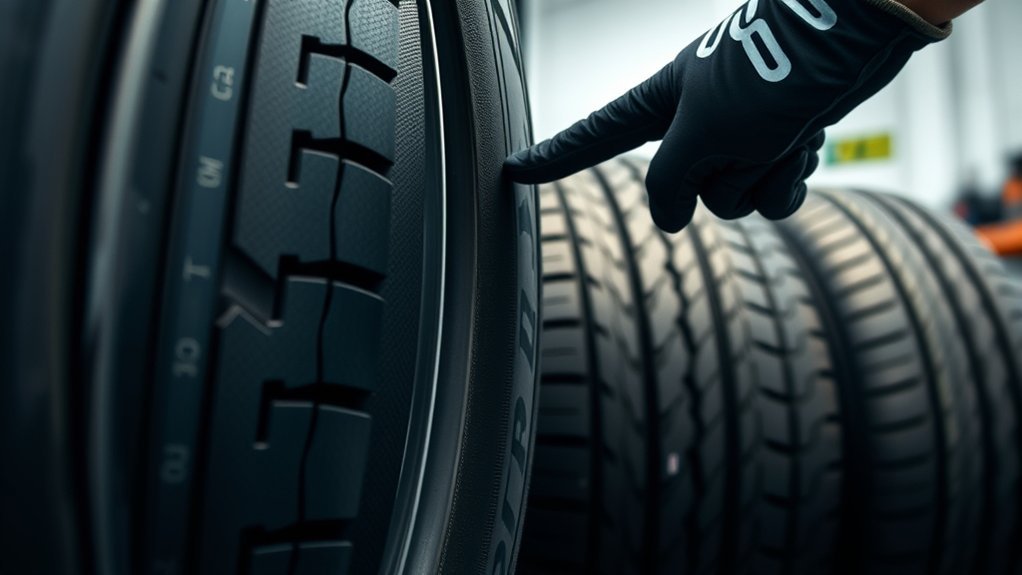
Tire prefixes tell you what the tire was built to do, so check them before you compare sizes or ratings. On the sidewall, P Tires mark passenger tires for cars, SUVs, minivans, and EVs, with comfort and efficiency in mind. LT Tires mean light truck tires; they’re built for heavier load capacity and towing. T Tires are temporary spares, so use them only short term after a flat. ST Tires designate special trailer tires for trailers that need stability and strong load support while towing. If the sidewall shows no prefix, you’re usually looking at Euro-Metric tire types for passenger vehicles. That matters because a no-prefix tire can carry a different load capacity than a P or LT version with the same diameter and width. Read the prefix first, then match the tire to the vehicle and job. Additionally, understanding your tire’s UTQG rating can help you assess its durability and performance characteristics effectively.
Know the Difference Between Radial and Bias Tires
You’ll see radial tires built with ply cords that run perpendicular to travel, which improves grip, lowers rolling resistance, and usually boosts tread life and fuel economy. Bias-ply tires use diagonal layers that crisscross, creating a stiffer sidewall and a different ride feel. Check the construction type because it directly affects handling, load capacity, and the kind of driving each tire suits best. Additionally, load index is a crucial factor when selecting the appropriate tire for your vehicle’s needs.
Radial Tire Construction
When you’re checking a tire size, the letter after the aspect ratio tells you how it’s built: R means radial, where the ply cords run perpendicular to the direction of travel for better grip, lower rolling resistance, and improved tread life, while D or no letter usually indicates bias construction, where the cords crisscross at angles for a stiffer sidewall and greater load durability. With radial tires, that construction lets the tread flex independently from the sidewall, so you get steadier contact, better grip, and stronger fuel efficiency on most roads. You’ll also notice less heat buildup and longer tread life. Match the design to your vehicle requirements, because the right tire supports control, economy, and everyday freedom without sacrificing precision or practicality.
Bias Ply Construction
Bias ply tires use diagonal fabric cords that cross each other through the carcass, creating a stiffer sidewall and a ride feel that’s different from a radial’s more flexible design. In this construction, each diagonal layer supports load and shape, but it also increases rolling resistance and can reduce traction on pavement. You’ll usually see shorter tread life and different performance characteristics than with radial tires, so match the tire to your needs, not habit. Bias ply tires still deliver durability in specific applications like vintage vehicles, trailers, and some off-road rigs where rugged service matters. If you want the right balance of handling, stability, and freedom to choose, read the sidewall, confirm the size, and decide whether flexible sidewalls or a stiffer sidewall better fits your vehicle.
Understand Flotation Tire Sizes
Flotation tire sizes use inches instead of the standard metric format, with the first number showing overall diameter and the second showing section width. You’ll see this format on flotation tire sizes for light trucks and SUVs, especially when you need more traction on soft or uneven ground. The larger footprint can help your vehicle move with less sink and more control. Unlike metric tires, these sizes don’t carry a standardized load index, so you should check the tire manufacturer for exact load capacities before you buy. Don’t assume an LT-Metric match means equivalent performance; flotation sizes can differ sharply. They also may not suit dual applications, where clearance and load sharing matter. Read the sidewall carefully, confirm the overall diameter and section width in inches, and choose the size that fits your setup and your freedom to go where the road doesn’t. Additionally, selecting the right tire construction and ply ratings can significantly enhance your off-road experience.
Compare Tire Size Options Safely
Once you’ve identified a tire’s diameter and width, compare replacement options against your vehicle manufacturer’s specifications in the owner’s manual or on the driver’s side doorjamb. Match tire size, load index, and speed rating to the listed minimums so you don’t compromise vehicle handling or safety. Use a calculator to compare tire diameter and tire width changes before you buy.
| Check | What to verify | Why it matters |
|---|---|---|
| Tire size | Matches specs | Fit and function |
| Load index | Meets requirement | Carrying capacity |
| Speed rating | Meets requirement | Safe performance |
| Width change | Limited change | Handling and clearance |
| Retail support | Ask a tire retailer | Confirms compatibility |
If you’re considering a wider or taller option, watch for clearance issues around suspension and bodywork. A tire retailer can confirm whether the substitution stays within manufacturer specifications. Keep your choice precise, practical, and aligned with the freedom to drive confidently, without guesswork or avoidable risk.
Check Tire Size Changes Before You Upgrade
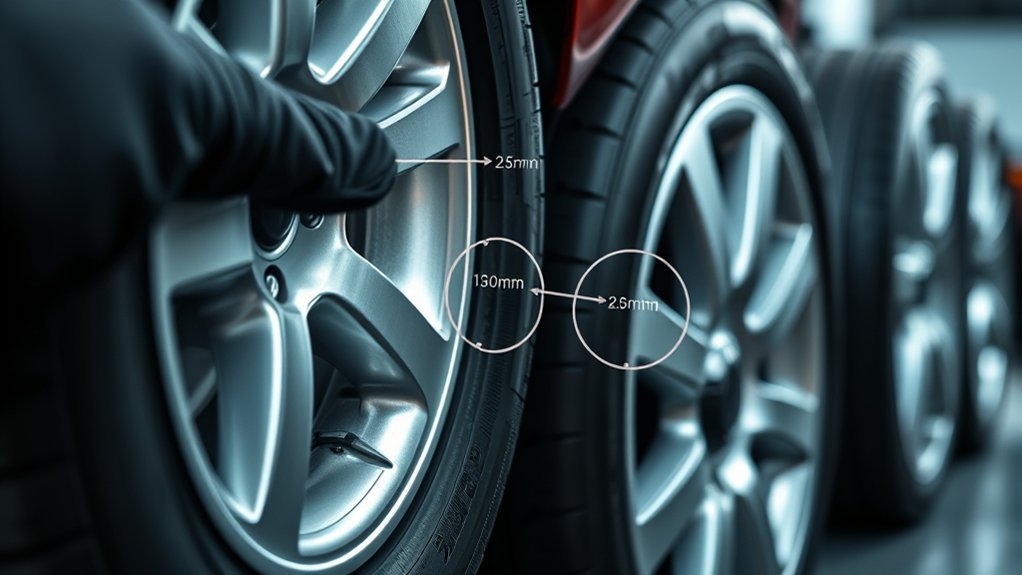
Before you upgrade tire size, check your owner’s manual or the tire placard in the driver’s doorjamb to confirm the recommended specifications. Use those manufacturer recommendations to verify diameter, width, and sidewall limits, then compare them with the new tire size you want. If the load index or speed rating falls below spec, don’t install it. You’re responsible for vehicle compatibility, so measure clearance in the wheel wells and inspect suspension components for possible rubbing. A larger diameter can raise ground clearance, but it can also change speedometer and odometer readings, so your mileage data may drift. Added weight and rolling resistance can affect performance, handling, acceleration, and braking, so choose carefully. When you assess an upgrade, keep the fitment precise and the freedom to drive on your terms. If the new tire barely clears, test it before committing. Additionally, consider the UTQG rating to ensure durability and tread life when making your selection.
Why the Right Tire Size Matters
The right tire size matters because it keeps your vehicle handling, performance, and safety aligned with the manufacturer’s specifications. When you choose the correct tire size, you preserve vehicle handling performance, maintain optimum performance, and protect ride quality. If you ignore the manufacturer’s recommendations, incorrect tire sizing can throw off speedometer readings, distort mileage tracking, and disrupt maintenance intervals. It can also strain suspension parts, raise fuel efficiency losses, and create tire rubbing against the body or suspension. That rubbing can damage components and reduce safety.
- Match tire specifications to your vehicle’s load and speed ratings.
- Check clearance so tire rubbing doesn’t compromise ride quality.
- Verify tire size before buying to avoid costly corrections.
Choosing tires with an appropriate treadwear warranty can also help you gauge longevity and performance expectations. You don’t need guesswork to stay free on the road; you need the right tire size. It supports precise control, lowers operating costs, and helps you drive with confidence.
Frequently Asked Questions
How to Read Tire Size From Sidewall?
You read tire size from the sidewall markings, like P225/70R16. The first number is tire width, the second is aspect ratio, R shows tire composition, and the last number is rim compatibility. Check load capacity and speed rating too. Don’t confuse this with tread pattern or inflation pressure. You’ll also see codes for seasonal tires. These numbers tell you fit, performance, and safety for your vehicle.
Is a 285 a 33 Inch Tire?
Not always—you’ll find a 285 can be close to 33 inches, and a 285/70R17 measures about 33.8 inches. That’s why tire measurement basics matter. Using tire size conversions, you should check understanding tire profiles, tire aspect ratio, and a tire fitment guide before buying. For off road tire dimensions, verify tire inflation tips, tire load ratings, tire tread patterns, and tire wear indicators. Freedom comes from precision, not guessing.
What Is the Diameter of 235 35 r20?
A 235/35R20 tire’s overall diameter is about 25.6 inches, and you’re fitting it on a 20-inch rim. You’re reading sidewall markings explained: 235 mm width, 35% aspect ratio, and R for radial construction. Use tire measurement tips and understanding tire codes for tire fitting advice. Check tire pressure monitoring, proper inflation techniques, tread depth indicators, seasonal tire choices, and maintaining tire health. Radial vs. bias matters, too.
How to Tell the Width and Diameter of a Tire?
You can tell width from the first three-digit number on the sidewall and diameter from the number after R, in inches. For example, 225/70R16 means 225 mm wide and 16-inch diameter. Use tire maintenance tips, tire pressure importance, tread depth measurement, tire rotation benefits, winter tire advantages, tire buying guide, tire brands comparison, tire wear indicators, off road tires, and tire age effects to choose, inspect, and drive with confidence.
Conclusion
Now that you know how to read your tire’s sidewall, you can verify width, diameter, load rating, and tire type with confidence. Before you upgrade, compare every size change carefully so you don’t affect handling, clearance, or safety. Think of it as your mechanical compass: small details matter. Use the markings to choose the right fit, and your vehicle will respond as intended. The right tire size isn’t optional; it’s essential for performance and reliability.

Related Articles
How Much Does a Tractor Tire Weigh? Exact Weight Guide
Discover how tractor tire weight varies from 300 to 1,000 pounds, and why your exact setup could change everything.
Read More
How Much Does a Car Tire Weigh? Weight Breakdown by Category
Tire weights vary widely by category, and the numbers may surprise you when you compare passenger, SUV, motorcycle, and heavy-duty options.
Read More
What Is a Tire Made Of? Inside the Materials & Construction
How tires combine rubber, steel, cords, and additives to boost grip and durability may surprise you—find out what each layer really does.
Read More