
Essential Tire Terminology Every Toyota RAV4 Owner Should Know
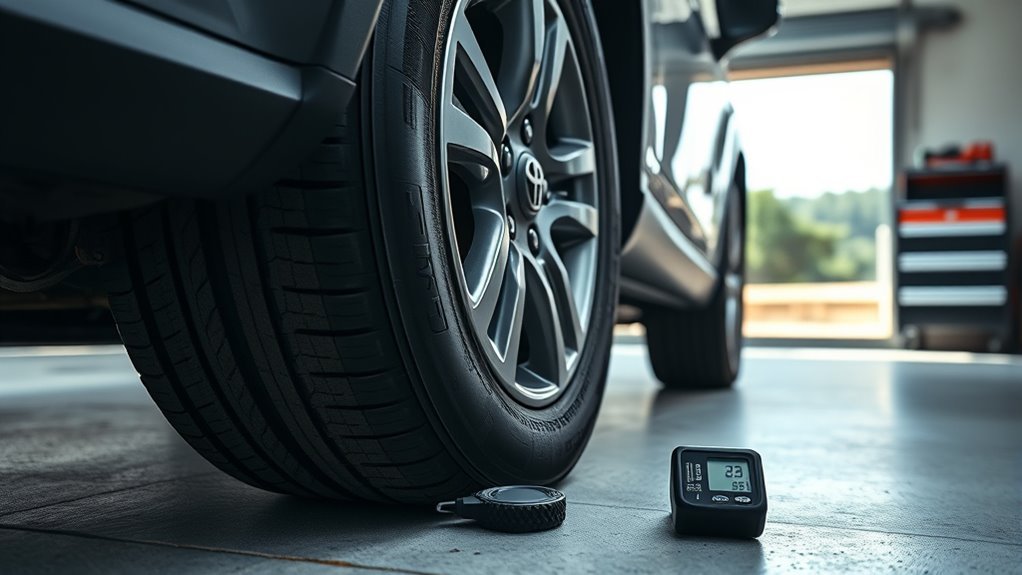
As a Toyota RAV4 owner, tire terminology is more than shop talk. It helps you choose the right replacement tires, understand the numbers on the sidewall, maintain safe tire pressure, spot tread wear early, and know when rotation, balancing, alignment, or replacement is needed. The safest rule is simple: use your RAV4’s driver-side door placard and owner’s manual as the final authority for tire size, load rating, speed rating, and cold tire pressure.
Quick Answer
The most useful RAV4 tire terms are tire size, load index, speed rating, PSI, TPMS, tread depth, rotation, balance, alignment, and tire age. Start with the driver-side door placard for size and pressure, check cold tire pressure monthly, and replace tires at 2/32 inch tread or sooner if damaged.
Key Takeaways
- Your RAV4’s door-jamb tire placard is the best source for the correct tire size and cold PSI; the sidewall maximum pressure is not the target pressure.
- Common RAV4 tire types include all-season, all-weather, winter, all-terrain, mud-terrain, touring, and performance tires.
- Tread depth below 2/32 inch is the minimum replacement point under federal inspection standards, but wet or winter performance can decline before that.
- TPMS is a backup warning, not a substitute for checking tire pressure with a gauge.
- Rotation, balancing, alignment, and regular inspections help your tires wear evenly and keep your RAV4 stable, efficient, and safe.
At a Glance
| Time Required | 10–20 minutes for a basic monthly tire check |
| Difficulty | Easy for pressure and tread checks; professional service recommended for alignment, balancing, mounting, and major repairs |
| Tools Needed | Tire pressure gauge, tread depth gauge or penny, air source, flashlight, gloves, and a torque wrench if removing wheels |
| Cost | About $0–$20 for basic checks if you already have air access; professional services vary by shop and tire size |
Types of Tires Every RAV4 Owner Should Know
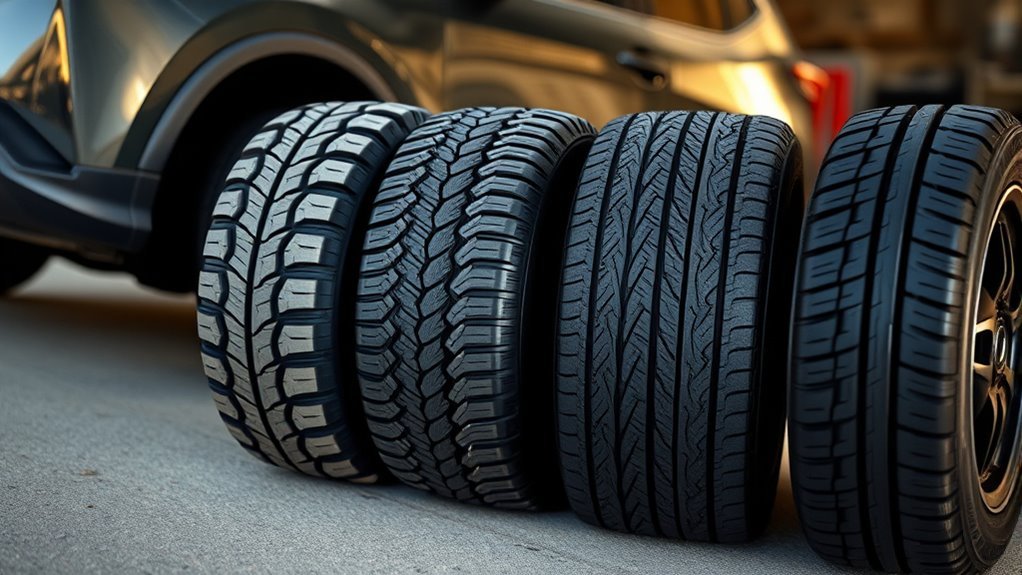
Choosing the right tire type affects comfort, traction, road noise, fuel economy, and how confident your RAV4 feels in rain, snow, gravel, or highway driving. Here are the tire categories most RAV4 owners should understand:
- All-season tires: A common factory-style choice for daily commuting, highway driving, and mild climates. They balance comfort, tread life, wet grip, and light winter capability, but they are not true snow tires.
- All-weather tires: A year-round option that usually carries the three-peak mountain snowflake symbol. They are useful if you want better winter grip than standard all-seasons without changing tires twice a year.
- Winter tires: Designed for cold temperatures, snow, slush, and ice. If you drive in regular winter conditions, install a matching set of four winter tires rather than mixing types.
- All-terrain tires: A good fit for RAV4 owners who regularly see gravel roads, campsites, dirt roads, or light trails. They add toughness and off-pavement bite, but may increase road noise and reduce fuel economy.
- Mud-terrain tires: Built for soft mud and rugged off-road use. They look aggressive, but they are usually louder, heavier, and less comfortable for daily RAV4 driving.
- Touring tires: Focused on quiet ride quality, tread life, and comfort. They suit commuters and road-trip drivers who spend most of their time on pavement.
- Performance tires: Tuned for sharper handling and higher-speed stability. They can improve road feel, but they often wear faster and may not perform well in cold or snowy weather.
Note: Tire terms such as “all-season,” “all-weather,” and “winter” are not interchangeable. For severe winter driving, look for the three-peak mountain snowflake symbol and use tires in the size and load rating recommended for your RAV4.
[Products Worth Considering]
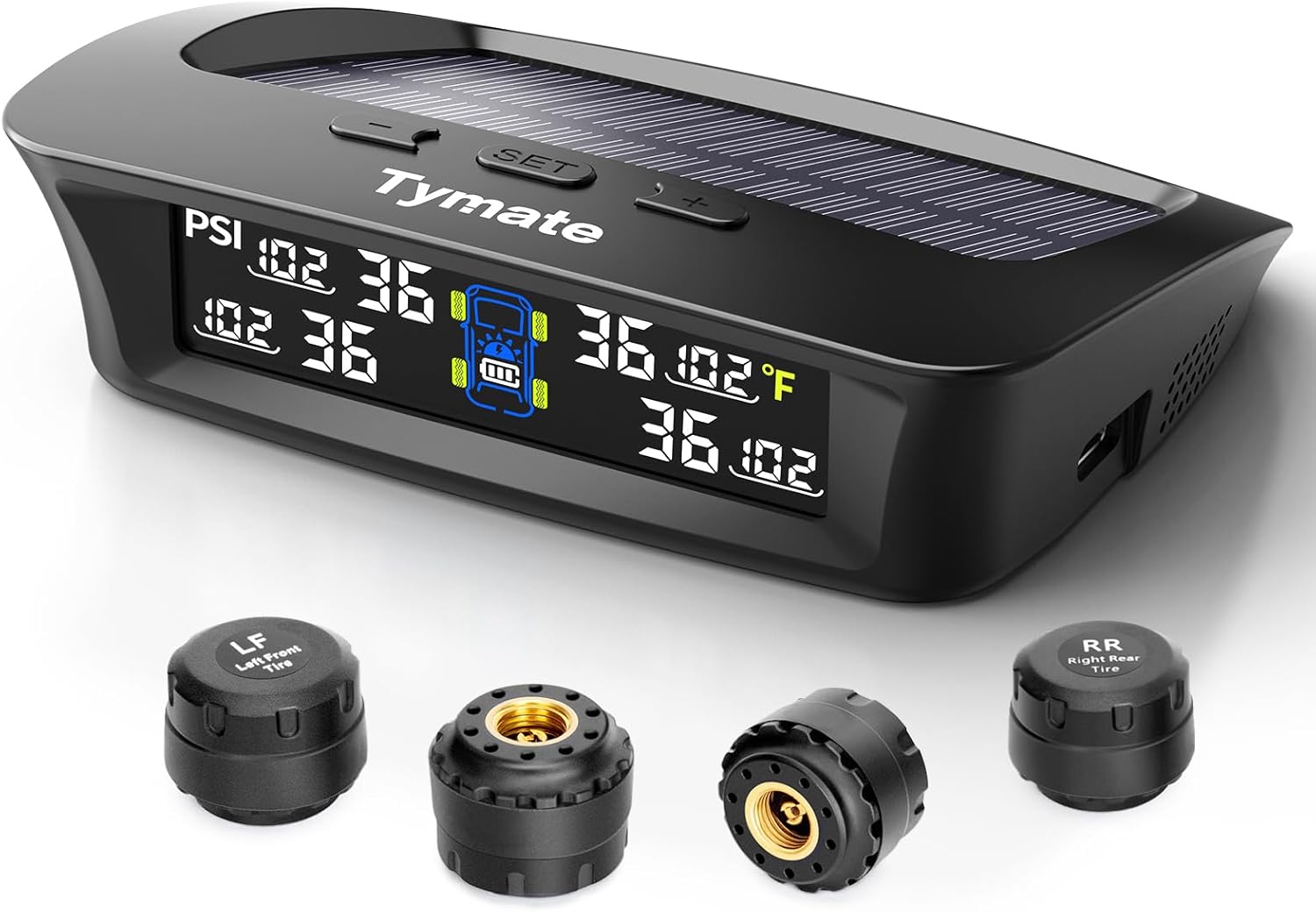
The Tymate TM3 RV TPMS delivers real-time tire pressure monitoring from 0 to 144 PSI with accurate readings and dependable wireless communication. It includes four external sensors with pre-pairing, six alarm modes for rapid leak, pressure extremes, temperature, and signal loss, plus an easy-reference setup for alert thresholds. Solar and USB-C charging help keep the display powered, while the color LCD and adaptive backlight improve visibility for safer driving and towing.

The JACO FlowPro Tire Inflator measures, inflates, and airs down tires up to 100 PSI with battery-free operation and ±2% accuracy after calibration. It features a glowing pressure dial for night visibility, a heavy-duty steel build with a hybrid hose, and a precision push-to-inflate thumb trigger. The patented Lightning Air Chuck locks on for a secure seal, and the kit includes quick-connect hardware for easy inline use with your air compressor.
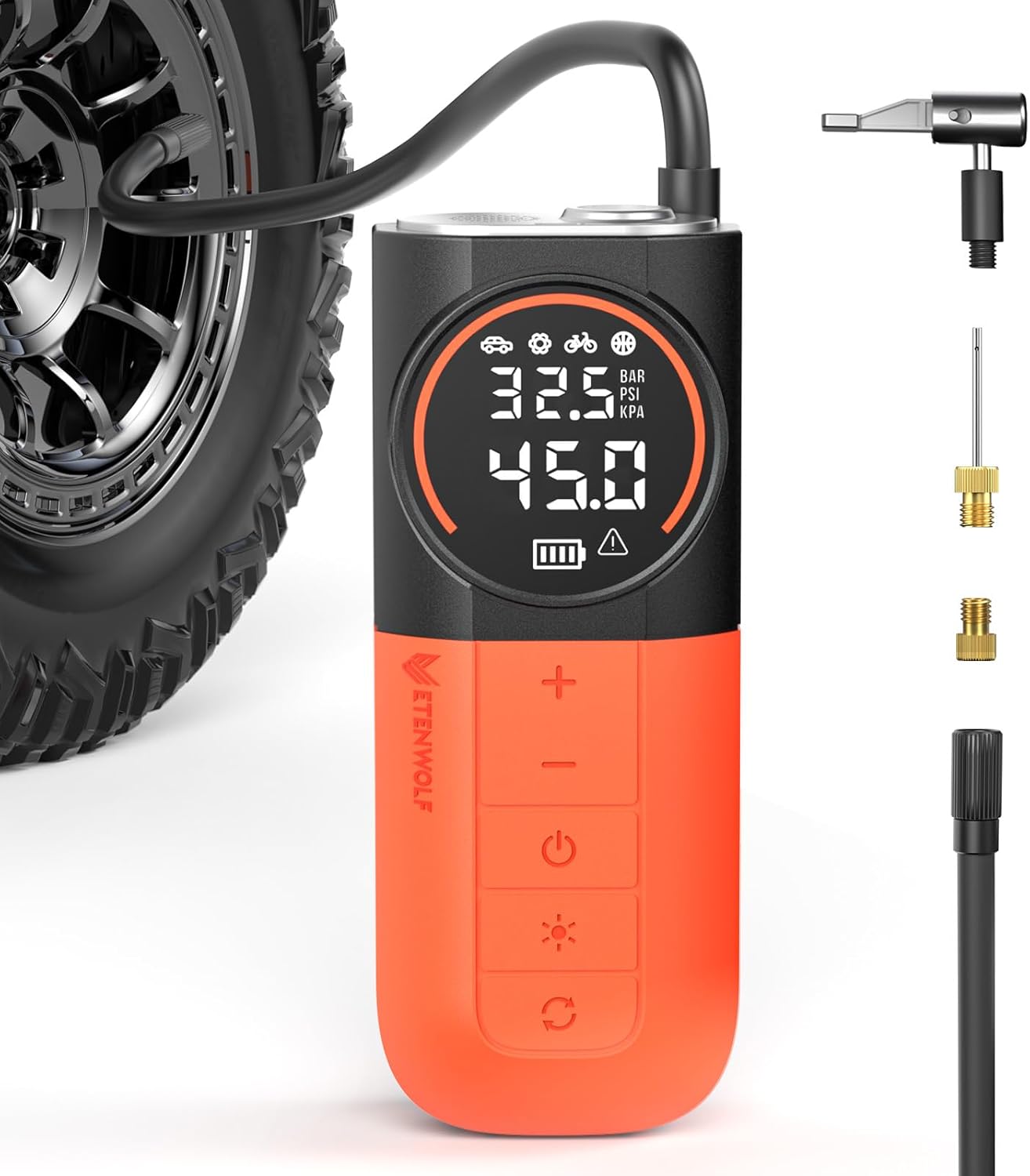
The ETENWOLF S1 cordless tire inflator delivers ultra-fast inflation with up to 160 PSI and a 20 L/min airflow for quicker tire top-offs. Its 5200mAh battery and cooling system support inflating many tires and sports balls on a single charge, while the digital pressure gauge and multi-unit display help you reach the right pressure accurately. With preset modes, pressure memory, an auto-stop feature, and an LED flashlight, it’s built for easy roadside and everyday use.
Understanding RAV4 Tire Sizes
RAV4 tire sizes vary by model year, trim, wheel package, hybrid or plug-in hybrid configuration, and market. Many late-model RAV4 trims use sizes such as 225/65R17, 225/60R18, or 235/55R19, while older RAV4s may use different sizes. Always confirm your exact size on the tire information placard on the driver-side door jamb, in the Toyota owner’s manual, or on the sidewall of the tire currently installed.
How to Read a Tire Size Like 225/65R17
A tire size may look confusing at first, but each part has a specific meaning:
| Example | Meaning | Why It Matters |
|---|---|---|
| 225 | Section width in millimeters | Affects contact patch, clearance, and fitment |
| 65 | Aspect ratio: sidewall height as a percentage of width | Affects ride comfort, overall diameter, and handling |
| R | Radial construction | The standard tire construction for modern passenger vehicles |
| 17 | Wheel diameter in inches | Must match your wheel size |
| 102H | Load index and speed rating, when shown | Must meet or exceed the vehicle’s required rating |
Why Upsizing Tires Requires Care
Installing larger tires can change overall diameter, ground clearance, speedometer accuracy, braking behavior, steering feel, and clearance around the fenders and suspension. On AWD RAV4 models, mismatched diameter or tread depth can also create extra stress on the drivetrain. If you want a larger all-terrain look, confirm the fitment with a Toyota dealer or qualified tire professional before buying.
Warning: Do not choose tires only because they “fit” the wheel. The tire must also match the correct size, load index, speed rating, construction type, and clearance requirements for your RAV4.
Why Tire Pressure Matters for Your RAV4
Maintaining the right tire pressure helps your RAV4 steer, brake, carry weight, and use fuel efficiently. The correct pressure is the cold tire pressure listed by Toyota for your specific vehicle, usually on the driver-side door placard and in the owner’s manual. Do not use the maximum PSI printed on the tire sidewall as your normal pressure setting.
Underinflated tires create more rolling resistance and heat. According to FuelEconomy.gov, keeping tires properly inflated can improve gas mileage by 0.6% on average and up to 3% in some cases, while underinflation can reduce mileage by about 0.2% for every 1 PSI drop in the average pressure of all tires.
Proper tire pressure is one of the cheapest maintenance habits for a RAV4 because it supports safety, tread life, ride quality, and fuel economy at the same time.
Your RAV4’s Tire Pressure Monitoring System can warn you when pressure becomes significantly low, but Toyota notes that tire pressure should still be checked regularly with a gauge and that you should not rely only on the monitor system. Learn more from Toyota’s TPMS explanation.
How to Check RAV4 Tire Pressure Correctly
Check tire pressure at least once a month and before long trips. For the most accurate reading, check when the tires are cold, meaning the vehicle has been parked for several hours or driven only a short distance at low speed.
- Find the recommended PSI. Look at the tire information placard on the driver-side door jamb or your owner’s manual.
- Remove the valve cap. Put it somewhere safe so it does not get lost.
- Press the gauge firmly on the valve stem. A quick hiss is normal, but a long hiss means the gauge is not seated correctly.
- Compare the reading with the placard PSI. Add air if the tire is low, or release a little air if it is overinflated.
- Recheck after adjusting. Small changes matter, so confirm the final reading with the gauge.
- Replace the valve cap. Valve caps help keep dirt and moisture away from the valve core.
- Check all four tires and the spare if equipped. The spare is easy to forget until you need it.
Pro Tip: If your TPMS light turns on after a cold night, check pressure with a gauge before assuming a sensor is bad. Temperature changes can lower pressure enough to trigger a warning.
How to Assess Tire Tread Depth and Wear
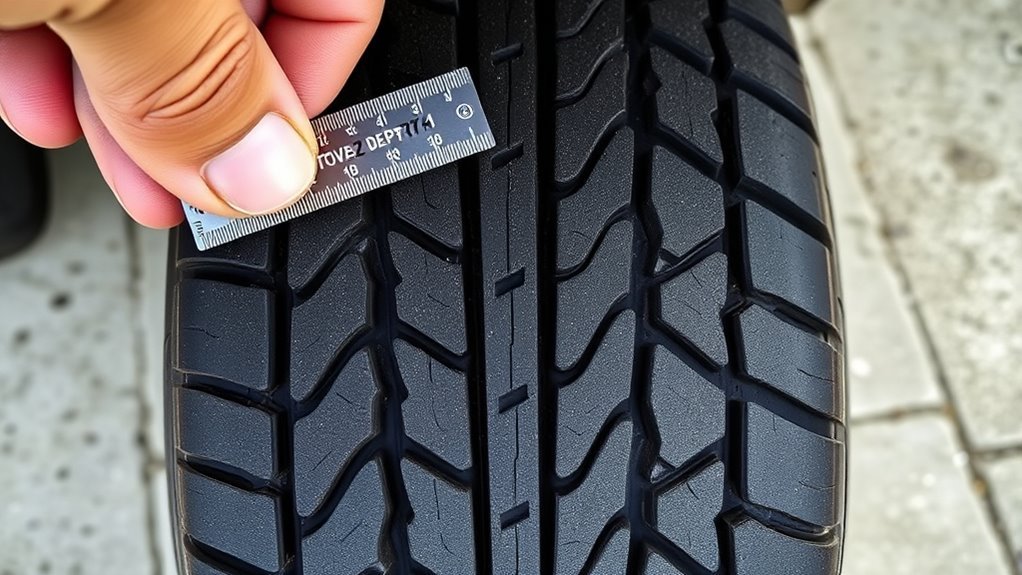
Tread depth determines how well your RAV4 can grip the road, especially in rain, slush, or snow. Federal inspection standards in 49 CFR 570.9 specify that tire tread should be at least 2/32 inch deep, and tires should be free from bulges, exposed cords, and other serious damage.
Penny Test vs. Tread Depth Gauge
The penny test is a quick screening method. Insert a penny into the tread groove with Lincoln’s head upside down and facing you. If the top of Lincoln’s head is visible, the tire is at or below about 2/32 inch and should be replaced. A tread depth gauge is better because it gives an actual measurement and helps you compare inner, center, and outer tread wear.
Common Tire Wear Patterns
| Wear Pattern | What It May Mean | What To Do |
|---|---|---|
| Center wear | Possible overinflation | Set pressure to the door placard and inspect again |
| Both edges worn | Possible underinflation or overloading | Check PSI, load limits, and tire condition |
| One edge worn | Possible alignment issue | Schedule an alignment inspection |
| Cupping or scalloping | Possible worn suspension parts, imbalance, or shock/strut issue | Have the tires, wheels, and suspension checked |
| Patchy bald spots | Possible balancing, braking, or suspension problem | Do not ignore it; get a professional inspection |
Warning: Replace a tire immediately if you see exposed cords, sidewall bulges, deep cracks, tread separation, or repeated pressure loss. These are safety issues, not cosmetic problems.
When to Rotate and Replace Your RAV4 Tires
Regular tire rotation helps equalize wear between the front and rear tires. Many RAV4 owners follow the vehicle’s maintenance schedule and rotate tires around routine service intervals, but the exact interval and pattern should come from your Toyota maintenance guide or a qualified technician.
If your RAV4 has the same tire size on all four wheels, a shop may rotate front-to-rear or use a cross pattern depending on drivetrain, tread direction, and tire design. Directional tires, staggered setups, and some specialty tires require different patterns, so do not guess if you are doing the work at home.
Replace your tires when the tread reaches 2/32 inch, when treadwear indicators are flush with the tread, or sooner if the tires are damaged, unevenly worn, too old, or unsafe in wet or winter driving. The NHTSA TireWise guide also notes that some vehicle and tire manufacturers recommend replacement after six to 10 years regardless of treadwear. You can check tire age by finding the DOT Tire Identification Number on the sidewall; the last four digits show the week and year the tire was made.
[Products Worth Considering]

The Fanttik X10 Pro is a cordless portable tire inflator that reaches up to 150 PSI and can inflate an R15 tire in about 35 seconds for quick roadside or home top-ups. With AccuInFlate auto-stop and smart start/stop controls, it helps maintain accurate pressure and frees your hands once the target is reached. A high-visibility digital display and preset modes make it easy to set and monitor inflation for cars, motorcycles, bikes, and balls.

This compact capsule-style tire repair kit helps you quickly fix punctures and plug flats with minimal effort. The rugged stainless steel shell protects the contents for reliable roadside use, while the simple plug assembly makes repairs fast and tool-free. Suitable for motorcycles, cars, ATVs, UTVs, and even mountain bikes.
Tire Terminology Glossary for RAV4 Owners
Use this glossary when comparing tire quotes, reading a sidewall, or talking with a tire shop:
- PSI: Pounds per square inch, the pressure measurement used for tire inflation.
- Cold tire pressure: Tire pressure measured before the tire has heated up from driving.
- TPMS: Tire Pressure Monitoring System, the dashboard warning system for significantly low tire pressure.
- Load index: A number showing how much weight the tire can carry. Replacement tires must meet or exceed the required rating.
- Speed rating: A letter showing the tire’s certified speed capability under controlled conditions. Use the rating required for your RAV4.
- Tread depth: The amount of usable tread remaining, usually measured in 32nds of an inch.
- Treadwear indicators: Raised bars inside the grooves that show when the tire is worn down to the replacement point.
- Sidewall: The tire’s outer side area, where size, load rating, speed rating, DOT code, and other markings appear.
- DOT code or TIN: The Tire Identification Number. The last four digits show the tire’s manufacture week and year.
- UTQG: Uniform Tire Quality Grading, a tire labeling system that includes treadwear, traction, and temperature ratings.
- 3PMSF: Three-peak mountain snowflake symbol, used on tires that meet a snow-traction performance standard.
- M+S: Mud and snow marking. It does not mean the tire is equal to a dedicated winter tire.
- Balancing: Adding small weights to the wheel-and-tire assembly to reduce vibration.
- Alignment: Adjusting wheel angles so the vehicle tracks correctly and tires wear evenly.
- Rotation: Moving tires to different wheel positions to promote even wear.
Safe RAV4 Tire Buying Checklist
Before buying replacement tires, run through this quick checklist:
- Confirm the tire size on your RAV4’s door placard, not just a website filter.
- Match or exceed the required load index and speed rating.
- Use tires of the same size, construction, and type on the same axle. For AWD models, using a closely matched set of four is usually the safest approach.
- Choose the tire category for your real driving: daily pavement, winter weather, gravel roads, towing within limits, or light off-road use.
- Ask whether mounting, balancing, valve stems, TPMS service kits, disposal, and alignment checks are included in the quote.
- Check the DOT date code so you know when the tire was manufactured.
- Review the tire warranty, road-hazard coverage, and rotation requirements.
Pro Tip: When comparing tire prices, compare the full installed price. A cheaper tire can cost more once balancing, TPMS service, disposal fees, alignment, and road-hazard coverage are added.
Frequently Asked Questions
How often should I check my RAV4’s tire pressure?
Check your RAV4’s tire pressure at least once a month and before long trips. Use a gauge when the tires are cold, and set pressure to the PSI listed on the driver-side door placard or in the owner’s manual.
What tire pressure should I use for my Toyota RAV4?
Use the cold tire pressure shown on your specific RAV4’s tire information placard. Do not inflate based on the maximum PSI molded into the tire sidewall; that number is the tire’s maximum limit, not Toyota’s recommended everyday setting.
What tools do I need for RAV4 tire maintenance?
For basic checks, keep a tire pressure gauge, tread depth gauge, flashlight, and access to an air compressor. If you rotate tires at home, you also need a safe jack, jack stands, wheel chocks, lug wrench, and torque wrench.
Can I mix different tire types on my RAV4?
Avoid mixing tire types, sizes, tread patterns, or construction styles. At minimum, tires on the same axle should match in size and construction. On AWD RAV4 models, mismatched tires can also affect traction and drivetrain behavior, so a matched set of four is best.
How do I know if my tires are balanced?
Common signs of an out-of-balance tire include steering wheel vibration, seat vibration, uneven tread wear, or a shaking feeling at certain speeds. Balancing requires shop equipment, so schedule service if the vibration persists after checking tire pressure.
What are the signs of uneven tire wear?
Look for bald spots, one-sided shoulder wear, center wear, cupping, feathering, cracks, or one tire wearing faster than the others. Uneven wear can point to low pressure, overinflation, alignment problems, worn suspension parts, or missed rotations.
How do I read a RAV4 tire size like 225/65R17?
In 225/65R17, 225 is the tire width in millimeters, 65 is the sidewall height as a percentage of width, R means radial construction, and 17 is the wheel diameter in inches. Any load index and speed rating after the size also matter.
When should I replace my RAV4 tires?
Replace tires when tread reaches 2/32 inch, when treadwear bars are flush, when the tire has sidewall damage or exposed cords, or when age-related cracking appears. Also consider replacement sooner if wet or winter traction feels poor.
Conclusion
Mastering RAV4 tire terminology helps you make better decisions every time you check pressure, compare tire quotes, rotate tires, or inspect tread wear. Focus on the basics first: verify the correct tire size and PSI on your door placard, check cold pressure monthly, measure tread depth, watch for uneven wear, and replace damaged or worn tires promptly. With those habits, your RAV4 will feel safer, ride smoother, and stay ready for daily driving or the next road trip.
Sources
- Toyota Owners Manuals and Warranties — model-specific RAV4 owner’s manuals, maintenance information, and tire specifications.
- Toyota Support: Tire Pressure Monitor — TPMS explanation and reminder to check pressure with a gauge.
- NHTSA TireWise — tire safety, maintenance, aging, recalls, and TPMS information.
- FuelEconomy.gov: Keeping Your Vehicle in Shape — fuel economy effects of proper tire inflation.
- 49 CFR 570.9 Tires — federal tire tread depth, matching, and condition standards.
- NHTSA Tire Safety Brochure — pressure checks, tread checks, tire size guidance, rotation, balance, alignment, and tire safety checklist.

Related Articles

Toyota RAV4 TPMS Reset: Easy Steps That Work
Unlock the secrets to resetting your Toyota RAV4's TPMS effortlessly—discover the essential steps to ensure your tires are always safe.
Read More
Toyota RAV4 Tire Rotation: DIY Steps & Pattern
Take control of your Toyota RAV4's tire maintenance with our simple DIY rotation guide—discover the best steps for optimal performance and longevity!
Read More
Mix Tire Brands on a Toyota RAV4? Expert Guide
Keeping your RAV4 safe? Learn when mixing tire brands risks traction, ABS/TCS and AWD damage — and what exact matches you must insist on.
Read More