
Tire Age Limit: How Old Is Too Old to Drive On?
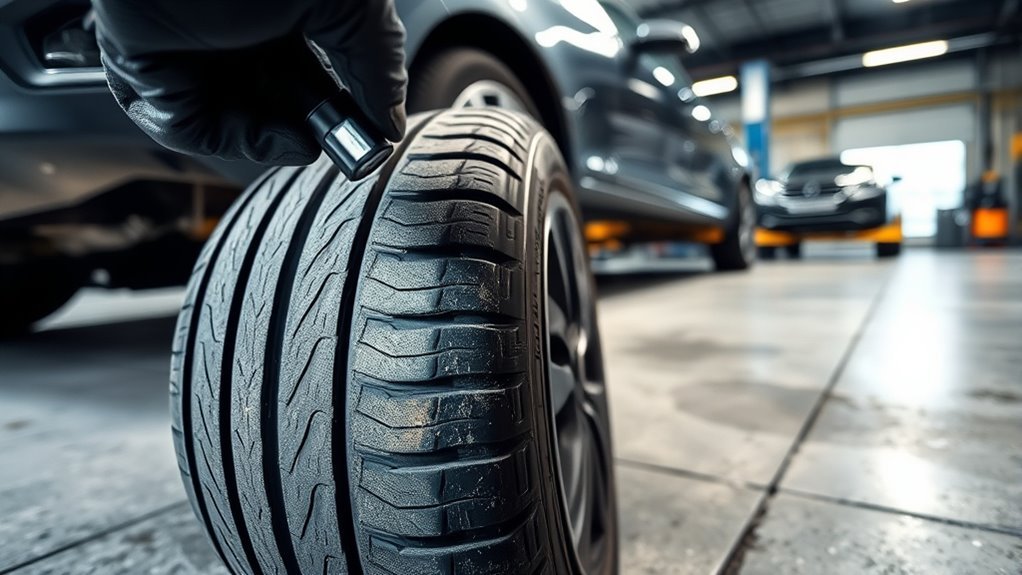
You should plan to replace tires by age as well as tread wear. A safe rule is to start professional annual inspections after about five years, consider replacement around six years if the vehicle maker recommends it or the tire shows aging, and replace any tire that is 10 years old from its manufacture date. Heat, sunlight, ozone, underinflation, overloading, and poor storage can age rubber faster than mileage alone.
Quick Answer
Most passenger tires should be professionally inspected at least once a year after five years of use and replaced no later than 10 years from the DOT manufacture date. Replace them sooner if you see cracks, bulges, exposed cords, uneven wear, vibration, air loss, or tread at 2/32 inch.
Key Takeaways
- Age matters even when tread looks good. Rubber and internal tire materials change over time because of service, storage, heat, sunlight, and maintenance conditions.
- Check the DOT date code. For tires made after 1999, the last four digits show the week and year of manufacture, such as 3520 for the 35th week of 2020.
- Use the 5/10 rule. Have tires inspected annually by a trained tire professional after five years of use, and replace them at 10 years from manufacture at the latest unless your vehicle maker requires earlier replacement.
- Replace immediately for damage. Bulges, cracks that open when flexed, exposed cords, sidewall punctures, repeated air loss, or vibration after an impact are not “wait and see” issues.
- Do not forget the spare. Full-size and compact spare tires age even when they have never touched the road.
At a Glance
| Time Required | 10–15 minutes for a basic tire age and damage check |
| Difficulty | Easy for visual checks; professional inspection recommended for aging, vibration, impacts, or hidden damage |
| Tools Needed | Flashlight, tire pressure gauge, tread depth gauge or penny, notepad or phone camera |
| Cost | Usually free to check at home; replacement cost depends on tire size, rating, vehicle type, and installation fees |
Tire Age: Official Recommendations and the Practical Rule
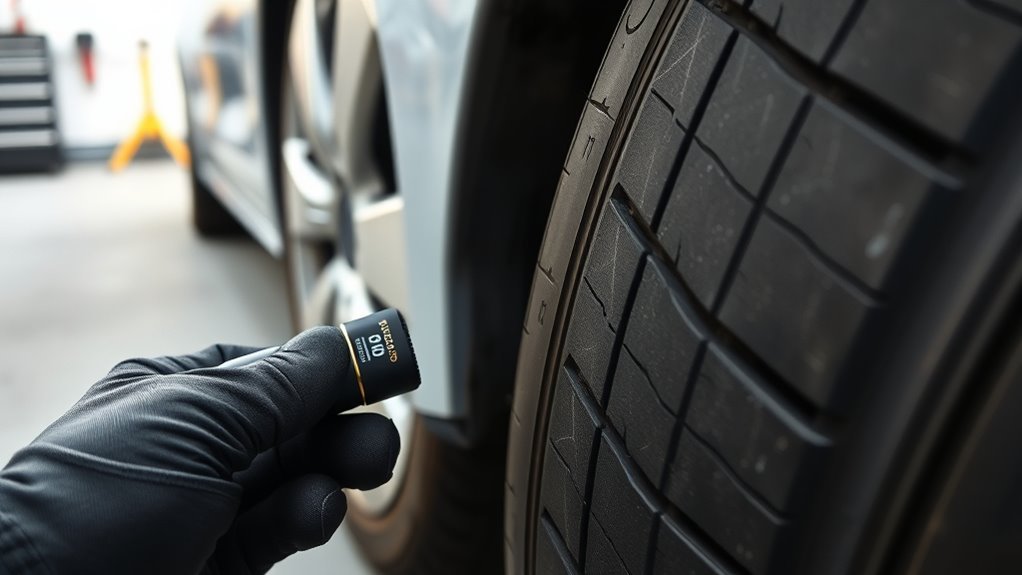
There is no single mileage or calendar number that fits every tire. Tire life depends on the tire design, climate, road conditions, storage, inflation pressure, load, alignment, driving style, and maintenance. That said, several major safety and tire-industry sources agree on the same core message: do not judge an old tire by tread depth alone.
The National Highway Traffic Safety Administration says tire aging happens when rubber and other tire components change over time because of service, storage, and environmental conditions. NHTSA also notes that some vehicle and tire manufacturers recommend replacing tires that are six to 10 years old, regardless of treadwear.
Michelin recommends a close inspection by a trained tire professional after five years of use and replacement after 10 years from the manufacture date as a precaution, including spare tires. Continental also advises replacing all tires, including spares, once they are more than 10 years old, even if they appear usable and still have legal tread depth.
Warning: A tire can be unsafe before it reaches 10 years old. Replace it immediately if it has a bulge, deep cut, exposed fabric or cords, sidewall puncture, cracking that opens when flexed, tread separation, repeated air loss, or a new vibration after a pothole or curb impact.
For most drivers, the practical timeline is simple:
- 0–5 years from manufacture: Inspect monthly for pressure, tread, visible damage, and uneven wear.
- After 5 years of use: Get a trained tire professional to inspect the tires at least once a year, even if they look fine.
- Around 6 years: Follow your vehicle owner’s manual closely. Some automakers recommend replacement around this age, especially for certain vehicle applications.
- At 10 years from manufacture: Replace the tire, including the spare, even if the tread looks acceptable.
Why Tire Rubber Degrades: Heat, Sunlight, Storage, and Use
Tires age because rubber compounds and internal materials slowly change. Heat, oxygen, sunlight, ozone, road friction, underinflation, and repeated flexing can make rubber harder, less elastic, and more likely to crack. This is why an old tire with “good tread” can still be weaker than it looks.
Hot climates speed up the process. NHTSA notes that sunlight, warmer climate, poor storage, and poor maintenance contribute to tire aging, and that aging is a greater concern in warmer southern regions. A low-mileage vehicle, collector car, RV, trailer, or weekend car can be especially risky because the tire may age out before it wears out.
Road use also matters. Underinflation makes a tire flex more, which builds heat. Overloading adds stress. Pothole impacts can damage internal cords even when the outside looks acceptable. Poor alignment and lack of rotation cause uneven wear that can shorten service life.
Note: Tire dressings and “rejuvenator” products may make rubber look darker or more flexible for a short time, but they do not reverse internal aging or extend a tire beyond the safety guidance from the tire maker or vehicle manufacturer.
Read Your Tire’s DOT Date to Find Its Exact Age
The most reliable way to check tire age is to read the DOT Tire Identification Number, also called the TIN. Look for the letters “DOT” on the tire sidewall, followed by a series of letters and numbers. For tires made after 1999, the last four digits show the week and year the tire was manufactured.
For example, a tire code ending in 3520 means the tire was made in the 35th week of 2020. A code ending in 0824 means the tire was made in the 8th week of 2024. Use the manufacture date, not the purchase date, when applying the 10-year maximum guideline.
Sometimes the full DOT code is printed on only one side of the tire. If you cannot find the four-digit date code on the outside sidewall, check the inner sidewall or ask a tire shop to locate it safely.
Pro Tip: Take a photo of each tire’s DOT date code when you rotate tires or check pressure. Save the photos in a vehicle maintenance folder so you can track age without crawling around the car every time.
Tire Age Inspection Checklist: Cracks, Bulges, Tread, and Pressure
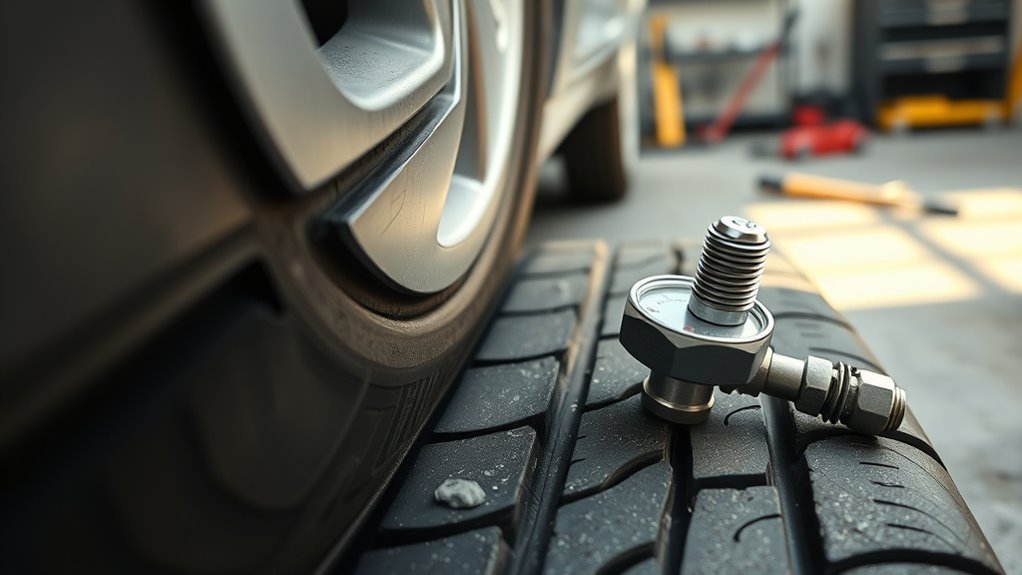
Inspect your tires at least monthly and before long trips. NHTSA recommends regular tire maintenance inspections that focus on proper inflation pressure, treadwear, tire damage, rotation, balancing, and alignment. Use this checklist to catch the most common age and safety problems.
- Sidewall cracks: Look for dry, weathered, or cracked rubber. Fine surface checking can be a warning sign; cracks that open when flexed need professional inspection or replacement.
- Bulges or bubbles: A bulge can mean internal cord damage. Do not keep driving on a tire with a bulge.
- Cuts, gashes, or exposed cords: Replace the tire if fabric, steel, or body cords are visible.
- Tread depth: In the United States, the common minimum tread depth is 2/32 inch. Use a tread depth gauge or the penny test, but replace sooner if wet traction is poor.
- Uneven wear: Feathering, cupping, one-sided wear, or bald shoulders can point to alignment, inflation, suspension, or rotation problems.
- Inflation pressure: Check pressure when tires are cold and use the vehicle placard, not the maximum pressure molded on the tire sidewall.
- Air loss: A tire that repeatedly loses pressure may have a puncture, valve issue, rim leak, or internal damage.
- Vibration, pull, or noise: New vibration, thumping, pulling, or noise after an impact should be checked by a professional.
- DOT date code: Record the week and year for all four tires and the spare.
A tire’s tread can look acceptable while age, heat, underinflation, or hidden impact damage has already reduced its safe service life.
When to Replace Tires by Age, Damage, or Tread
Replace tires based on whichever limit comes first: age, damage, tread wear, or performance change. Do not wait for every warning sign to appear.
| Condition | What to Do |
|---|---|
| Tire is more than 10 years old from the DOT manufacture date | Replace it, including spare tires, even if tread remains. |
| Tire has been in use for more than five years | Have it professionally inspected at least once a year. |
| Vehicle manufacturer recommends replacement around six years | Follow the vehicle owner’s manual or tire placard guidance. |
| Tread is at 2/32 inch or wear bars are flush | Replace the tire. Wet-road performance drops as tread wears. |
| Bulge, sidewall puncture, exposed cords, tread separation, or deep cracking | Stop using the tire and replace it immediately. |
| New vibration, pulling, noise, or repeated pressure loss | Get a professional inspection before continued driving. |
Special Cases: Spares, Classic Cars, Seasonal, and Stored Vehicles
Regular inspection routines should include every tire connected to the vehicle, not just the four tires on the ground. Spares, classic-car tires, seasonal sets, RV tires, trailer tires, and stored tires often age before they wear out.
Spare tires deserve special attention because they are easy to forget. A full-size spare follows the same age rules as the other tires. A compact spare is for temporary emergency use only; follow the speed and distance limits printed on the spare or in the owner’s manual. NHTSA warns that a full-size spare should not be used as a normal replacement for worn tires except in emergencies such as replacing a flat.
Classic cars and low-mileage vehicles can look harmless because the tread may stay deep for years. But the tire’s internal materials still age. If a tire is more than 10 years old, treat it as unfit for regular driving, even if the car is rarely used.
Seasonal tires such as winter and summer sets should be inspected before installation each season. Check the DOT date, tread depth, cracks, air retention, and any flat-spotting from storage.
Stored tires last longer when kept clean, cool, dry, and away from direct sunlight, ozone sources, petroleum products, and heat. Store them in sealed tire bags when possible. Avoid leaving heavy objects on top of unmounted tires or letting mounted tires sit under vehicle weight for long periods without movement.
How to Help Tires Last Longer
You cannot stop tire aging, but good maintenance can slow avoidable damage and help tires reach their normal service life.
- Check pressure monthly. Use a reliable gauge when tires are cold. The correct pressure is on the driver-side door placard or in the owner’s manual.
- Rotate on schedule. Follow the vehicle or tire maker’s rotation interval to reduce uneven wear.
- Keep alignment and balance in check. If the vehicle pulls, shakes, or wears tires unevenly, have it inspected.
- Avoid overloading. Excess load builds heat and stresses the tire structure.
- Slow down for potholes and curbs. Impact damage can weaken internal cords even when the sidewall looks normal.
- Store seasonal tires correctly. Keep them cool, dry, clean, and out of sunlight.
- Inspect after road hazards. Have a tire professional check the tire after a hard impact, especially if vibration or pressure loss begins.
After a Tire Failure: Replace Now, Document Damage, Insurance, and Legal Options
Because a failed tire can suddenly compromise vehicle control and cause secondary damage, your first job is safety. Move away from traffic if possible, turn on hazard lights, and avoid standing beside the vehicle on a busy shoulder. Use a serviceable spare only if you can change it safely; otherwise, call roadside assistance or tow the vehicle to a workshop.
After the vehicle is secure, document the tire and any related damage. Photograph the tire from several angles, including the tread, sidewall, DOT code, wheel, fender, suspension area, and road surface. Write down the time, location, weather, road conditions, speed range, warning signs, tire pressure history if known, and recent repairs or impacts.
Notify your insurer promptly and ask what documentation is needed for tire replacement and collateral repairs. Preserve the failed tire and related components until the claim is resolved. If the DOT date, tread separation pattern, or failure circumstances suggest a possible defect, improper installation, or road-hazard claim, consult your insurer, tire retailer, vehicle manufacturer, or a qualified attorney before discarding the tire. Additionally, understanding tire age limits and tire safety guidance can help prevent future failures and improve driving safety.
Frequently Asked Questions
Are used tires from another vehicle safe if they look new?
Not automatically. A used tire can look new while hiding age, puncture repairs, sidewall damage, impact damage, uneven wear, or poor storage history. Check the DOT date, tread depth, sidewalls, repair history, and air retention. When in doubt, have a tire professional inspect it before installation.
Can tire age affect fuel efficiency or ride comfort?
Yes. Aging, uneven wear, poor inflation, and internal damage can affect rolling resistance, vibration, traction, and ride quality. Tire age alone is not the only cause, but an older tire that feels harsh, vibrates, loses air, or performs poorly in wet weather should be inspected.
Do tire age rules differ for motorcycles and bicycles?
Yes. Motorcycle tires usually need stricter attention because they carry high loads, lean in turns, and have less margin for failure. Bicycle tires also age, especially if stored in heat or sunlight, but their safe service life depends on riding speed, load, casing condition, cracks, and air retention. Always follow the tire maker’s guidance for the specific tire type.
Are tire age guidelines different in tropical versus cold climates?
The basic age guidelines are similar, but tires can age faster in hot, sunny climates. Heat, sunlight, and poor storage speed rubber aging. Cold weather can also make old rubber feel stiffer and reduce grip. In harsh climates, inspect more often and replace sooner when age signs appear.
Can tire rejuvenators or conditioners extend safe service life?
No product should be trusted to extend a tire beyond safe service guidance. Conditioners may improve appearance, but they do not repair internal aging, cord damage, tread separation, or structural weakness. Base replacement on age, DOT date, condition, tread depth, pressure retention, and professional inspection.
Should I replace all four tires at once?
Four matching tires are ideal for balanced handling. If only one or two tires need replacement, match the same size, load index, speed rating, tire type, and tread pattern as closely as possible. Many tire makers recommend installing the newer pair on the rear axle. For AWD or 4WD vehicles, check the owner’s manual because mismatched tread depth can stress the drivetrain.
Is the DOT date based on when I bought the tires?
No. The DOT date code shows when the tire was manufactured, not when it was sold or installed. A tire can already be months or even years old when purchased, so always check the sidewall before buying or installing it.
Conclusion
Tire age is a safety factor, not just a maintenance detail. Start with the DOT date, inspect monthly for pressure, tread, cracks, bulges, uneven wear, and damage, and schedule annual professional inspections after five years of use. Follow your vehicle manufacturer’s replacement guidance, replace damaged tires immediately, and treat 10 years from manufacture as the maximum service limit for passenger tires and spares. When age, tread, or condition raises doubt, replacing the tire is the safer choice.
Sources
- NHTSA TireWise: Tire Safety Ratings and Awareness — tire aging, DOT/TIN date code, inspection, maintenance, tire-related crash facts, and spare tire guidance.
- Michelin: When to Replace Tires — five-year professional inspection guidance, 10-year maximum service life, DOT date decoding, visible damage, and spare tire replacement.
- Continental Tires: Replacing Tires — 10-year replacement recommendation, DOT date code explanation, tread depth, pressure, rotation, alignment, and service-life factors.
- U.S. Tire Manufacturers Association: Tire Facts — tire service life depends on service and storage conditions, with professional inspections and proper maintenance recommended.
- USTMA: Care and Service of Passenger and Light Truck Tires — tire care, inspection, storage, repair, and service guidance for passenger and light truck tires.

Related Articles
Why Put a Plastic Bottle on Your Tire? The Viral Trick Explained
Mysterious plastic bottle on your tire? Discover the viral trick’s surprising truth and what it really means before you assume it’s protecting your car.
Read More
What Happens When a Tire Blows Out at Highway Speed? Full Guide
Buckle up to discover what really happens when a tire blows out at highway speed, and why your next move could change everything.
Read More
What Does V Mean on a Tire? Load, Speed & Rating Guide
Need to know what “V” means on a tire and how load and speed ratings affect safety?
Read More