
How Long Do Honda Accord Tires Last on Average

Quick Answer
Most Honda Accord tires last around 30,000 to 50,000 miles. Touring and all-season tires can last longer with good maintenance, while performance tires may wear sooner. Replace tires at 2/32 inch tread depth, sooner if traction is poor, or when age, cracks, bulges, punctures, or uneven wear make them unsafe.
Key Takeaways
- A realistic Honda Accord tire-life range is usually 30,000 to 50,000 miles, but tire type and maintenance can move that number up or down.
- Replace tires when tread reaches 2/32 inch, or sooner if you see cracks, bulges, exposed cords, repeated air loss, or poor wet-road grip.
- Check tire pressure monthly when tires are cold, and use the pressure on the driver-door placard, not the maximum pressure on the tire sidewall.
- Rotate tires about every 5,000 to 8,000 miles if your owner’s manual and tire setup allow it.
- Tire age matters. Some tire and vehicle makers recommend replacement at six to 10 years, even if tread remains.
At a Glance
| Time Required | 5 to 10 minutes for a monthly tire check; 30 to 60 minutes for rotation at a shop |
| Difficulty | Easy for inspection and pressure checks; professional service recommended for mounting, balancing, alignment, and tire repair |
| Tools Needed | Tire pressure gauge, tread depth gauge or penny, flashlight, and your driver-door tire placard |
| Cost | Pressure and tread checks are free at home; a full installed tire set often lands in the mid-hundreds to low-thousands depending on tire size, brand, installation, fees, and alignment needs |
Average Lifespan of Honda Accord Tires
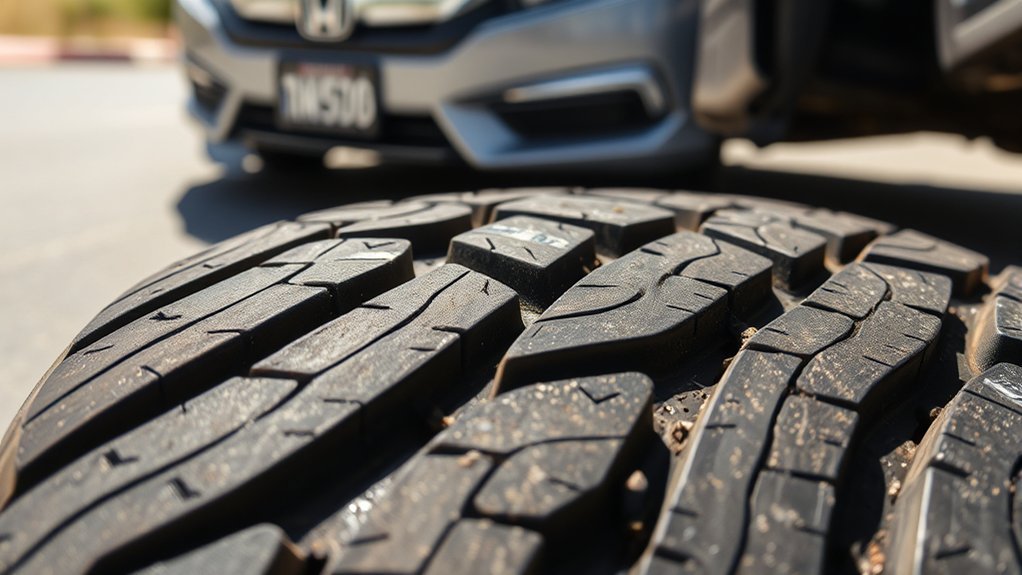
Most Honda Accord owners can use 30,000 to 50,000 miles as a practical planning range. That does not mean every tire will reach that range. A high-mileage touring tire, a properly aligned suspension, and steady highway driving can stretch tire life. Aggressive cornering, hard braking, poor alignment, underinflation, potholes, and low-profile performance tires can shorten it.
The best way to estimate your own tire life is to combine three checks: current mileage on the tire set, remaining tread depth, and tire age. You can also compare the tire’s warranty and UTQG treadwear rating. The NHTSA Consumer Guide to Uniform Tire Quality Grading explains how treadwear, traction, and temperature grades help compare passenger tires, but these ratings are comparative, not a promise of exact mileage.
| Tire Type | Planning Range | Best For |
|---|---|---|
| Touring or grand touring all-season | Often 45,000 to 70,000 miles with good care | Comfort, quiet ride, commuting, longer treadwear |
| Original equipment all-season | Often 30,000 to 50,000 miles | Balanced factory ride, noise, efficiency, and handling |
| Performance all-season or summer | Often shorter than touring tires | Sharper steering, stronger dry grip, sportier driving |
| Winter tire | Mileage varies by season length, storage, and temperature | Snow, ice, slush, and cold-weather traction |
Note: Do not buy tires by “Honda Accord” alone. Match the exact tire size, load index, speed rating, and inflation pressure information on your driver-door placard and owner’s manual.
[Products Worth Considering]

EVOULTES heavy duty tire inflator with an integrated gauge delivers accurate pressure readings from 10–120 PSI, helping you inflate, deflate, and check tires in one tool. The 16.5-inch extended dual-head air chuck with swivel base reaches hard-to-access dual wheel valves on trucks and RVs. A brass trigger core and side-mounted air release valve make operation smooth, with standard 1/4" NPT threading and quick-connect compatibility for easy setup.

This portable cordless tire inflator delivers up to 160 PSI with fast 17 L/min airflow to help you quickly top up tires and get back on the road. It features dual power mode, running on a 21V rechargeable battery or a 12V DC adapter for convenient roadside use. An automatic shut-off with digital pressure gauge helps prevent overinflation, and a built-in LED light improves visibility in low-light conditions.

The JACO FlowPro Tire Inflator measures, inflates, and airs down tires up to 100 PSI with battery-free operation and ±2% accuracy after calibration. It features a glowing pressure dial for night visibility, a heavy-duty steel build with a hybrid hose, and a precision push-to-inflate thumb trigger. The patented Lightning Air Chuck locks on for a secure seal, and the kit includes quick-connect hardware for easy inline use with your air compressor.
How to Tell When Honda Accord Tires Need Replacement
Knowing when to replace your tires is more important than chasing a mileage number. A tire can be unsafe before 50,000 miles if it is cracked, punctured, underinflated, badly worn, or old. A tire can also have tread left but still perform poorly in heavy rain, snow, or emergency braking.
Check Tread Depth
Tires should be replaced when tread reaches 2/32 inch. You can use a tread depth gauge for the most accurate reading, or use the penny test. Place a penny into the tread groove with Lincoln’s head upside down. If you can see the top of Lincoln’s head, the tread is at or near the replacement point. For a deeper walkthrough, see this guide on how to measure tire tread wear.
Do not check only one groove. Measure the inner, center, and outer tread on each tire. If one edge is much lower than the rest, your Accord may need an alignment, suspension inspection, or tire-pressure correction.
Inspect for Visual Damage
Look at each tire from several angles. Turn the steering wheel to expose the front tire shoulders, then check the rear tires with a flashlight. Replace or professionally inspect the tire if you see:
- Bulges or bubbles on the sidewall
- Deep cracks in the tread or sidewall
- Exposed cords or steel belts
- Punctures near the sidewall or shoulder
- Uneven wear across one edge, the center, or both shoulders
- Vibration, pulling, thumping, or repeated air loss
Warning: Do not keep driving on a tire with a sidewall bulge, exposed cords, severe cracking, rapid air loss, or a strong vibration. Install the spare if your Accord has one, slow down, and have the tire inspected before normal driving.
Check Tire Age and DOT Date
Tread depth is not the only issue. Rubber ages from heat, sunlight, storage conditions, road chemicals, and time. The NHTSA TireWise guidance explains that some vehicle and tire manufacturers recommend replacing tires at six to 10 years, even if tread remains.
To check tire age, find the DOT Tire Identification Number on the sidewall. The last four digits show the week and year of manufacture. For example, a code ending in 2523 means the tire was made in the 25th week of 2023. The full code may appear on only one side of the tire, so you may need to check both sidewalls. You can also review this guide to tire age and DOT date.
Best Tire Types for Honda Accord Driving Conditions
The best tire for your Honda Accord depends on your climate and driving style. A commuter in a mild area may want a long-wearing all-season tire. A driver in a snowy region may need dedicated winter tires. A driver who values sharper steering may accept shorter tread life from performance tires.
All-Season and Touring Tires
All-season and touring tires are the most common choice for many Accord owners because they balance comfort, wet traction, tread life, noise control, and price. They are a smart fit if you drive mostly on paved roads, commute daily, and want predictable year-round performance in mild to moderate weather.
Choose a touring or grand touring all-season tire if your top priorities are quietness and long treadwear. Check the tire’s mileage warranty, UTQG treadwear grade, wet traction rating, customer reviews for noise, and the exact size required for your Accord.
Performance Tires
Performance tires can make an Accord feel more responsive, especially on 18-inch or 19-inch wheels. They usually focus on grip and steering feel more than maximum tread life. That trade-off can be worth it if you enjoy spirited driving, but it may cost more over time because replacement can come sooner.
Summer performance tires should not be used in freezing weather, snow, or ice. If you live where winter conditions are common, use a separate winter set or a high-quality all-weather tire with the proper winter rating.
Winter and All-Weather Tires
If you drive through snow, ice, or regular freezing temperatures, winter tires can improve cold-weather traction compared with standard all-season tires. All-weather tires can be a middle-ground choice for drivers who want one set year-round but still need better winter capability than a basic all-season tire. For more detail, compare all-season and winter tires.
Why Regular Tire Maintenance Matters
Tire maintenance affects safety, fuel economy, ride comfort, braking distance, and replacement cost. NHTSA reports that poor tire maintenance, such as underinflation and skipped rotations, can lead to flats, blowouts, or tread separation. It also says proper inflation can extend average tire life by about 4,700 miles.
NHTSA reported 511 traffic fatalities in tire-related crashes in 2024, which is a reminder that tire care is a safety issue, not just a maintenance chore.
Use this basic routine:
- Check pressure monthly: Measure when tires are cold, before driving or after the car has been parked for several hours.
- Use the door placard: The correct PSI is on the driver-door label or owner’s manual, not the maximum number molded on the tire.
- Rotate regularly: If your tire setup allows rotation, follow your owner’s manual. A common interval is about 5,000 to 8,000 miles.
- Balance when needed: Balance tires when installing new tires or when you feel vibration at speed.
- Check alignment: Get an alignment check if the car pulls, the steering wheel is off-center, or tires show one-edge wear.
- Watch TPMS alerts: A tire pressure warning means you should check pressure with a gauge as soon as it is safe.
FuelEconomy.gov notes that proper tire inflation can improve gas mileage, while underinflation can reduce fuel economy and tire life.
Pro Tip: Keep a $10 to $20 tire pressure gauge in the glove box. TPMS is helpful, but it may not warn you until a tire is already significantly underinflated.
OEM vs. Aftermarket Tires: What You Should Know
Original equipment tires are chosen to match the Accord’s factory goals for comfort, efficiency, noise, handling, and cost. That does not always mean they are the longest-lasting option. Some OE tires are excellent; others may prioritize ride quality or fuel economy over maximum treadwear.
Aftermarket tires give you more control. You can choose a quiet touring tire, a longer-mileage all-season tire, a performance tire, a winter tire, or an all-weather tire. The key is to match the tire to your driving conditions instead of choosing only by brand.
Before you buy, compare:
- Exact tire size from the door placard
- Load index and speed rating equal to or above the vehicle requirement
- UTQG treadwear, traction, and temperature grades
- Mileage warranty and warranty conditions
- Wet braking and snow performance if you drive in rain or winter weather
- Ride noise and comfort reviews from drivers using similar sedans
Top Tire Brands for Honda Accord: Quality and Longevity
Several major tire brands make strong Honda Accord replacement options, including Michelin, Continental, Bridgestone, Goodyear, Pirelli, Hankook, Yokohama, BFGoodrich, and Kumho. The best choice is not the brand name alone. A premium brand can still be the wrong tire if the size, season rating, or performance category does not fit your driving.
For longer tread life, look first at grand touring all-season tires with strong mileage warranties. For a quieter ride, read reviews focused on road noise and comfort. For wet climates, prioritize wet braking and traction. For winter areas, look for a winter tire or all-weather tire with the three-peak mountain snowflake symbol.
[Products Worth Considering]

The Fanttik X10 Pro is a cordless portable tire inflator that reaches up to 150 PSI and can inflate an R15 tire in about 35 seconds for quick roadside or home top-ups. With AccuInFlate auto-stop and smart start/stop controls, it helps maintain accurate pressure and frees your hands once the target is reached. A high-visibility digital display and preset modes make it easy to set and monitor inflation for cars, motorcycles, bikes, and balls.
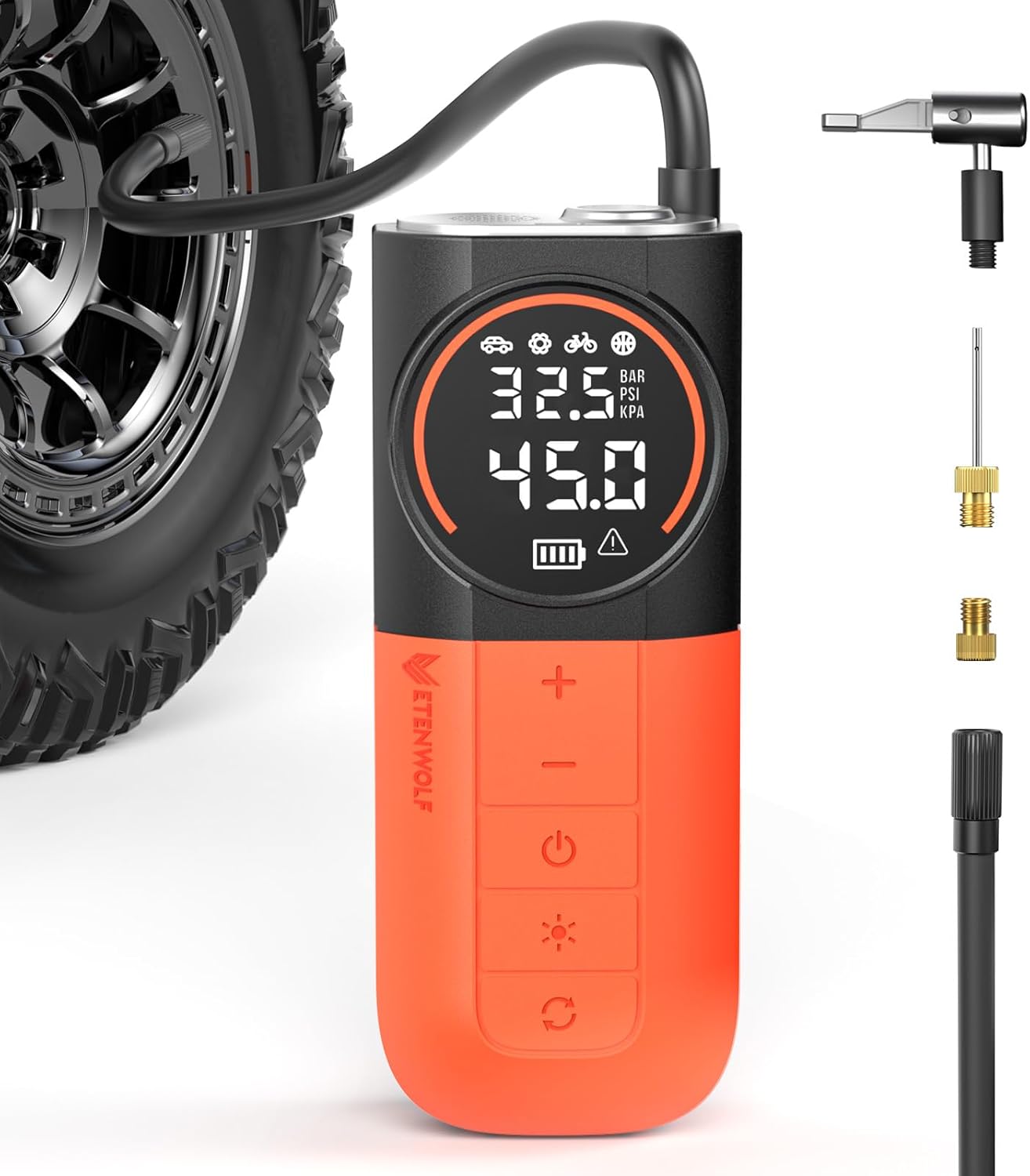
The ETENWOLF S1 cordless tire inflator delivers ultra-fast inflation with up to 160 PSI and a 20 L/min airflow for quicker tire top-offs. Its 5200mAh battery and cooling system support inflating many tires and sports balls on a single charge, while the digital pressure gauge and multi-unit display help you reach the right pressure accurately. With preset modes, pressure memory, an auto-stop feature, and an LED flashlight, it’s built for easy roadside and everyday use.
Cost of Replacing Honda Accord Tires
The cost to replace Honda Accord tires depends on wheel size, tire type, brand, installation, taxes, disposal fees, TPMS service kits, road-hazard coverage, and whether you also need an alignment. In general, larger low-profile tires and performance tires cost more than standard touring tires.
| Cost Item | What It Includes |
|---|---|
| Tires | The tire set itself; price changes heavily by size, brand, and performance category |
| Mounting and balancing | Installing tires on wheels and balancing each assembly to reduce vibration |
| TPMS service | Valve stems, seals, sensors, or relearn service if needed |
| Alignment | Optional but wise if old tires wore unevenly or the car pulls |
| Road-hazard coverage | Extra protection for certain punctures or road damage, depending on retailer terms |
For many Accord owners, a realistic installed budget is often in the mid-hundreds to low-thousands. Get quotes using your exact tire size, and compare the final installed price, not only the tire-only price.
Tips for Extending the Life of Your Tires

You can extend tire life by keeping the tread wearing evenly and avoiding preventable heat, flex, and impact damage. Start with the basics:
- Maintain proper tire pressure: Check PSI monthly and before long trips. Use the driver-door placard. This guide explains how to determine correct tire pressure.
- Rotate tires on schedule: Rotation helps even out front and rear wear, especially on front-wheel-drive Accords.
- Fix alignment problems early: One-edge wear, pulling, or an off-center steering wheel can destroy tread quickly.
- Avoid potholes and curb hits: Impacts can bend wheels, damage belts, and knock alignment out.
- Do not overload the car: Extra weight increases heat and tire stress.
- Store seasonal tires correctly: Keep them clean, dry, cool, and away from sunlight and ozone sources.
- Inspect monthly: Use a simple tire maintenance checklist so you do not miss pressure, tread, damage, or age checks.
Driving Conditions: City vs. Highway Impact
Your driving environment can change how long Honda Accord tires last. City driving often means more braking, turning, potholes, curb contact, and short heat cycles. Those conditions can wear the shoulders and edges faster, especially if pressure or alignment is off.
Highway driving can be easier on tread when speeds are steady, the car is aligned, and the tires are properly inflated. However, high speeds, hot pavement, heavy loads, and long trips on underinflated tires can still create heat and damage. No matter where you drive, tire pressure, alignment, and rotation matter more than the city-versus-highway label alone.
Frequently Asked Questions
How many miles do Honda Accord tires last?
Most Honda Accord tires last about 30,000 to 50,000 miles. Touring and long-mileage all-season tires may last longer with good care, while performance tires, poor alignment, hard driving, potholes, and underinflation can shorten tire life.
Is two years a long time for tires?
Two years is not old by age alone. A two-year-old tire can still be safe if it has enough tread, no cracks or bulges, even wear, and proper pressure. Replace it sooner if tread is low, damage is visible, or traction has dropped.
At what tread depth should I replace Honda Accord tires?
Replace tires when tread reaches 2/32 inch. If you often drive in heavy rain, snow, or cold conditions, start shopping earlier if traction feels weak or stopping distance increases.
How often should I rotate Honda Accord tires?
Follow your owner’s manual and tire warranty. A common rotation interval is about 5,000 to 8,000 miles if the tire setup allows rotation. Rotate sooner if you notice uneven tread wear.
Should I replace all four Accord tires at once?
Replacing all four is best when all tires are worn, old, mismatched, or close to replacement. If replacing only two, ask the tire shop where they should go for stability and follow your vehicle and tire guidance.
Are OEM Honda Accord tires better than aftermarket tires?
OEM tires are chosen to match the car’s factory balance of comfort, handling, noise, and efficiency. Aftermarket tires may give you longer tread life, better wet grip, stronger winter traction, or sportier handling if you choose the right model for your needs.
Conclusion
Honda Accord tires commonly last around 30,000 to 50,000 miles, but mileage is only one part of the decision. Check tread depth, tire pressure, tire age, sidewall condition, alignment wear, and road feel. Replace tires at 2/32 inch tread depth, sooner if damage or poor traction appears, and pay attention to tire age even when tread remains. With monthly checks, proper pressure, regular rotation, and the right tire type for your climate, you can get safer performance and better value from every set.
Sources
- NHTSA TireWise — tire pressure, tread depth, tire rotation, tire aging, TPMS, and tire-related safety guidance
- FuelEconomy.gov: Keeping Your Vehicle in Shape — fuel economy and tire inflation guidance
- NHTSA Consumer Guide to Uniform Tire Quality Grading — UTQG treadwear, traction, and temperature rating context

Related Articles
How Tall Is a 305 70 R17 Tire? Exact Height, Width & Dimensions
Curious how tall a 305 70 R17 tire really is—and whether it fits your truck?
Read More
Can-Am Defender Tire Size Guide: Stock Specs & Upgrade Options
Just how big can you go on a Can-Am Defender before mods become necessary?
Read More
How Tall Is a 275 65 20 Tire? Exact Height, Width & Dimensions
Check the exact height, width, and hidden fitment effects of a 275/65R20 tire before you buy or upgrade.
Read More