
How to Stop Honda Accord Tire Sidewalls From Cracking
Cracked tire sidewalls on a Honda Accord are usually a sign of age, heat, sunlight, low pressure, harsh chemicals, impact damage, or long periods of sitting. Some tiny surface checking can be watched closely, but deep cracks, bulges, exposed cords, air loss, vibration, or cracks spreading around the sidewall mean the tire needs a professional inspection and often replacement.
Quick Answer
To stop Honda Accord tire sidewalls from cracking, keep tires inflated to the cold PSI on the driver-door placard, inspect them monthly, rotate them as Honda recommends, clean them with tire-safe products, protect them from long sun exposure, and replace any tire with deep cracks, bulges, exposed cords, or repeated air loss.
Key Takeaways
- Use the Honda Accord’s recommended cold tire pressure on the driver-door label, not the maximum PSI printed on the tire sidewall.
- Check pressure, tread, and sidewalls at least once a month, even if your TPMS light is off.
- Sunlight, heat, ozone, underinflation, overloading, and harsh cleaners can speed up rubber aging and cracking.
- Deep cracks, bulges, exposed cords, vibration, or pressure loss are safety warnings. Do not try to fix sidewall damage with tire dressing.
- If your tires are six years old or older, inspect the DOT date code and ask a tire professional whether they are still safe.
At a Glance
| Time Required | 10 to 20 minutes per month |
| Difficulty | Easy for inspection and cleaning; professional help needed for cracks, bulges, vibration, or pressure loss |
| Tools Needed | Tire-pressure gauge, flashlight, tread-depth gauge or penny, mild car-wash soap, soft brush, microfiber towel, optional tire covers |
| Cost | About $10 to $40 for basic tools and cleaner; tire replacement varies by size, brand, and trim |
Preventing Tire Cracking on Your Honda Accord
The best way to prevent tire cracking on your Honda Accord is to control the things that speed up rubber aging: incorrect pressure, heat, sunlight, harsh cleaners, impact damage, and long storage. You cannot stop tire rubber from aging forever, but good care can slow the process and help you catch unsafe cracks early.
Start with pressure. Use the cold tire pressure listed on your Accord’s Tire and Loading Information Label on the driver’s door edge or doorjamb, or check the official Honda owner manual lookup for your model year. Do not use the maximum PSI printed on the tire sidewall as your daily setting. That sidewall number is a tire limit, not Honda’s recommended pressure for your Accord.
The National Highway Traffic Safety Administration recommends checking tire pressure at least once a month when the tires are cold, meaning the car has been parked for at least three hours. NHTSA also notes that poor tire maintenance, including low air pressure and missed rotations, can lead to a flat tire, blowout, or tread separation.
Warning: Do not drive on a tire with a bulge, exposed cords, a crack that opens into the sidewall, repeated air loss, or vibration that starts suddenly. Install the spare if safe to do so and have the tire inspected by a qualified tire technician.
[Products Worth Considering]
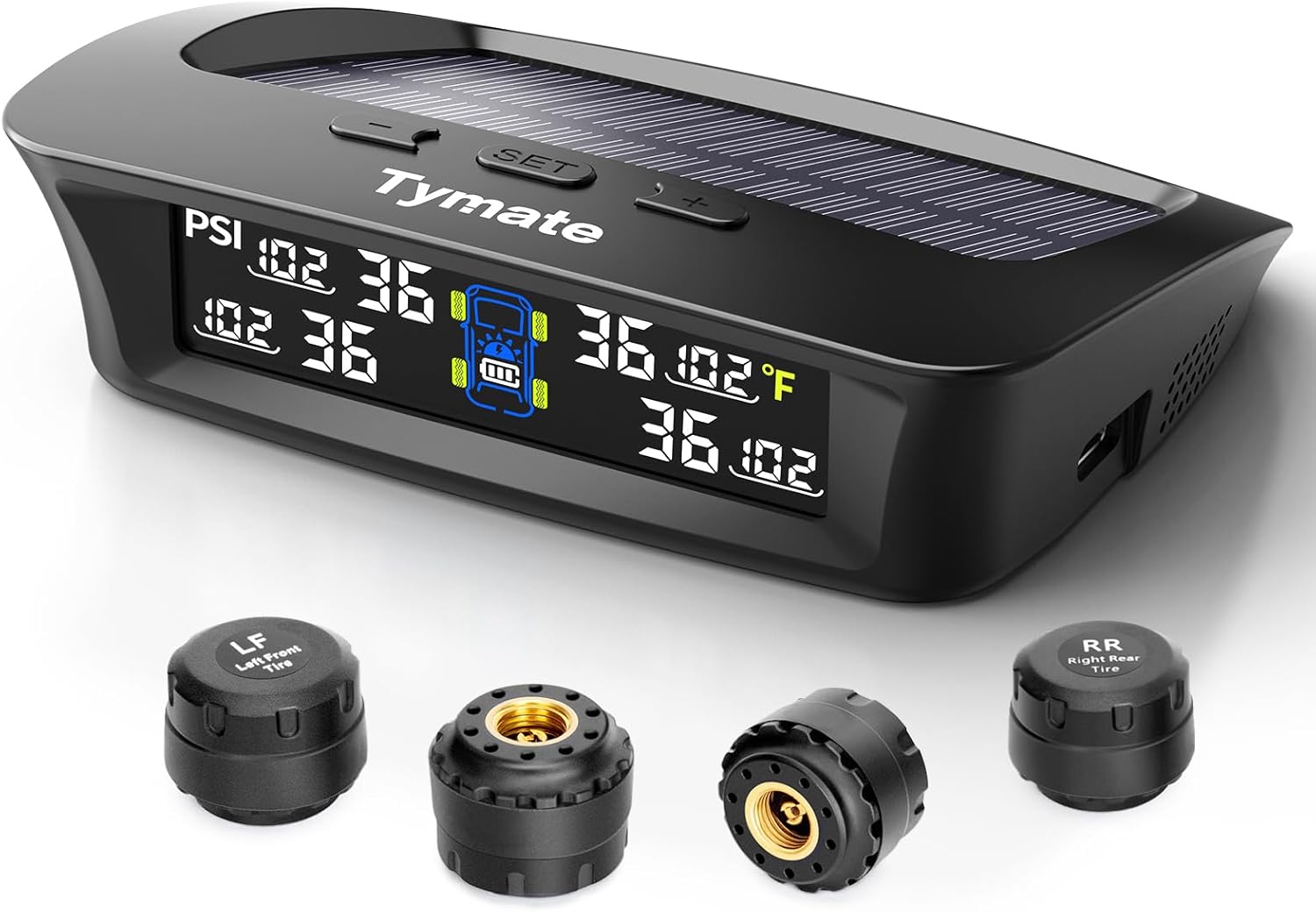
The Tymate TM3 RV TPMS delivers real-time tire pressure monitoring from 0 to 144 PSI with accurate readings and dependable wireless communication. It includes four external sensors with pre-pairing, six alarm modes for rapid leak, pressure extremes, temperature, and signal loss, plus an easy-reference setup for alert thresholds. Solar and USB-C charging help keep the display powered, while the color LCD and adaptive backlight improve visibility for safer driving and towing.

The JACO FlowPro Tire Inflator measures, inflates, and airs down tires up to 100 PSI with battery-free operation and ±2% accuracy after calibration. It features a glowing pressure dial for night visibility, a heavy-duty steel build with a hybrid hose, and a precision push-to-inflate thumb trigger. The patented Lightning Air Chuck locks on for a secure seal, and the kit includes quick-connect hardware for easy inline use with your air compressor.

Blackline Blackout is a water-based trim and tire dressing that restores rubber, vinyl, and plastic with a rich satin, blackout look. Its no-sling formula dries quickly and helps prevent messy transfer onto paint. The coating repels water and offers UV protection to help prevent fading, cracking, and discoloration for a clean, long-lasting finish.
Why Tire Sidewalls Crack
Sidewall cracks happen when tire rubber loses flexibility. On an Accord, this can show up as tiny hairline checking, deeper splits, or dry, gray-looking areas on the sidewall. The most common causes include:
- Age: Tire rubber changes over time, even if the tread still looks good.
- Sun and heat: Long exposure to UV light and hot pavement can speed up drying and cracking.
- Underinflation: Low pressure makes the sidewall flex too much, which creates heat and stress.
- Overloading: Too much weight in the car can overwork the sidewalls, especially with low pressure.
- Harsh chemicals: Petroleum-based cleaners, solvents, and aggressive tire dressings can dry or stain rubber.
- Impact damage: Potholes, curbs, and road debris can weaken the sidewall even if damage is not obvious right away.
- Long parking periods: A car that sits in one position for weeks or months can develop flat spots and aging patterns faster.
Cracking is not just cosmetic when it reaches deeper rubber layers. A tire sidewall flexes every time the wheel rolls. Once the sidewall structure is weakened, heat, load, and highway speed can turn a small problem into a sudden failure.
Monthly Sidewall Inspection Checklist
Inspect all four tires at least once a month and before a long trip. Check the spare too if your Accord has one. Park on a level surface, wait until the tires are cold, and use a flashlight so you can see the inner and outer sidewalls.
- Check cold pressure first. Match the pressure to the Accord’s door placard or owner manual. Add or release air as needed.
- Look at the outer sidewalls. Search for hairline cracks, deep splits, bubbles, cuts, scrapes, and areas that look dry or chalky.
- Turn the steering wheel. Turn left and right to expose more of the front tire sidewalls.
- Check inner sidewalls. Use a flashlight behind each tire. Inner cracks and bulges are easy to miss.
- Inspect the tread shoulders. Cracking near the edge of the tread can be just as important as cracking on the sidewall.
- Measure tread depth. Replace tires when tread reaches 2/32 inch. A tread-depth gauge is best, but the penny test can help in a pinch.
- Check the DOT date code. The last four digits show the week and year the tire was made.
- Watch for performance changes. Pulling, vibration, noise, or pressure loss can point to damage you cannot see.
Note: A TPMS light helps, but it does not replace monthly checks. NHTSA explains that TPMS may only warn when a tire is already significantly underinflated, so you should still use a pressure gauge.
How to Set Honda Accord Tire Pressure Correctly
Correct inflation is one of the simplest ways to reduce sidewall stress. For a Honda Accord, the right number can vary by model year, trim, tire size, and load. Always use the tire pressure label on your car or the Honda owner manual for your exact vehicle.
| Use this number | The cold PSI on the driver’s door placard or Honda owner manual |
| Do not use this as your target | The maximum PSI printed on the tire sidewall |
| Best time to check | Before driving or after the car has been parked for at least three hours |
| Check frequency | At least once a month and before long highway trips |
If a tire is consistently low, do not keep topping it off without finding the cause. It may have a nail, leaking valve stem, wheel corrosion, bead leak, cracked sidewall, or other damage. Repeated pressure loss is a reason to have the tire inspected.
Causes of Cracked Tires
Cracked tires often come from more than one cause. A 10-year-old tire that sits in the sun and runs slightly low on air has a much higher risk than a newer tire kept clean, shaded, and properly inflated.
Underinflation is one of the most important causes to prevent. When pressure is low, the sidewall bends more than intended. That extra flex creates heat, weakens rubber, and can contribute to sidewall breakdown. Overloading has a similar effect because the tire carries more weight than it was designed to handle.
Sunlight and heat also matter. NHTSA notes that exposure to sunlight, warmer climate, poor storage, and poor maintenance can contribute to tire aging. Parking outdoors is not automatically unsafe, but long-term sun exposure can make sidewalls dry out faster. If your Accord sits outside most of the time, shade and tire covers can help slow UV exposure.
Chemical exposure can make cracking worse. Avoid petroleum solvents, undiluted degreasers, bleach, and tire shine products that leave a greasy film. These products may make the sidewall look darker for a short time, but they do not repair dry rot or structural cracks.
Identifying Signs of Cracking
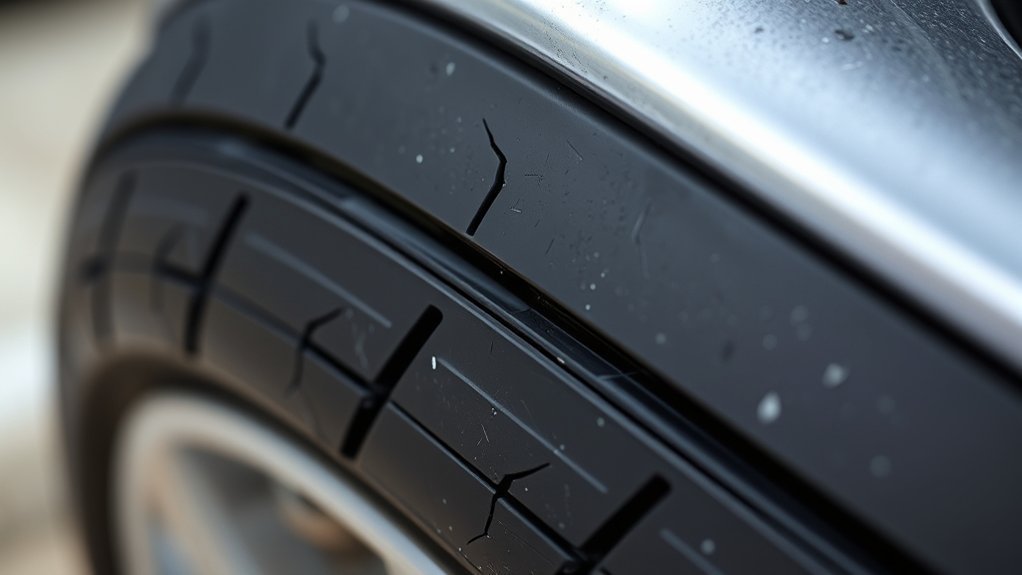
Not every mark on a tire sidewall means the tire is about to fail. The key is to separate mild surface aging from damage that affects safety.
| What You See | What It May Mean | What to Do |
|---|---|---|
| Tiny hairline checking on the outer rubber only | Early aging or UV exposure | Monitor monthly and reduce sun, heat, and chemical exposure |
| Deep cracks, cracks that spread, or cracks near the bead | Possible structural weakening | Have the tire inspected before normal driving; replacement may be needed |
| Bulge, bubble, or raised area | Internal damage or separation | Do not continue driving except to move to safety; replace the tire |
| Exposed cords, fabric, or steel | The tire is no longer safe | Replace immediately |
| Repeated air loss with visible cracking | Leak, bead issue, valve issue, puncture, or sidewall damage | Have a tire shop inspect it; do not rely on sealant as a permanent fix |
Why Regular Tire Inspections Matter
Regular tire inspections help you find cracks before they become dangerous. They also help you catch the problems that often come with cracking, such as low pressure, uneven tread wear, poor alignment, and impact damage.
NHTSA reported 511 traffic fatalities in tire-related crashes in 2024, which is why tire condition, pressure, tread depth, and age deserve regular attention.
[Products Worth Considering]

Keep RV, trailer, or truck dual-axle tires protected with waterproof, UV-resistant covers that help guard against sunlight, snow, rust, and dirt. The dual tire covers are easy to install with a rope/bungee fastener for a stable fit that won’t easily slip. Designed for 27–30 inch diameter wheels, they help maintain tire condition through harsh weather.

This portable cordless tire inflator delivers fast, efficient inflation for cars, motorcycles, bikes, and sports balls with a digital pressure gauge. Use the one-click PSI preset with auto shut-off for accurate, hands-free topping to your target pressure up to 150 PSI. It’s compact and rechargeable with a built-in emergency LED light plus valve adapters and accessories for quick, ready-to-go use.
Importance of Early Detection
Small surface cracks are easier to track when you know what your tires looked like the month before. If cracks deepen, spread, or appear with vibration or air loss, you can act before the tire fails on the road.
| Inspection Area | Why It Matters |
|---|---|
| Visible cracks | Shows rubber aging, UV exposure, or sidewall stress |
| Tire pressure | Low pressure increases sidewall flex and heat |
| Tread depth | Worn tread reduces wet grip and can make tires unsafe |
| Bulges and cuts | Can signal internal tire damage |
| DOT date code | Shows tire age, which matters even when tread remains |
Preventing Costly Replacements
Good maintenance will not save a tire that is already unsafe, but it can help healthy tires last longer. Monthly pressure checks, proper rotation, tire-safe cleaning, and avoiding long sun exposure reduce stress on the rubber. If cracks are only light surface checking, these steps may slow further deterioration.
Do not wait until all four tires look bad. Replacing one damaged tire may be cheaper than replacing a wheel, suspension part, or body panel after a blowout. If your Accord uses tires with different tread depth across the axle, ask a tire professional whether matching tread depth or replacing in pairs is safer.
Essential Tire Maintenance Practices
Use this simple schedule to reduce sidewall cracking risk and catch tire problems early.
| Maintenance Task | Frequency | Why It Helps |
|---|---|---|
| Check cold tire pressure | Monthly and before long trips | Reduces sidewall flex, heat, and uneven wear |
| Inspect cracks, bulges, cuts, and tread | Monthly | Catches sidewall damage before highway driving |
| Clean tires with mild soap or tire-safe cleaner | Every 1 to 3 months, or after heavy grime or salt exposure | Removes brake dust, road grime, and chemicals |
| Rotate tires | Follow Honda Maintenance Minder or owner manual; often 5,000 to 8,000 miles when recommended | Reduces irregular wear and helps tires age more evenly |
| Check alignment and balance | When you notice pulling, vibration, uneven wear, or after a hard impact | Reduces abnormal stress on tread shoulders and sidewalls |
Protecting Tires From the Elements
Weather and storage habits matter more than many drivers think. If your Accord sits outside, especially in a hot, sunny area, the sidewalls receive constant UV exposure. If it sits unused, one section of the tire carries the car’s weight for a long time.
Regular Cleaning Routine
Clean the tires with water, mild car-wash soap, or a tire-safe non-petroleum cleaner. Use a soft brush on the sidewalls, rinse well, and dry with a microfiber towel. Do not scrub aggressively into cracked rubber. If a crack opens, spreads, or exposes inner material, cleaning will not make it safe.
Avoid solvent-heavy degreasers, gasoline, brake cleaner, bleach, and oily tire shine products. If you use a protectant, choose one designed for automotive tires and apply it only to the sidewall. Keep it off the tread, brake parts, and the road-contact surface.
UV Protection Measures
To reduce UV damage, park in shade when practical, use a garage or carport, or use tire covers if the vehicle sits outside for long periods. If your Accord is stored for weeks or months, set the pressure correctly, clean the tires first, avoid parking near electric motors or ozone sources, and move the car occasionally if safe to do so.
Pro Tip: Read the tire age before blaming only sunlight. Find the DOT Tire Identification Number on the sidewall. The last four digits show the week and year of manufacture. For example, 2321 means the tire was made in week 23 of 2021.
When to Replace Tires for Safety
You should replace a tire when damage reaches the point where the tire can no longer safely hold load, pressure, and heat. Do not judge only by tread depth. A tire can have decent tread and still be unsafe because of sidewall cracks, bulges, age, or internal damage.
Replace the tire or have it inspected immediately if you see:
- Deep sidewall cracks or cracks that continue to spread
- Bulges, bubbles, or raised spots on the sidewall
- Exposed cords, fabric, or steel
- A cut or crack near the bead where the tire meets the wheel
- Repeated air loss that returns after inflation
- Vibration, thumping, or pulling that starts suddenly
- Tread worn to 2/32 inch
- Severe uneven wear from alignment, suspension, or inflation problems
NHTSA says tires should be stopped for several reasons, including worn tread, physical damage such as cuts, cracks, or bulges, irregular wear, underinflation damage, or overloading damage. NHTSA also notes that some vehicle and tire manufacturers recommend replacing tires that are six to 10 years old, regardless of treadwear.
If your Accord’s tires are six years old or older, inspect them more often and ask a tire professional to check them during rotation or service. If they are near 10 years old, replacement is usually the safer choice even if the car is driven lightly.
Selecting the Best Tires for Your Honda Accord
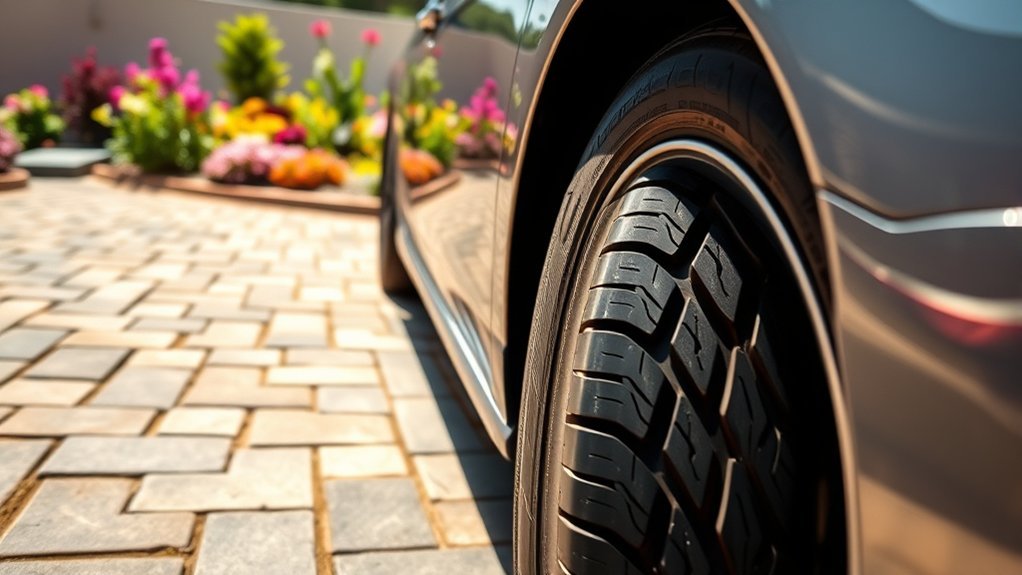
Choosing the right replacement tires helps prevent future cracking and improves braking, ride comfort, and wet traction. Start with the tire size, load rating, and speed rating listed for your Accord. You can find this information on the driver-door label, in the owner manual, and on the tire sidewall.
When comparing tires, look for:
- Correct size and load rating: Do not downsize load capacity to save money.
- Climate fit: All-season tires are common for Accords, but winter tires are safer in deep snow and freezing conditions.
- Wet traction: Choose tires with strong wet braking performance if you drive in heavy rain.
- Heat resistance: A good temperature rating matters in hot climates and highway driving.
- Fresh production date: Ask for newer stock when possible, especially if you drive low annual miles.
- Warranty and rotation rules: Some treadwear warranties require regular rotation records.
The NHTSA tire ratings system can help you compare treadwear, traction, and temperature grades, but these grades do not tell the whole story. Driving habits, climate, road surface, alignment, pressure maintenance, and storage all affect how long a tire lasts.
Frequently Asked Questions
Why do my Honda Accord tire sidewalls keep cracking?
Your sidewalls may keep cracking because of tire age, sunlight, heat, underinflation, overloading, harsh cleaners, impact damage, or long periods of parking. Start by checking the DOT date code, setting cold pressure to the door placard, and inspecting for deep cracks or bulges.
Can I drive with small cracks in my tire sidewall?
Tiny surface checking may be monitored if the tire holds pressure and has no bulges, vibration, or deep splits. However, deep cracks, cracks near the bead, exposed cords, pressure loss, or a bulge are not safe signs. Have the tire inspected before normal driving.
Can cracked sidewalls be repaired?
Sidewall cracks are not a normal DIY repair. Tire plugs and patches are generally meant for certain tread-area punctures, not cracked sidewalls. If a sidewall is cracked deeply, bulging, leaking, or showing cords, replacement is the safer answer.
Does tire shine prevent sidewall cracking?
A tire-safe UV protectant may help reduce sun exposure on the outer rubber, but tire shine cannot reverse dry rot or repair structural cracks. Avoid greasy, petroleum-heavy products, and keep any dressing off the tread and brake parts.
How old is too old for Honda Accord tires?
Many tires wear out before age becomes the main issue, but age still matters. NHTSA says some vehicle and tire manufacturers recommend replacing tires at six to 10 years regardless of treadwear. Check the DOT date code and follow Honda and tire-maker guidance.
How often should I rotate Honda Accord tires?
Follow the Honda Maintenance Minder or the owner manual for your exact Accord. As a general NHTSA guideline, if rotation is recommended by the vehicle manufacturer, many tires are rotated every 5,000 to 8,000 miles or sooner if uneven wear appears.
Conclusion
To prevent Honda Accord tire sidewall cracking, focus on simple habits that reduce rubber stress: set cold pressure to the door placard, inspect tires monthly, clean them gently, rotate them as Honda recommends, avoid harsh chemicals, and limit long sun exposure when practical. Replace or professionally inspect any tire with deep cracks, bulges, exposed cords, vibration, or repeated air loss. Good tire care cannot stop aging forever, but it can help you spot unsafe damage before it becomes a road hazard.
Sources
- NHTSA TireWise — tire pressure, tread depth, rotation, TPMS, tire aging, crash-safety context, and replacement warning signs
- Honda Owner Manual Lookup — model-specific Honda Accord tire pressure, tire size, maintenance, and rotation guidance
- NHTSA Recalls — checking whether a tire or vehicle has an open safety recall
- NHTSA Tire Safety Ratings and Awareness — Uniform Tire Quality Grading, tire labeling, and consumer tire safety information

Related Articles
How Tall Is a 305 70 R17 Tire? Exact Height, Width & Dimensions
Curious how tall a 305 70 R17 tire really is—and whether it fits your truck?
Read More
Can-Am Defender Tire Size Guide: Stock Specs & Upgrade Options
Just how big can you go on a Can-Am Defender before mods become necessary?
Read More
How Tall Is a 275 65 20 Tire? Exact Height, Width & Dimensions
Check the exact height, width, and hidden fitment effects of a 275/65R20 tire before you buy or upgrade.
Read More