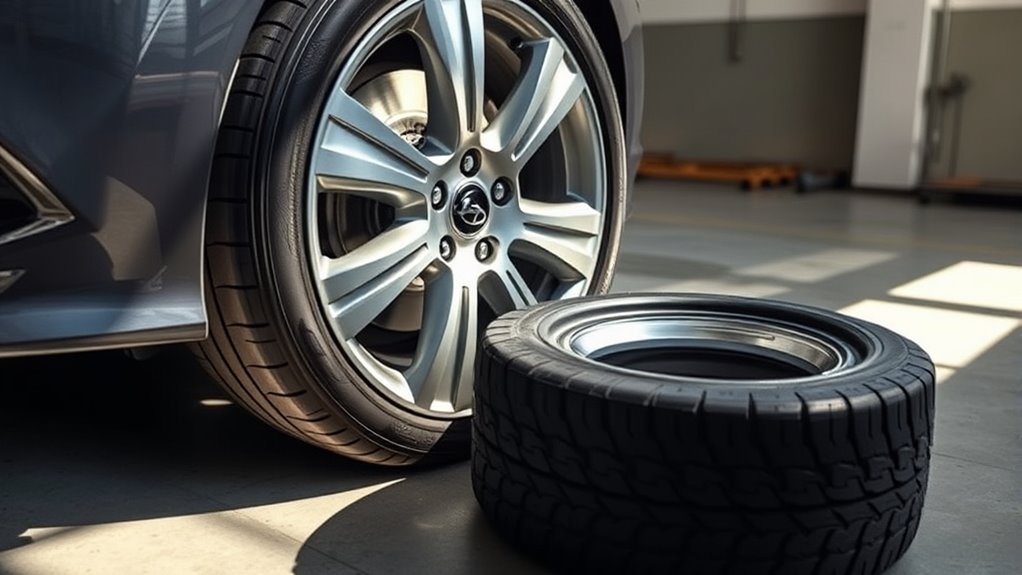
Your 2017 Hyundai Sonata tire size depends on the trim and factory wheel package. Most models use one of three OEM sizes: 205/65R16, 215/55R17, or 235/45R18. Before buying replacements, check the driver-side door placard for the exact size, cold tire pressure, load index, and speed rating your car was built to use.
Quick Answer
The common 2017 Hyundai Sonata OEM tire sizes are 205/65R16 for many SE, Eco, and base hybrid trims; 215/55R17 for many Sport, Limited, Plug-In Hybrid, and Hybrid Limited trims; and 235/45R18 for 2.0T trims. Use the driver-side placard as the final authority before ordering tires.
Key Takeaways
- Match the tire size on the driver-side tire specification label, not a generic online chart.
- Common 2017 Sonata fitments are 205/65R16 95H, 215/55R17 94V, and 235/45R18 94V, but the exact fitment depends on trim and options.
- Many 2017 Sonata listings show cold tire pressure around 34–35 PSI, but your door placard is the correct PSI for your vehicle.
- Do not downgrade the load index or speed rating; use tires that match or exceed the original specification.
- Rotate tires about every 7,500 miles, check pressure monthly when cold, and replace worn or damaged tires before they become unsafe.
At a Glance
| Time Required | 5–10 minutes to check the placard, sidewall, PSI, and tread depth |
| Difficulty | Easy |
| Tools Needed | Tire pressure gauge, tread-depth gauge or penny/quarter, and the driver-side door placard |
| Cost | $0 if you already have a gauge; usually $5–$15 for a basic pressure or tread gauge |
2017 Hyundai Sonata OEM Tire Sizes by Trim
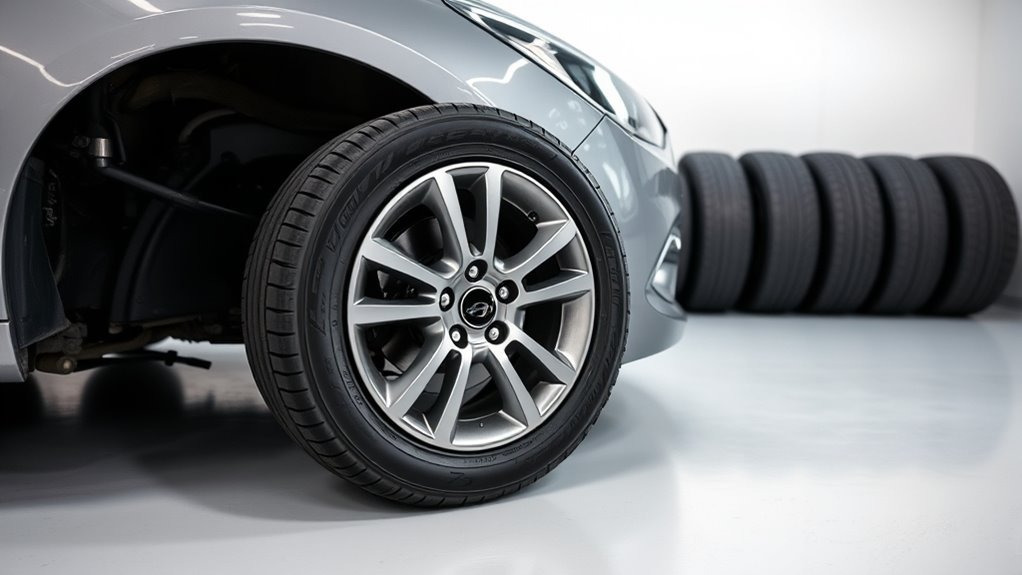
The three most common factory tire sizes for the 2017 Hyundai Sonata are 205/65R16, 215/55R17, and 235/45R18. Fitment references such as Firestone’s 2017 Sonata tire guide list these sizes by trim, but your car’s own placard is still the final source because wheel packages and market equipment can vary.
| 2017 Sonata trim or wheel package | Common OEM tire size | Common load/speed rating | Pressure note |
| SE, Eco, Hybrid SE, and many 16-inch wheel models | 205/65R16 | Often 95H | Often around 34–35 PSI cold; verify placard |
| Sport, Limited, Plug-In Hybrid, Hybrid Limited, and many 17-inch wheel models | 215/55R17 | Often 94V | Often around 34–35 PSI cold; verify placard |
| Sport 2.0T, Limited 2.0T, and many 18-inch wheel models | 235/45R18 | Often 94V | Often around 34 PSI cold; verify placard |
Warning: Do not use the maximum PSI printed on the tire sidewall as your normal inflation pressure. Use the cold tire pressure on the Sonata’s driver-side tire placard unless a qualified tire professional gives vehicle-specific guidance for a non-OEM tire setup.
Products Worth Considering

Monitor tire tread wear with a smart, color-coded depth gauge that shows clear condition ranges at a glance. The bar is range marked for fast, easy readings, helping you maintain safer traction and performance. Each gauge is portable with a pocket clip, and the set includes 20 units for daily use and sharing.

Keep your tires properly inflated with this analog VONDIOR tire pressure gauge, designed for fast, easy readings without batteries. The swiveling, two-axis hose and large glow dial help you measure at any tire angle with instant visibility. Built with a protective rubber shield, it supports durable, low-maintenance use for cars and trucks.

The SAFELIFE dial tire tread depth gauge measures tread depth in 1/32 inch increments with clear, easy-to-read 2-inch dial face. Color zones using a traffic light system help you quickly judge whether tread is low, marginal, or ample for safer driving. Built with a durable zinc cast body and a metal detect probe for precise, comfortable use across cars, motorcycles, trucks, and buses.
How to Read Your Sonata Tire Size on the Door Jamb and Sidewall
Start with the driver-side door jamb or center-pillar tire label. Hyundai’s owner information says this label gives the tire pressures recommended for the vehicle, and NHTSA also advises using the Tire and Loading Information Label or owner’s manual to find the correct tire size and pressure.
Then compare that label with the tire sidewall. A code such as 205/65R16 95H breaks down like this:
- 205 — tire width in millimeters.
- 65 — sidewall height as a percentage of tire width.
- R — radial construction.
- 16 — wheel diameter in inches.
- 95 — load index, which tells you how much weight the tire is rated to carry.
- H — speed rating. Many 2017 Sonata 16-inch tires are H-rated, while many 17- and 18-inch tires are V-rated.
Pro Tip: When shopping online, enter the full size and service description when available, such as 205/65R16 95H or 235/45R18 94V. That helps prevent buying a tire with the right size but the wrong load or speed rating.
Related: Best Tires For 2017 Hyundai Sonata
Choosing the Right Size, Load Index, and Speed Rating
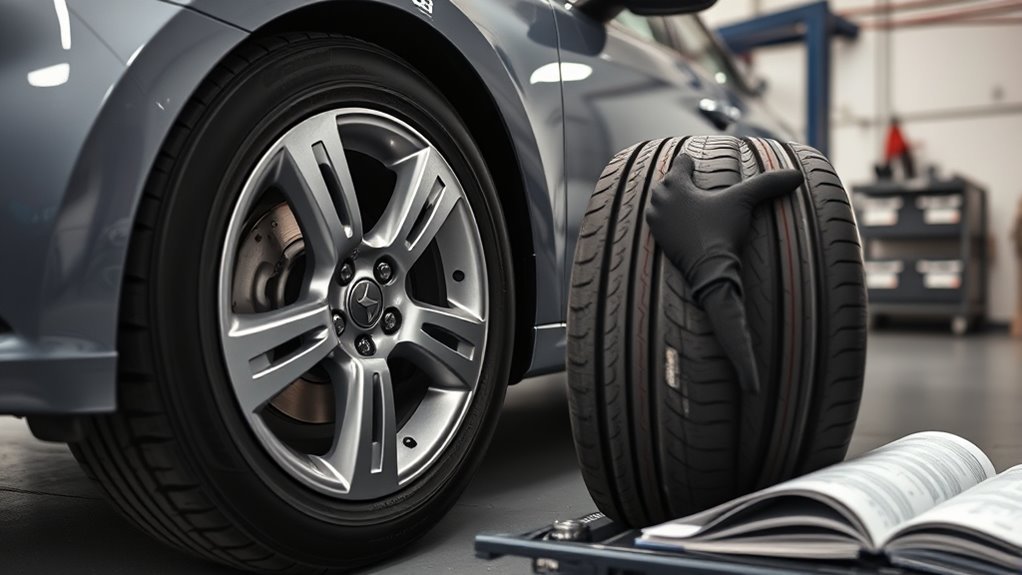
For a safe replacement, match the tire size, load index, and speed rating shown on the vehicle placard or on a verified OEM-equivalent fitment. A higher load index or speed rating is generally acceptable, but a lower rating can reduce the tire’s safety margin and may affect handling, insurance, inspection, or warranty discussions.
Use this simple decision path:
- Check the placard first. Record the tire size and cold PSI.
- Check your current tire sidewall. Confirm the size, load index, and speed rating.
- Match all four tires. Keep size, tire category, and tread pattern consistent unless a tire professional approves a specific setup.
- Avoid downgrades. Do not choose a lower load index or lower speed rating than the original tire.
- Keep records. Save the tire invoice, mileage at installation, rotation records, and alignment receipts for warranty claims.
Note: If your Sonata has aftermarket wheels, do not rely on a factory-size table alone. Confirm wheel width, offset, clearance, TPMS compatibility, load rating, and overall tire diameter before ordering.
Products Worth Considering

Measure tire tread depth quickly and accurately with this LUMITECO dial gauge that reads in 1/32" increments up to 14/32". The color-coded green/yellow/red zones make it easy to judge tire wear and know when replacement is needed. A rugged, compact design with a protective pouch helps keep the gauge ready for use on cars, trucks, motorcycles, and more.
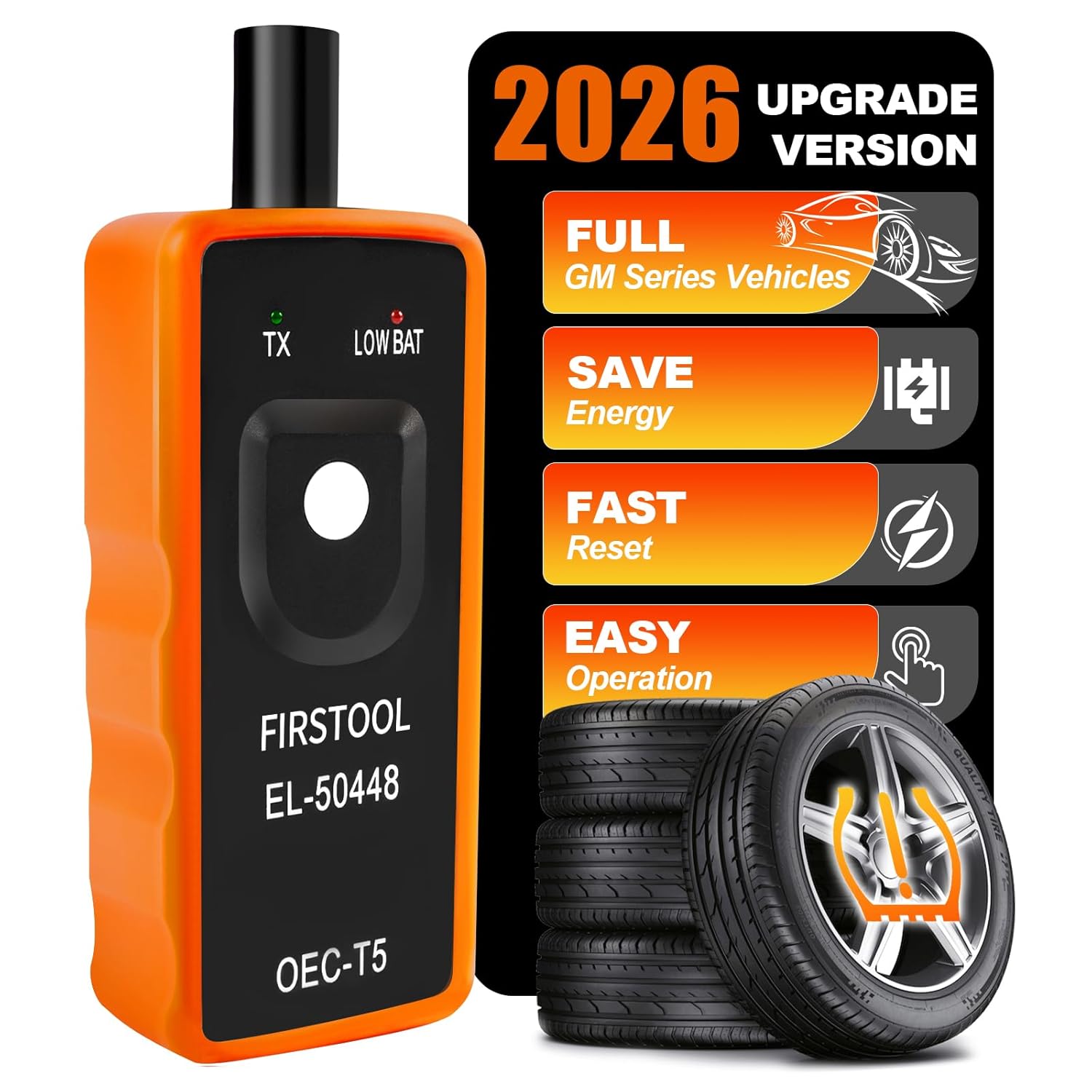
This TPMS relearn tool helps you quickly activate, match, and reset GM tire pressure sensors to keep the vehicle monitoring system working properly. It clears tire pressure alarms and dashboard warning lights after sensor replacement or tire rotation, and supports learning for common 315/433 MHz TPMS sensors. Designed for simple one-button operation, it can help you avoid unnecessary trips to repair shops.

Milton S-921 pencil tire pressure gauge helps you maintain optimal tire pressure for passenger cars with accurate readings in PSI and kPa. It features a built-in deflator valve for convenient pressure adjustments, plus a single chuck head and nylon indicator bar for easy use on the go. Built from durable plated brass and designed for reliable performance, it’s a practical road trip and cold-weather maintenance tool.
Replacement Tire Options for 2017 Sonata: All-Season, All-Weather, Performance, and Winter
Once you know your exact tire size, choose the tire category that matches your climate and driving style. The best tire for a 2017 Sonata in Florida is not always the best tire for a 2017 Sonata in Minnesota.
| Tire type | Best for | Tradeoff |
| Touring all-season | Daily commuting, comfort, quiet ride, normal rain, and long tread life | Not ideal for deep snow, ice, or aggressive driving |
| All-weather / 3PMSF-rated | Drivers who want one set of tires with better light-snow confidence than regular all-seasons | May be noisier or less sporty than a dedicated touring or performance tire |
| Performance all-season | Sharper steering, stronger wet/dry grip, and 17- or 18-inch wheel packages | Often shorter tread life and a firmer ride |
| Winter / snow | Regular freezing temperatures, snow, slush, and ice; winter tires are designed for cold-weather traction | Wear faster in warm weather and usually need seasonal storage |
Good replacement options in these sizes often include touring all-season tires for comfort, performance all-season tires for sharper handling, and winter tires for cold climates. Instead of buying by brand name alone, compare wet braking, ride comfort, road noise, treadwear warranty, load/speed rating, and whether the tire is available in your exact Sonata size.
Products Worth Considering

Accurately measure tire tread depth with a calibrated gauge marked from 0 to 1 inch in 1/32 inch increments. The color-coded bar helps you quickly identify tread condition ranges, supporting safe driving for trucks, motorcycles, automobiles, and passenger vehicles.

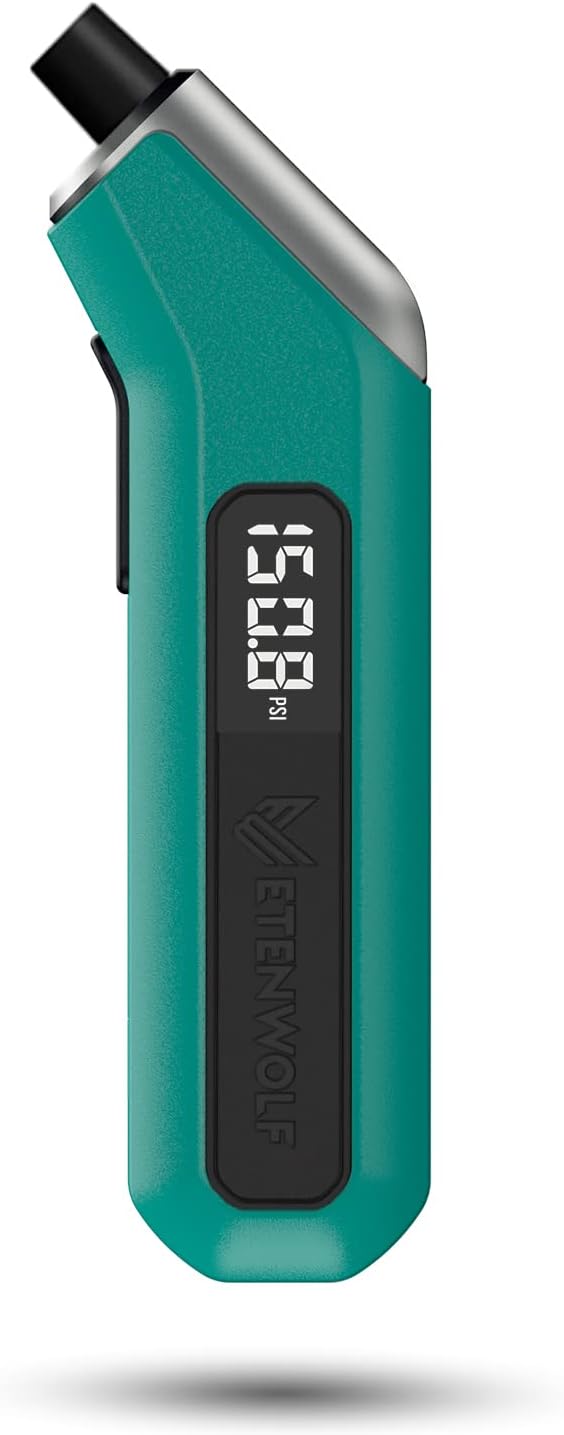
ETENWOLF’s tire pressure gauge helps you quickly and accurately check tire PSI across cars, trucks, motorcycles, bikes, and more. It’s manually calibrated to ANSI B40.1 Grade A for reliable readings, includes a large glow dial for easy nighttime viewing, and features a 360-degree swivel chuck for use at any valve angle. The gauge also works consistently in extreme hot or cold weather.

AstroAI’s heavy-duty digital tire pressure gauge delivers quick, accurate readings with 0.1 increments and a secure valve-stem seal. It features a green backlit LCD and built-in flashlight for easy use in low light, plus an ergonomic non-slip stainless-steel design. The wide 0–230 PSI range works across common vehicle tires, with unit selection and an auto shut-off to save battery.
Maintenance, Lifespan, and Buying Tips for 2017 Hyundai Sonata Tires
Good tires can wear out early if they are underinflated, misaligned, overloaded, or never rotated. Hyundai recommends tire rotation every 12,000 km / 7,500 miles or sooner if irregular wear develops. During rotation, the tires should also be checked for balance, uneven wear, and damage.
A monthly tire check takes only a few minutes, but it protects handling, braking, fuel economy, and tread life.
Monthly Tire Maintenance Checklist
- Check PSI cold. NHTSA says the correct pressure is the manufacturer’s cold inflation pressure, measured before driving or after the vehicle has been parked long enough for the tires to cool.
- Inspect tread depth. Replace at the wear bars or by 2/32 inch at the latest; shop earlier around 4/32 inch if wet-road grip matters, and use more tread for winter driving.
- Look for damage. Replace tires with bulges, exposed cords, deep cracks, or sidewall damage.
- Rotate regularly. Use the Hyundai interval or rotate sooner if the front and rear tires are wearing unevenly.
- Check alignment and balance. Feathering, pulling, vibration, or one-edge wear usually means the car needs inspection.
- Read the DOT date code. Tires can age even with tread left. Have older tires inspected, especially after five years of service or if cracking appears.
Note: A TPMS warning light does not replace manual checks. A tire can be low enough to wear poorly before the warning appears, and temperature changes can affect pressure.
What to Check Before Buying New Tires
- Confirm the full size from the placard, such as 205/65R16, 215/55R17, or 235/45R18.
- Match or exceed the original load index and speed rating.
- Choose a tire category for your real climate: touring all-season, all-weather, performance all-season, or winter.
- Compare UTQG ratings. The NHTSA UTQG guide explains treadwear, traction, and temperature grades for passenger tires.
- Budget for mounting, balancing, valve stems or TPMS service kits, alignment if needed, and disposal fees.
- Keep the invoice and rotation records for mileage warranty support.
Frequently Asked Questions
What tires come on a 2017 Hyundai Sonata?
Most 2017 Hyundai Sonata models use 205/65R16, 215/55R17, or 235/45R18 tires, depending on trim and wheel package. Many 16-inch setups use 205/65R16 95H, while many 17- and 18-inch setups use 215/55R17 94V or 235/45R18 94V. Always confirm your exact size on the driver-side placard.
What is my OEM tire size?
Your OEM tire size is the size printed on the driver-side tire and loading label. For many 2017 Sonata trims, it will be 205/65R16, 215/55R17, or 235/45R18. Do not assume 205/65R16 unless your placard or original wheel package confirms it.
What tire pressure should I use on a 2017 Hyundai Sonata?
Use the cold PSI on your driver-side door placard. Many 2017 Sonata fitments are listed around 34–35 PSI, but the placard on your vehicle is the correct number. Check pressure monthly when the tires are cold, not immediately after driving.
Can I use a different tire size on my Sonata?
Only use an alternate size if it is compatible with your wheels, load rating, speed rating, brake clearance, TPMS, and overall diameter. A small size change can affect speedometer accuracy, ride quality, handling, and clearance. When in doubt, stay with the placard size.
When should I replace my Sonata tires?
Replace tires at the wear bars or by 2/32 inch of tread at the latest. For wet-weather confidence, start shopping around 4/32 inch. For winter driving, consider replacing or switching to winter tires sooner, because snow and slush traction needs deeper tread.
What is the best oil for a Hyundai Sonata?
Oil choice is separate from tire fitment. For engine oil, use the viscosity and specification listed in your Sonata owner’s manual for your exact engine and market. Tire size, load index, speed rating, and PSI should still come from the driver-side tire placard.
Conclusion
The right 2017 Hyundai Sonata tire size is not a guess—it is printed on the car. Check the driver-side placard first, then match the full tire code, load index, speed rating, and cold PSI. For most 2017 Sonatas, you will be shopping in 205/65R16, 215/55R17, or 235/45R18, but the exact answer depends on trim and wheel package. Keep the tires rotated, inflated, inspected, and matched as a set, and your Sonata will ride, brake, and handle the way it should.
Sources
- Hyundai Owner’s Manual — Tire specification and pressure label — backs up the driver-side label as the source for recommended tire pressure.
- Hyundai Owner’s Manual — Tire rotation — backs up the 7,500-mile rotation interval and uneven-wear checks.
- NHTSA TireWise — backs up using the tire/loading label or owner’s manual for correct size and cold inflation pressure.
- NHTSA Tire Safety Brochure — backs up monthly pressure checks, cold-pressure guidance, and tread inspection.
- NHTSA Consumer Guide to Uniform Tire Quality Grading — backs up UTQG treadwear, traction, and temperature explanations.
- Firestone Complete Auto Care — 2017 Hyundai Sonata tire fitment guide — backs up common 2017 Sonata tire sizes, speed ratings, and PSI listings by trim.